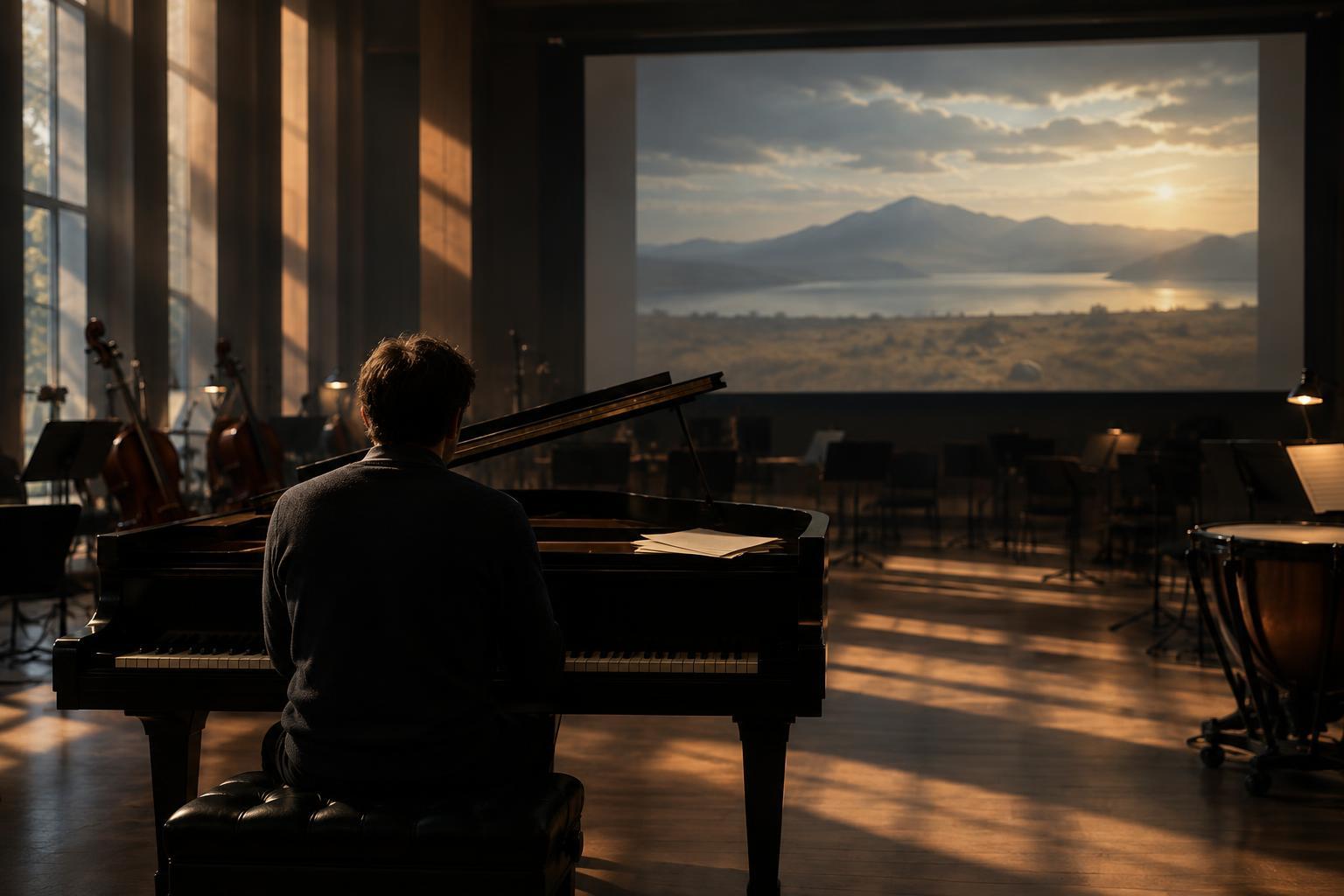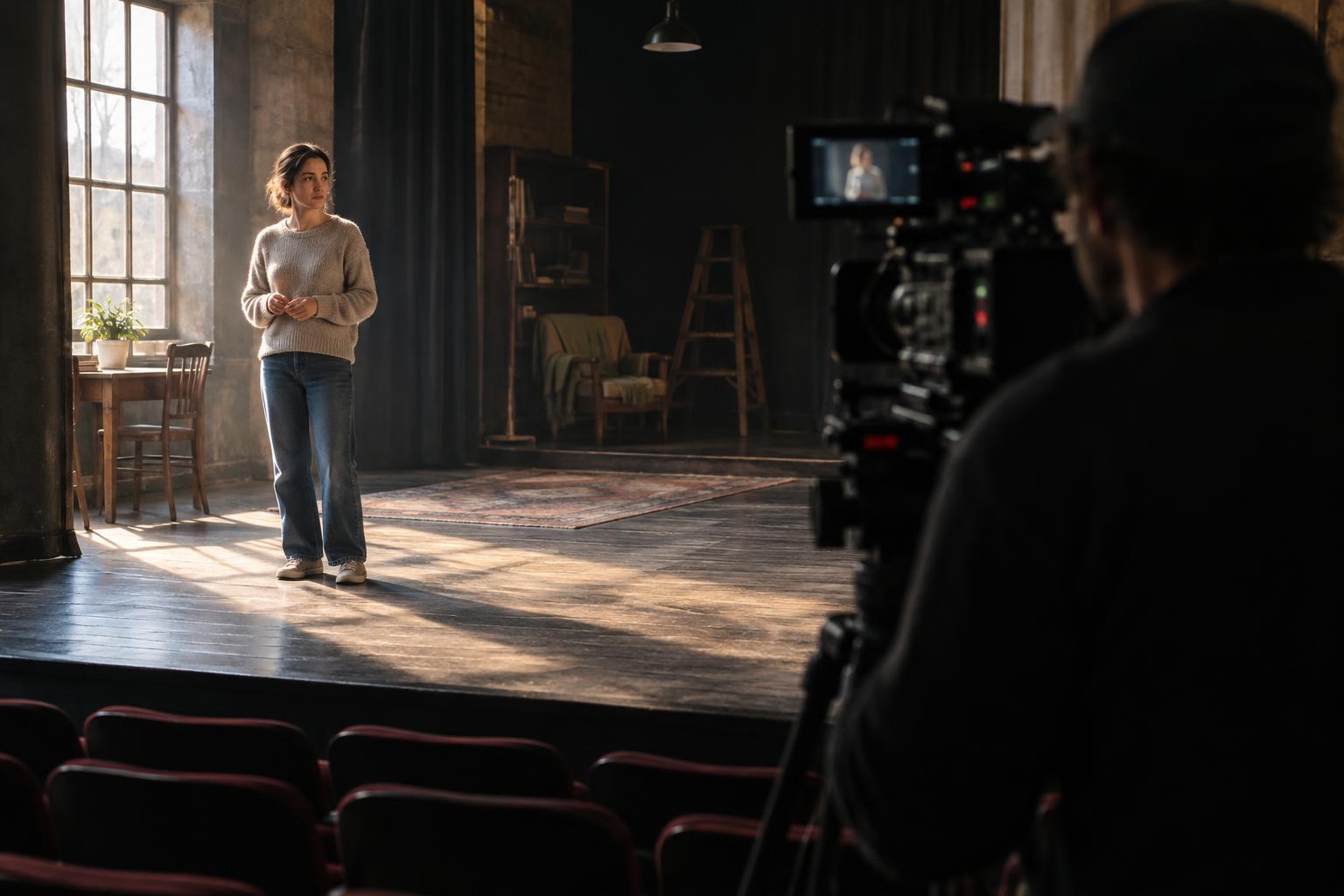
Film CultureA wide shot can show where a character belongs, while a close-up can draw attention to the smallest change in expression. Learn how to read shot sizes as part of a scene’s visual storytelling, without assuming any one framing has a fixed meaning.
Read article · 4 min↗

Fan CommunitiesFan communities can turn shared enthusiasm into meaningful support, but good intentions are not enough to make a fundraiser clear. Learn how to set a specific goal, explain who handles the money, report changes, protect donors’ privacy, and close the loop when the project ends.
Read article · 4 min↗

Fan CommunitiesFan campaigns can celebrate a story, support an artist or ask for a creative project to continue. The difference between advocacy and harassment often lies in how fans treat the people receiving the message. Here are practical ways to make a case without crossing boundaries.
Read article · 4 min↗

Fan CommunitiesA fan project can bring together artists, writers, editors, translators and organizers. A clear brief, a simple contribution log and thoughtful credit practices help everyone see how their work fits into the finished project.
Read article · 4 min↗
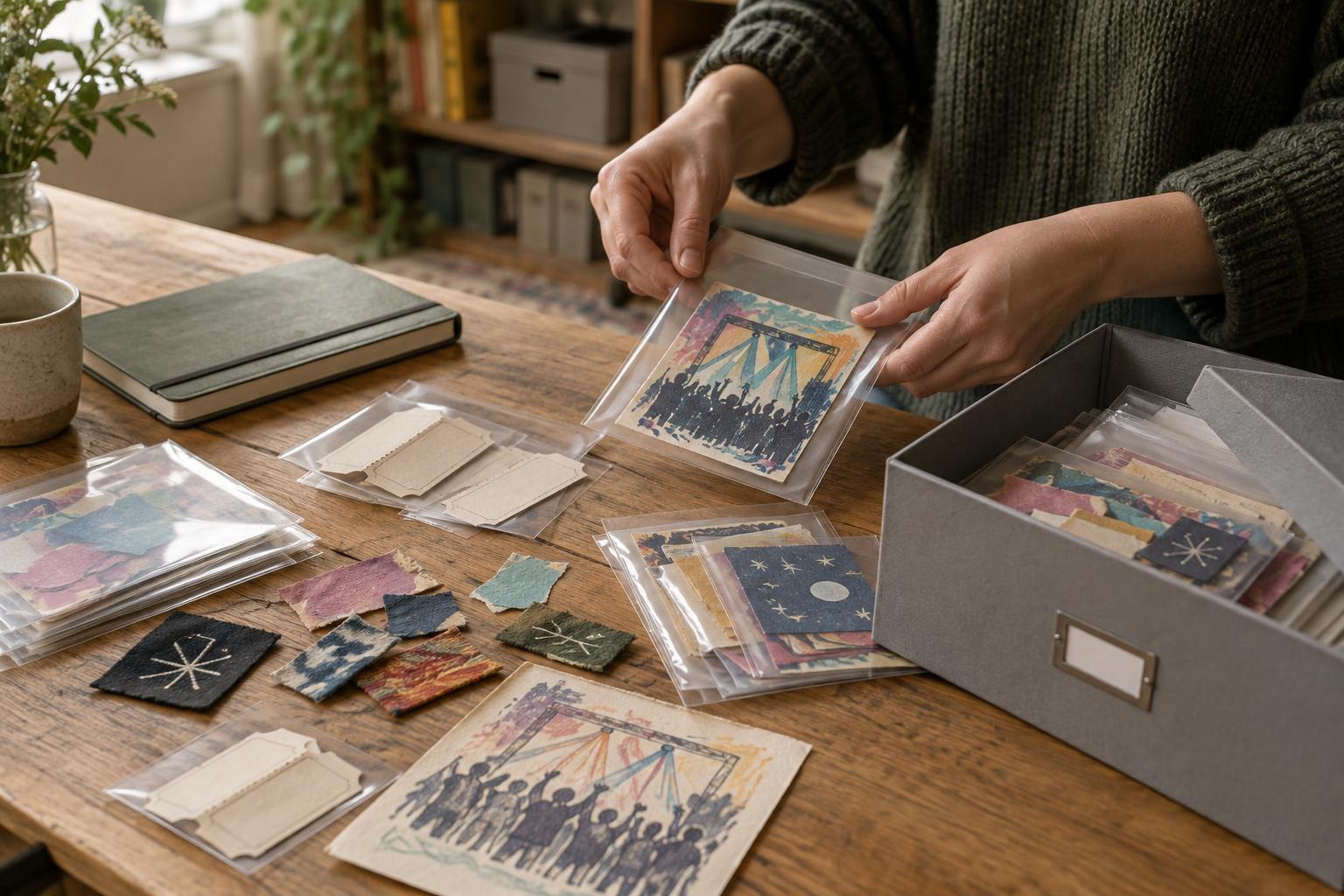
Fan CommunitiesFan communities leave behind a rich record of shared creativity, organizing and connection. Preserving that history takes more than saving posts: it calls for thoughtful choices about consent, context, access and the right to step back.
Read article · 4 min↗

Fan CommunitiesTrading collectibles can help fans complete a set, discover unfamiliar releases, and connect with people who share their interests. A good trade starts with clear descriptions, fair expectations, and a plan for getting items safely from one fan to another.
Read article · 4 min↗

Fan CommunitiesFeeling connected to a performer can make art more meaningful. The key is enjoying that connection without mistaking familiarity for a personal relationship or letting fandom crowd out the rest of your life.
Read article · 4 min↗

Fan CommunitiesA welcoming fan community does not need to abandon deep knowledge or spirited debate. Small choices—explaining context, making room for different levels of engagement, and disagreeing without putting people on trial—can help newcomers join the conversation.
Read article · 4 min↗

Fan CommunitiesFan communities bring people together through shared enthusiasm, but they also leave room for sharp differences in taste and interpretation. A calmer disagreement starts with knowing what kind of conversation you are having, making room for nuance, and recognizing when it is time to step away.
Read article · 4 min↗

Fan CommunitiesGood community guidelines do more than ask people to be kind. They help fans understand what belongs in a space and give moderators a consistent way to handle spoilers, personal attacks, speculation and repeat problems.
Read article · 4 min↗

Fan CommunitiesA good fan meetup makes room for shared enthusiasm without assuming everyone wants the same level of attention or interaction. Choose an accessible setting, explain the plan clearly, make photos and activities opt-in, and prepare a simple way to handle problems.
Read article · 4 min↗

Fan CommunitiesA first fan convention can be exciting and overwhelming in equal measure. Plan a day that leaves room for discovery, accounts for the full cost of attending and supports the way you move through a busy venue.
Read article · 4 min↗
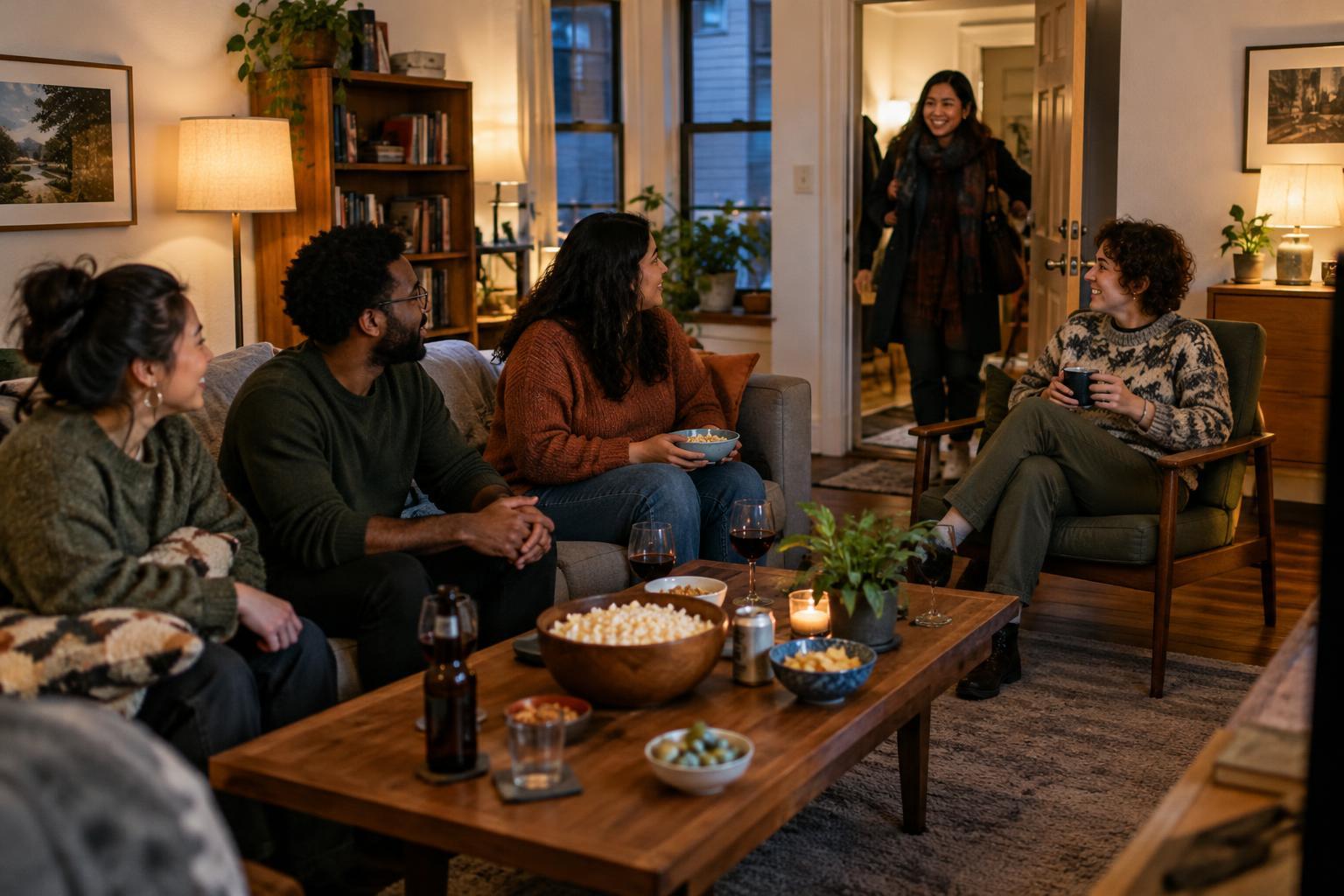
Fan CommunitiesA good watch party makes room for both the screen and the people gathered around it. Set expectations for timing, conversation, spoilers and access before pressing play, then give guests an easy way to participate at their own pace.
Read article · 4 min↗

Fan CommunitiesFan art, edits, zines and performances can bring a community together, but sharing them may raise questions about someone else’s creative work. This guide explains what to consider before you make, post or distribute a fan project.
Read article · 4 min↗

Fan CommunitiesFan art helps people see familiar stories in new ways. Sharing it thoughtfully means more than adding a name beneath an image: it means checking the artist’s preferences, preserving a path back to their work, and knowing when not to repost.
Read article · 4 min↗

Fan CommunitiesIn fan fiction, the information around a story can be as useful as the summary itself. Tags and content warnings help readers find the experiences they want, avoid material they would rather skip, and approach unfamiliar stories with clearer expectations.
Read article · 4 min↗

Fan CommunitiesFans use canon, headcanon and fan theory to talk about different relationships to a story. Here is how the terms work, where they overlap and how to use them in conversations about the entertainment you love.
Read article · 4 min↗

Fan CommunitiesA surprise ending, a long-awaited song, or a revealing stage entrance can spark an immediate conversation. Good spoiler etiquette makes room for that excitement while letting other fans decide when they are ready to join in.
Read article · 4 min↗

Fan CommunitiesThe best place to share your enthusiasm for a film, performer, musical, or series depends on what you want to do there. Use this guide to compare conversation styles, moderation, creative tools, privacy, and the everyday feel of a fan space before joining in.
Read article · 4 min↗
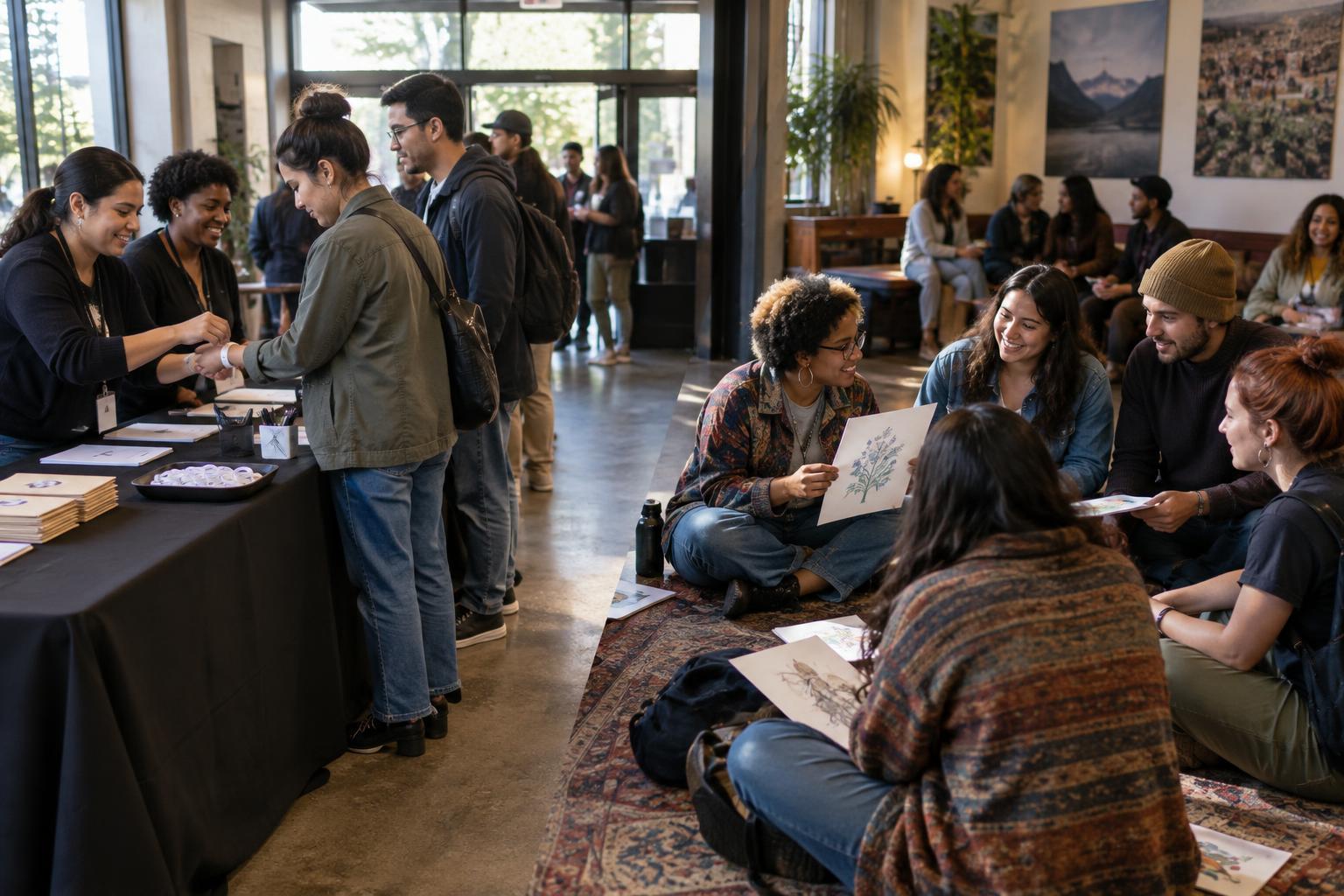
Fan CommunitiesAn official fan club and an independent fan space can both make following an artist or production more enjoyable, but they serve different purposes. Here is what members can expect from each, from access and moderation to privacy and belonging.
Read article · 4 min↗

Fan CommunitiesOnline fan communities can make a favorite film, artist, show or performance feel richer. Here’s how to find a welcoming space, learn its customs and take part without feeling you have to know everything.
Read article · 4 min↗
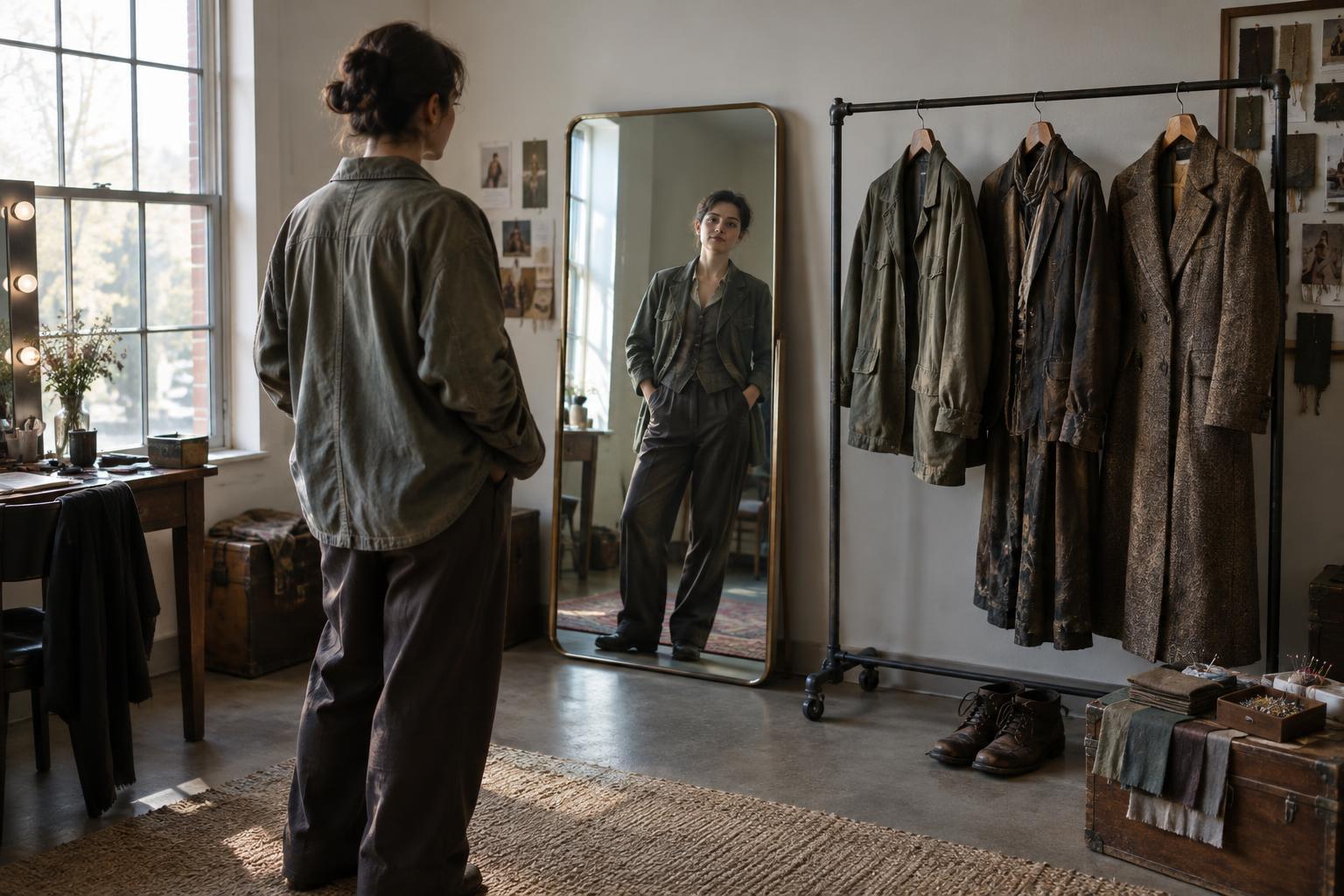
Costume and StyleA character’s wardrobe can chart a story without announcing its meaning. Changes in fit, color, wear and repetition offer clues to shifting priorities, relationships and confidence—especially when costume choices work alongside performance.
Read article · 4 min↗

Costume and StyleA performance costume has to look right under lights, survive movement and be ready for the next cue. Here is how costume teams approach cleaning, repairs and storage when a garment is too delicate for routine laundry.
Read article · 4 min↗
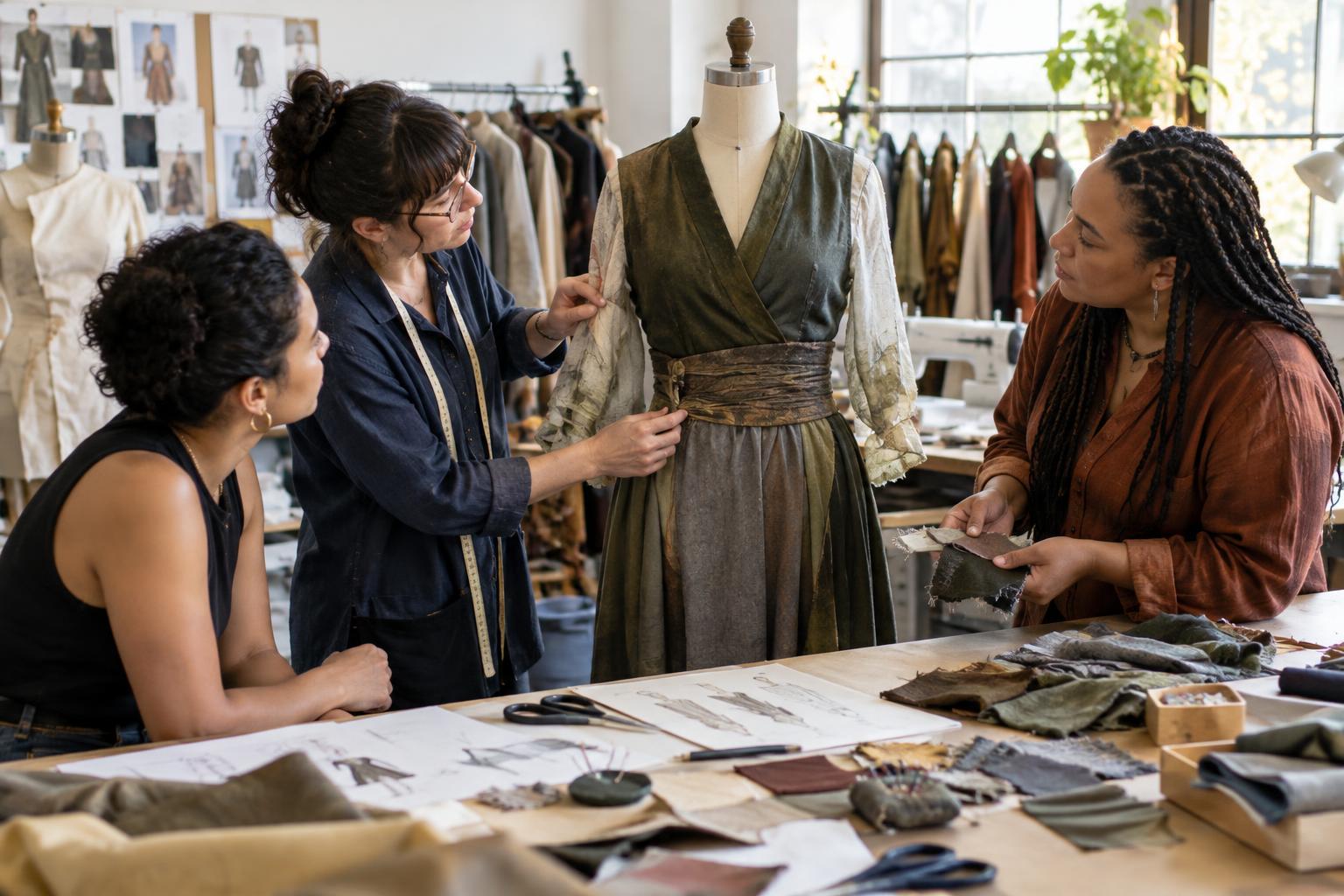
Costume and StyleCostumes can tell an audience where a character comes from before they speak. When a design draws on a living culture, consultation can help a production move beyond attractive references toward choices that serve the story and respect the people represented.
Read article · 4 min↗

Costume and StyleA ring, a worn bag or a carefully chosen pair of gloves can suggest a character’s habits and priorities before they speak. The most effective accessories support the costume, the performance and the story without competing for attention.
Read article · 4 min↗
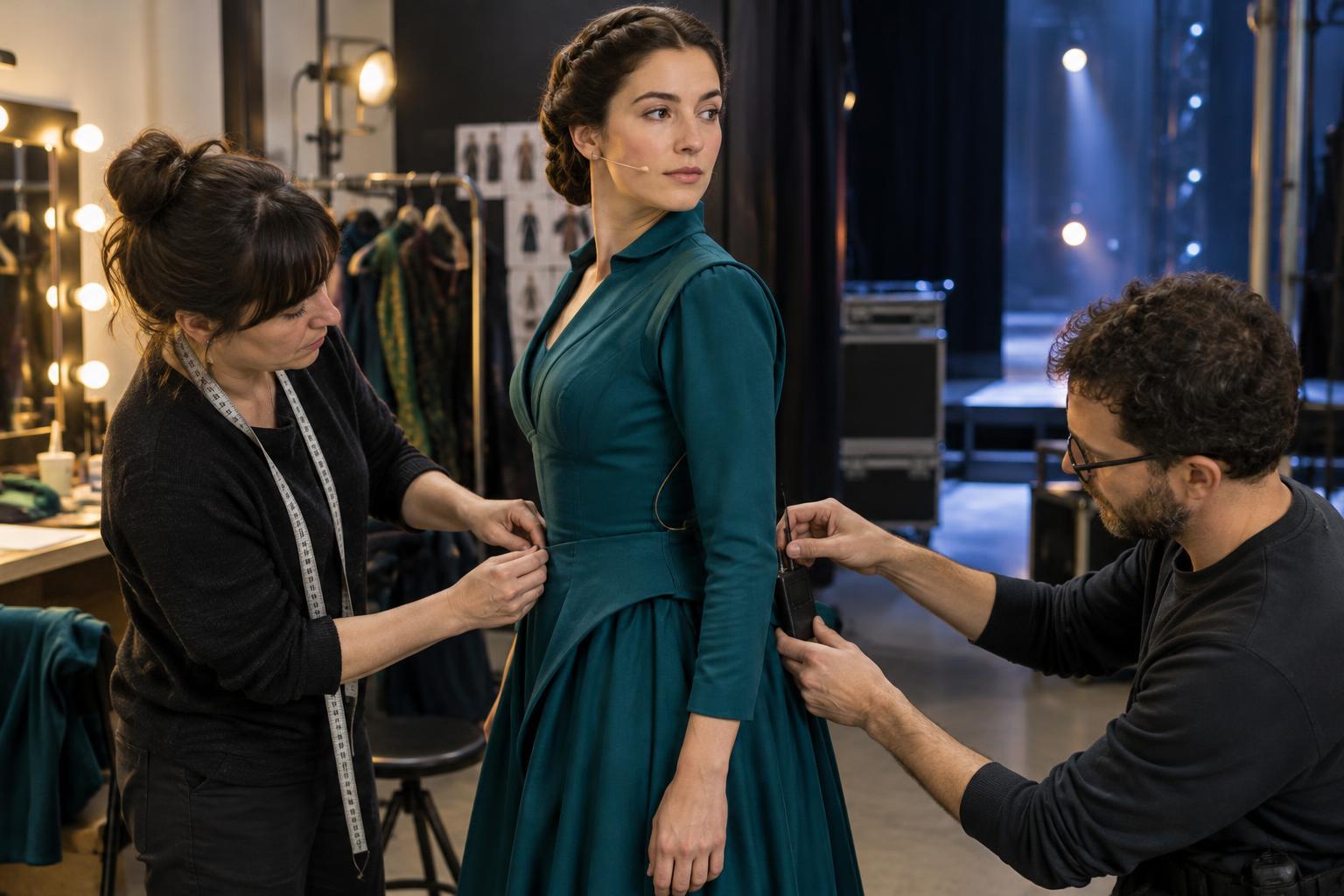
Costume and StyleA performance outfit has to work in motion, under lights and alongside sound equipment. Thoughtful planning for microphone placement, bodypack access and quick changes helps costume and audio teams protect both the look and the performance.
Read article · 4 min↗
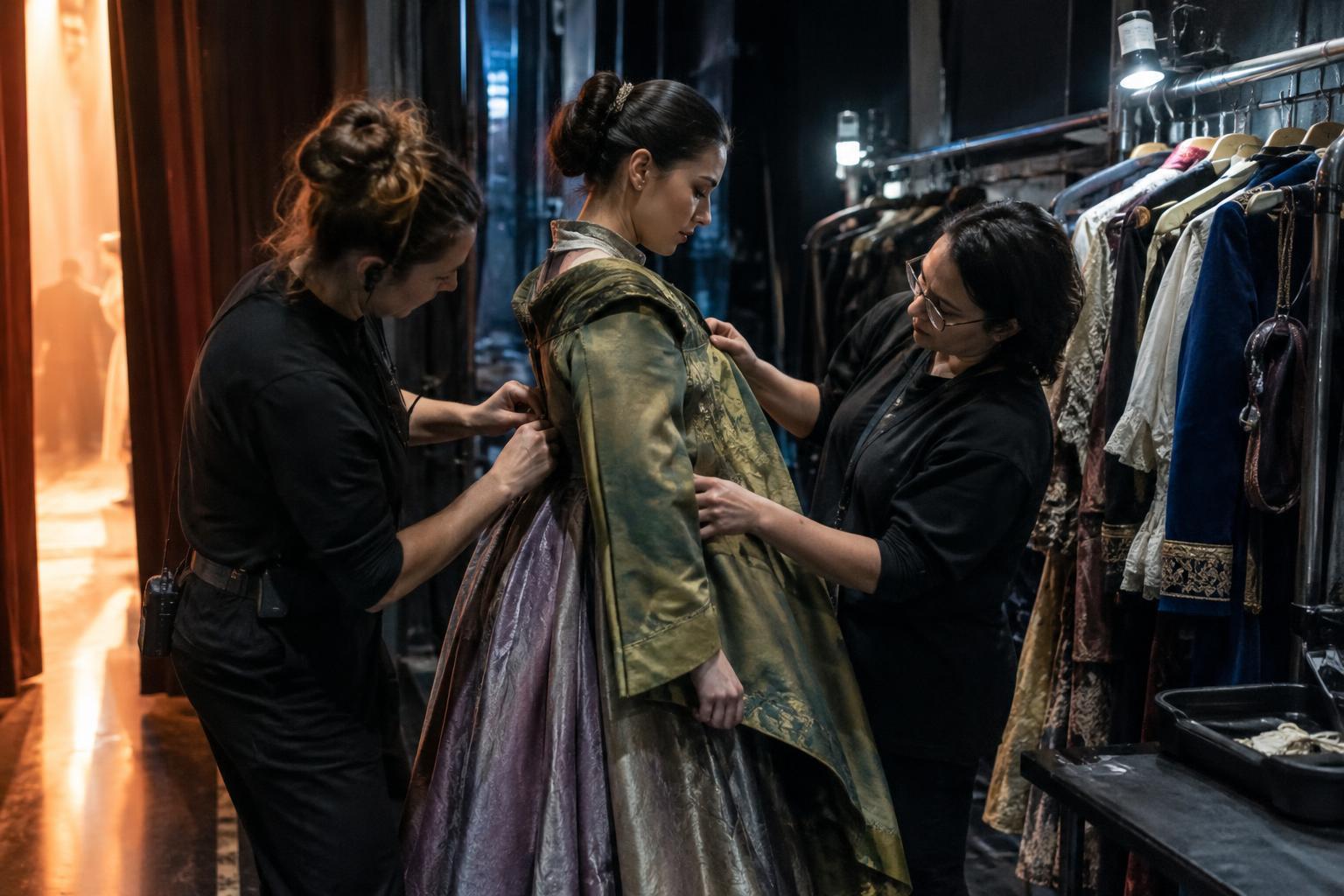
Costume and StyleA quick change succeeds when costume design, movement and backstage logistics work together. Here is how a production can plan looks that read clearly onstage and remain manageable between entrances.
Read article · 4 min↗

Costume and StyleA newly made costume can look too pristine for a character who has supposedly worn it for years. Aging and distressing help fabric tell a believable story through softened edges, faded color and carefully placed wear.
Read article · 4 min↗
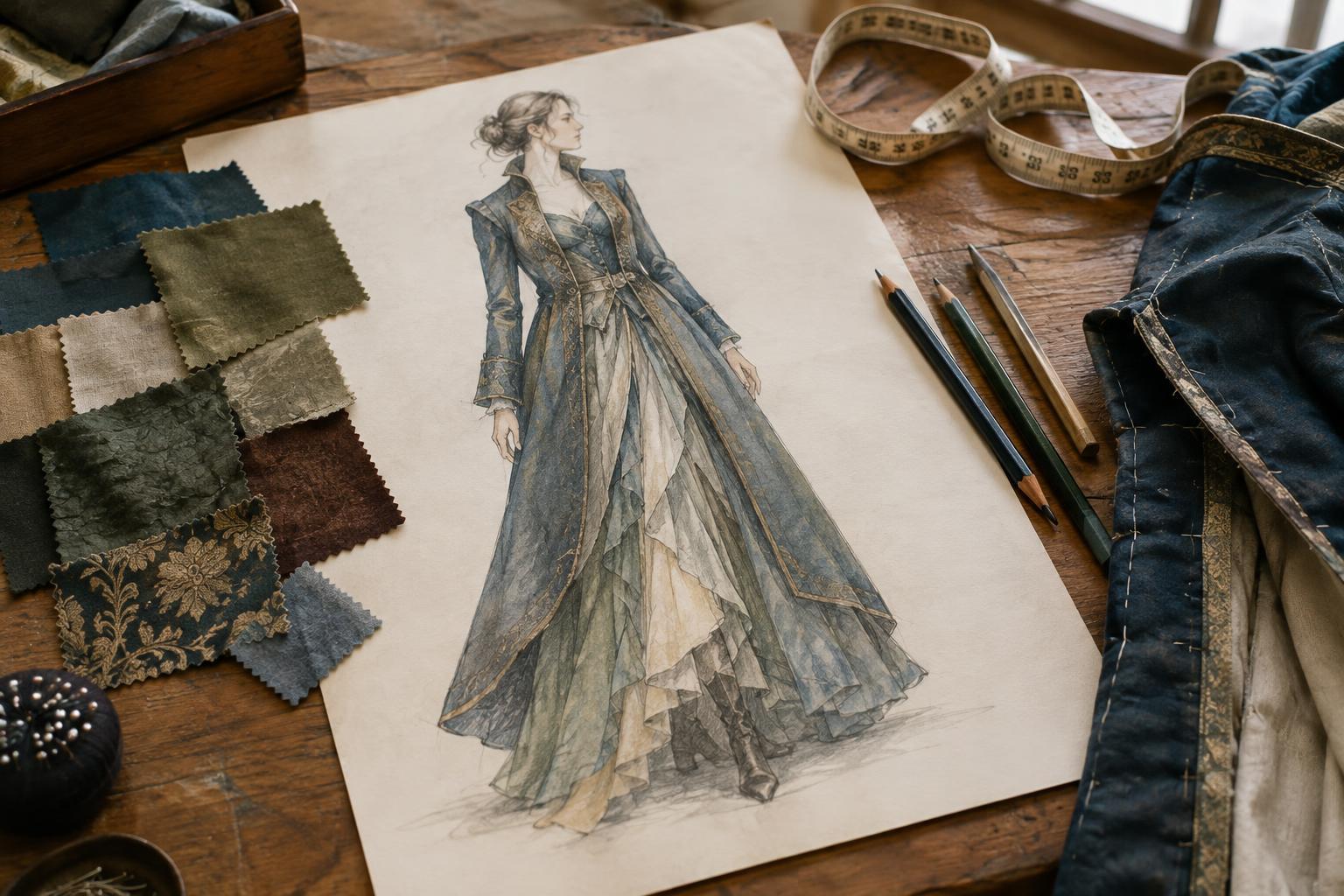
Costume and StyleA costume sketch is more than a drawing of an outfit. Learn how to read its silhouette, color, fabric notes and practical details—and how to tell a design idea from a final decision.
Read article · 4 min↗
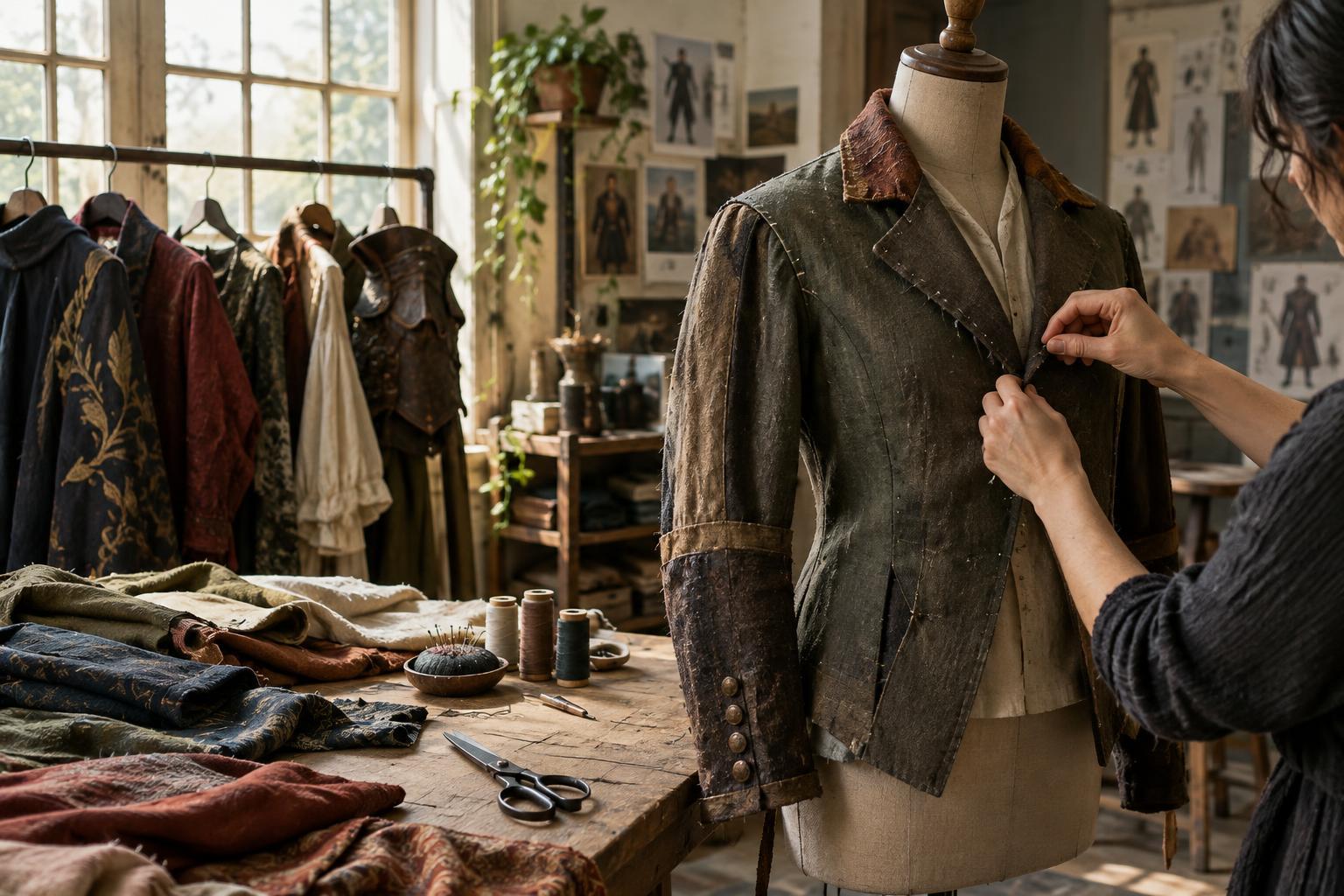
Costume and StyleA costume budget affects what a production can buy, build, alter and maintain. Yet memorable character design depends just as much on priorities, collaboration and the meaning of each garment on screen or stage.
Read article · 4 min↗
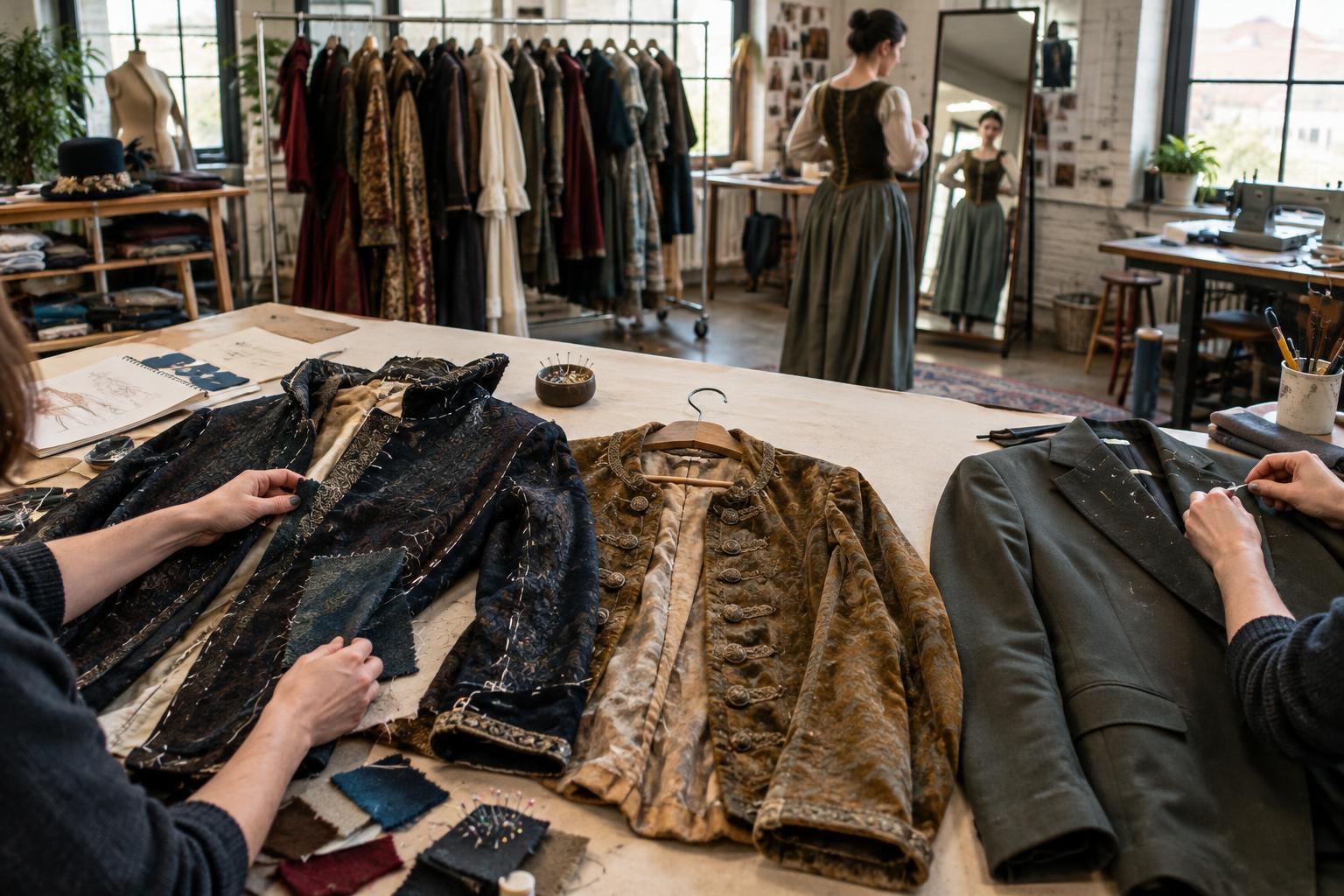
Costume and StyleA costume can be made from scratch, rented from a collection or bought and altered. The best choice depends on what the audience needs to see, how the performer needs to move and what the production can maintain throughout its run.
Read article · 4 min↗
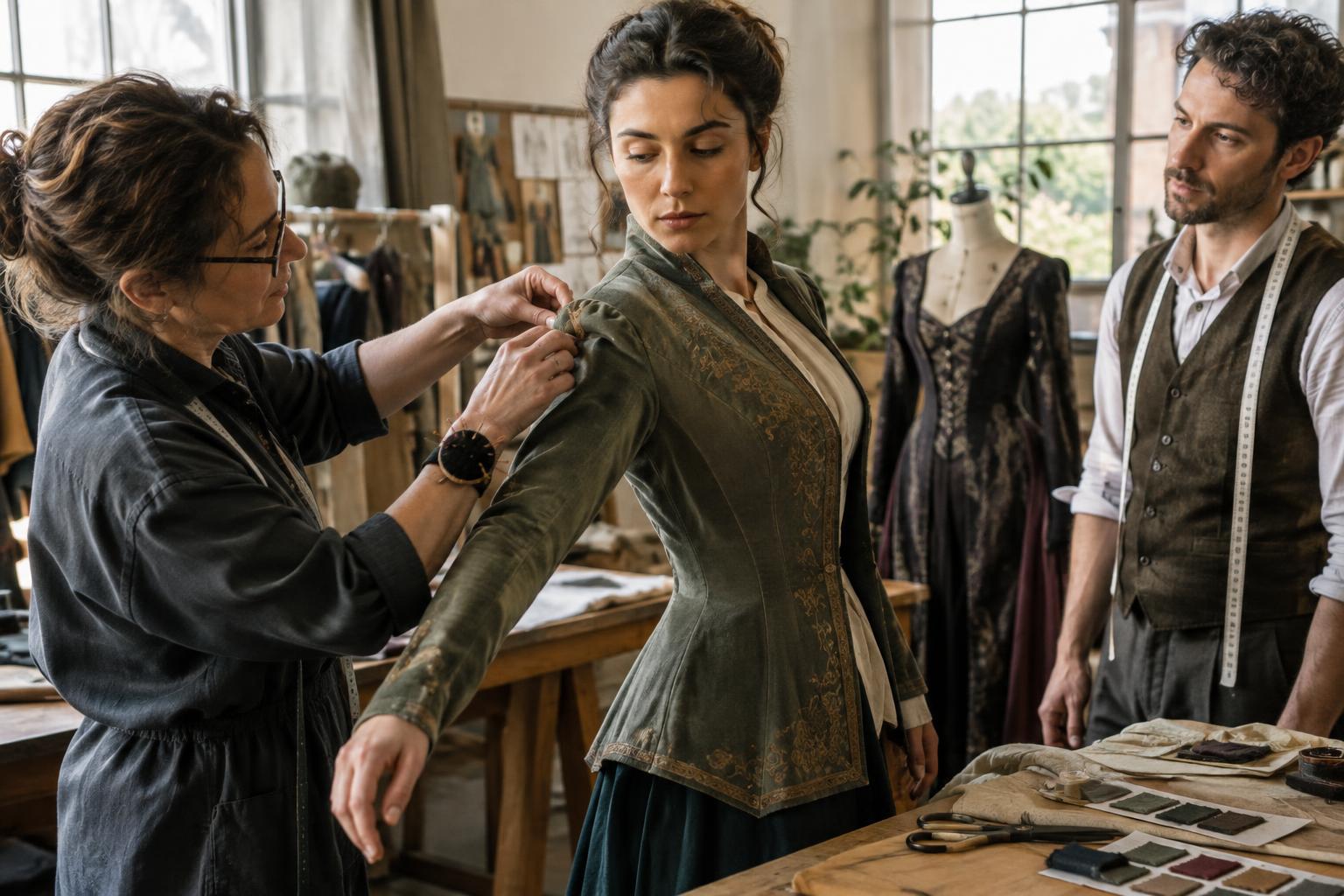
Costume and StyleA costume has to tell an audience who a character is, but it also has to let a performer move, breathe and work. Here’s how costume teams make room for both visual storytelling and the practical demands of a performance.
Read article · 4 min↗
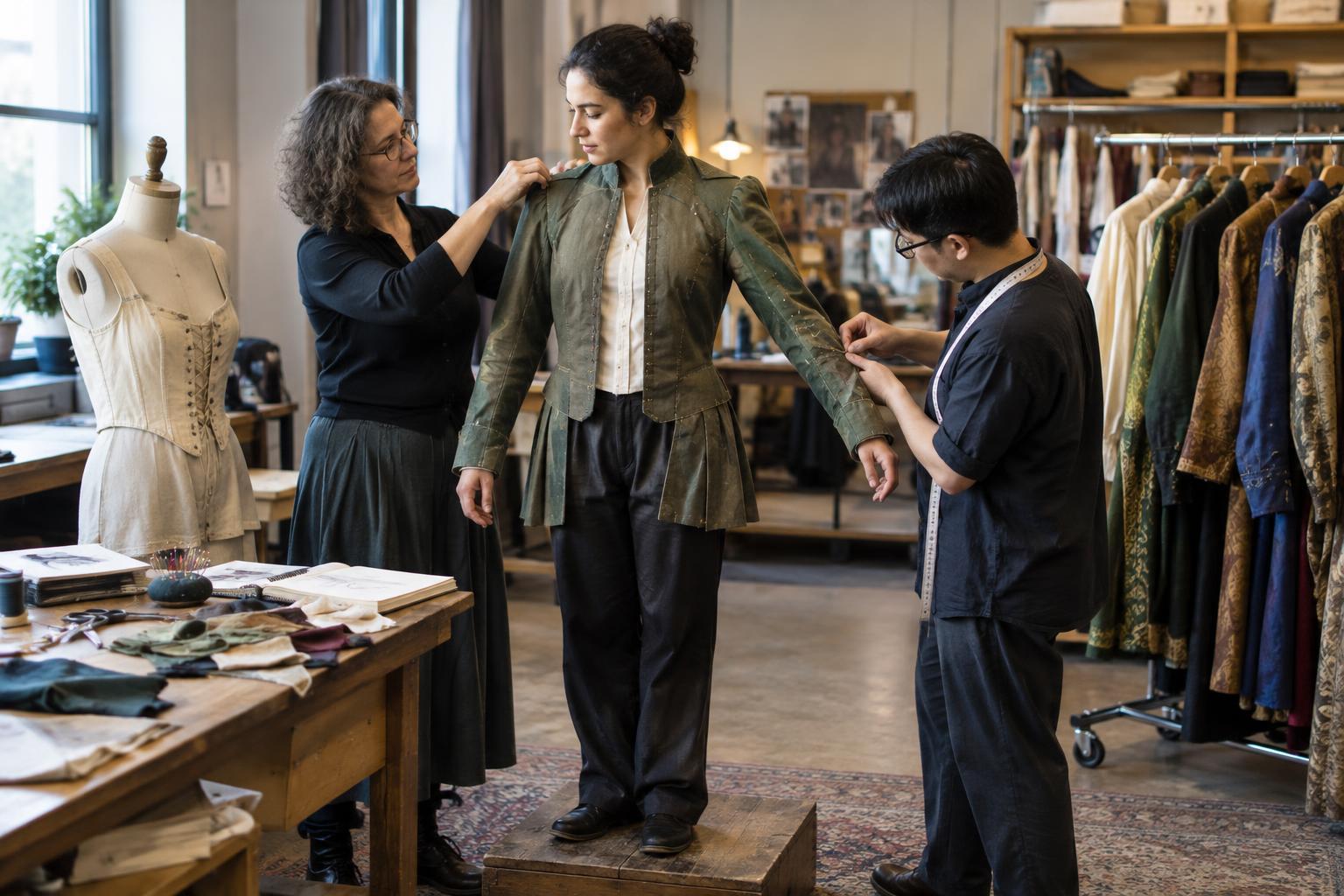
Costume and StyleA costume fitting is more than a chance to check sizes. It is where a design meets the performer, the character and the demands of a production. Here is how fittings typically work, from the first try-on to movement tests and final adjustments.
Read article · 4 min↗
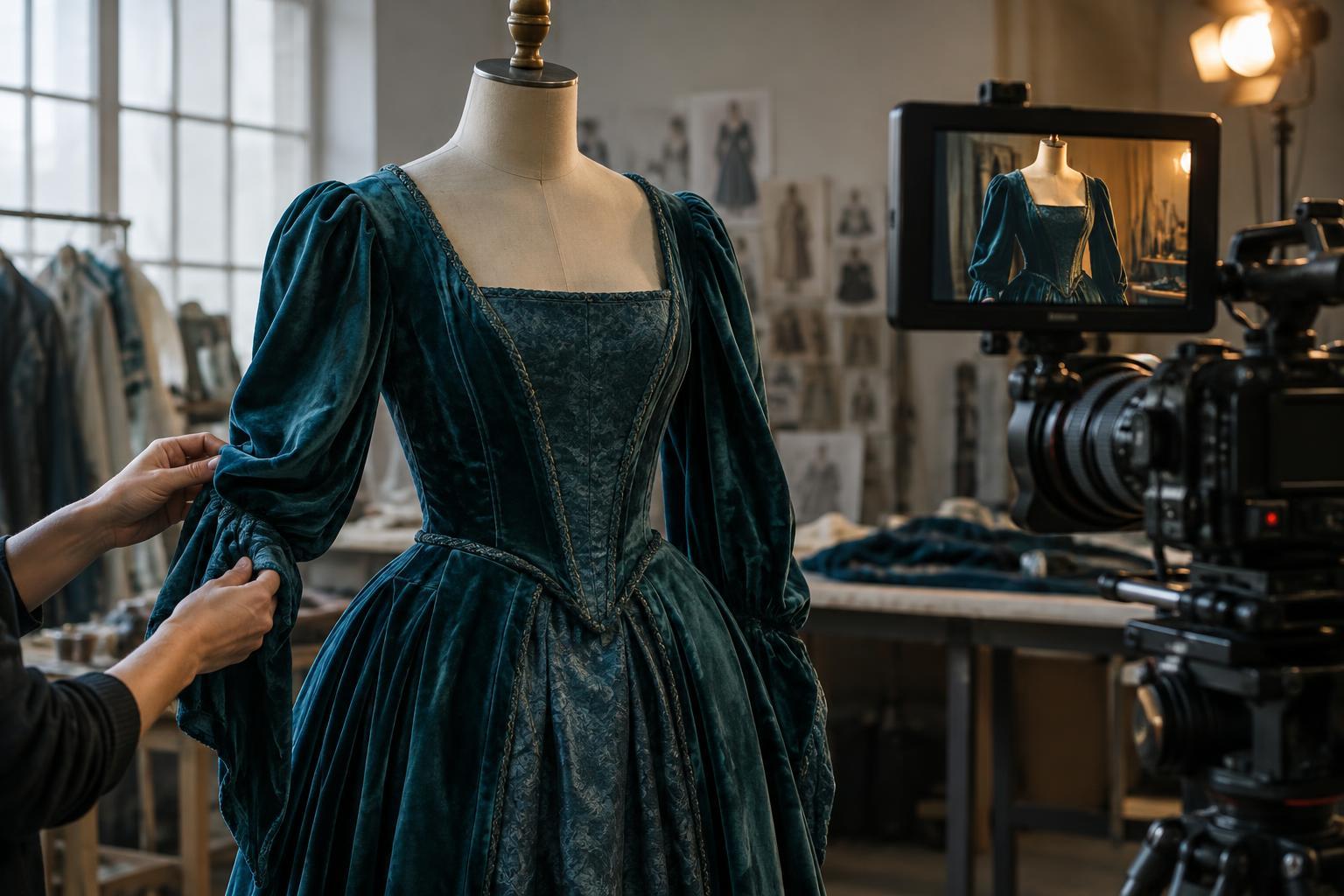
Costume and StyleA costume can look soft, rough, glossy or flat depending on how it is lit and filmed. Understanding the gap between fabric in person and fabric on screen reveals how costume teams shape a character’s appearance.
Read article · 4 min↗
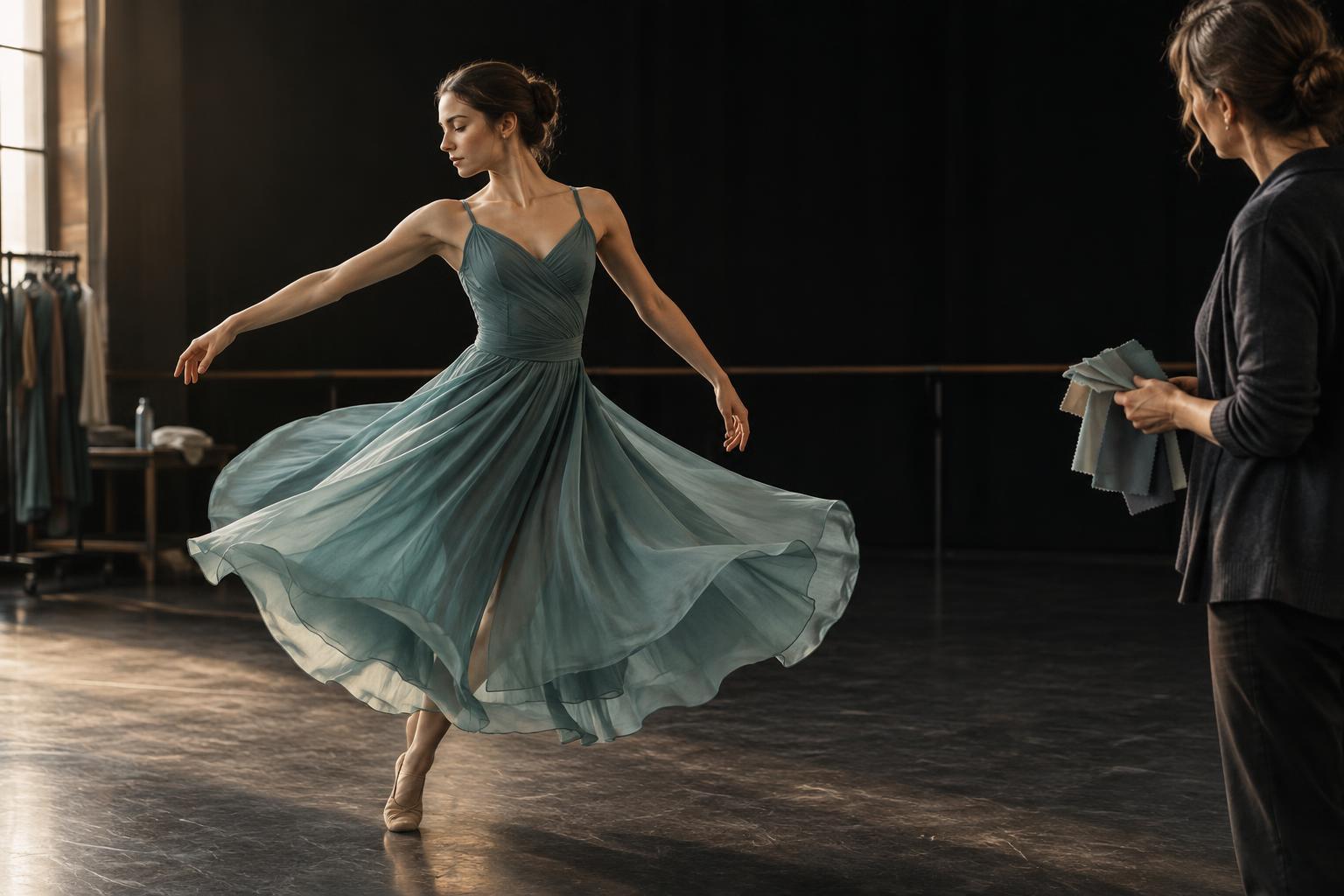
Costume and StyleA stage costume has to do more than look striking while the performer stands still. Learn how stretch, drape, weight, surface and construction affect a fabric in motion, and how to test your choices before a full rehearsal.
Read article · 4 min↗
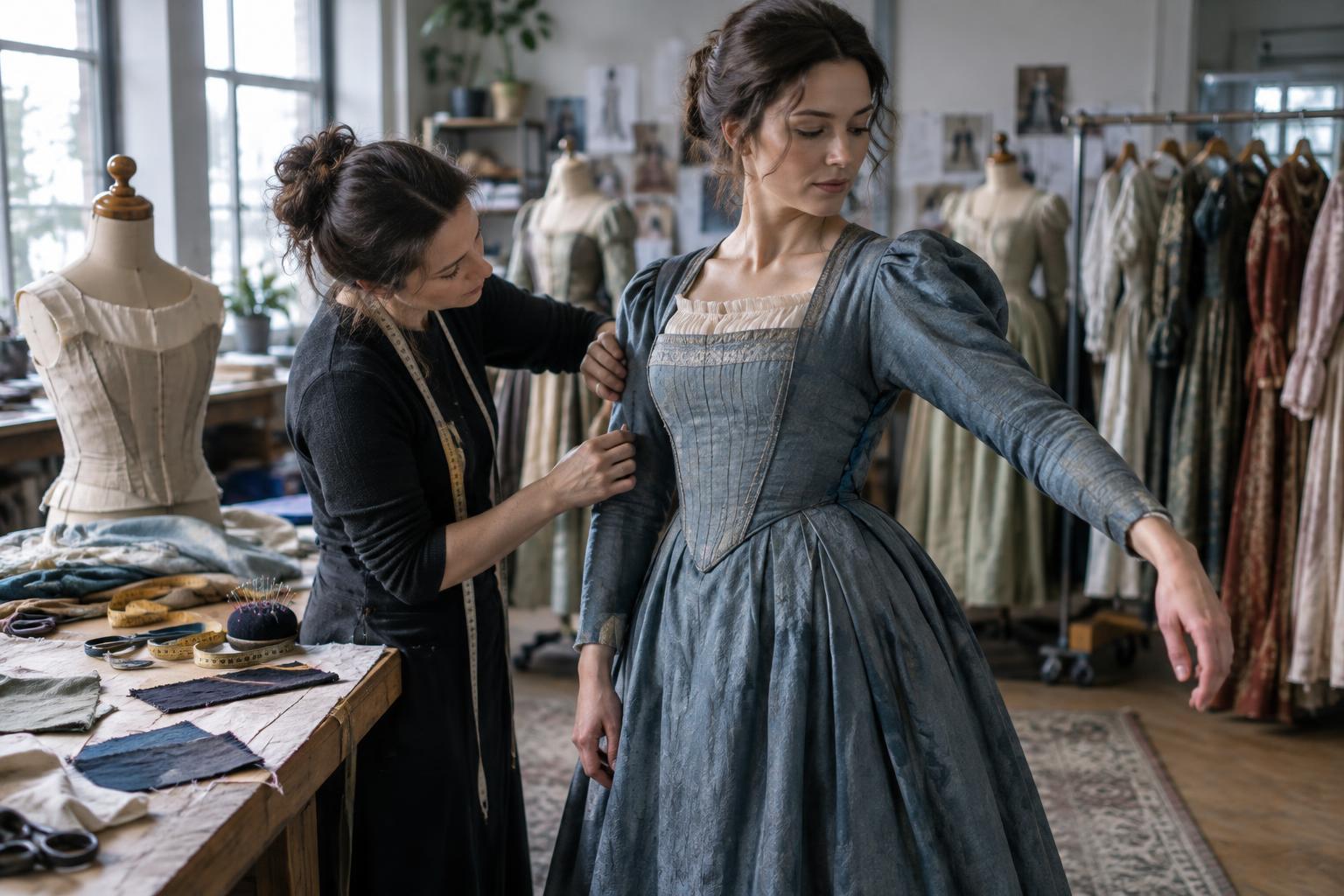
Costume and StyleA historical costume has to do more than evoke another era. It must let a performer move, breathe and repeat the same action across takes or performances. Here is how costume teams balance period detail with the practical demands of the stage and screen.
Read article · 4 min↗
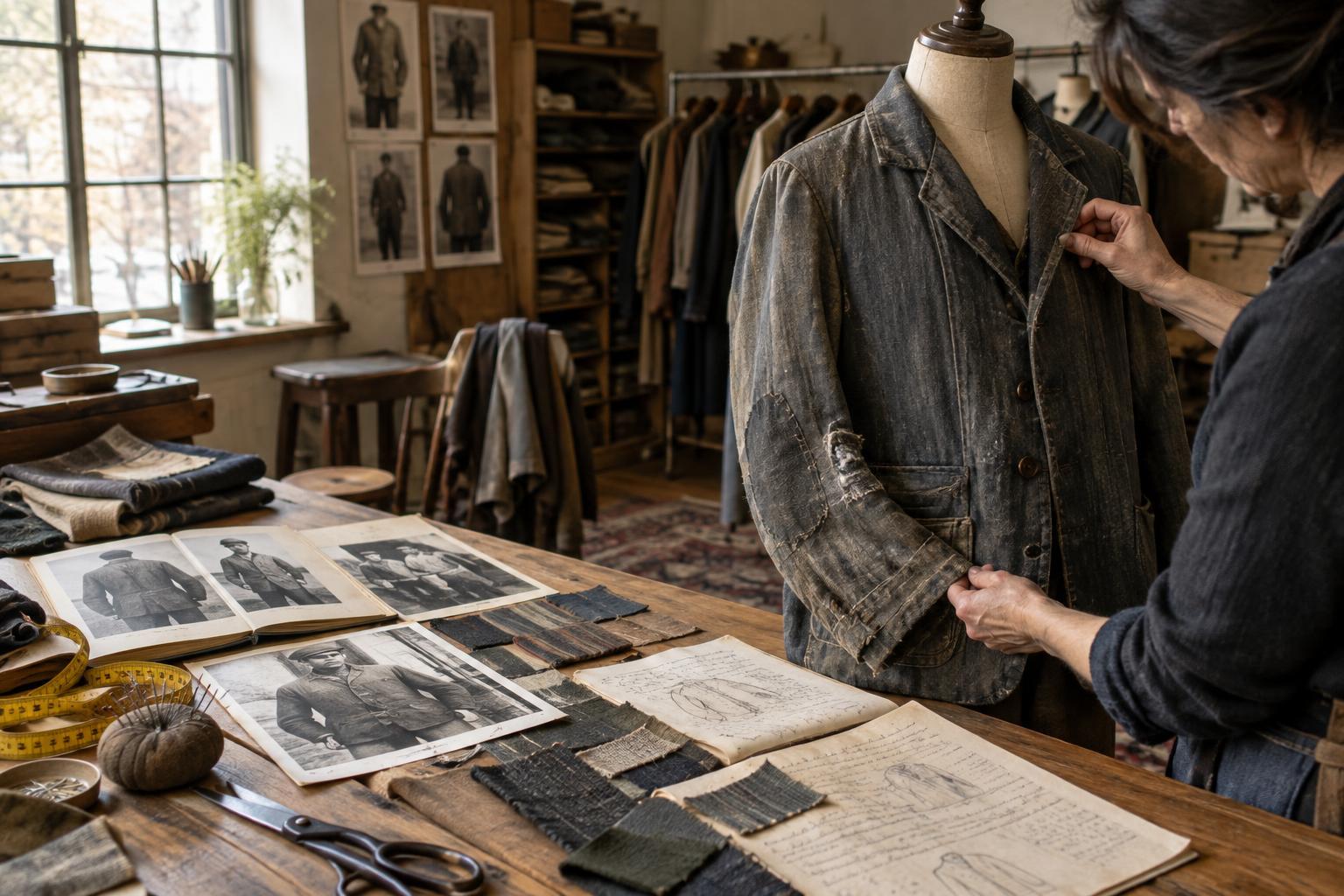
Costume and StyleA convincing period costume does more than announce a decade. It helps an audience understand a character’s work, resources, habits and place in the story. Here is a practical approach to clothing research that makes room for historical detail and dramatic expression without reducing the past to a familiar silhouette.
Read article · 4 min↗

Costume and StyleCostume color does more than make a character stand out. It can link a performer to the setting, clarify relationships and make a change in the story visible. Here is how palettes work alongside lighting, sets and movement—and what to look for when watching.
Read article · 4 min↗
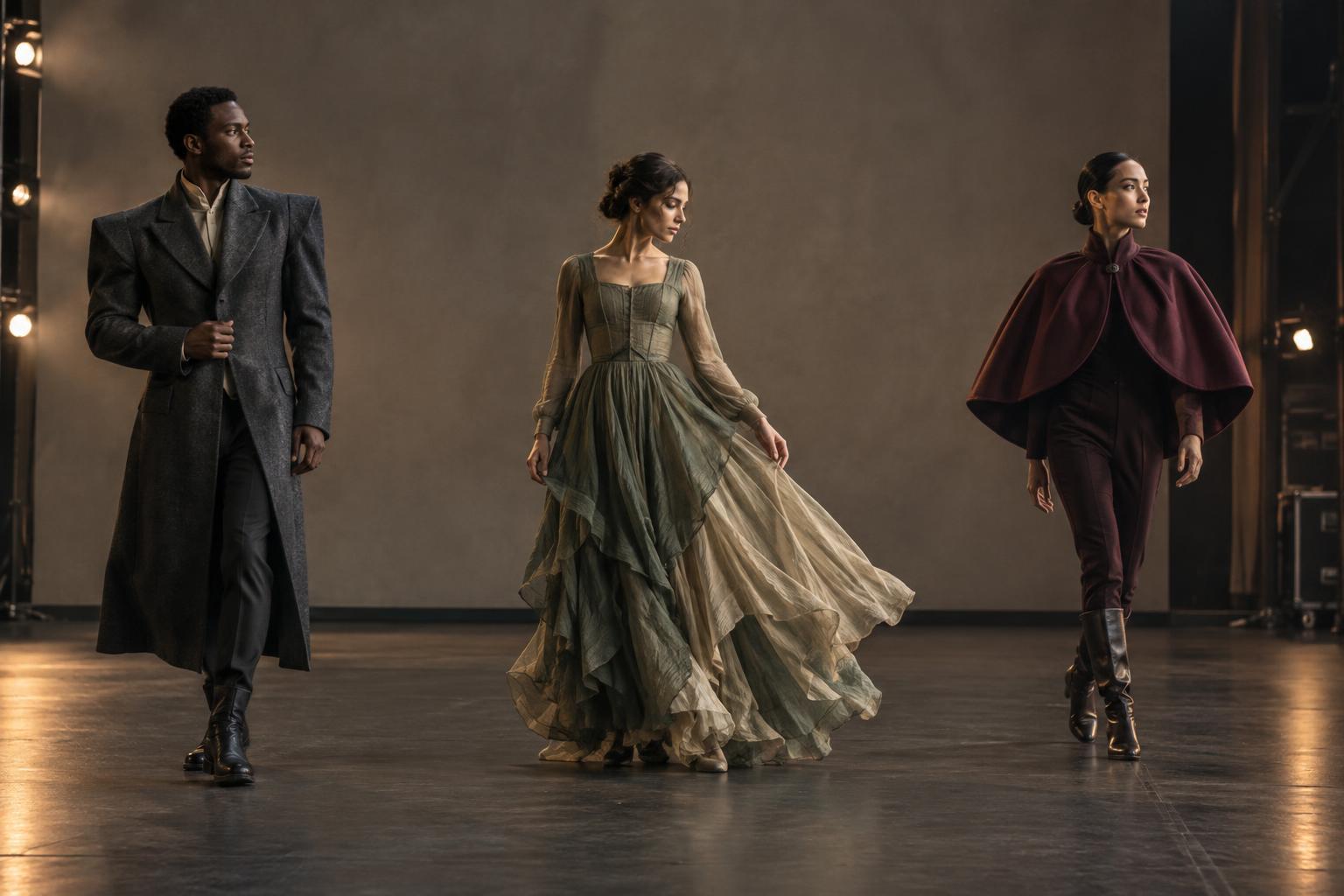
Costume and StyleBefore an audience can study a costume’s details, it sees a shape. Shoulder width, hemline, volume and movement can suggest how a character occupies space. Here is a practical way to read those choices without treating them as a fixed code.
Read article · 4 min↗
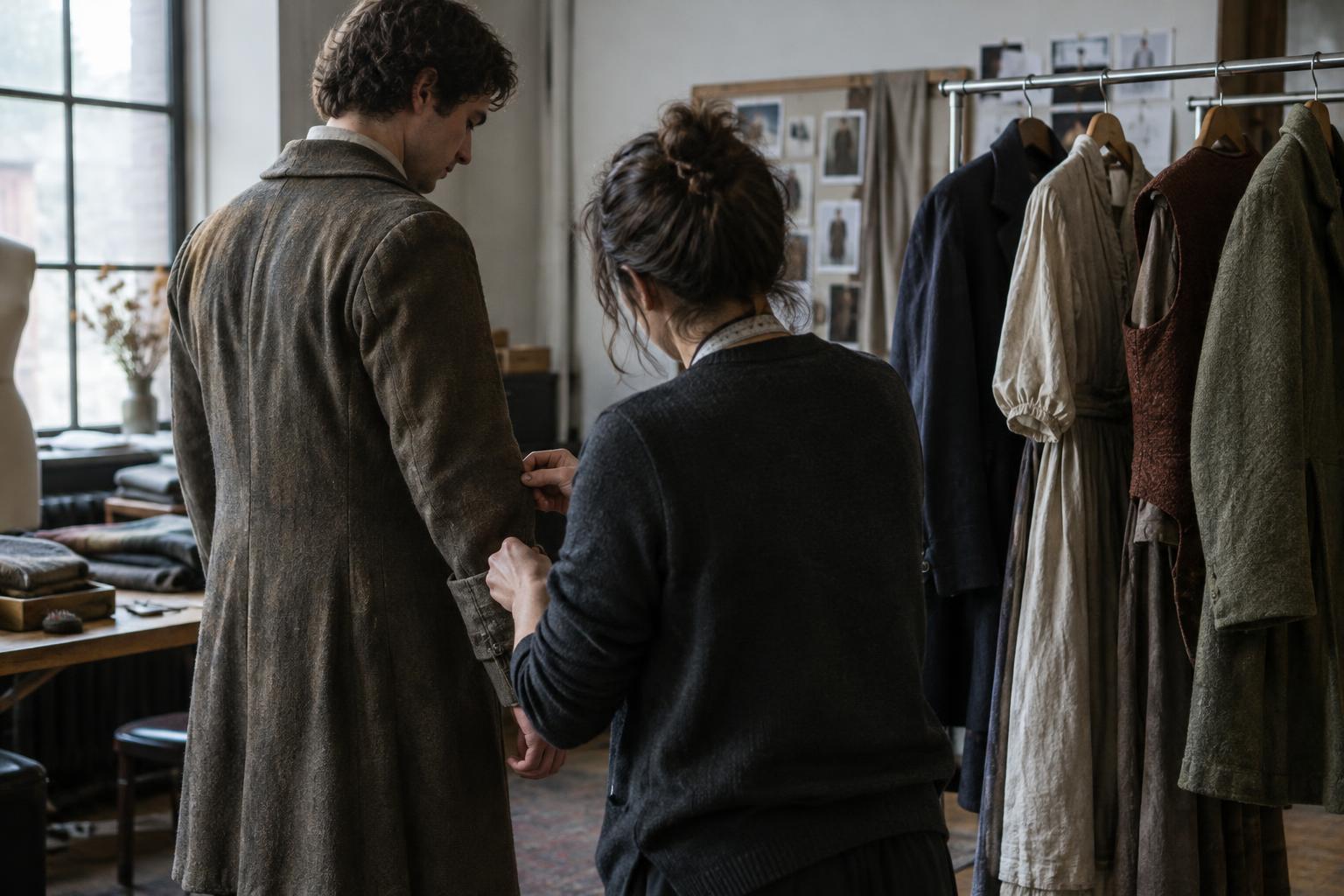
Costume and StyleA character’s clothes can suggest habits, priorities and change before a line of dialogue explains them. Here is how costume designers turn everyday choices into visual storytelling.
Read article · 4 min↗

Costume and StyleA memorable look can reveal a character, define a performance or shape a public image. Costume designers and fashion stylists both work with clothing, but their goals, collaborators and measures of success are not always the same.
Read article · 4 min↗

Behind the ScenesPicture lock is a milestone, not the moment a film simply leaves the editing room. Before an audience can see it, the team must assemble masters, check picture and sound, prepare captions and other versions, and hand over the files and information a distributor or exhibitor needs.
Read article · 4 min↗

Behind the ScenesA painting on a wall or a logo on a jacket can become part of a scene’s visual story. Here’s how productions think through permissions, alternatives and continuity when artwork and brands appear on camera.
Read article · 4 min↗
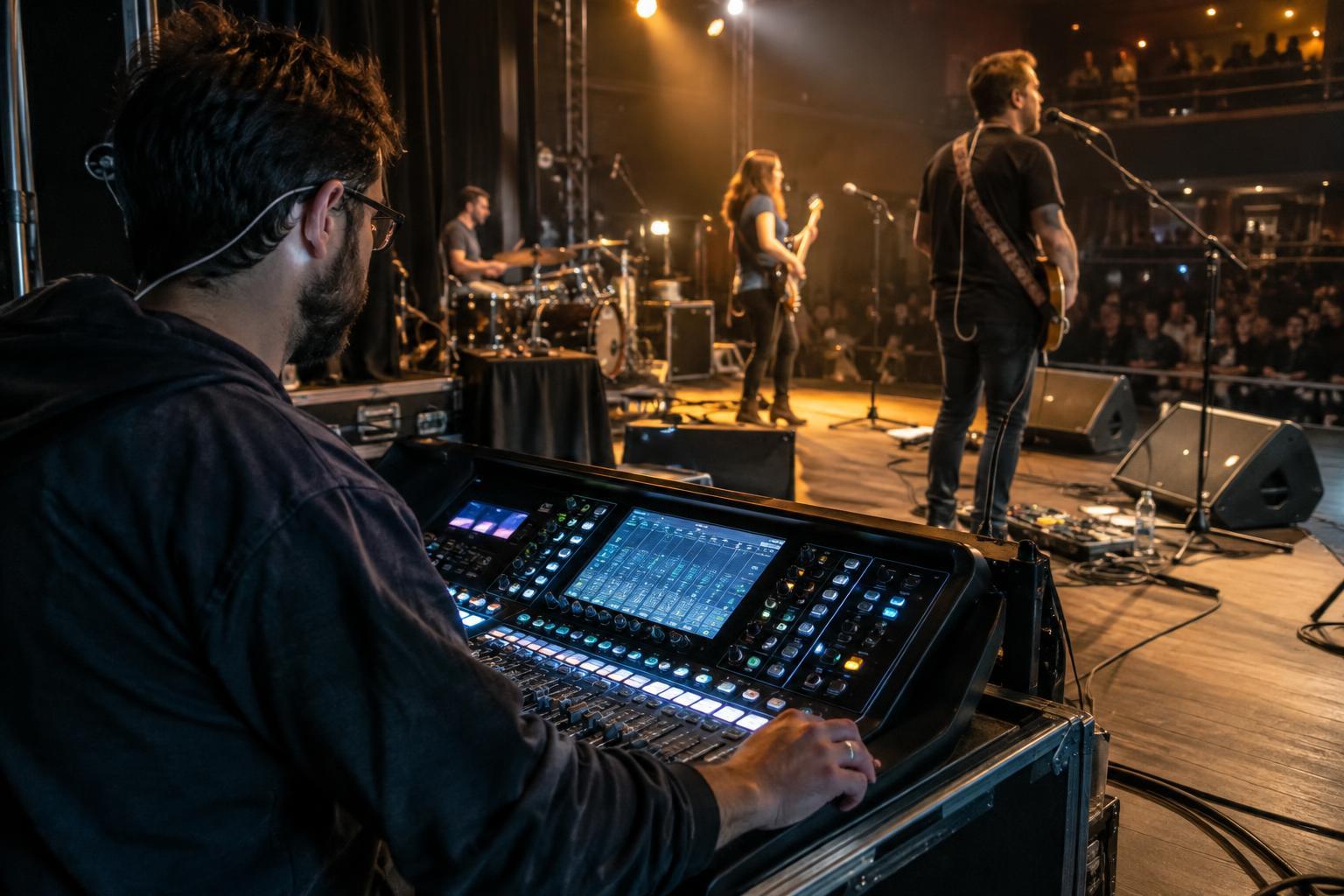
Behind the ScenesA live audience hears one mix, but performers need another. From soundcheck to the final cue, monitor engineers build and adjust the onstage mixes that help musicians stay connected to the song and to one another.
Read article · 4 min↗
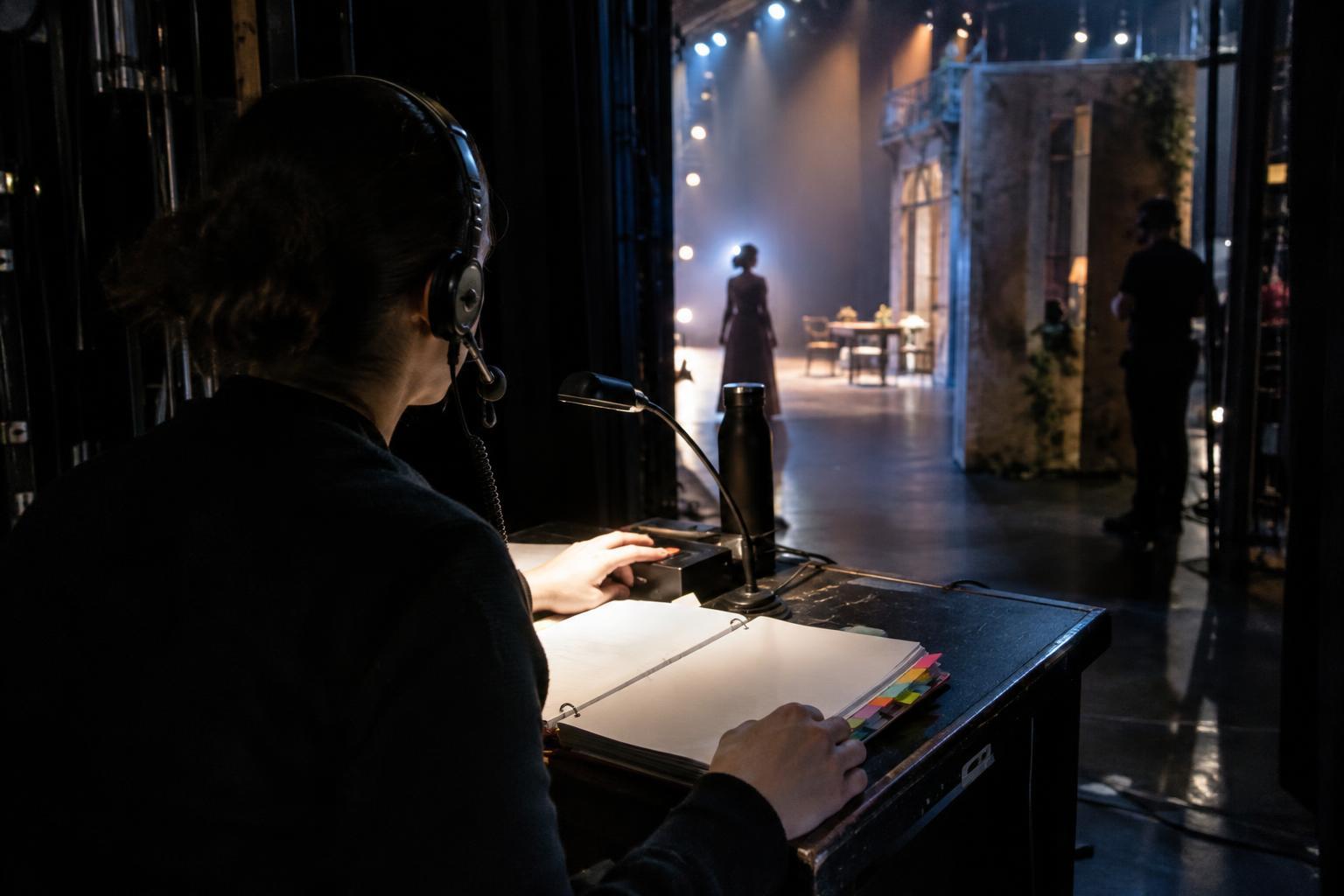
Behind the ScenesA lighting change, a sound effect and a moving set piece can appear to happen effortlessly. Behind that moment is a stage manager tracking the performance, preparing the crew and giving each cue at the right time.
Read article · 3 min↗
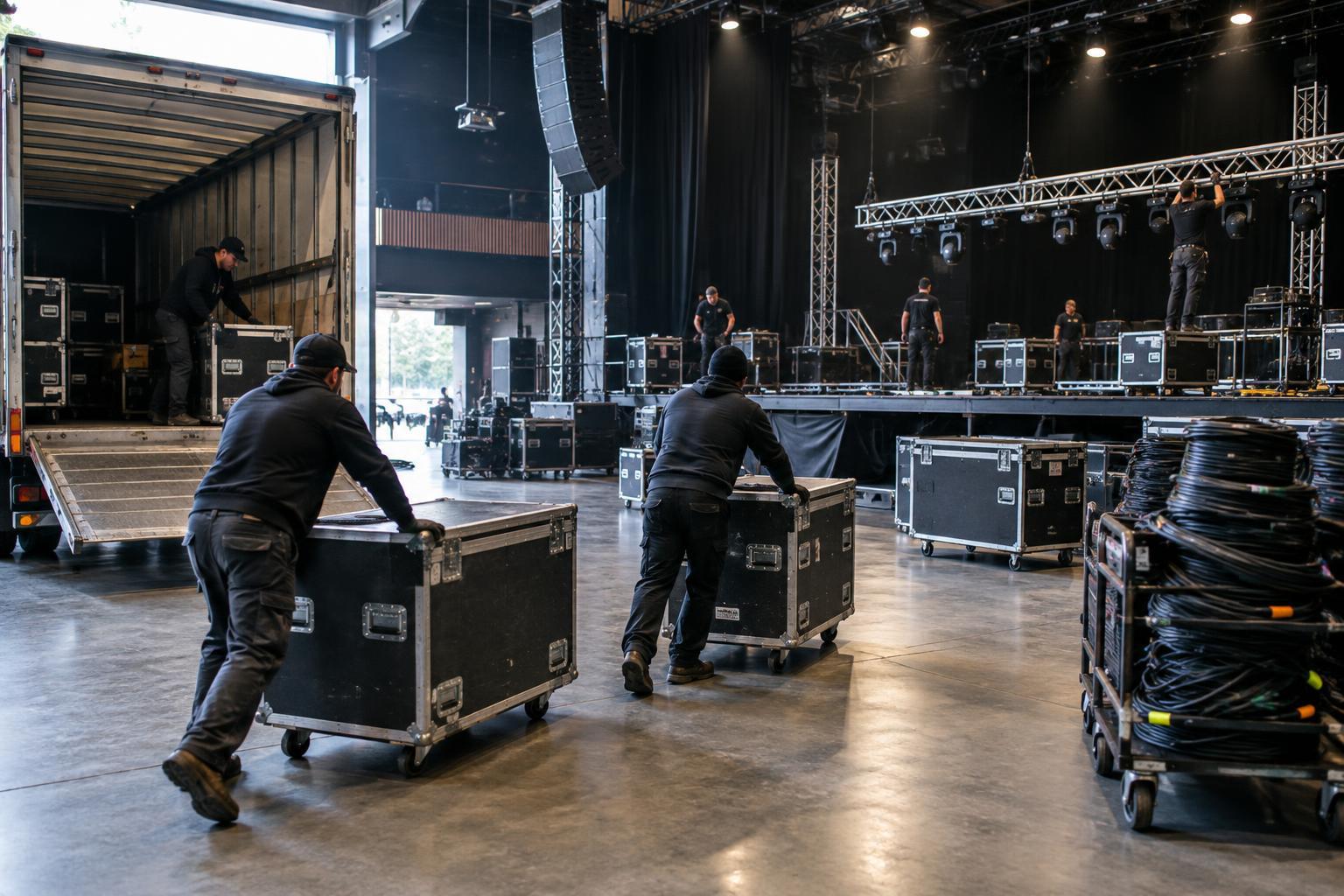
Behind the ScenesA concert may last only a few hours, but the work around it begins well before the first note and continues after the audience leaves. Here is how crews turn an empty venue into a working show, then clear it safely and efficiently.
Read article · 4 min↗

Behind the ScenesA recording session is a collaboration between performers, creative guides and technical specialists. Here is how their roles fit together, from the first take to the files that leave the studio.
Read article · 4 min↗
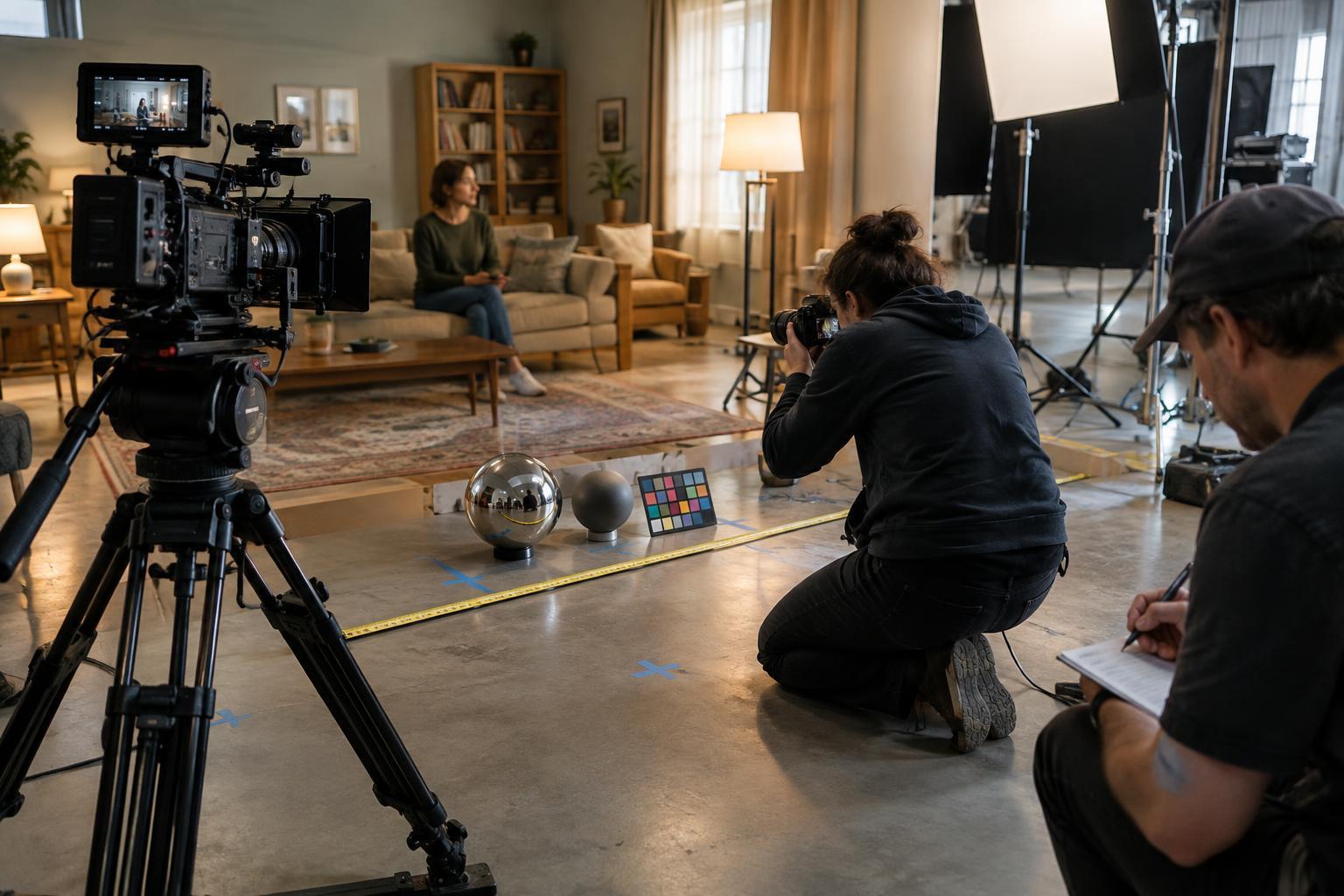
Behind the ScenesA convincing visual effect starts long before an artist opens a shot. From clean plates and camera details to lighting references and actor eyelines, the material gathered on set helps a visual effects team match the world the camera actually recorded.
Read article · 4 min↗
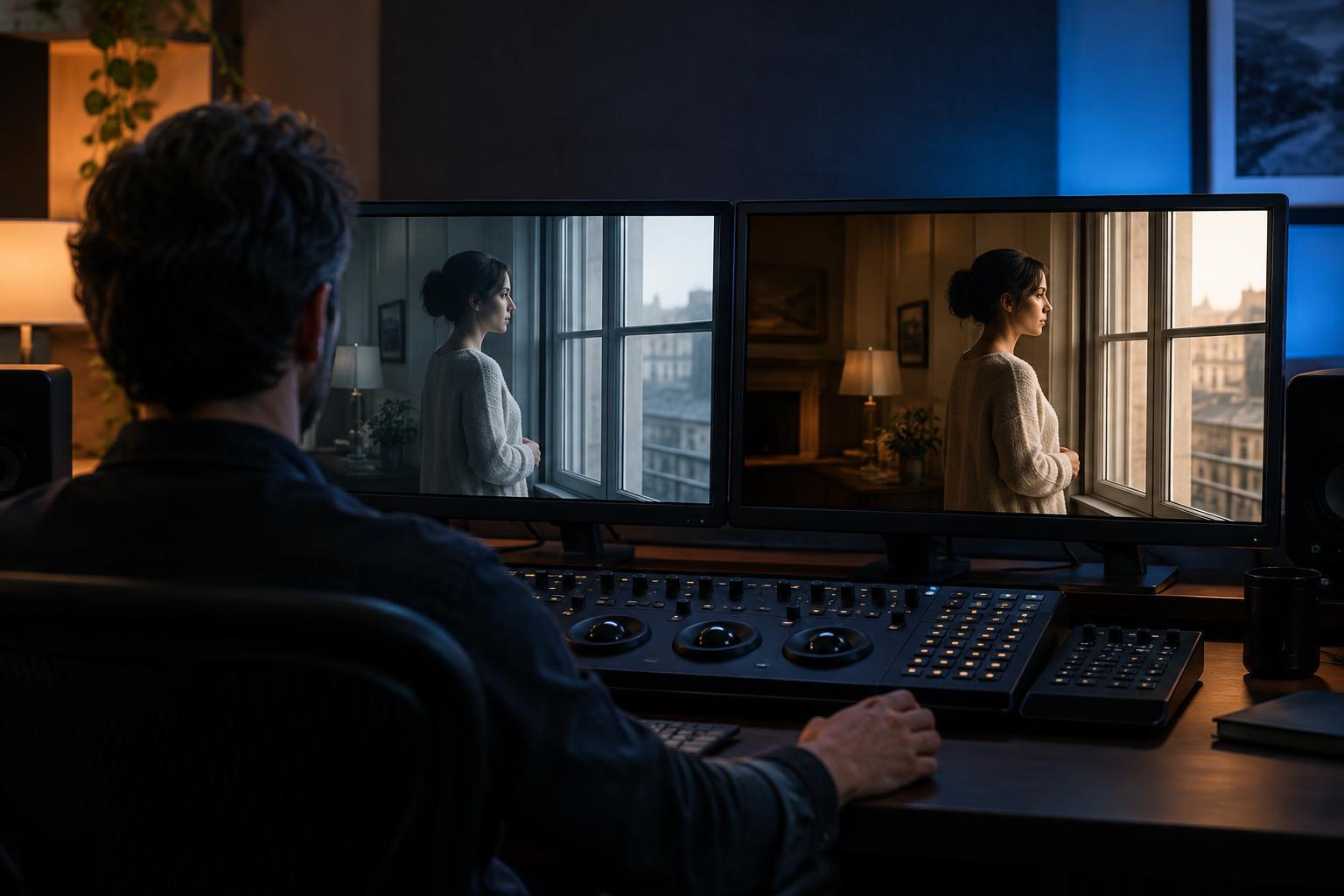
Behind the ScenesColor grading does more than give a film a recognizable palette. It helps shots feel connected, directs attention, supports the story’s atmosphere and shapes how viewers experience a scene—while working within what the camera and lighting captured.
Read article · 4 min↗

Behind the ScenesA footstep on screen may come from a shoe on a studio floor. Explore how Foley artists use timing, props and performance to give filmed movement its sound.
Read article · 4 min↗

Behind the ScenesThe journey from first assembly to picture lock is more than a process of shortening scenes. It is where filmmakers test structure, refine performances, shape rhythm and decide when the images are ready for finishing. Here is how the main stages fit together.
Read article · 4 min↗
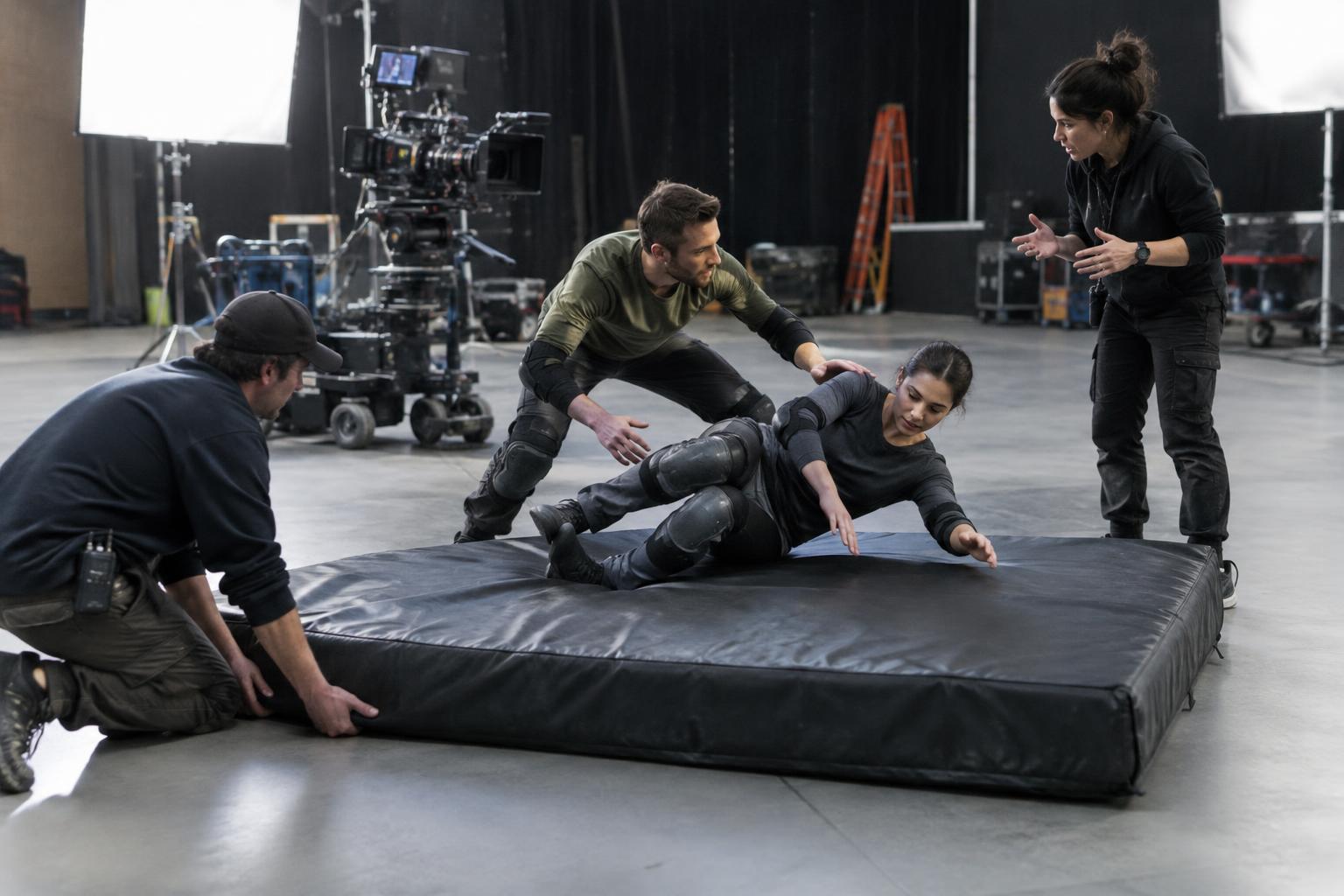
Behind the ScenesA convincing screen stunt can look sudden, but its success usually depends on deliberate preparation. Rehearsals establish timing, coordination keeps the crew working toward the same plan, and safety checks help everyone recognize problems before a camera rolls.
Read article · 4 min↗
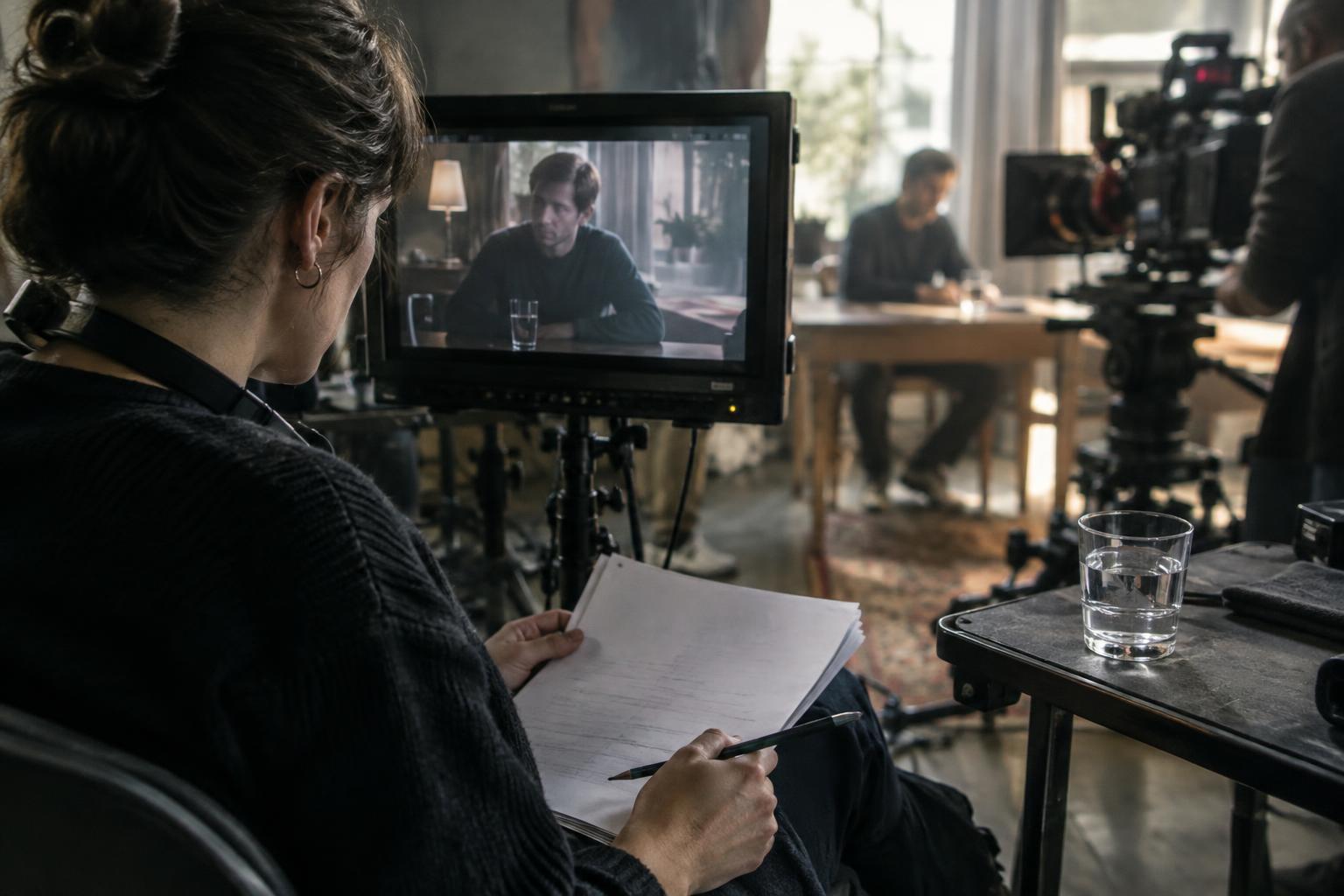
Behind the ScenesA hand moves a glass, an actor changes a line, or a scene is filmed from a new angle. Script supervisors track details like these so separate takes can be assembled into a coherent scene. Here is what they watch, record, and communicate on set.
Read article · 4 min↗

Behind the ScenesClean location dialogue rarely happens by accident. From choosing a quieter corner to placing microphones, managing costumes and recording useful backups, small decisions across the crew can make a performance easier to hear and edit.
Read article · 4 min↗

Behind the ScenesA camera may be ready to record, but that does not mean it is ready for a scene. From testing lenses and checking media to building the rig and planning the first setup, camera preparation turns creative intentions into equipment the crew can use reliably.
Read article · 4 min↗
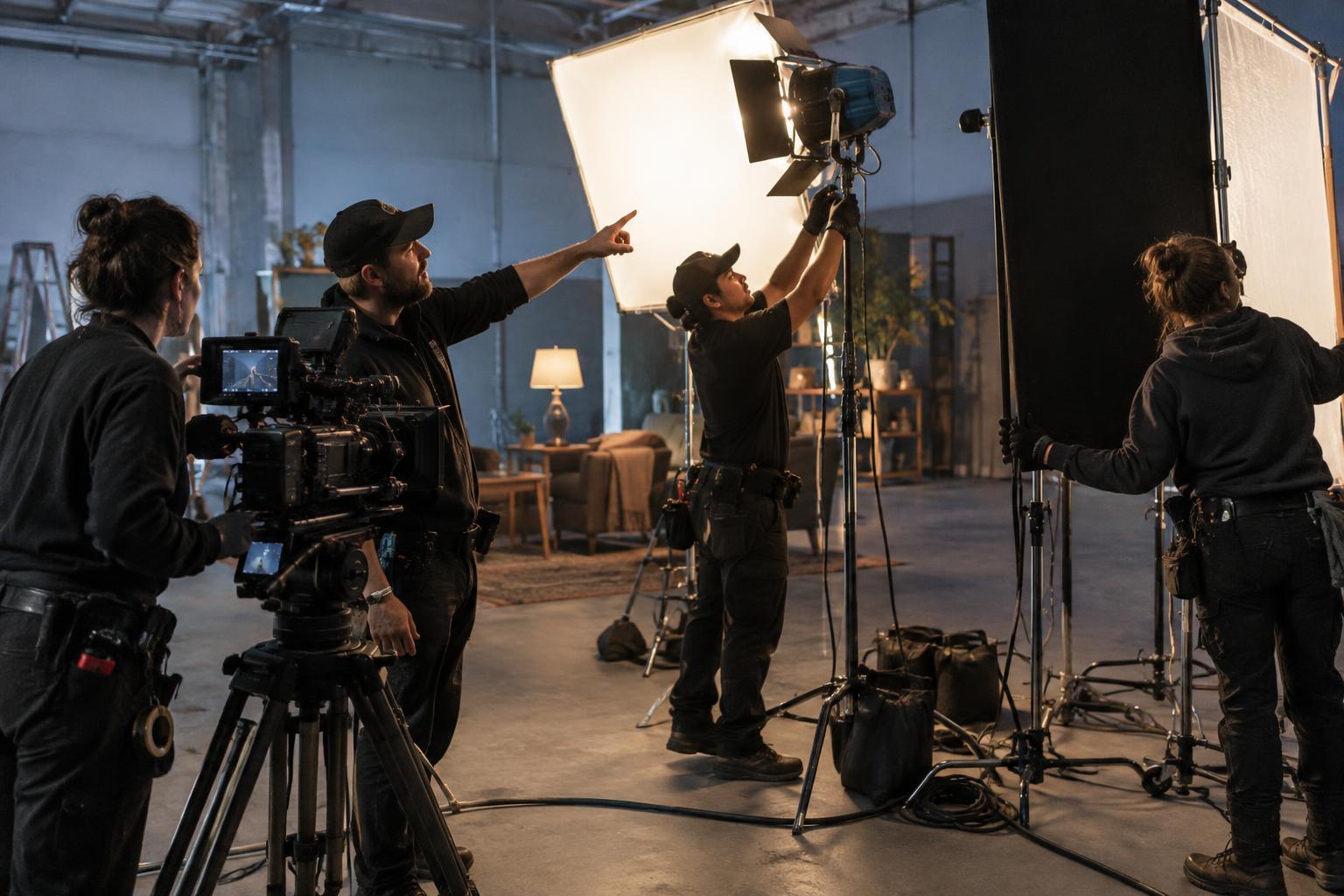
Behind the ScenesA film’s lighting may look effortless on screen, but it takes a coordinated team to create and maintain it. Here’s how the cinematographer, gaffer, electrical crew and grips work together, and why the exact division of labor varies by production.
Read article · 4 min↗

Behind the ScenesA prop may appear on screen for only a moment, but getting it there can involve sourcing, testing, labeling and careful handoffs. Here is how prop teams prepare objects for filming and help them stay consistent from take to take.
Read article · 4 min↗
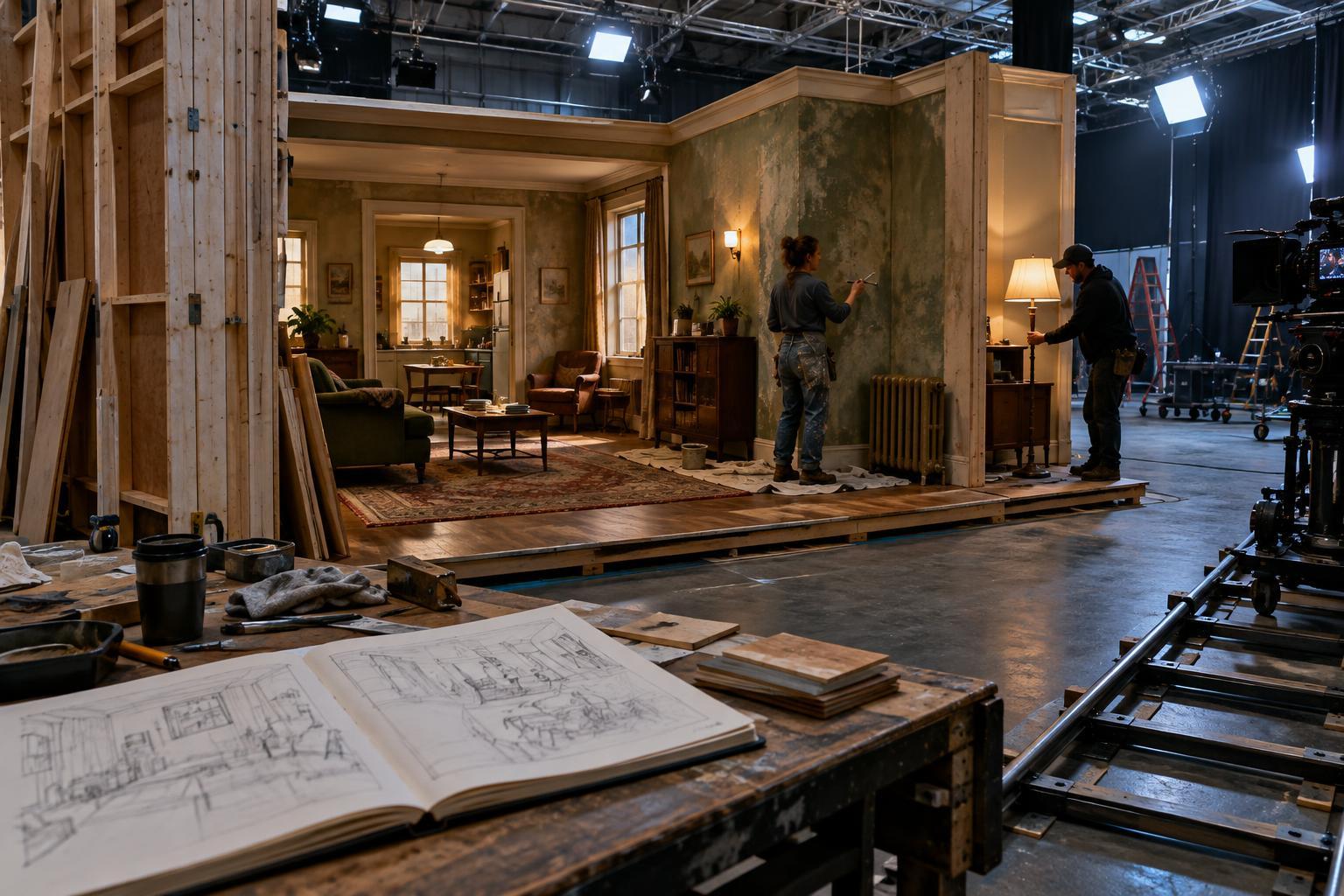
Behind the ScenesA film set begins as a storytelling idea and becomes a space that performers, cameras and crews can use. Follow the process from design drawings and construction to finishing touches and the first day of filming.
Read article · 4 min↗

Behind the ScenesA film call sheet is more than a list of times. Learn how to find your call, check the location, follow the day’s shooting plan and spot the notes that help a crew arrive prepared.
Read article · 4 min↗
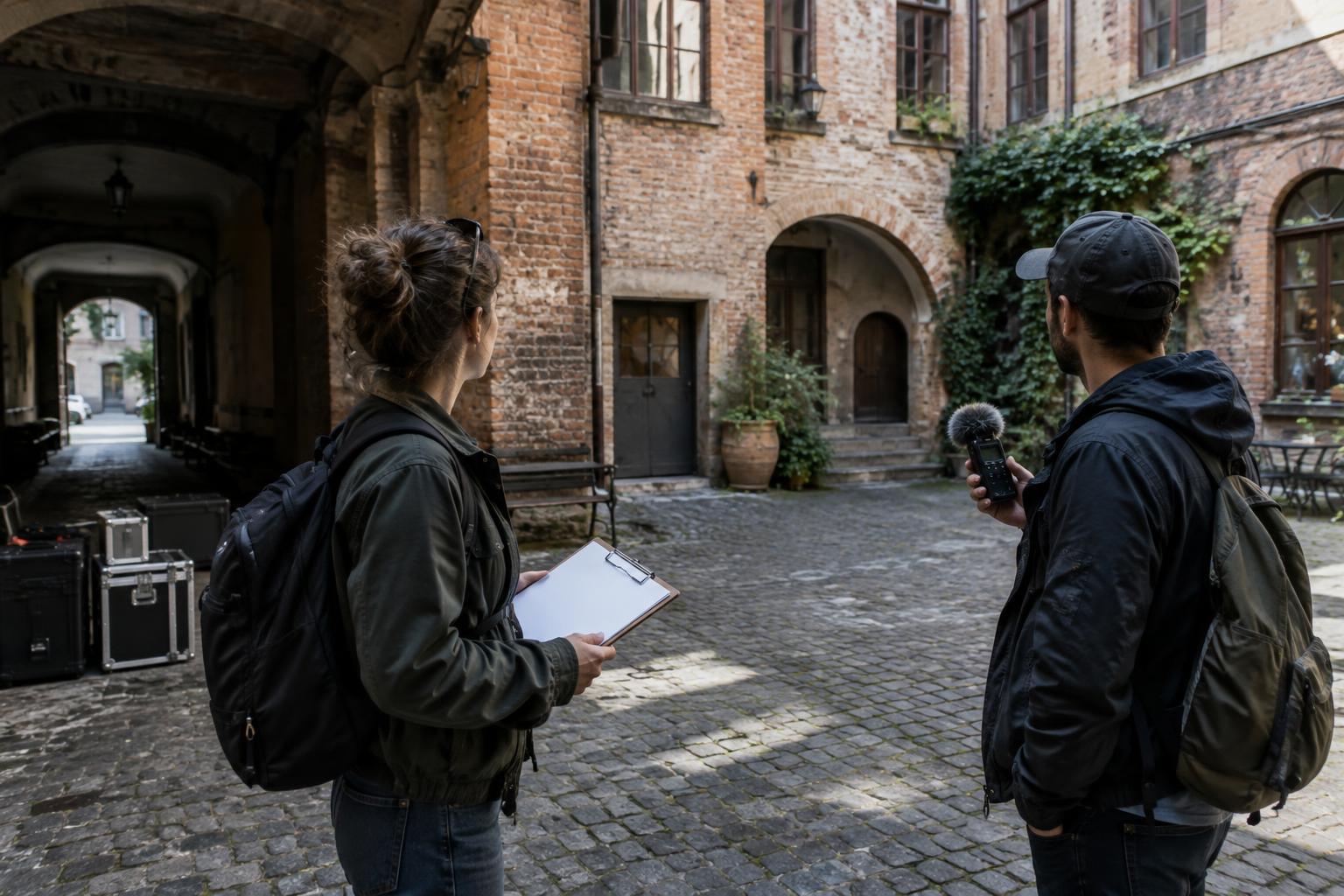
Behind the ScenesA striking setting may catch a filmmaker’s eye, but it takes more than visual appeal to make a location work on screen. From sound and access to permissions and continuity, here is how scouts assess the practical side of a memorable place.
Read article · 4 min↗
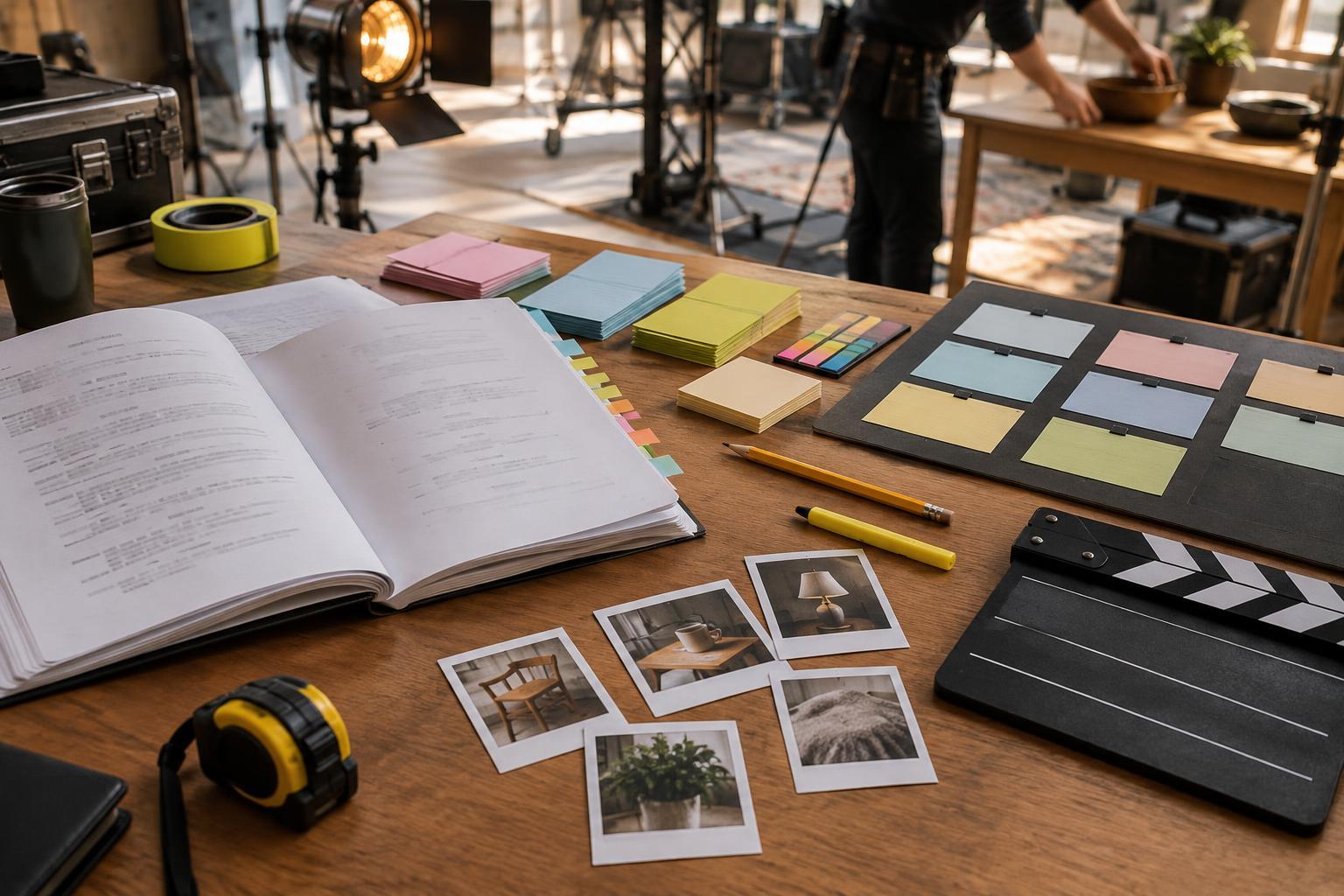
Behind the ScenesA screenplay tells a story, but a crew needs to know what each scene requires. A script breakdown identifies the people, places, objects and effects on the page so departments can prepare and a shooting schedule can take shape.
Read article · 4 min↗