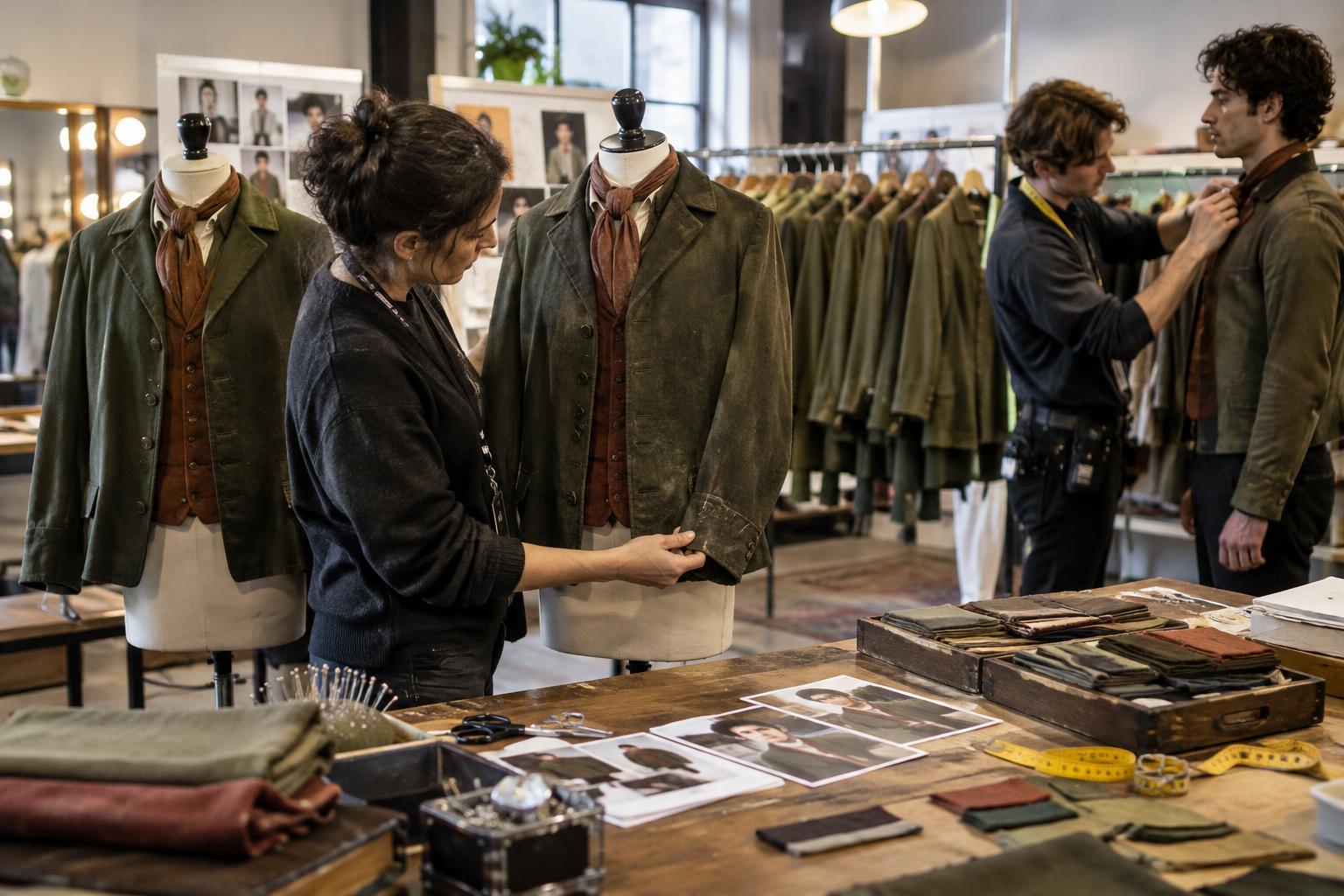
Costume and StyleA character’s clothes can tell a story across scenes filmed days or weeks apart. Here is how costume teams track garments, changes and small details so the finished story feels seamless.
Read article · 3 min↗
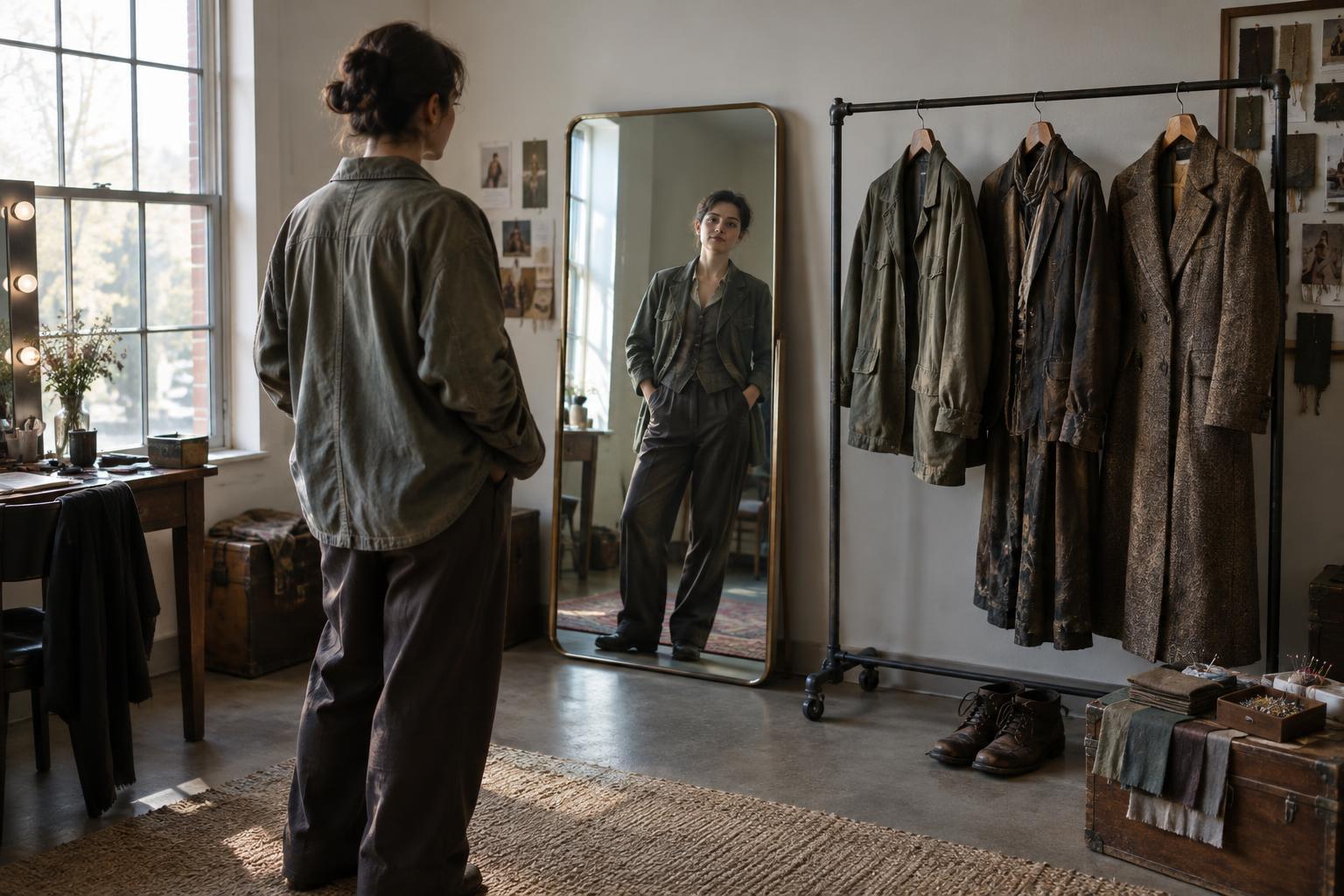
Costume and StyleA character’s wardrobe can chart a story without announcing its meaning. Changes in fit, color, wear and repetition offer clues to shifting priorities, relationships and confidence—especially when costume choices work alongside performance.
Read article · 4 min↗
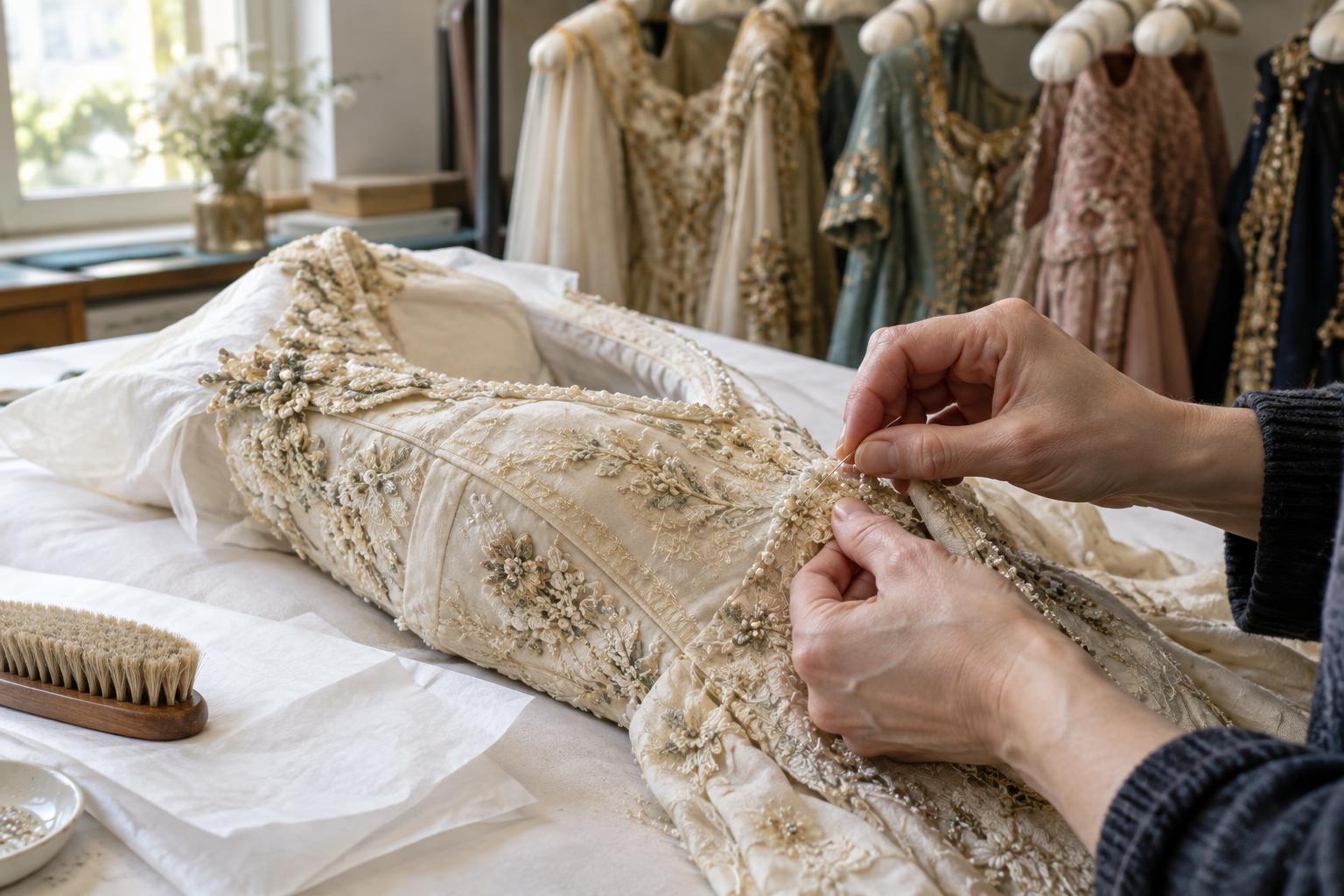
Costume and StyleA performance costume has to look right under lights, survive movement and be ready for the next cue. Here is how costume teams approach cleaning, repairs and storage when a garment is too delicate for routine laundry.
Read article · 4 min↗
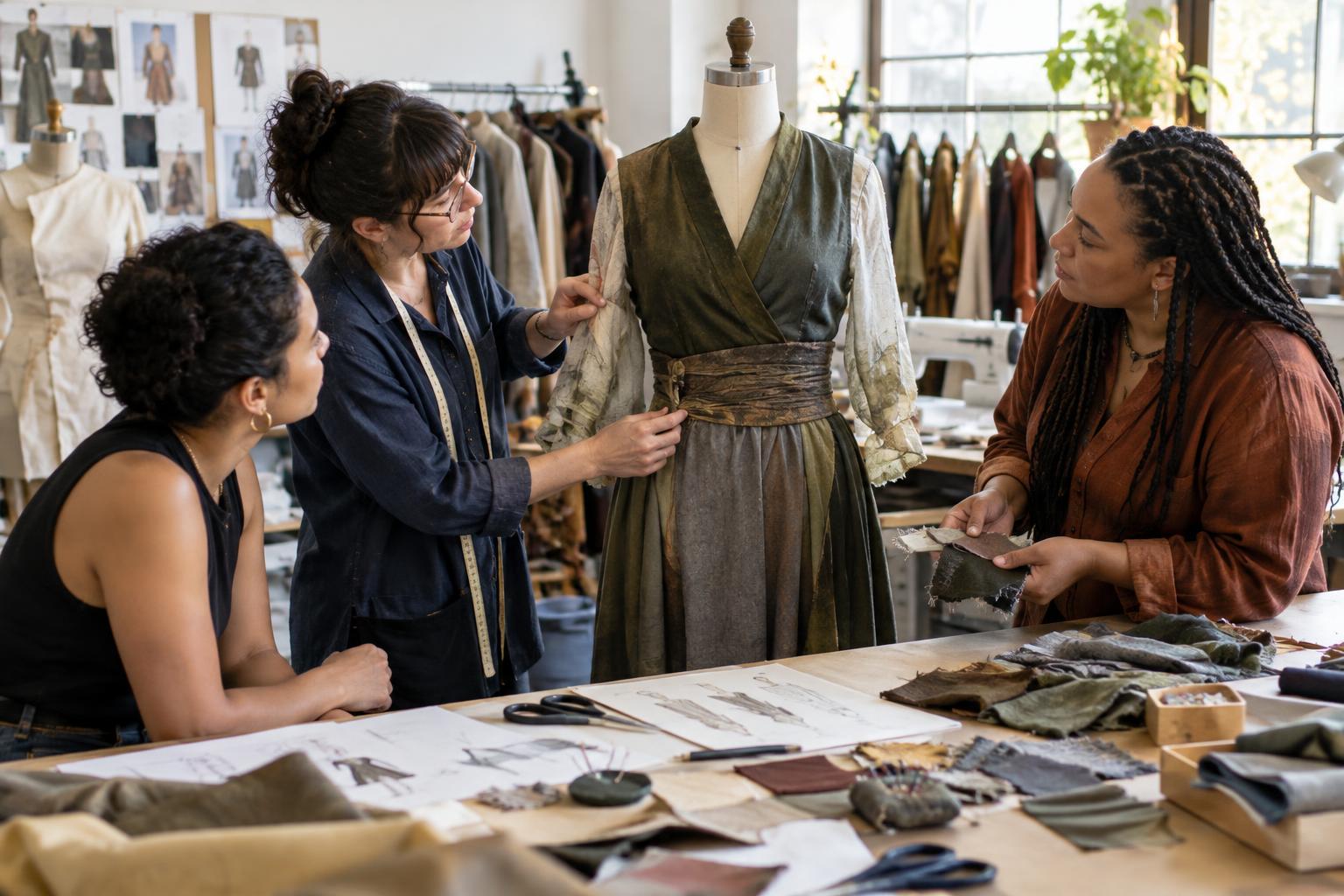
Costume and StyleCostumes can tell an audience where a character comes from before they speak. When a design draws on a living culture, consultation can help a production move beyond attractive references toward choices that serve the story and respect the people represented.
Read article · 4 min↗
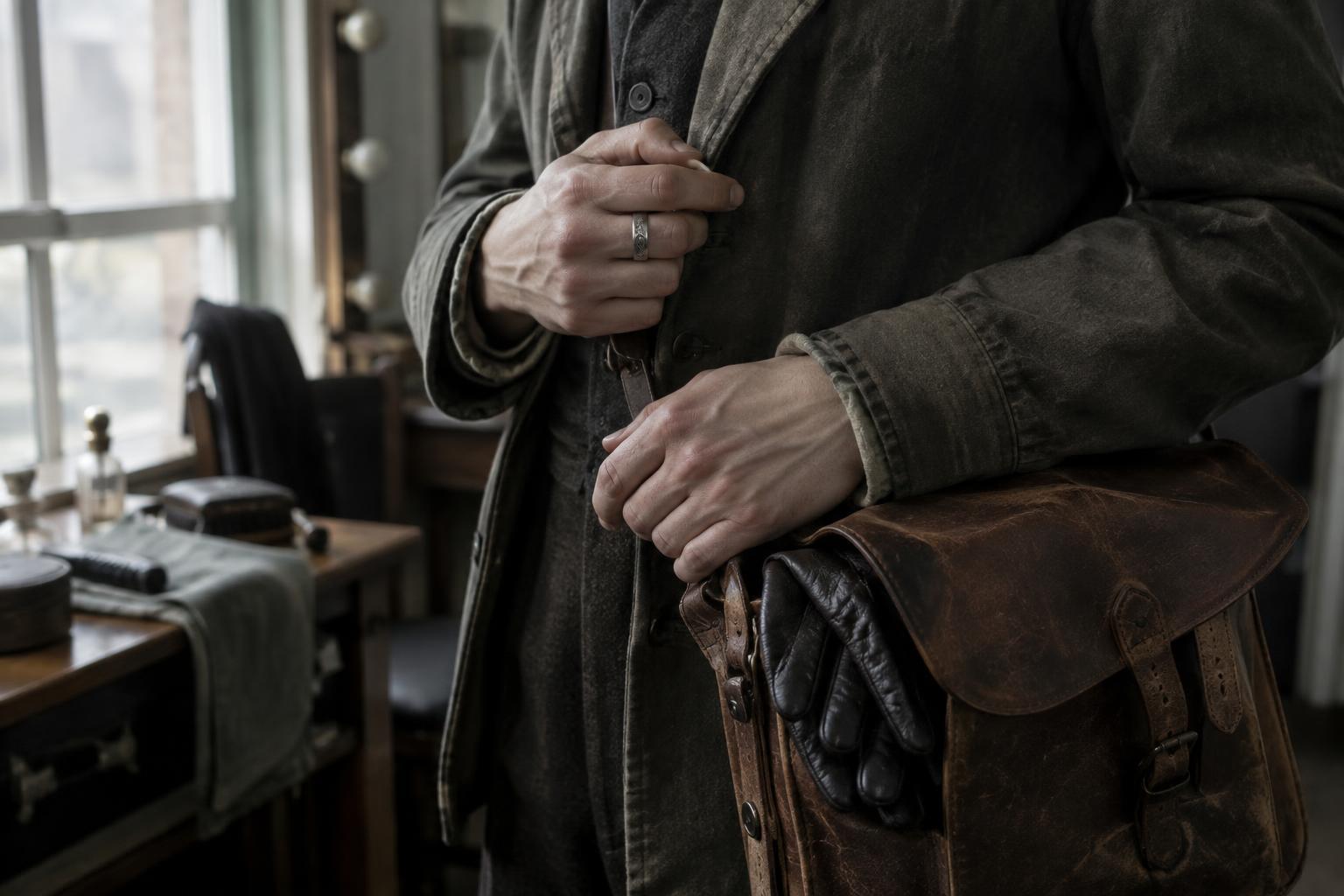
Costume and StyleA ring, a worn bag or a carefully chosen pair of gloves can suggest a character’s habits and priorities before they speak. The most effective accessories support the costume, the performance and the story without competing for attention.
Read article · 4 min↗
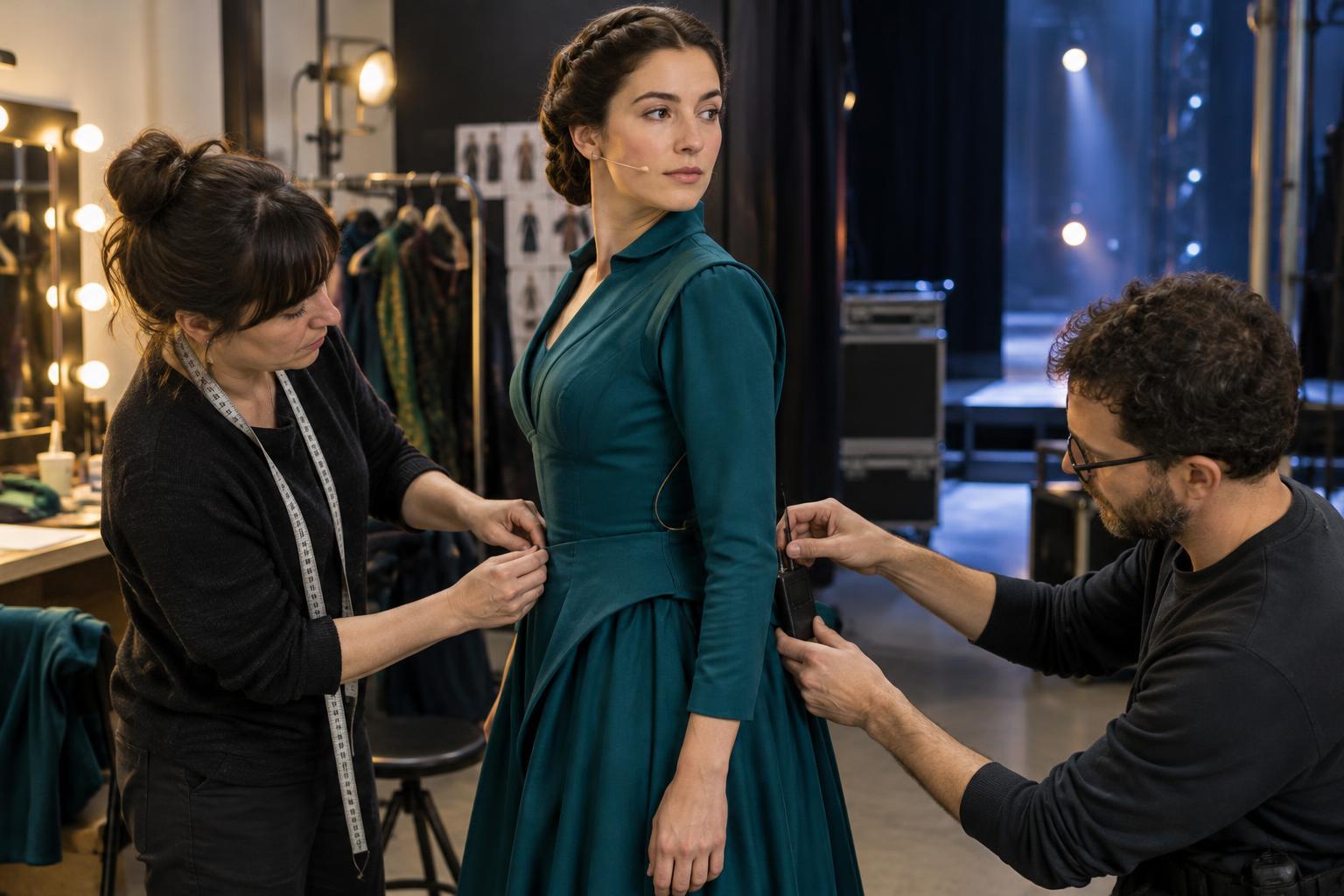
Costume and StyleA performance outfit has to work in motion, under lights and alongside sound equipment. Thoughtful planning for microphone placement, bodypack access and quick changes helps costume and audio teams protect both the look and the performance.
Read article · 4 min↗
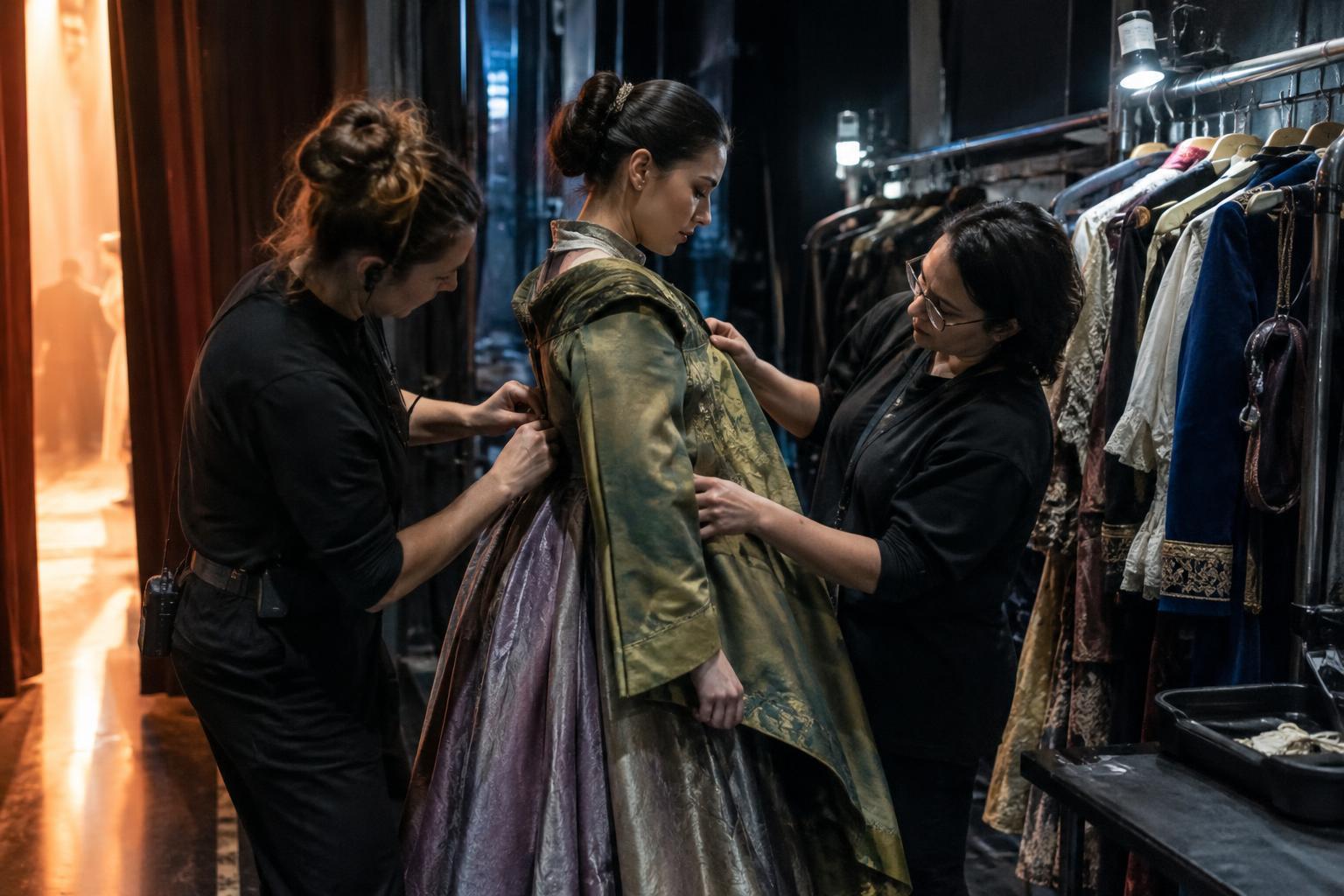
Costume and StyleA quick change succeeds when costume design, movement and backstage logistics work together. Here is how a production can plan looks that read clearly onstage and remain manageable between entrances.
Read article · 4 min↗
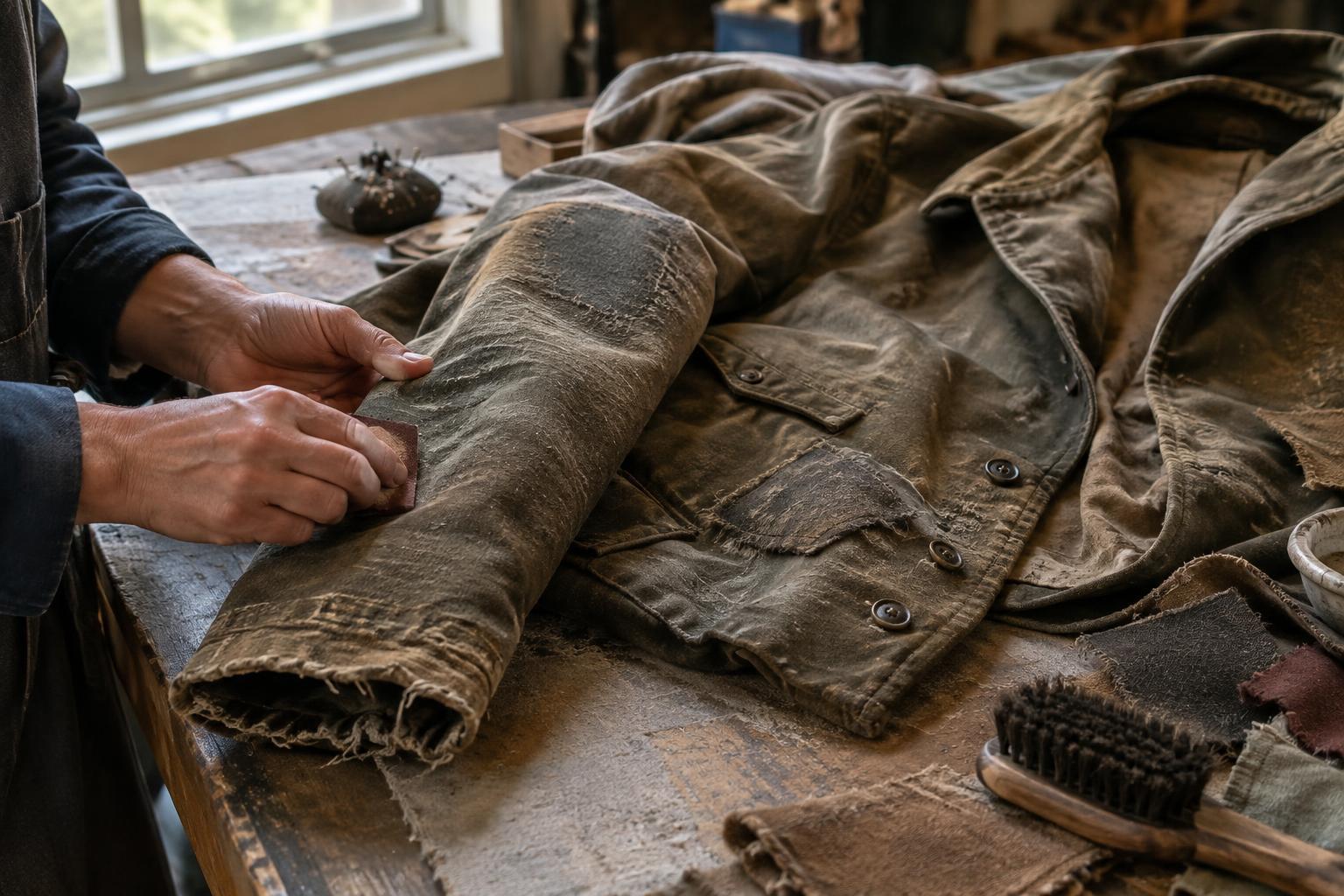
Costume and StyleA newly made costume can look too pristine for a character who has supposedly worn it for years. Aging and distressing help fabric tell a believable story through softened edges, faded color and carefully placed wear.
Read article · 4 min↗
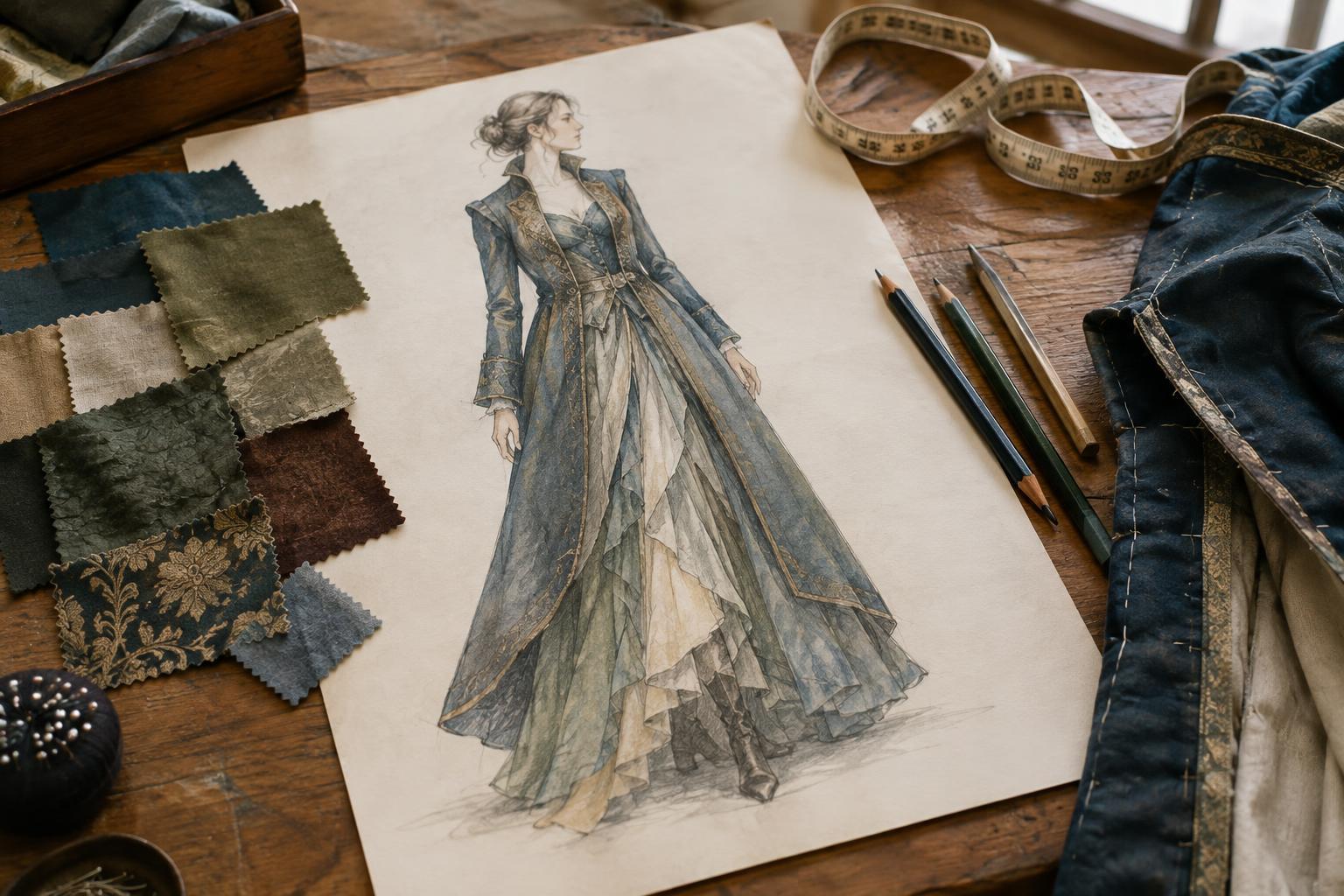
Costume and StyleA costume sketch is more than a drawing of an outfit. Learn how to read its silhouette, color, fabric notes and practical details—and how to tell a design idea from a final decision.
Read article · 4 min↗
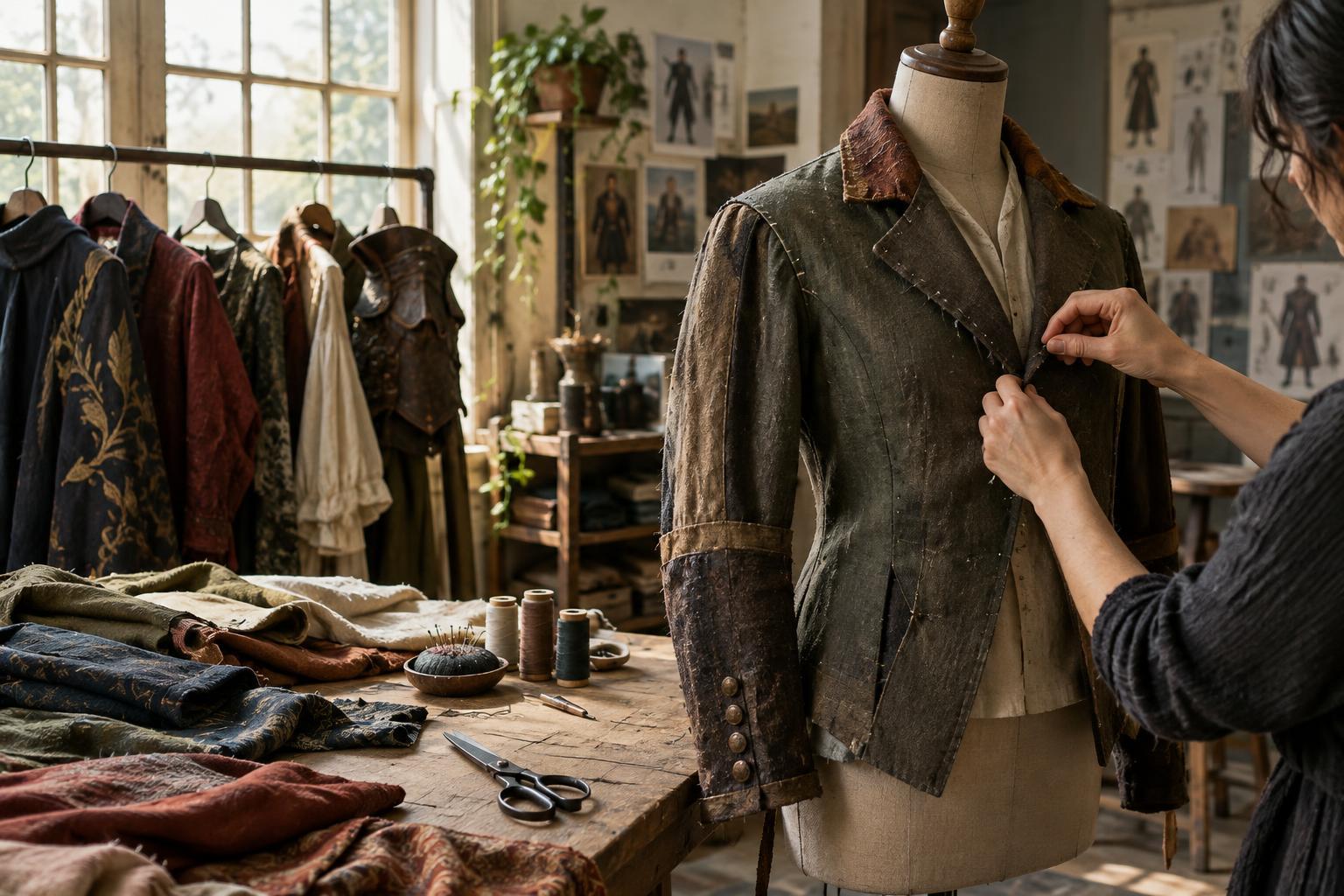
Costume and StyleA costume budget affects what a production can buy, build, alter and maintain. Yet memorable character design depends just as much on priorities, collaboration and the meaning of each garment on screen or stage.
Read article · 4 min↗
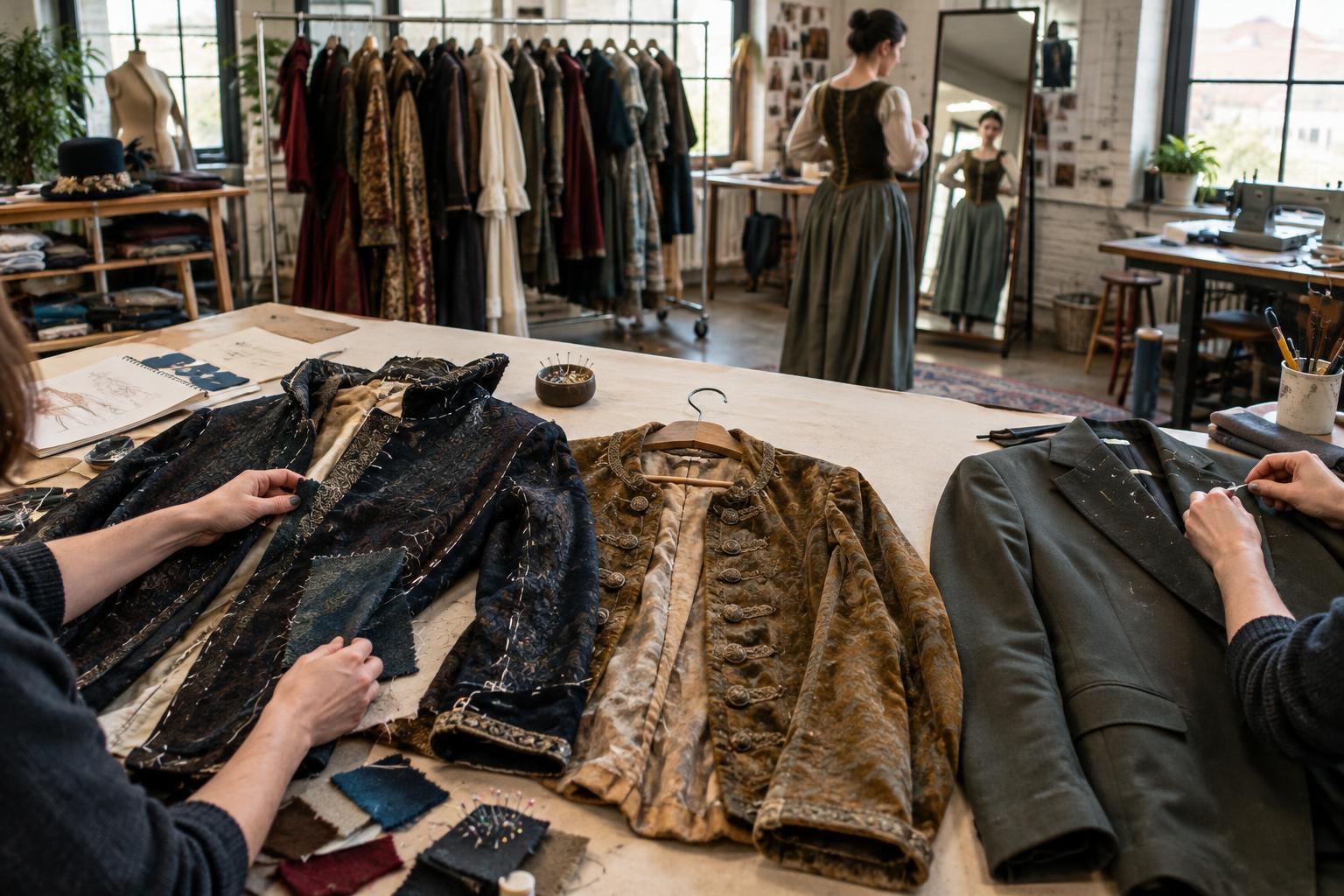
Costume and StyleA costume can be made from scratch, rented from a collection or bought and altered. The best choice depends on what the audience needs to see, how the performer needs to move and what the production can maintain throughout its run.
Read article · 4 min↗
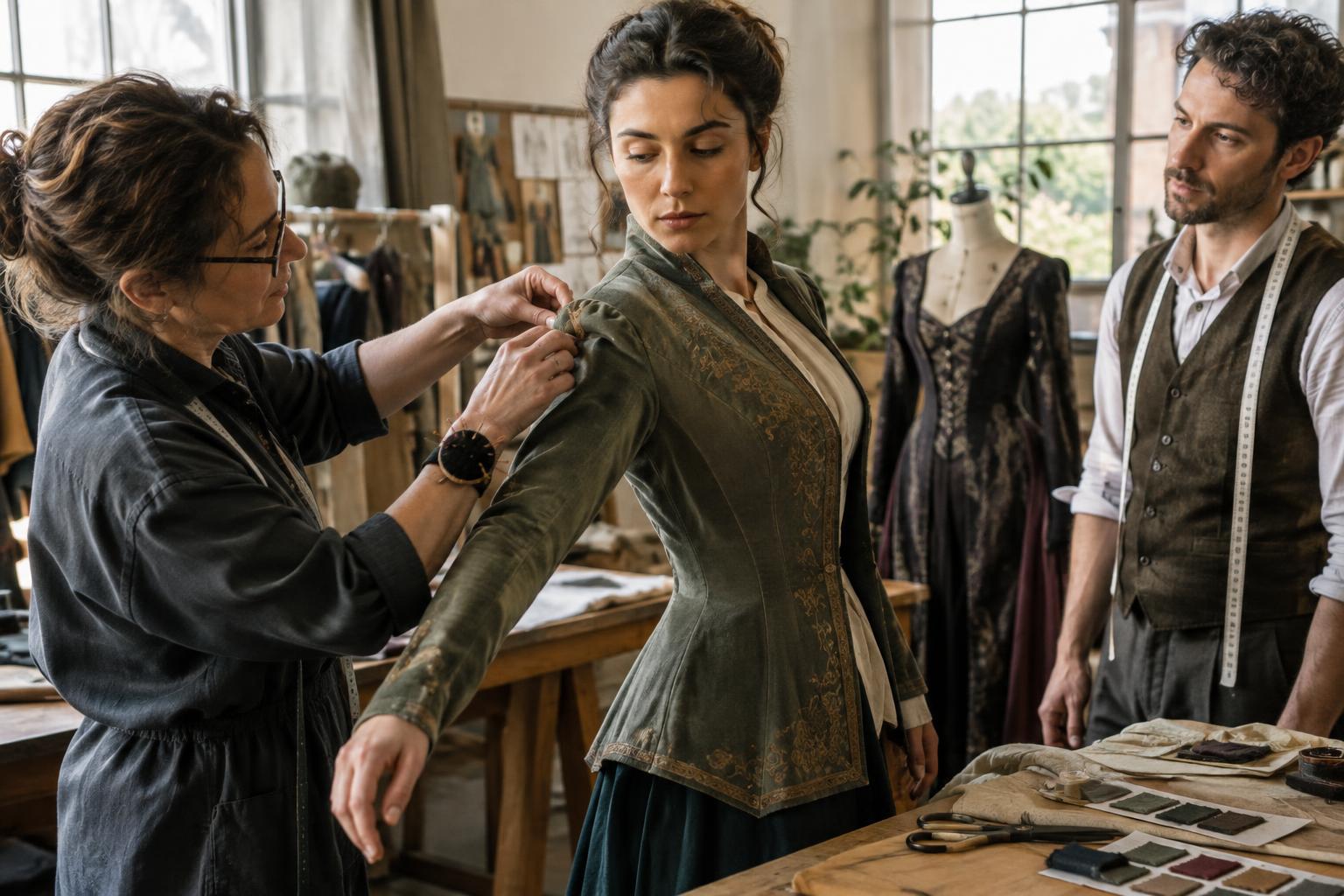
Costume and StyleA costume has to tell an audience who a character is, but it also has to let a performer move, breathe and work. Here’s how costume teams make room for both visual storytelling and the practical demands of a performance.
Read article · 4 min↗
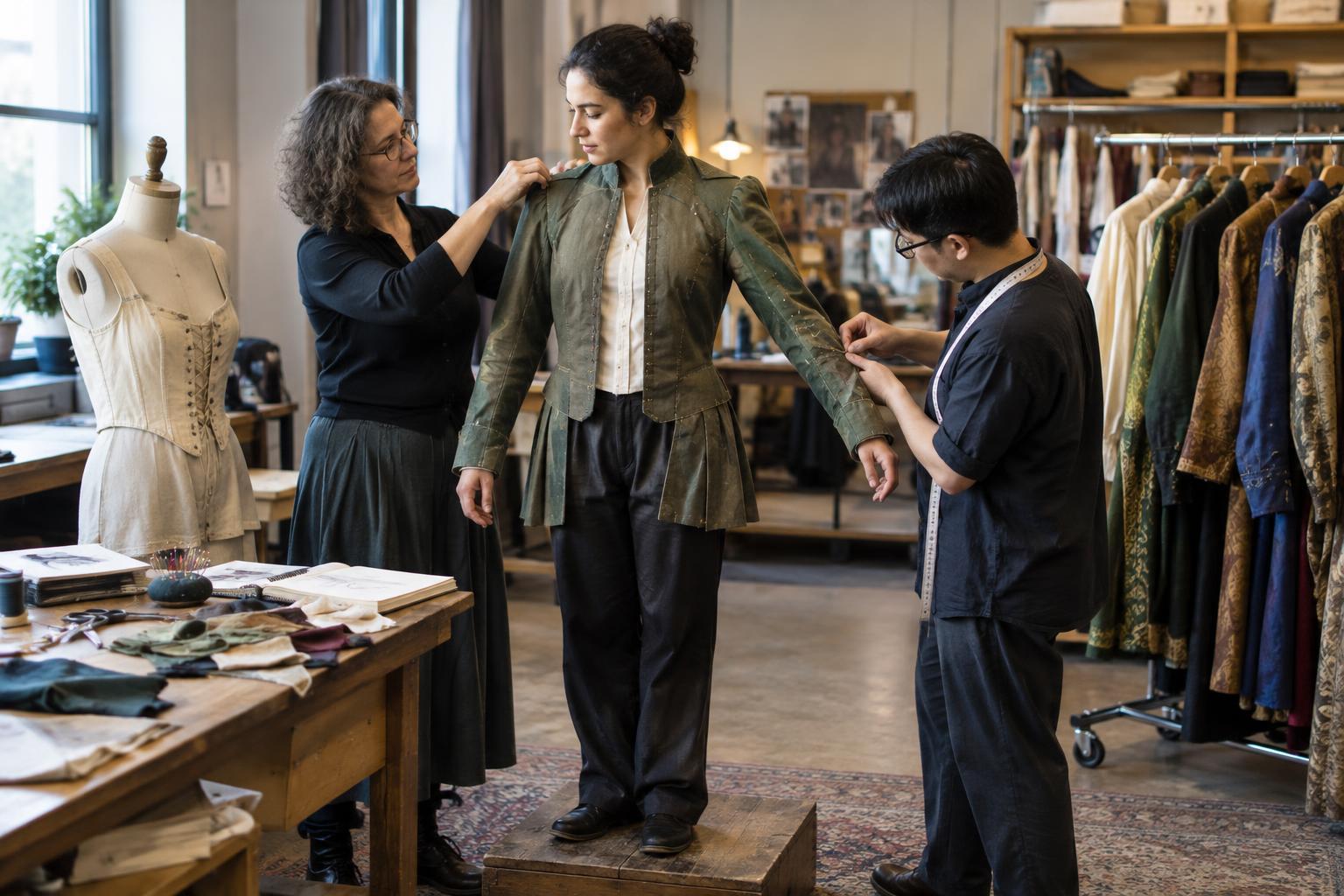
Costume and StyleA costume fitting is more than a chance to check sizes. It is where a design meets the performer, the character and the demands of a production. Here is how fittings typically work, from the first try-on to movement tests and final adjustments.
Read article · 4 min↗
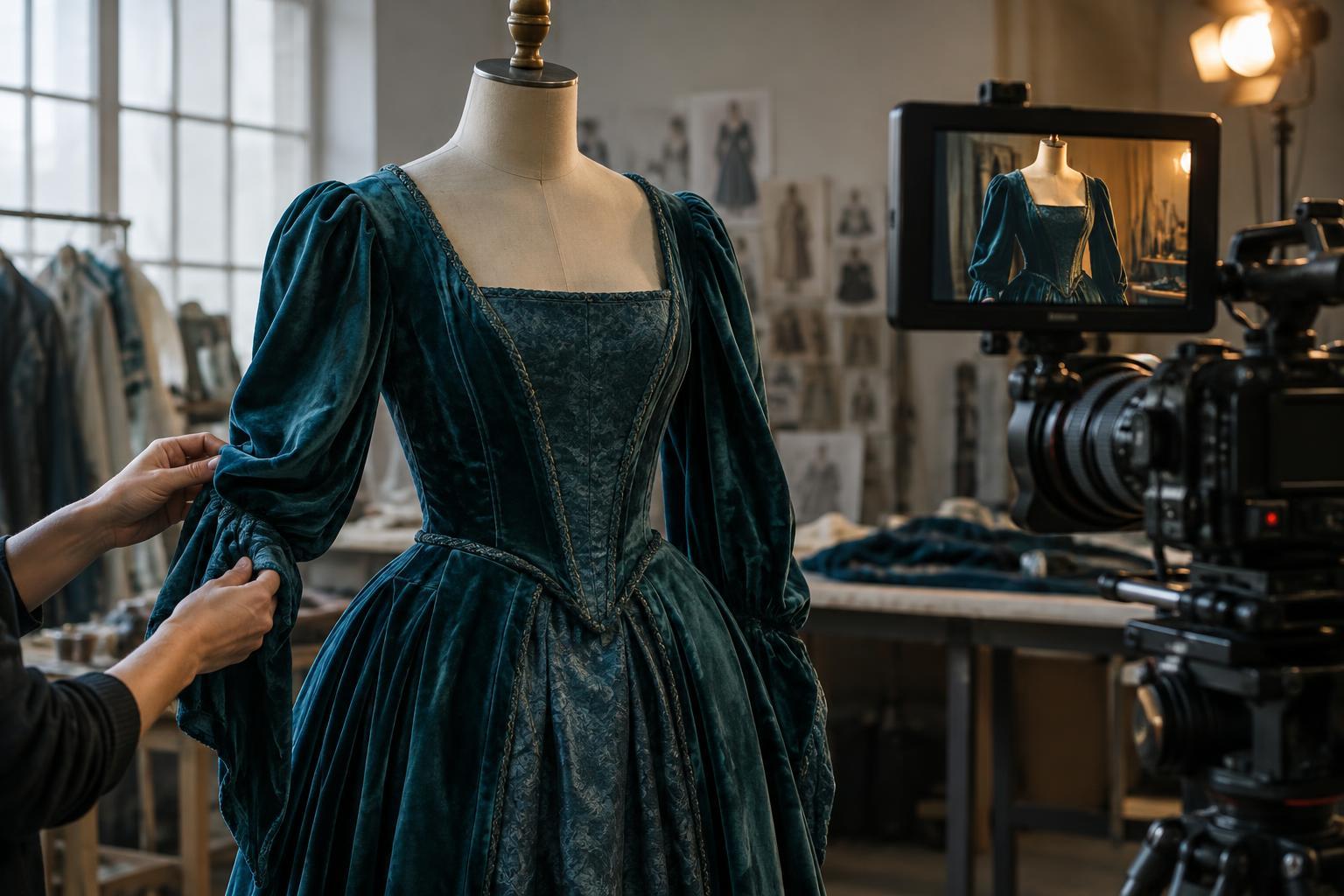
Costume and StyleA costume can look soft, rough, glossy or flat depending on how it is lit and filmed. Understanding the gap between fabric in person and fabric on screen reveals how costume teams shape a character’s appearance.
Read article · 4 min↗
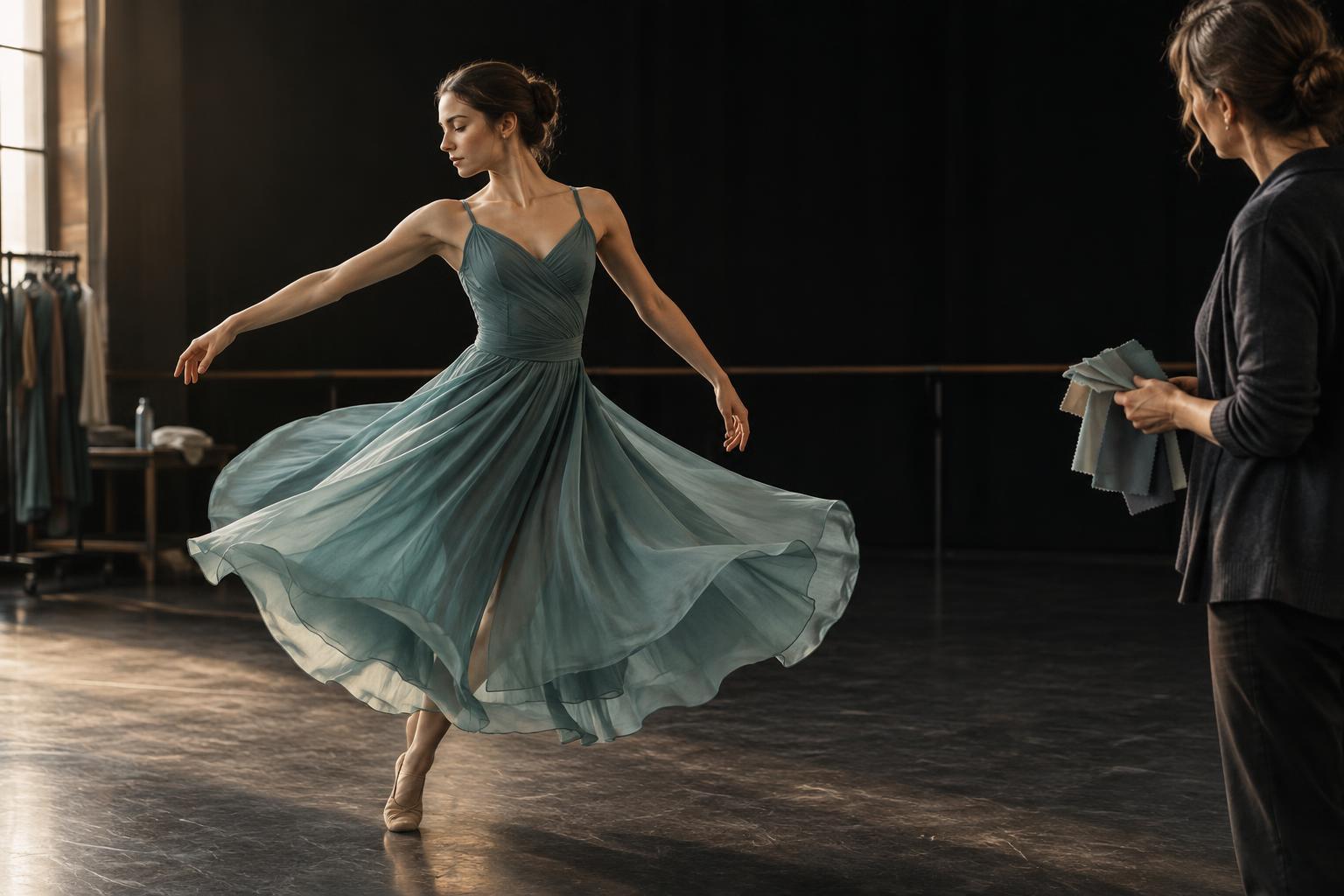
Costume and StyleA stage costume has to do more than look striking while the performer stands still. Learn how stretch, drape, weight, surface and construction affect a fabric in motion, and how to test your choices before a full rehearsal.
Read article · 4 min↗
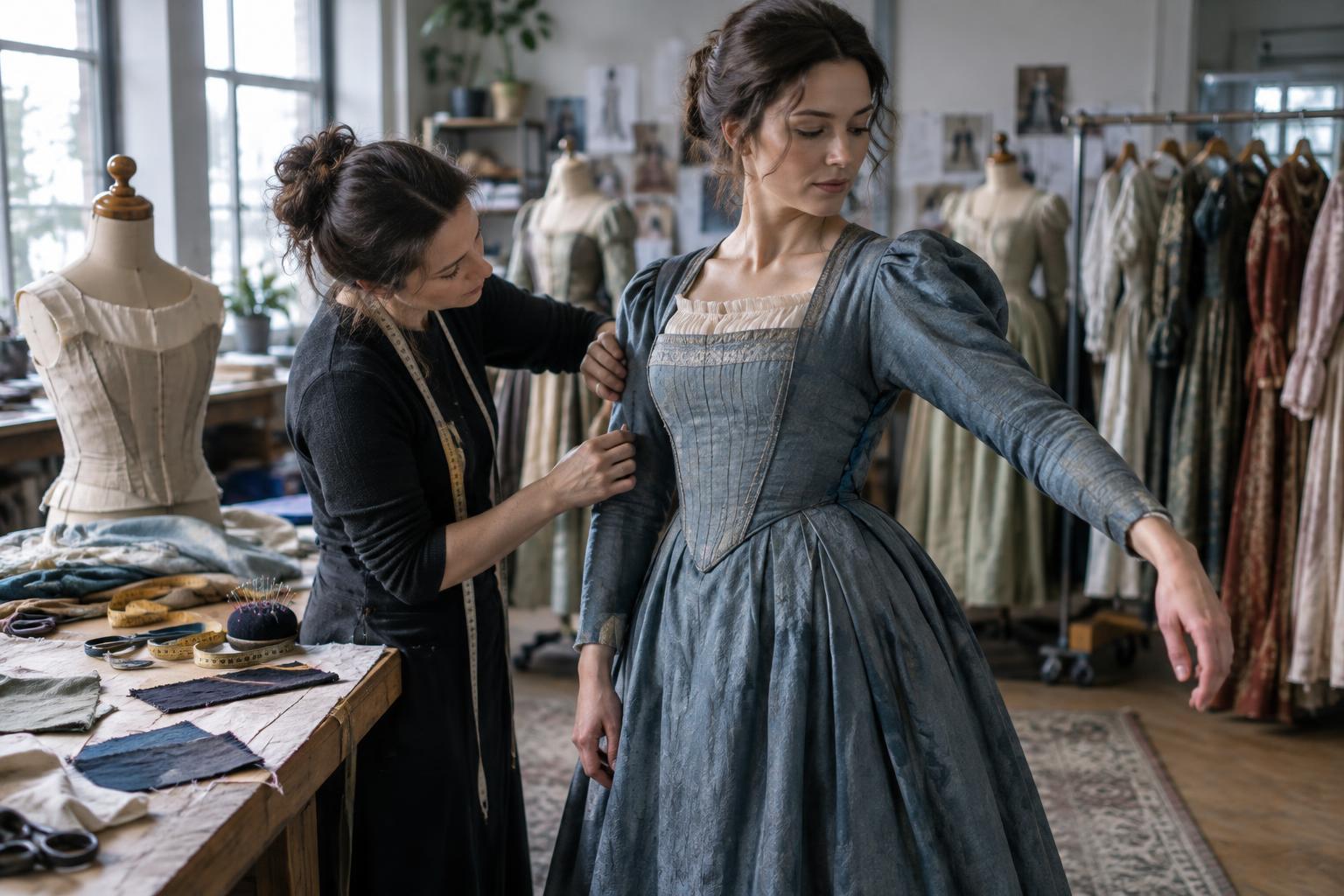
Costume and StyleA historical costume has to do more than evoke another era. It must let a performer move, breathe and repeat the same action across takes or performances. Here is how costume teams balance period detail with the practical demands of the stage and screen.
Read article · 4 min↗
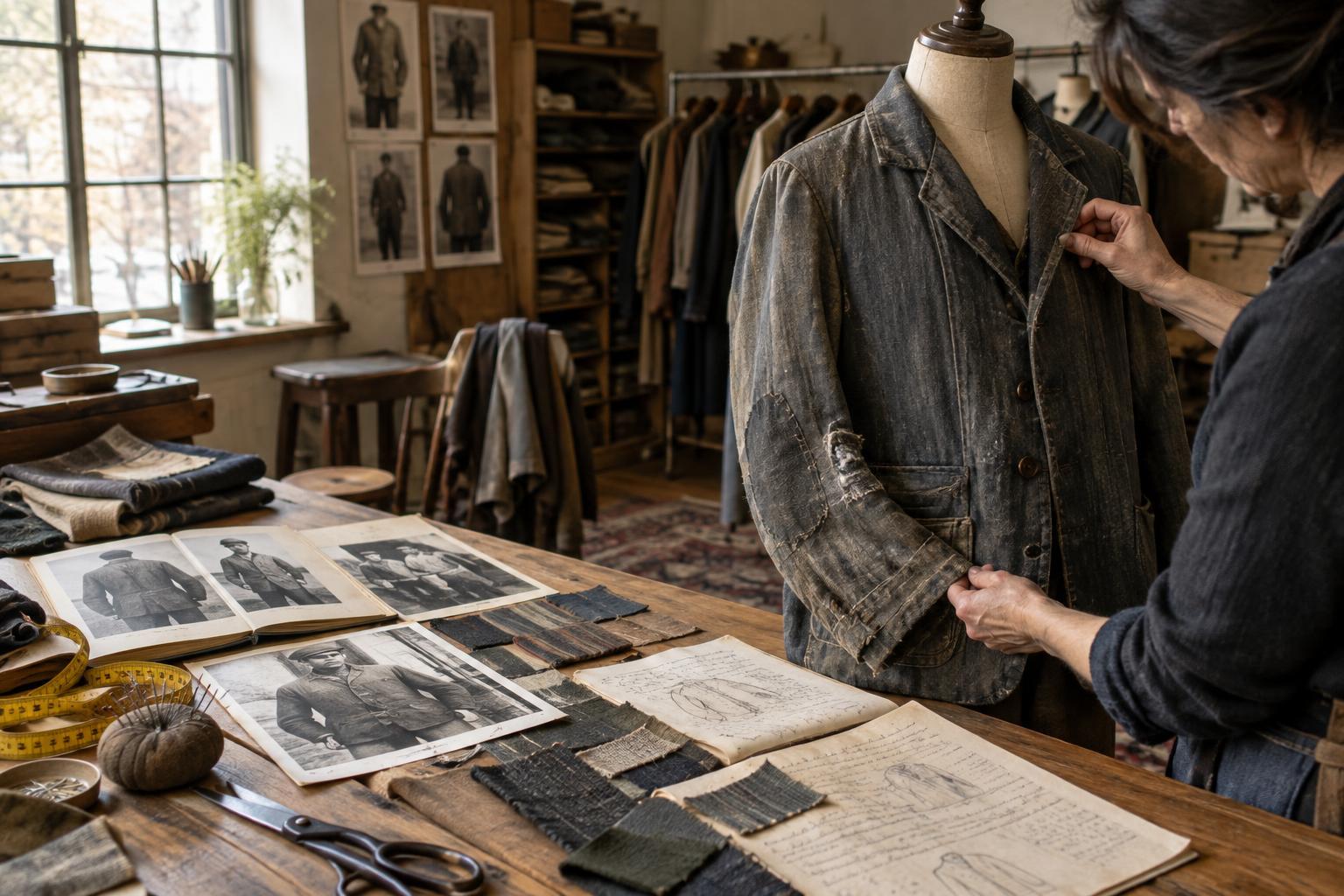
Costume and StyleA convincing period costume does more than announce a decade. It helps an audience understand a character’s work, resources, habits and place in the story. Here is a practical approach to clothing research that makes room for historical detail and dramatic expression without reducing the past to a familiar silhouette.
Read article · 4 min↗
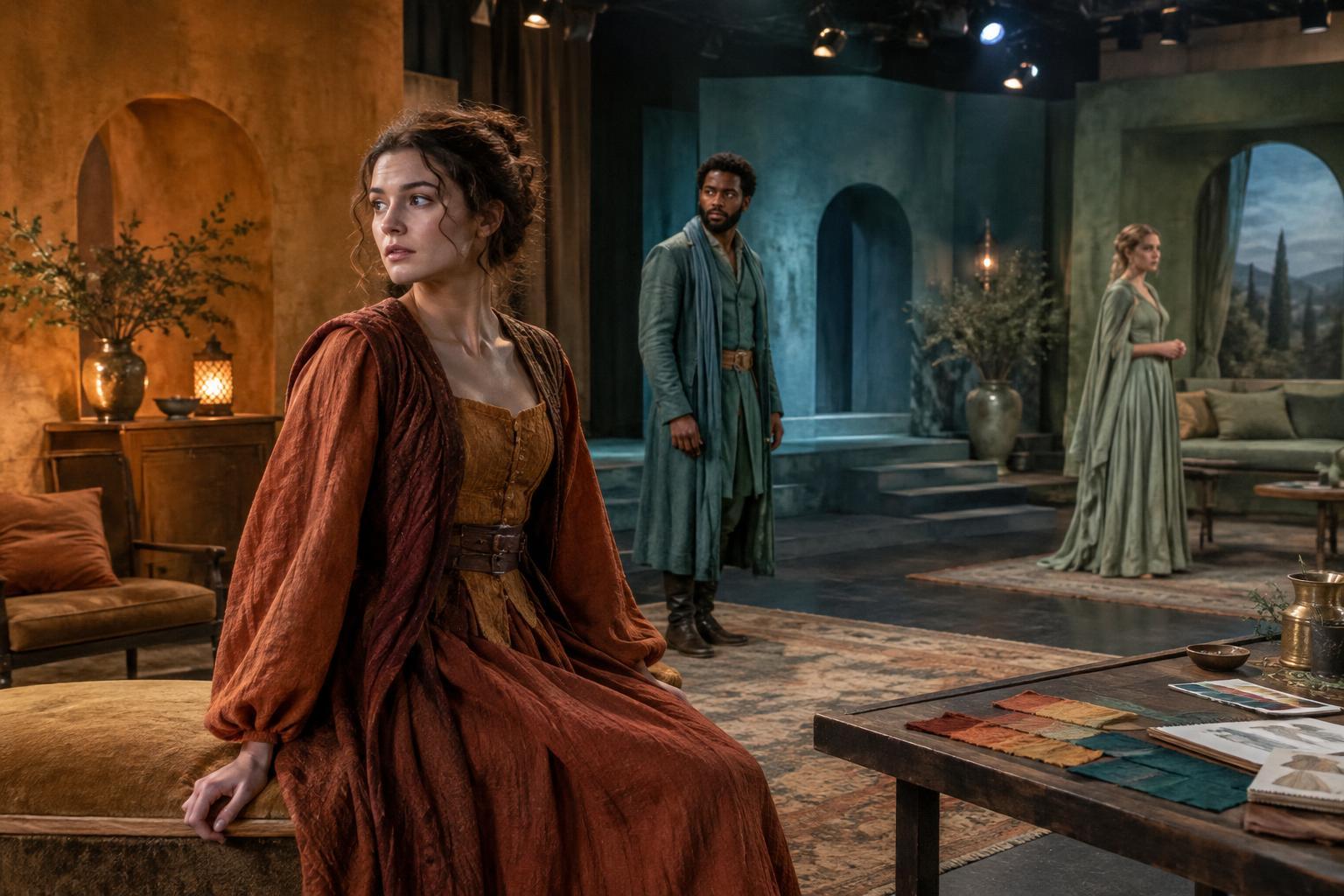
Costume and StyleCostume color does more than make a character stand out. It can link a performer to the setting, clarify relationships and make a change in the story visible. Here is how palettes work alongside lighting, sets and movement—and what to look for when watching.
Read article · 4 min↗
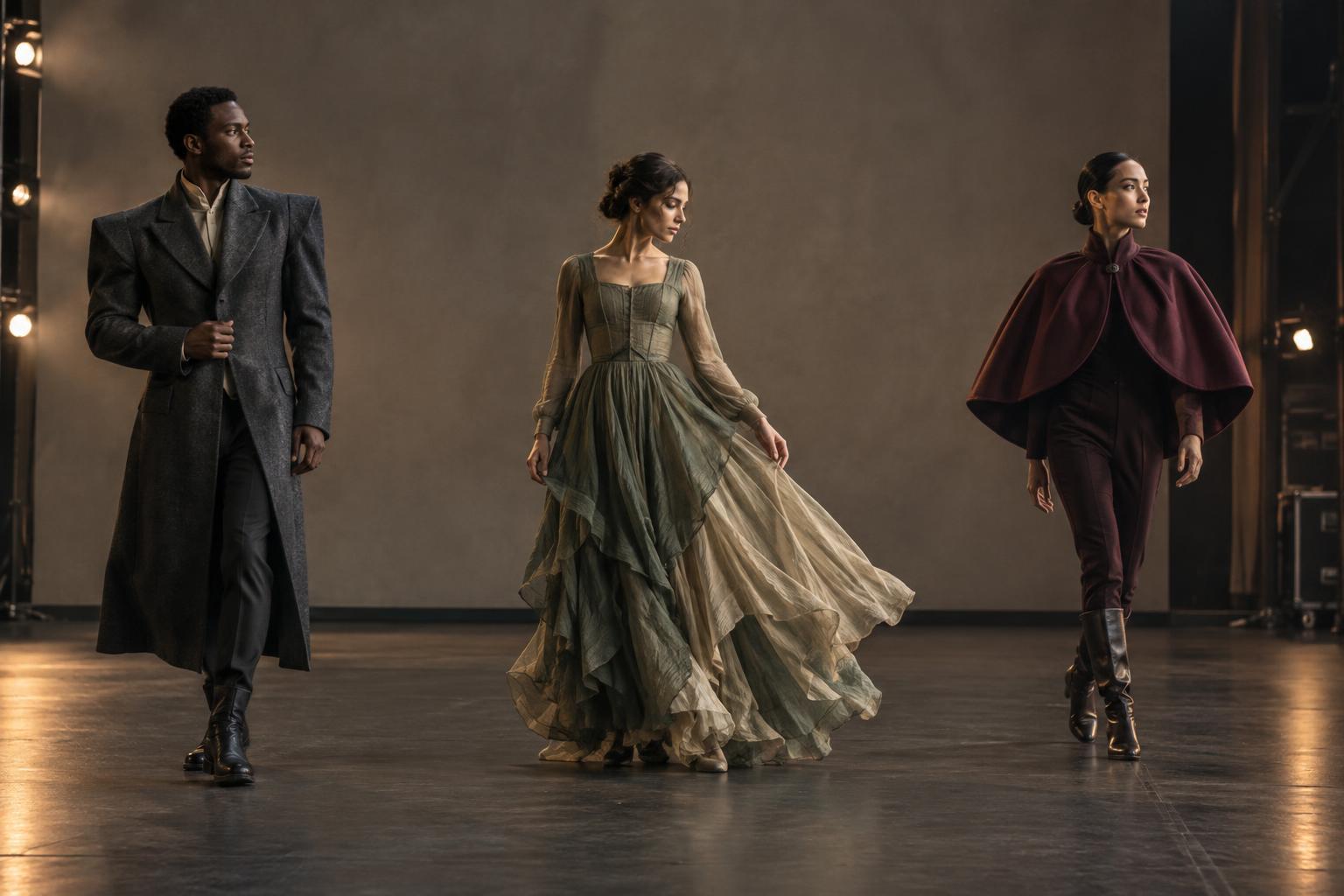
Costume and StyleBefore an audience can study a costume’s details, it sees a shape. Shoulder width, hemline, volume and movement can suggest how a character occupies space. Here is a practical way to read those choices without treating them as a fixed code.
Read article · 4 min↗
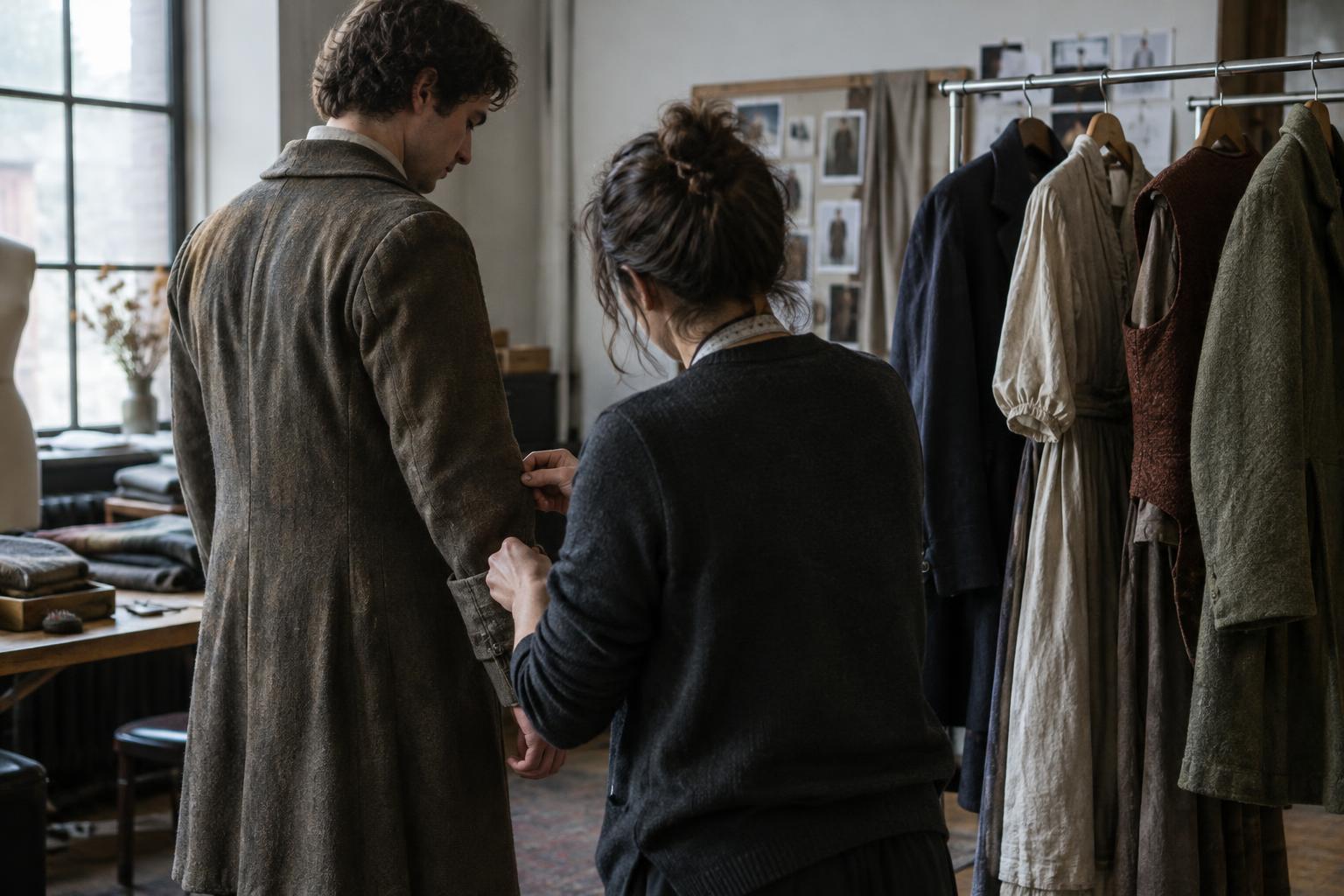
Costume and StyleA character’s clothes can suggest habits, priorities and change before a line of dialogue explains them. Here is how costume designers turn everyday choices into visual storytelling.
Read article · 4 min↗
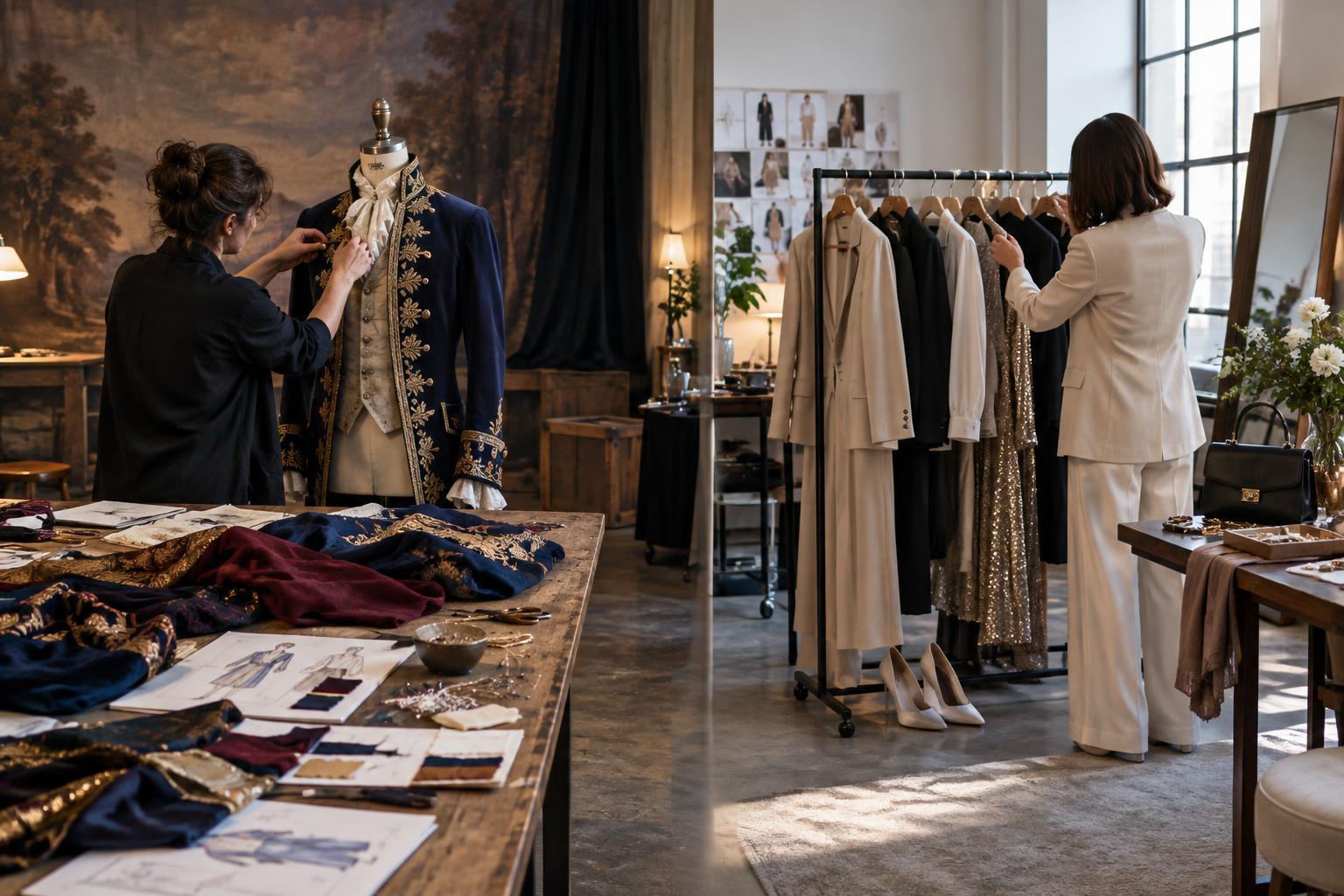
Costume and StyleA memorable look can reveal a character, define a performance or shape a public image. Costume designers and fashion stylists both work with clothing, but their goals, collaborators and measures of success are not always the same.
Read article · 4 min↗