A costume has two jobs
Costume design helps an audience understand a character before that character says a word. A sharply pressed jacket might suggest someone who wants control; a well-worn coat might imply years of use. Color, silhouette, texture and fit can all carry meaning. But a costume is not a still image. It has to work while an actor sits, walks, dances, embraces another performer or repeats the same movement through multiple takes.
That is why comfort is more than a courtesy. A garment that pulls across the shoulders can limit a gesture; a shoe that slips can make a confident entrance hesitant. Some physical restriction may be intentional for a character, but the team still needs to understand what the performer must do. The aim is not always to make a costume feel effortless. It is to make its physical demands manageable and useful to the performance.
Start with the character, then test the movement
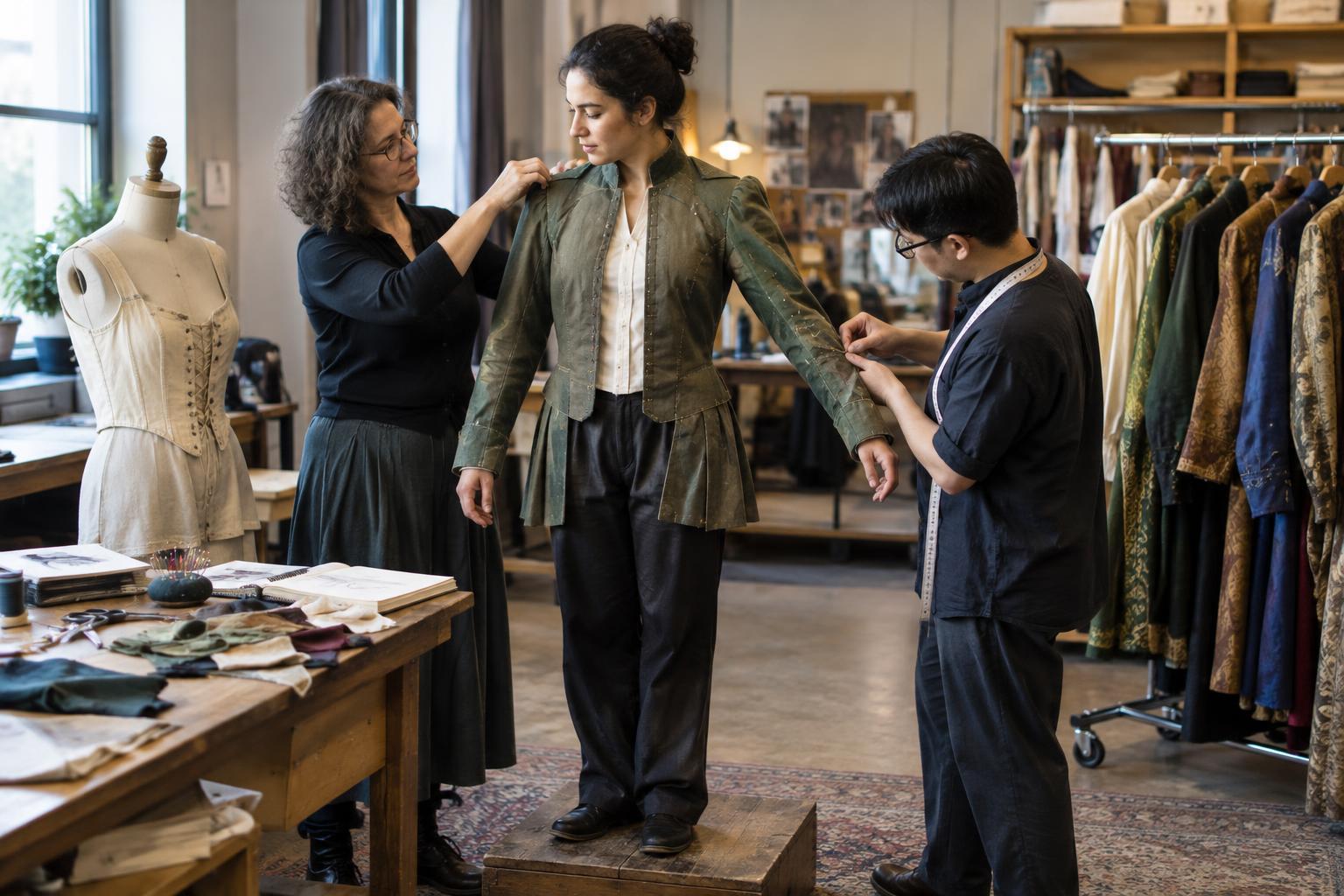
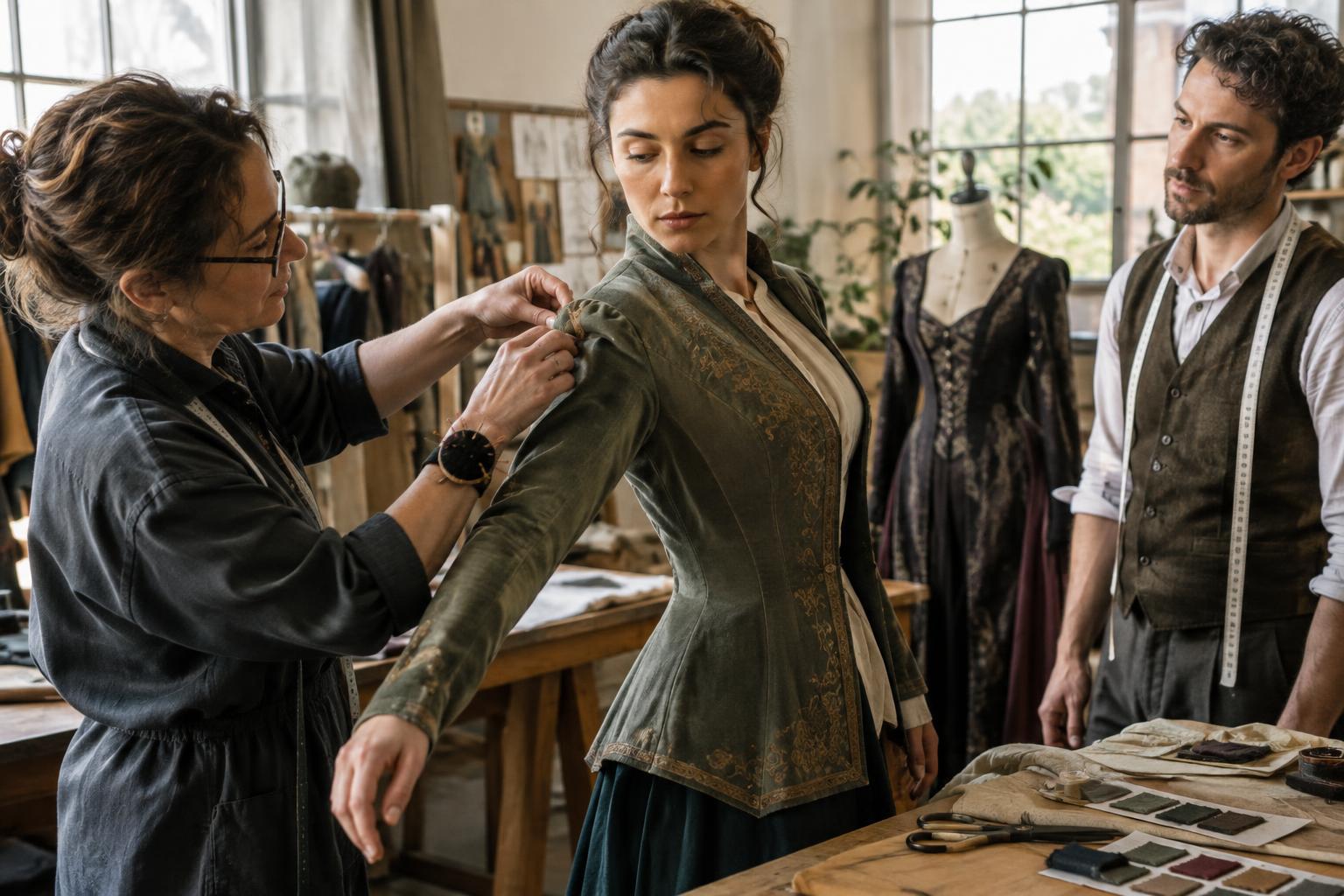
Early costume conversations often concern the character’s world: what they can afford, how they want to be seen and whether they dress for work, pleasure or protection. Those ideas guide the first choices, but fittings show how the design behaves on a moving person. An actor may discover that a collar interferes with a turn of the head or that a skirt changes the pace of a walk. Such observations can help the team refine the look rather than abandon it.
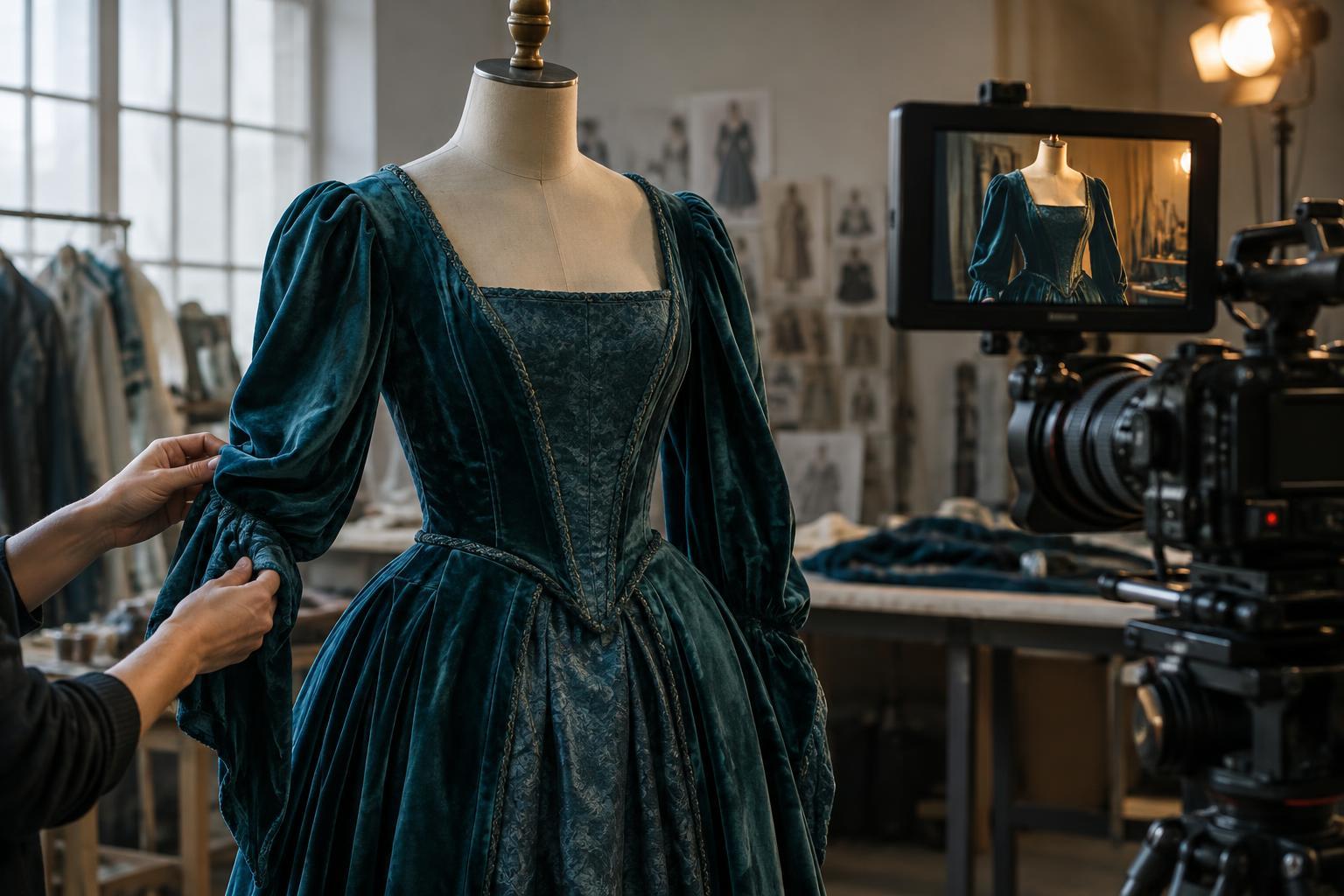
The planned action matters as much as the appearance. A costume for a seated conversation faces different demands from one worn in a chase or a stage number. Teams can check whether an actor can reach, bend and breathe comfortably through the required movements. Onstage, a quick change may make a fastening as important as the garment’s front view. On camera, a detail that seems minor in person may become prominent in a close shot.
Small construction choices can preserve a big idea
A character’s silhouette does not always depend on every visible detail being built in the most rigid way. Lighter fabric, a discreet stretch panel or a carefully placed fastening may retain the intended shape while giving the actor more freedom. A heavy-looking coat can sometimes be made with less weight; a structured outfit can be adjusted so that its pressure falls in less troublesome places. These choices are most effective when they remain consistent with the character’s world.
Shoes require particular attention because they affect posture and movement throughout a scene. The desired height or shape may be central to a look, yet the performer still needs secure footing for the action. Teams may explore fit, soles or alternate versions suited to different shots or tasks. They also consider what sits beneath the visible costume: linings, layers and closures can determine how a garment feels over a long day even when the audience never sees them.
A performance changes what a costume needs to do
Comfort is not a fixed measurement that can be settled at the first fitting. A garment may feel fine while standing still and become distracting after repeated movement. Costume teams benefit from hearing specific feedback: where something rubs, when it shifts or which action becomes difficult. An actor’s note about a sleeve catching during a gesture gives the team a problem to solve while keeping the design’s purpose in view.
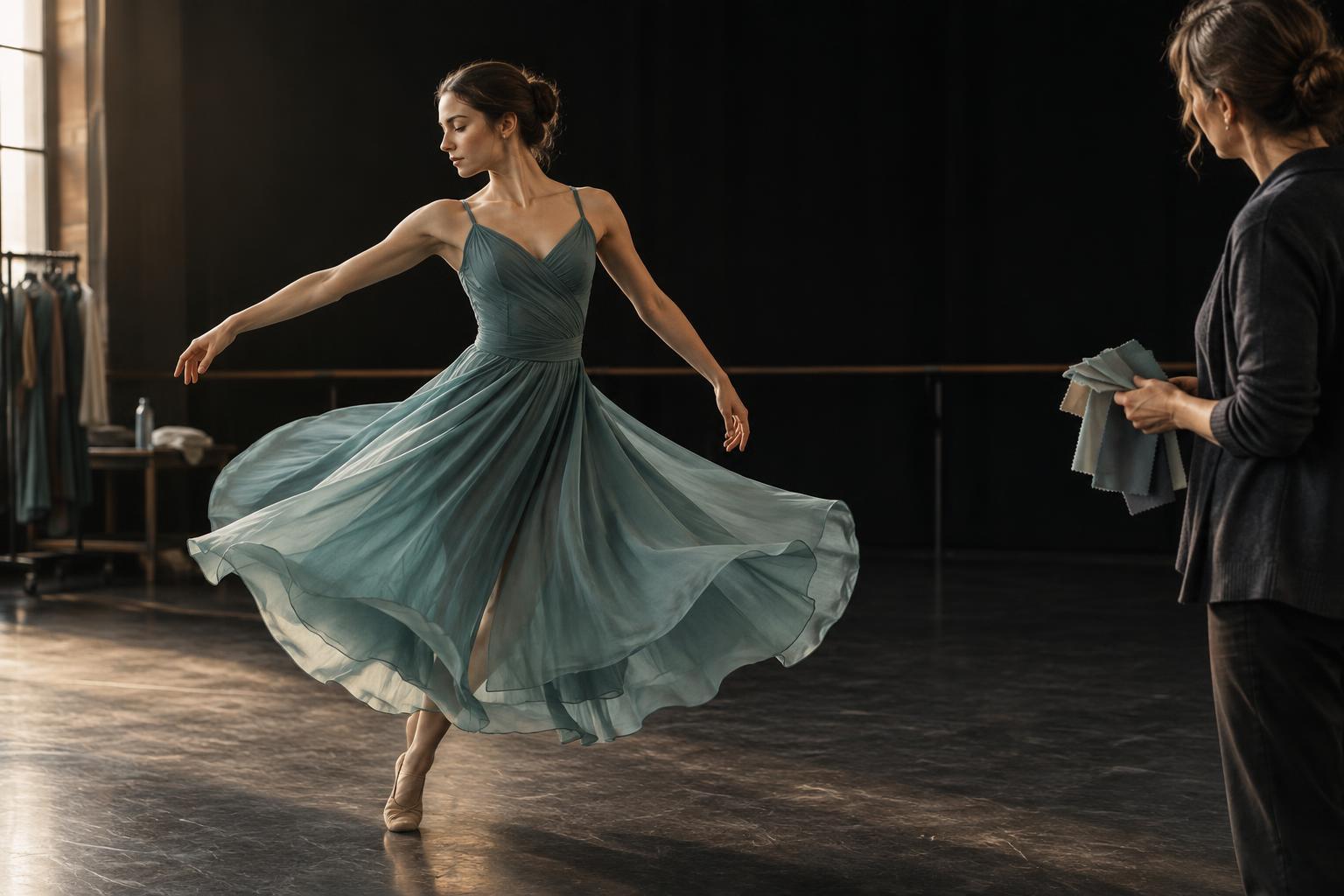
Other departments shape the answer, too. Lighting can change how a color reads, sound equipment can affect where a garment needs room, and choreography or staging can reveal new movement demands. Collaboration helps prevent a practical fix from creating a different problem. A fastening that speeds up a change, for example, still needs to hold securely and look right when the performer turns toward the audience or camera.
The best compromise feels like part of the character
There are moments when a costume is meant to feel awkward. Formal clothes might make a character self-conscious, or an oversized garment might shape an uneasy walk. In those cases, the sensation can support the acting. The useful distinction is between a deliberate choice the performer can work with and an accidental obstacle that draws attention away from the scene.
A successful costume balances several perspectives at once: how it reads to the audience, what it communicates about the character and how it behaves for the person wearing it. The adjustments that make that balance possible may be nearly invisible. Yet they allow a performer to concentrate on timing, emotion and interaction, letting the costume contribute to the story without becoming an unwanted distraction.