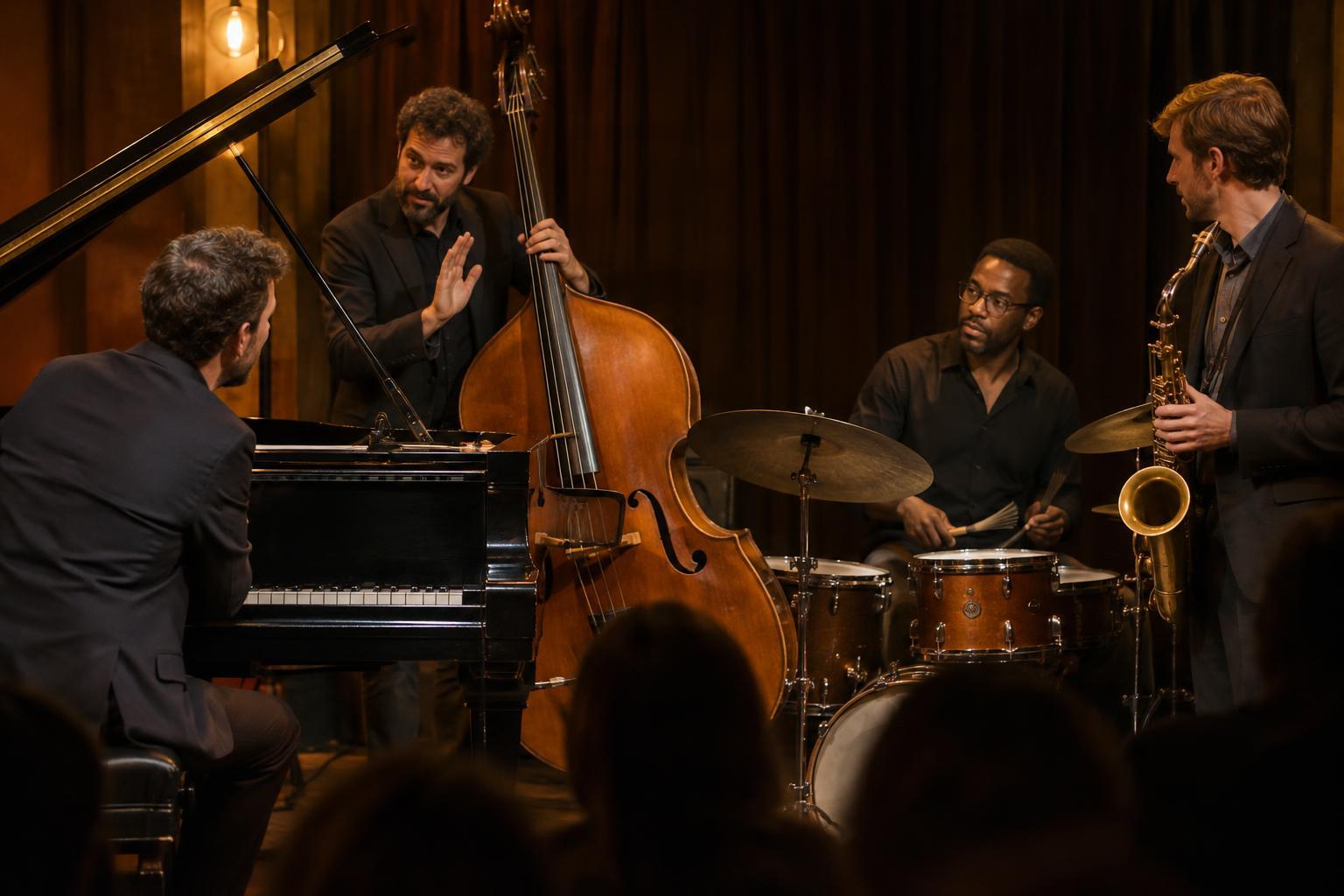
Music and PerformanceA live ensemble does more than follow a shared beat. Musicians use breath, movement, eye contact and familiar musical patterns to coordinate entrances, endings and unexpected changes while the performance continues.
Read article · 3 min↗
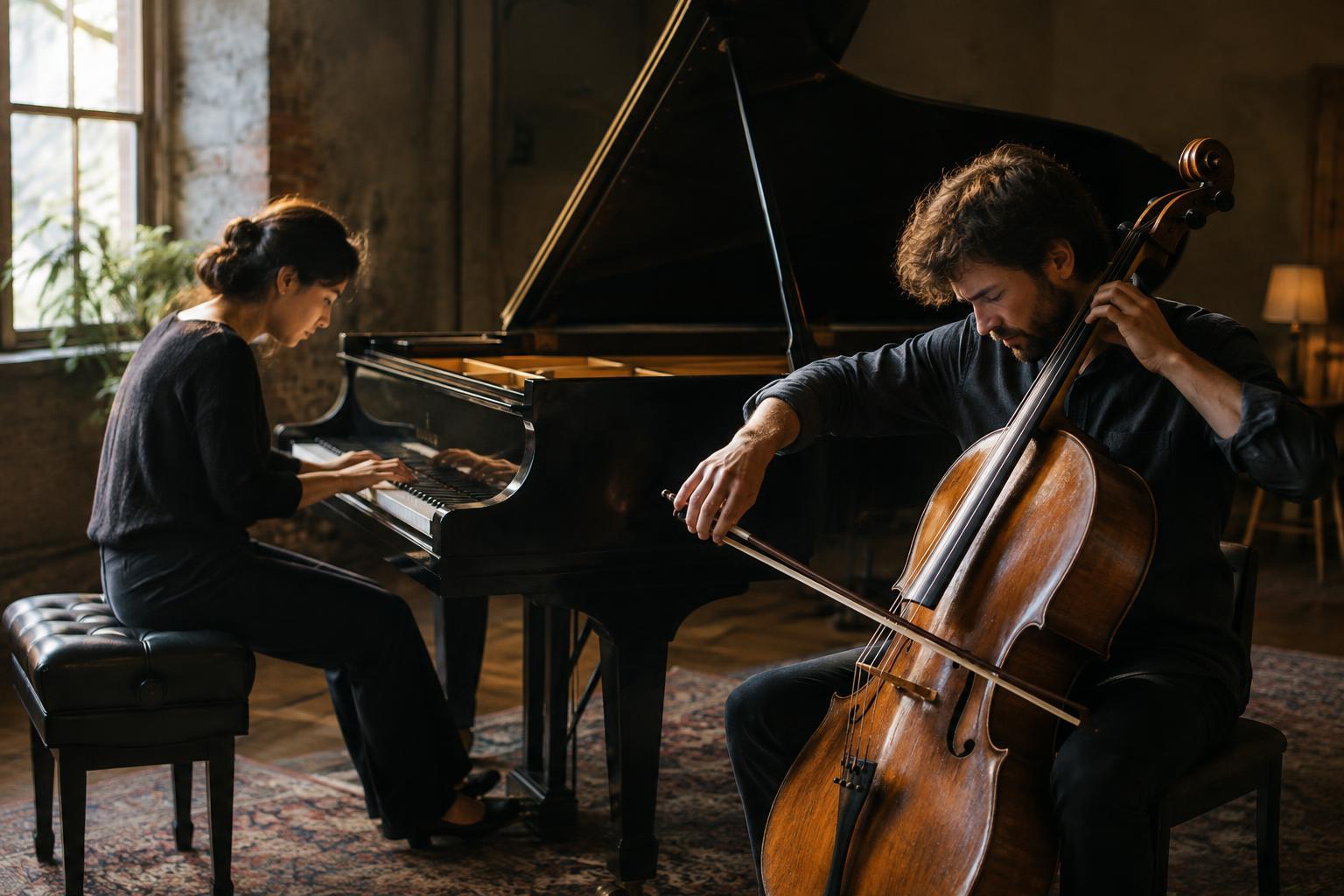
Music and PerformanceDynamics are more than changes in volume. Learn how musicians use intensity, texture and restraint to give a song shape, and how to hear those choices in a performance.
Read article · 3 min↗

Music and PerformanceLosing a lyric or an entrance does not have to end a performance. From listening for the next cue to leaning on the band, performers have practical ways to reconnect with a song while keeping the moment human.
Read article · 4 min↗

Music and PerformanceA striking high note or an awkward moment can shape a listener’s first impression. But one recorded note leaves out the phrase, the performance, the recording process and the choices a singer made. Here is a more useful way to listen.
Read article · 4 min↗

Music and PerformanceA studio recording and a live performance can make the same song feel surprisingly different. Here’s how to listen for changes in arrangement, vocals, sound and audience energy without treating either version as the definitive one.
Read article · 4 min↗

Music and PerformanceA cover can keep a song’s recognizable shape while changing how it feels. Voice, arrangement, rhythm and performance choices all help an artist bring a distinct point of view to familiar material.
Read article · 3 min↗
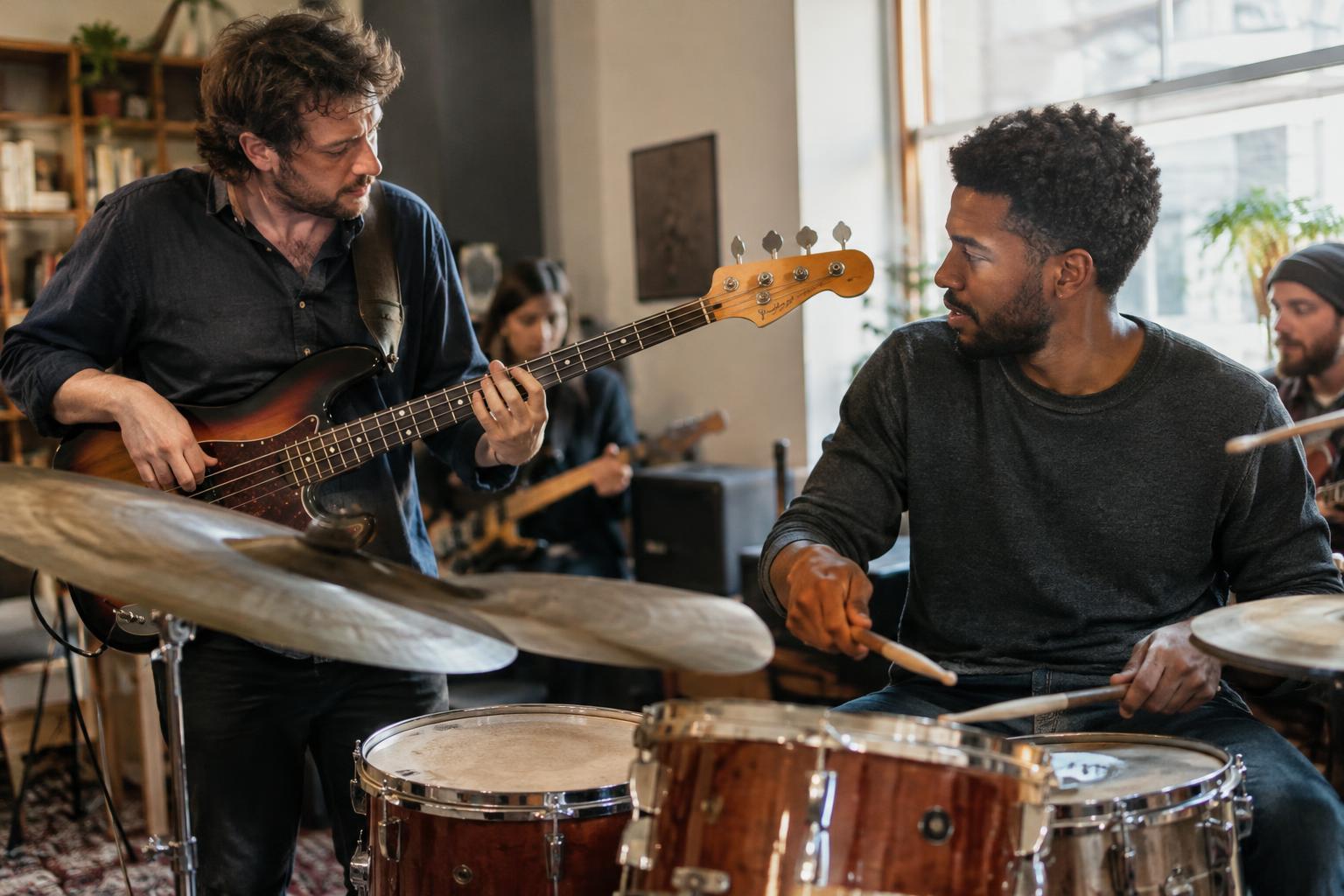
Music and PerformanceBass and drums can shape a performance without demanding the spotlight. Learn to follow the pulse, hear how low notes connect rhythm to harmony, and notice the small changes that give a song its momentum.
Read article · 4 min↗
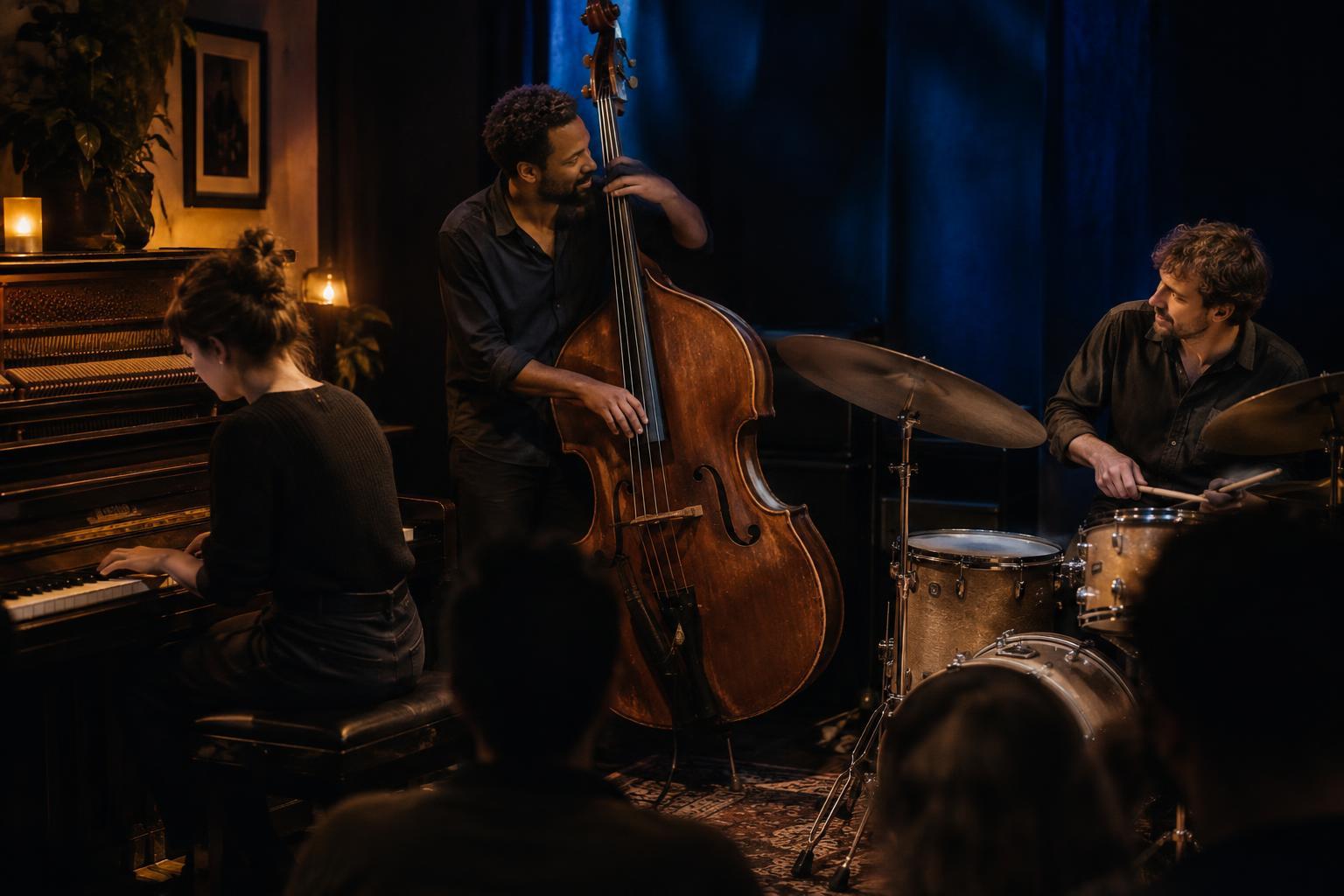
Music and PerformanceA song can keep its identity while changing from one performance to the next. Here is how arrangement, improvisation, and the choices musicians make together shape what an audience hears.
Read article · 3 min↗

Music and PerformanceA repeated phrase, a raised hand or a moment of silence can turn an audience from listeners into participants. Here is how performers use call-and-response to build connection without making participation feel compulsory.
Read article · 4 min↗

Music and PerformanceAn encore can feel like a surprise return to the stage, but it is often part of the plan. Here is how audience response, setlists and backstage coordination shape the final moments of a live show.
Read article · 3 min↗

Music and PerformanceA strong setlist is more than a collection of favorite songs. It gives a performance shape, makes room for contrast, and helps the band move smoothly between musical and practical demands.
Read article · 3 min↗
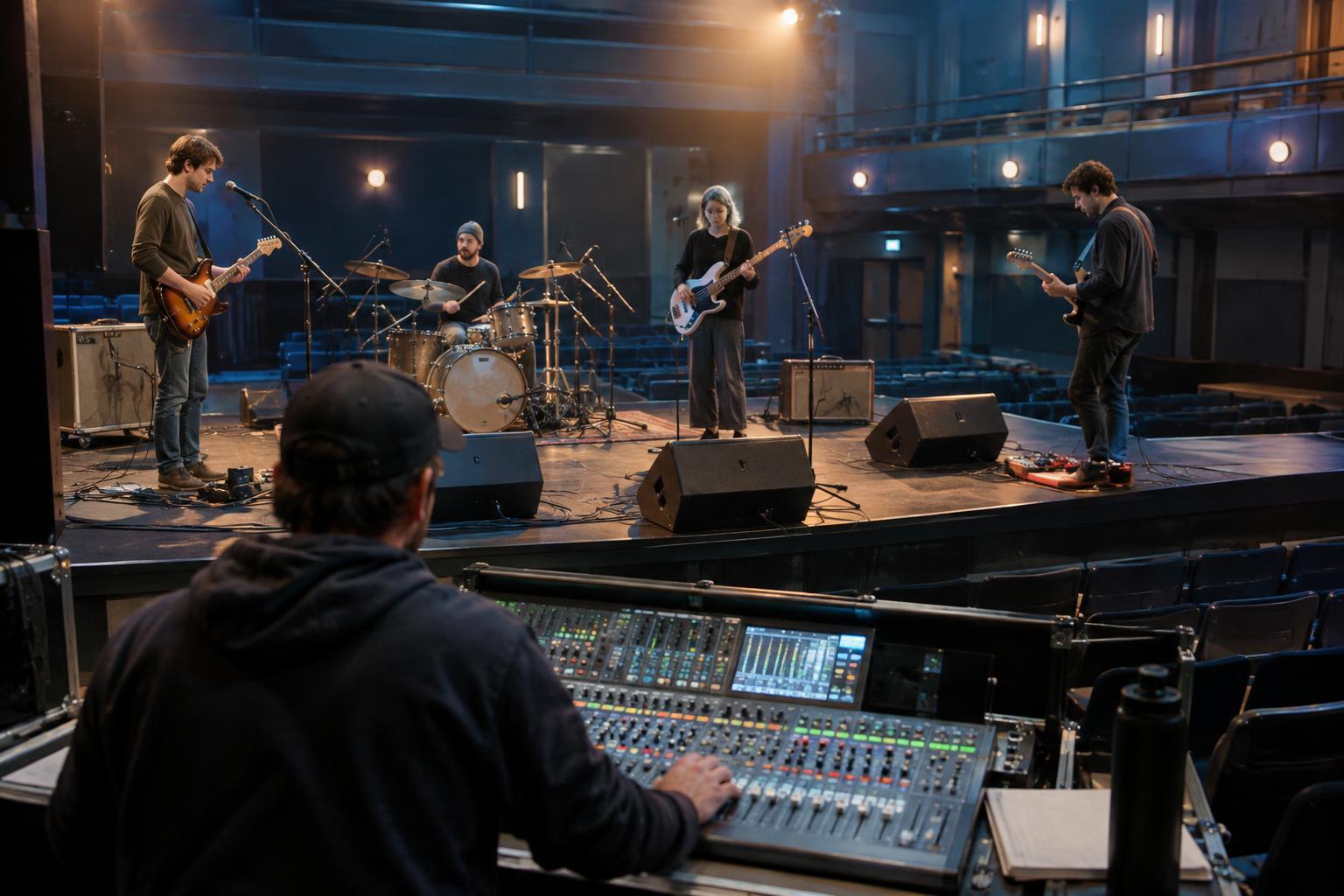
Music and PerformanceRehearsal and soundcheck both happen before a performance, but they solve different problems. One helps musicians shape the show; the other helps them hear and deliver it in a particular room. Understanding the difference makes both more useful.
Read article · 4 min↗
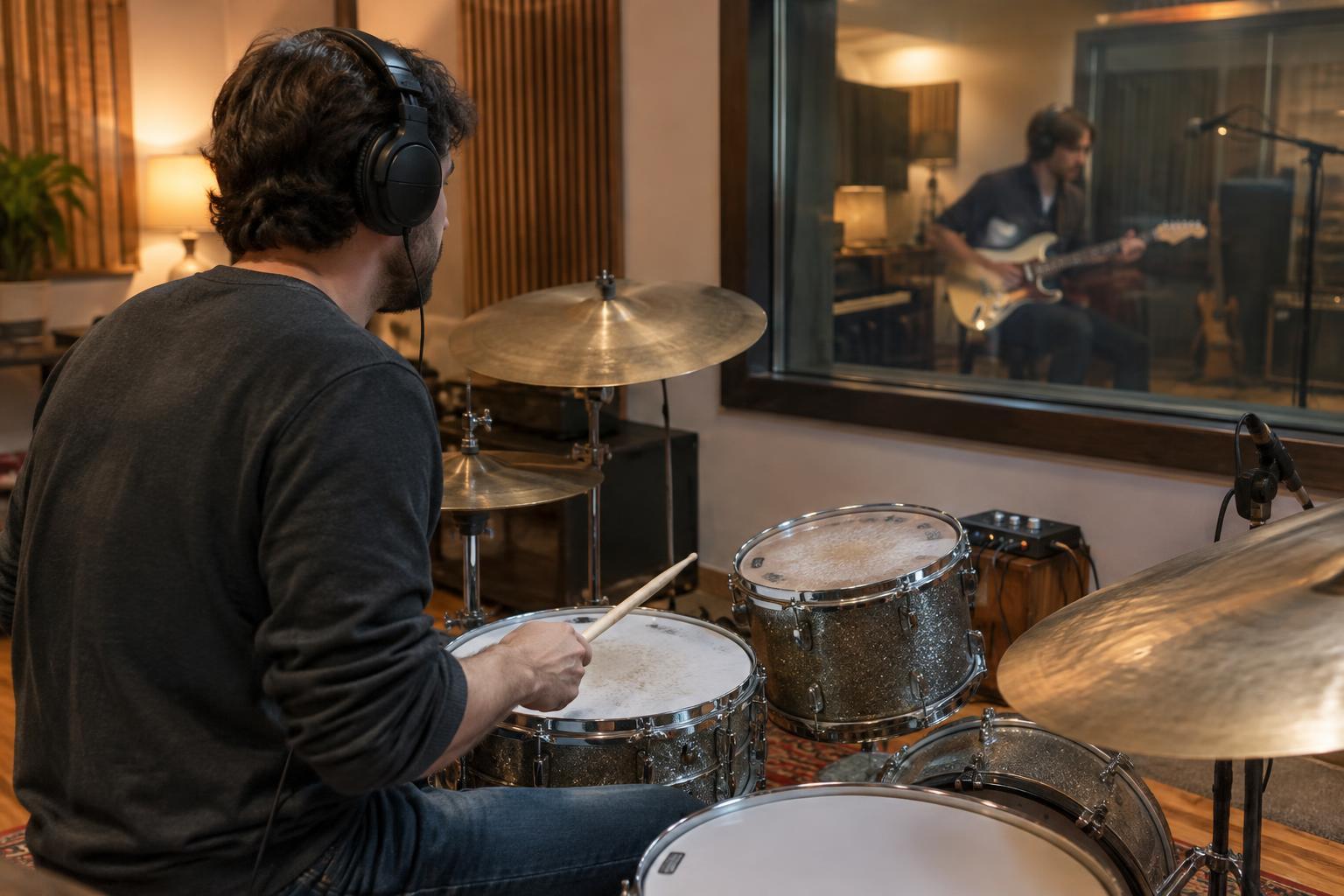
Music and PerformanceA click track can keep a recording, a band and a visual production in sync. It can also feel restrictive when a song needs room to breathe. Here is how musicians decide whether to follow the click, adapt it or leave it out.
Read article · 4 min↗

Music and PerformanceA live vocal rarely lands exactly like its recorded counterpart. Changes in breath, timing, room sound and musical company can all reshape how a singer delivers a familiar line.
Read article · 4 min↗

Music and PerformanceA long vocal phrase is more than a test of lung capacity. It asks a singer to plan where to breathe, release air steadily and keep the words expressive. Here is how those choices work together in performance.
Read article · 4 min↗

Music and PerformanceA vocal warm-up is more than a few scales before a performance. It gives singers a chance to coordinate breath, sound, articulation and attention before the demands of a song or set.
Read article · 3 min↗

Music and PerformanceA song’s original key is a starting point, not a rule. Singers choose a key by testing the full melody, noticing where it sits most of the time, and finding a balance between vocal ease and the character of the performance.
Read article · 4 min↗
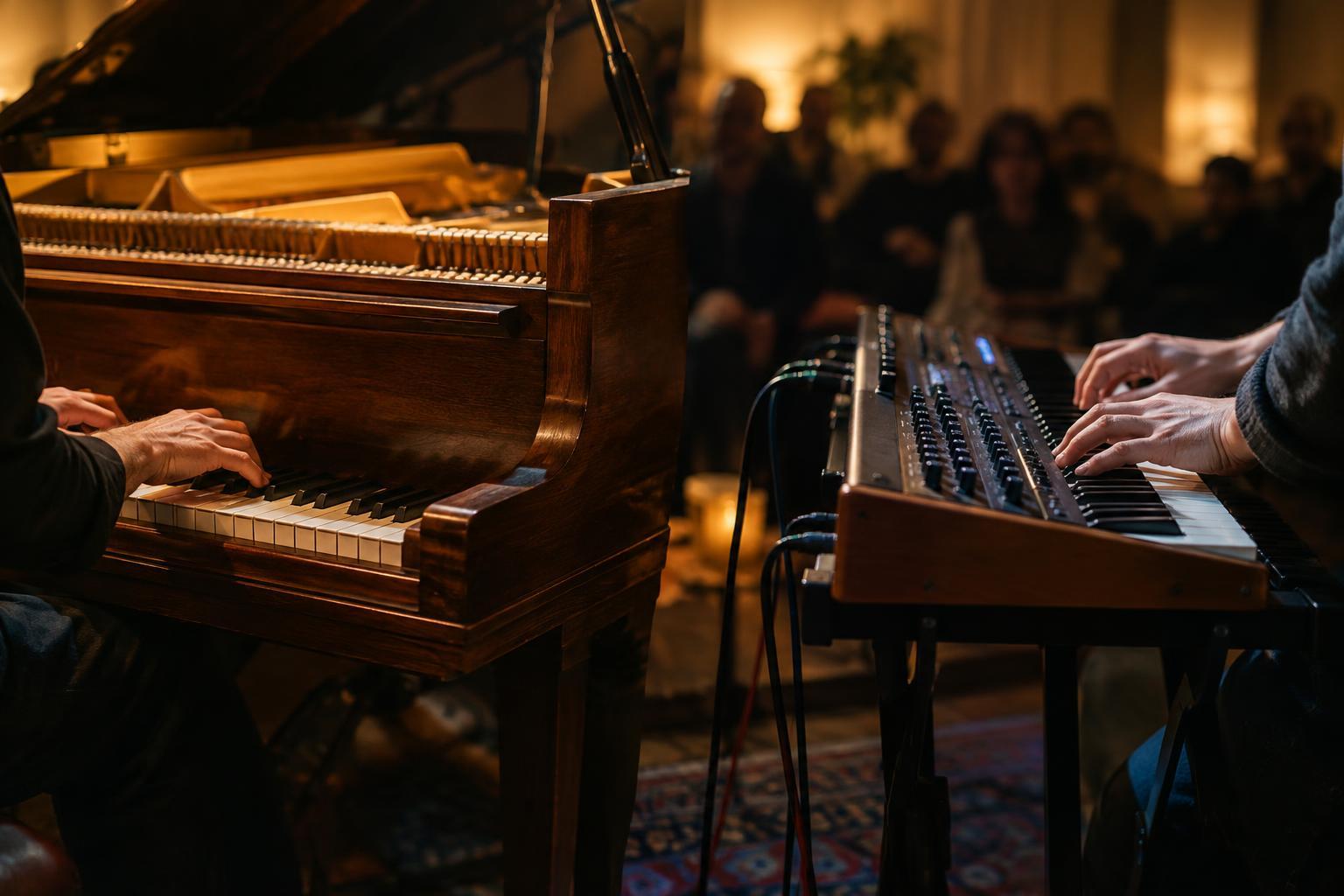
Music and PerformanceAn instrument does more than make a sound. Its response, range and relationship with the room can change how a musician plays—and how an audience experiences the performance. Here is a practical way to listen to the different possibilities acoustic and electronic instruments offer.
Read article · 4 min↗

Music and PerformanceA key change can make a chorus feel newly urgent, turn a familiar melody into a fresh arrival, or quietly redirect a song’s emotional path. Its effect depends less on moving higher than on when the shift happens and what surrounds it.
Read article · 4 min↗

Music and PerformanceMelody is the line you can follow or sing; harmony is the combination of notes that gives that line context. Here is a beginner-friendly guide to hearing each one and noticing how they shape a performance together.
Read article · 4 min↗
Music and PerformanceA song can make you tap your foot before you know what you’re hearing. This guide offers a practical way to find its pulse, describe its speed, notice how beats are grouped and listen for the rhythmic choices that give a performance its character.
Read article · 4 min↗

Music and PerformanceA song’s sections do more than organize its lyrics. Verses can draw listeners into a story, choruses can give them something to recognize and sing, and bridges can make a familiar refrain feel new. Here is how those parts work together, and why memorable songs sometimes bend the pattern.
Read article · 4 min↗