What the click actually does
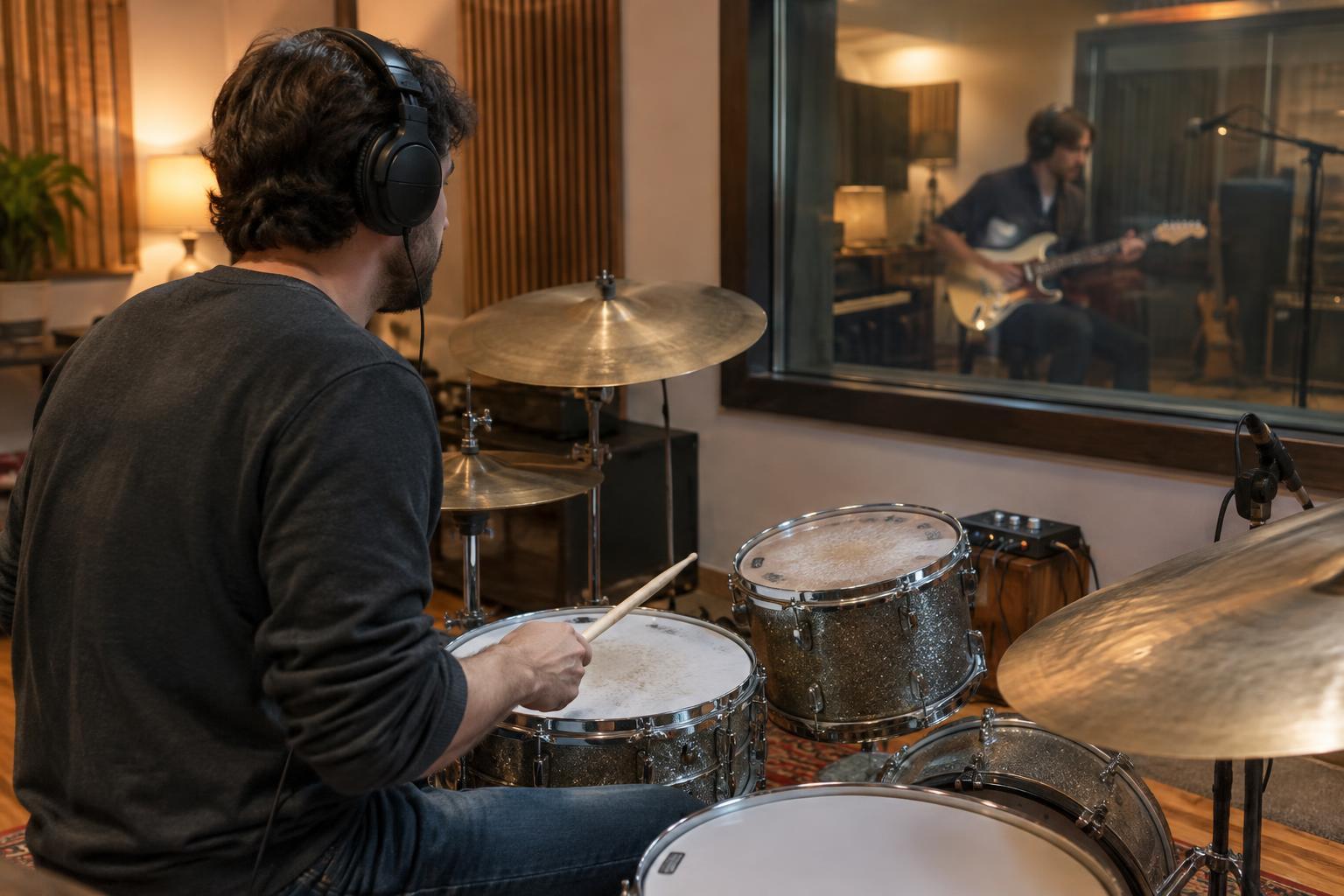
A click track is a repeating sound that marks musical time, much like a metronome. Musicians usually hear it through headphones or in-ear monitors rather than through the speakers the audience hears. It might emphasize the first beat of each bar, play a simple subdivision between beats, or change pace according to a programmed tempo map. Its job is to provide a shared reference, not to make the musical decisions for the players.
That distinction matters because a song can be precisely timed without sounding stiff. A drummer may place a snare hit slightly behind the beat, while a singer stretches a phrase over it. The click establishes where the beat is; the performance supplies the feel. For a musician new to playing with one, however, that separation takes practice. Listening too intently to every tick can make the part sound cautious instead of confident.
Why recordings often begin with a click
In a recording session, a steady timing reference can make separate performances easier to assemble. A drummer might record first while listening to a click, followed later by bass, keyboards, vocals and other parts. If someone needs to replace a passage or try a different arrangement, the players know where that passage sits. A consistent tempo can also help an engineer line up edits without asking the musicians to recreate every earlier detail.
A click is especially useful when music must meet something else on cue: a programmed rhythm, a sequence of electronic sounds or a picture edit. It does not have to remain at one speed throughout the song. A tempo map can guide a gradual acceleration, a slower bridge or a change in meter. Planning those shifts lets the recording keep its shape while still giving performers clear landmarks.
What changes onstage
In a live show, a click can connect human players to elements that cannot simply follow the drummer. A backing track, a preprogrammed lighting sequence or a video cue may depend on the song reaching a particular moment at a predictable time. Often one or more band members hear the click privately and use it to keep the ensemble aligned. The audience hears the resulting performance, not the timing signal.
This arrangement asks for more than accurate counting. Musicians need to agree on how songs begin, what happens during breaks and who leads if a transition goes wrong. A count-in may arrive in the monitors before any sound reaches the room. Rehearsing with the same cues used in performance helps the band treat the click as part of the show’s structure rather than an unexpected interruption.
Why some performances leave it out
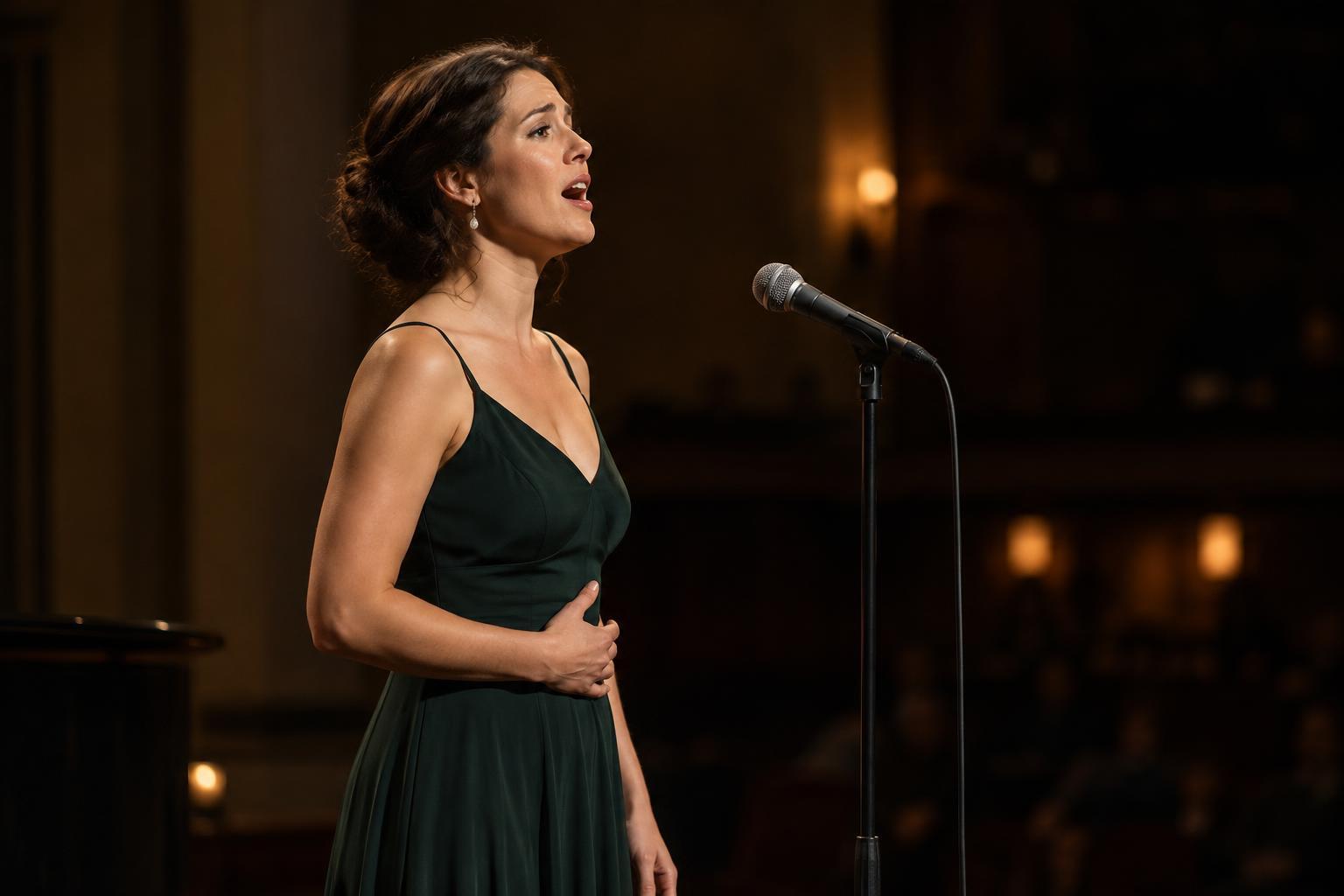
Not every piece benefits from a fixed reference. A solo singer accompanying themselves, for example, might pause before an important line or move through a verse a little faster in response to its words. A small group that plays together closely may prefer to follow a shared breath, a glance or the natural push and pull of its rhythm section. These choices can make the timing expressive rather than careless.
Playing without a click also changes what the musicians must listen for. Instead of comparing their parts with a private tick, they rely on one another to establish and adjust the pace. That approach can feel immediate, but it is not automatically more musical. A group can rush or lose its shape; a band following a click can still play with warmth. The question is whether the timing method supports the performance everyone is trying to give.
Finding the right amount of guidance
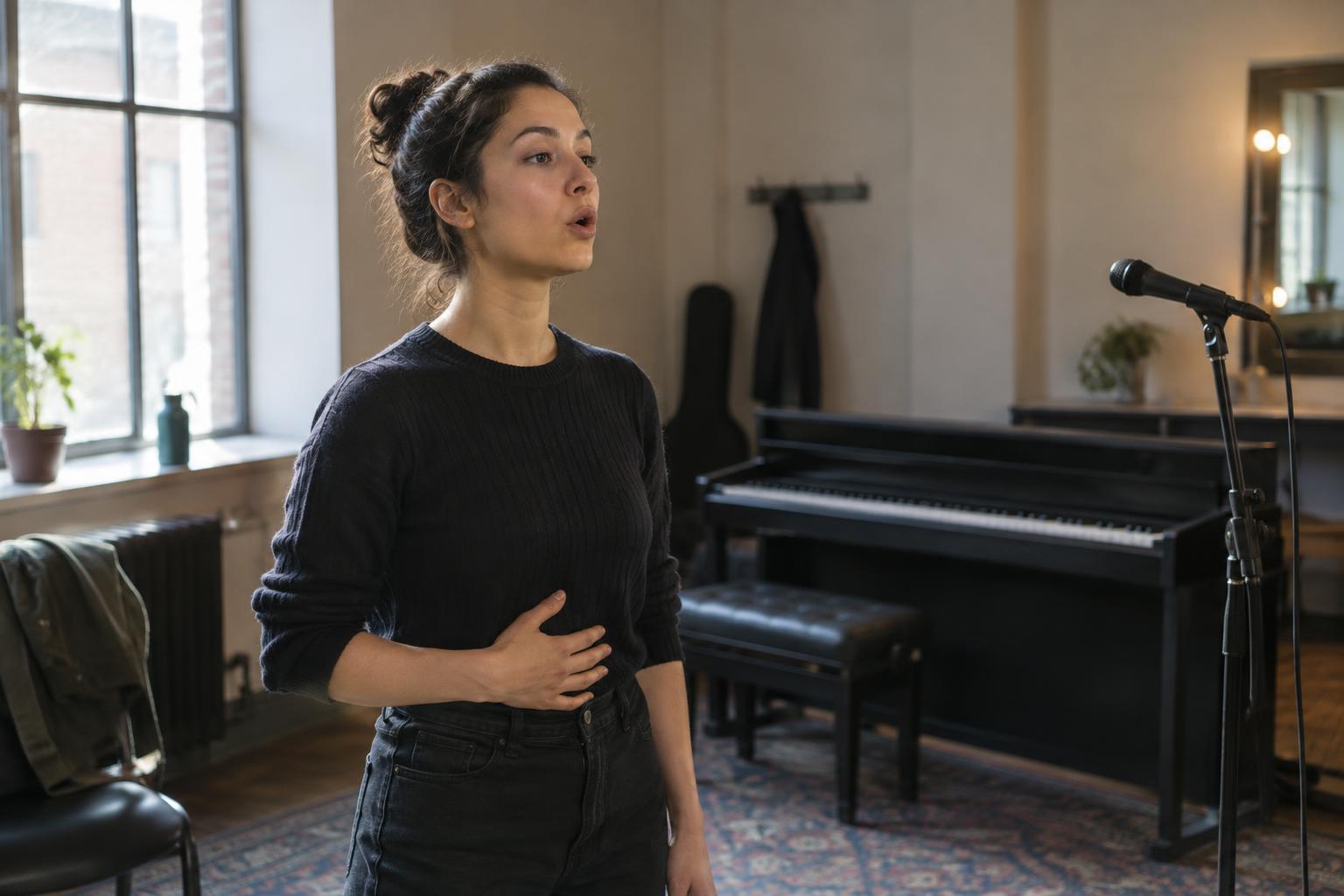
The choice is not always click or no click for an entire song. Musicians might use a count-in, record the basic rhythm together without a click, or follow a tempo map that leaves room for planned changes. In rehearsal, they can try the same passage both ways and listen back. Does the click help the chorus land with energy? Does removing it make the quiet opening feel more natural? Those are more useful questions than whether one method is inherently authentic.
A good click track is often most noticeable to the people using it. It gives them a dependable point of reference while leaving space for dynamics, phrasing and interaction. When that reference starts to distract from listening or limits an expressive moment, musicians can change how they use it—or choose to play without it. The goal is not perfect obedience to a pulse. It is a performance whose timing serves the song.