Film Culture
How to Read the Storytelling Role of a Film Prop
A key, letter or coin can do more than fill a set. Learn how to notice what a prop tells you through its placement, handling and return across a film.
Read article · 3 min↗Film Culture
More to discover ↗A key, letter or coin can do more than fill a set. Learn how to notice what a prop tells you through its placement, handling and return across a film.
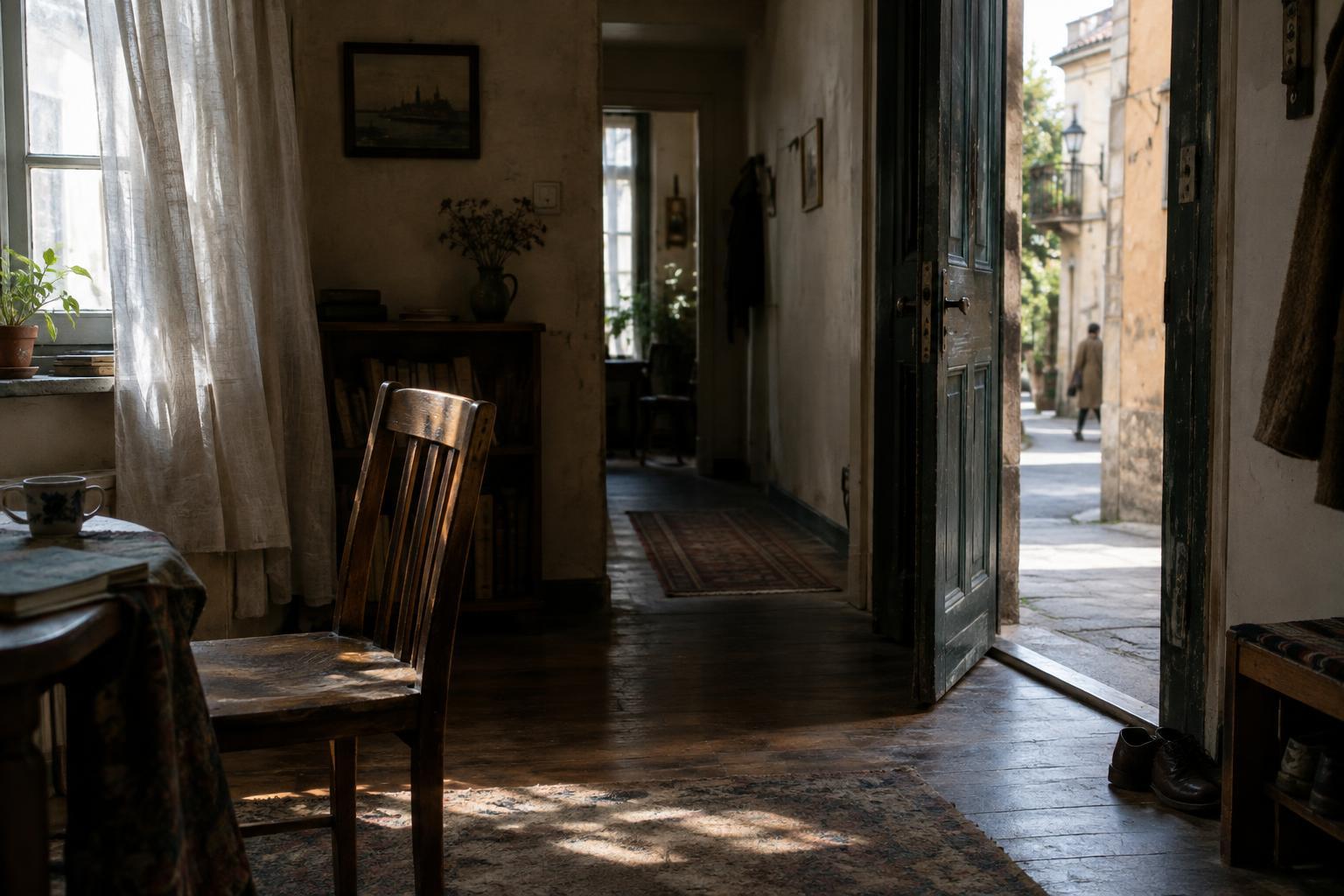
Read article · 3 min↗A film location is more than the area visible in a shot. Learn how establishing views, sound, offscreen action and carefully chosen details help viewers imagine a space—and how to notice when a film deliberately withholds it.
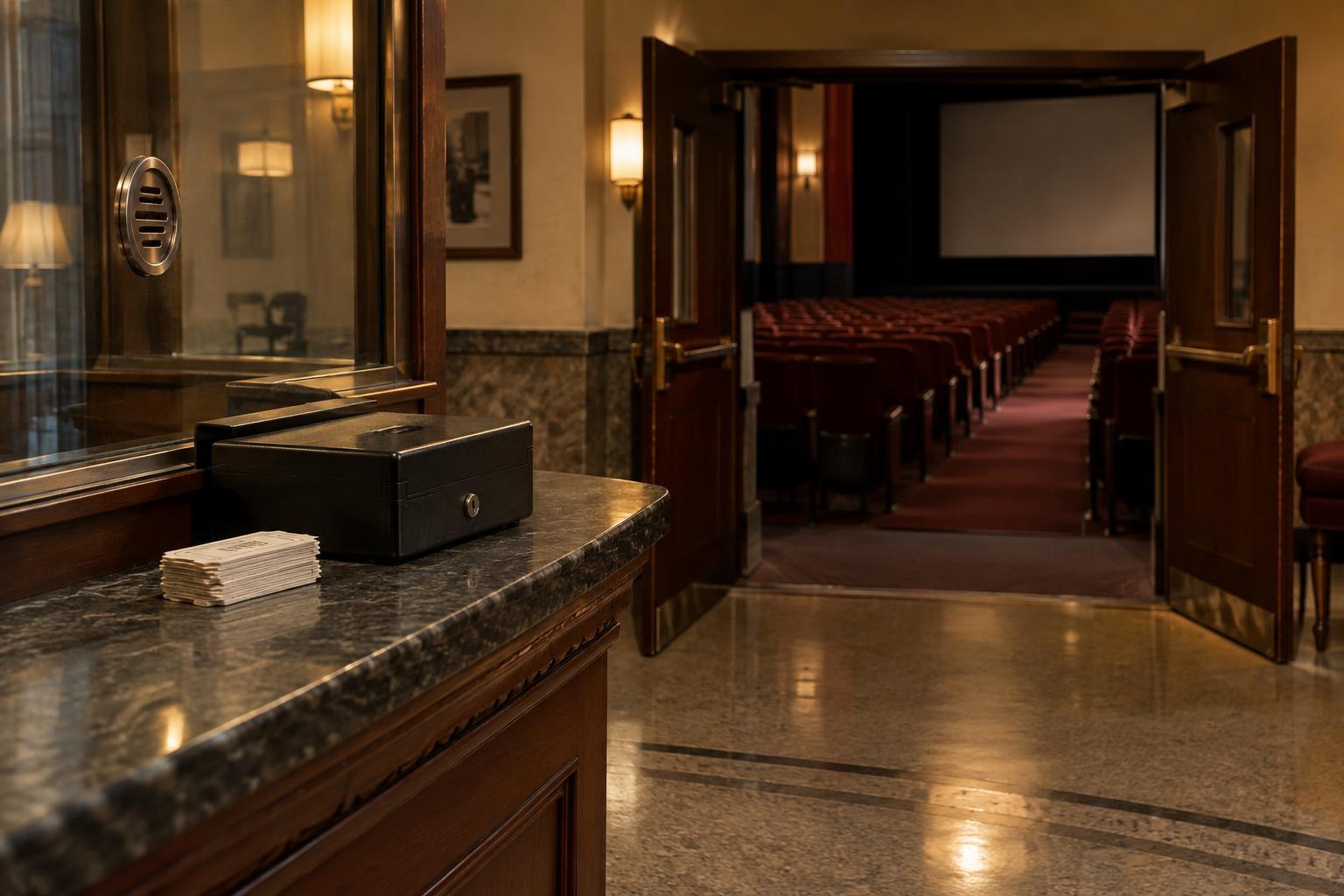
Read article · 4 min↗A box-office total can tell you how much money flowed through ticket counters, but it cannot tell you everything about a film’s success. Here are the most common ways those numbers get misread, and the questions worth asking instead.
Read article · 4 min↗Older films can be compelling works of art and revealing records of the assumptions behind them. A thoughtful approach makes room for craft, historical context and honest criticism of harmful portrayals.
Read article · 4 min↗A film’s language options do more than change how dialogue reaches you. Learn what subtitles, captions and dubbing each provide, how they affect a performance, and how to choose a version that works for the film and your viewing situation.
Read article · 4 min↗A restored film and a remastered film can look and sound different, but the labels describe different kinds of work. Here’s how to understand the changes you may notice on screen.
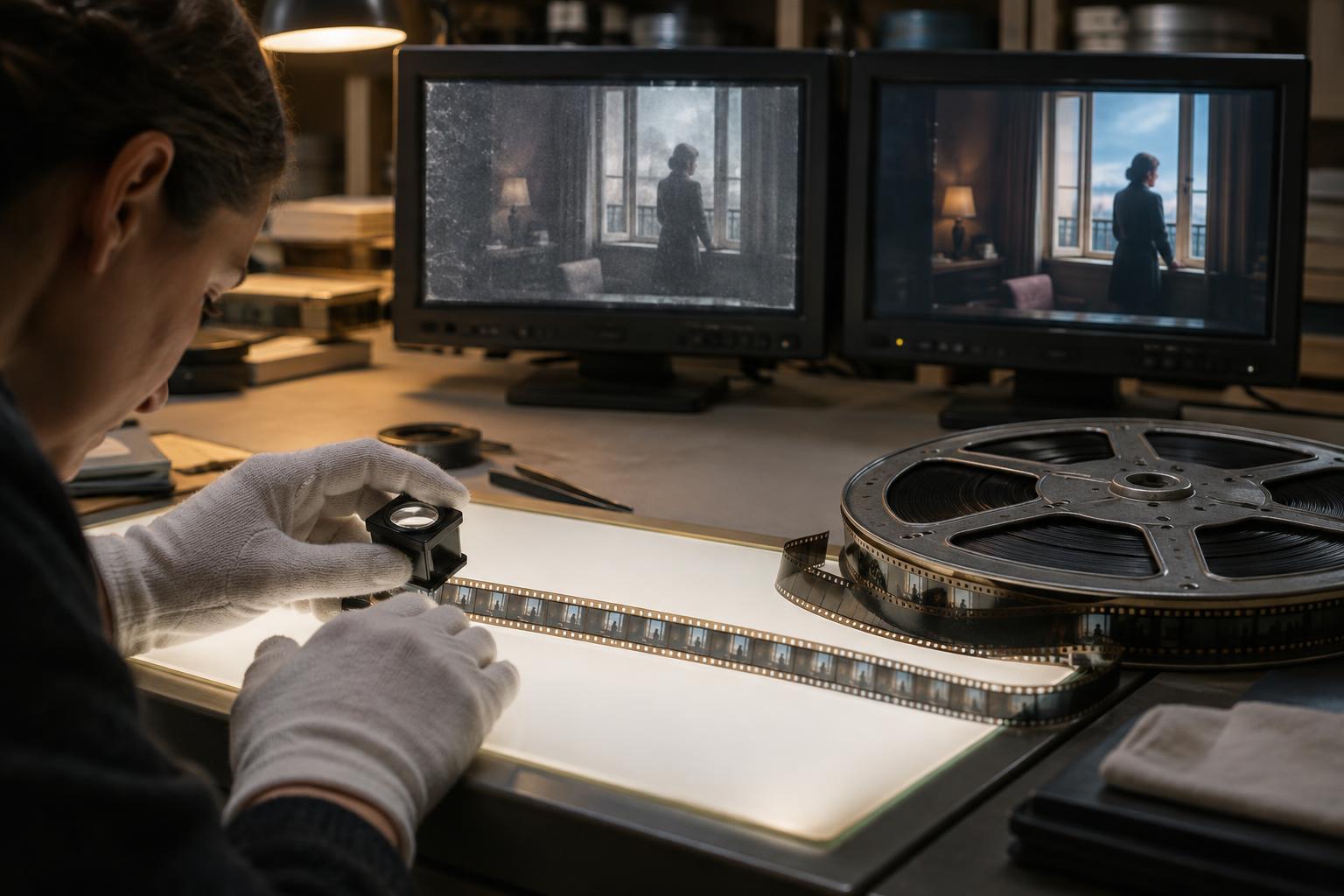
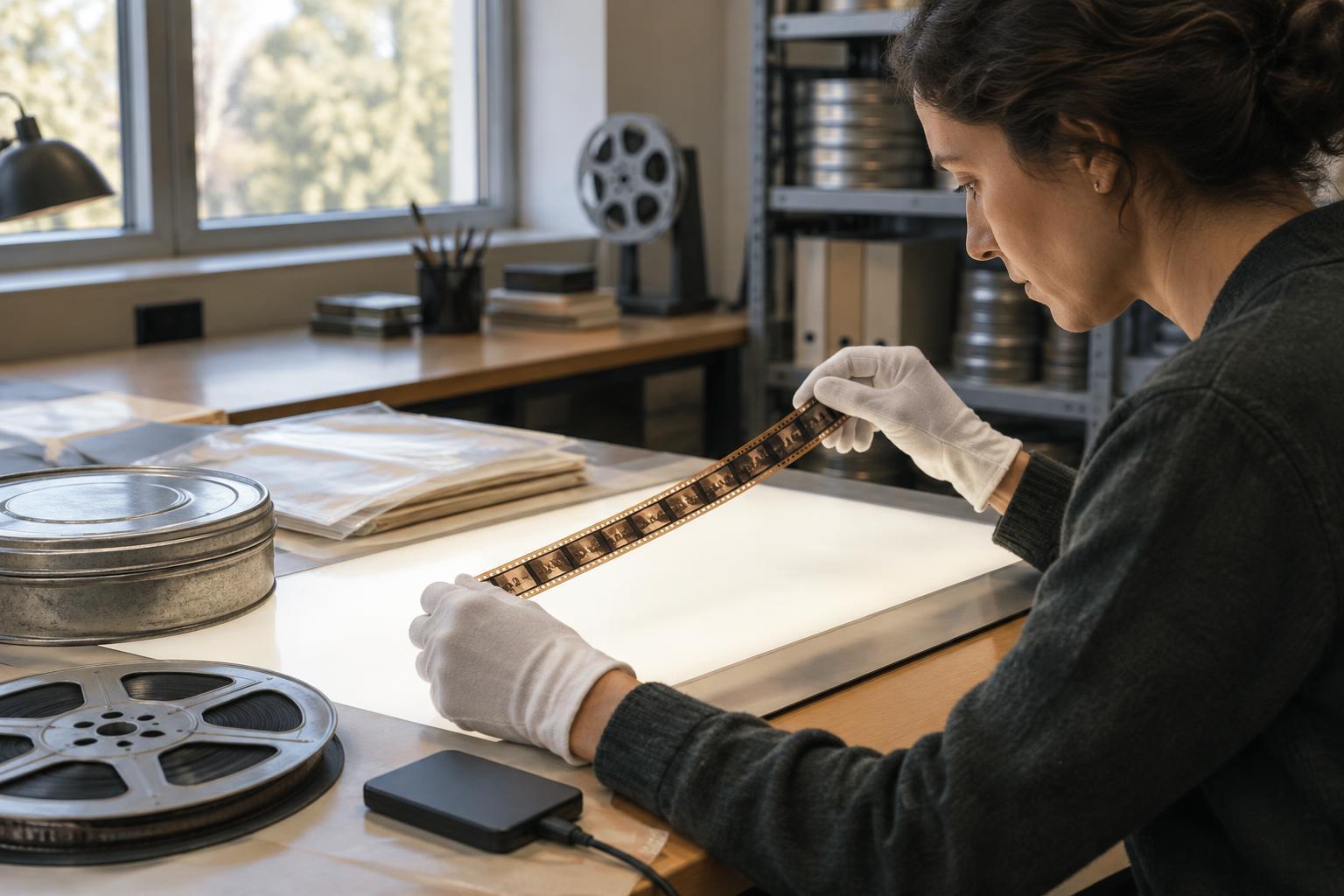
Read article · 4 min↗A film can survive as a file and still lose parts of its image, sound, history or intended presentation. Preservation brings together physical materials, careful documentation, digital maintenance and thoughtful access.
Read article · 4 min↗A film festival does more than choose titles. Its programmers build a lineup around the festival’s purpose, then use schedules, introductions, discussions and screening spaces to help audiences encounter those films.
Read article · 4 min↗A film’s age rating is a useful starting point, but it cannot describe every scene, theme or reaction. Here is how to read ratings alongside content notes and a viewer’s own preferences.
Read article · 3 min↗An unreliable narrator does not have to lie outright. Film can make a character’s version of events feel convincing through camera placement, editing, sound and performance. Here is a practical way to notice when a movie may be asking you to question what you see.
Read article · 4 min↗A persuasive film review does more than announce whether a movie works. It shows readers which choices shaped that judgment, from framing and sound to performance and pacing. Here is a practical way to turn observations into clear, fair arguments.
Read article · 4 min↗An animated character can be drawn, posed as a physical puppet or built in a digital space. Each method creates movement differently, giving filmmakers distinct ways to shape performance, texture and the world around a character.
Read article · 4 min↗Documentaries do more than record events. The filmmaker’s choices shape how viewers meet a subject, hear a story and understand what remains outside the frame. This guide explores three approaches—observational, participatory and essay filmmaking—and offers questions to ask while watching.
Read article · 4 min↗A film adaptation can change characters, scenes, or even an ending and still have a meaningful relationship with its source. A more revealing comparison asks what each version is trying to make us feel, notice, and question.
Read article · 4 min↗Genres give audiences a way to anticipate a film’s pleasures, from the suspense of a thriller to the emotional rhythm of a romance. Subgenres make those promises more specific. Looking at familiar conventions reveals how filmmakers can meet expectations, bend them or use them to make a surprising scene more powerful.
Read article · 4 min↗A film told out of order does more than rearrange events. By choosing when viewers learn a fact, it can turn an ordinary scene into a mystery, make an outcome feel tense, or change the meaning of a moment we have already seen.
Read article · 4 min↗A frame’s shape influences more than the amount of picture on screen. It affects how filmmakers arrange people and places, guide attention, and make a scene feel intimate or expansive. Here’s how to notice those choices without treating any one shape as the best.
Read article · 4 min↗A melody can return in a film without repeating the same idea. Changes in its arrangement, timing and context can reveal a character’s shifting perspective, connect distant scenes or make an ending feel newly meaningful.
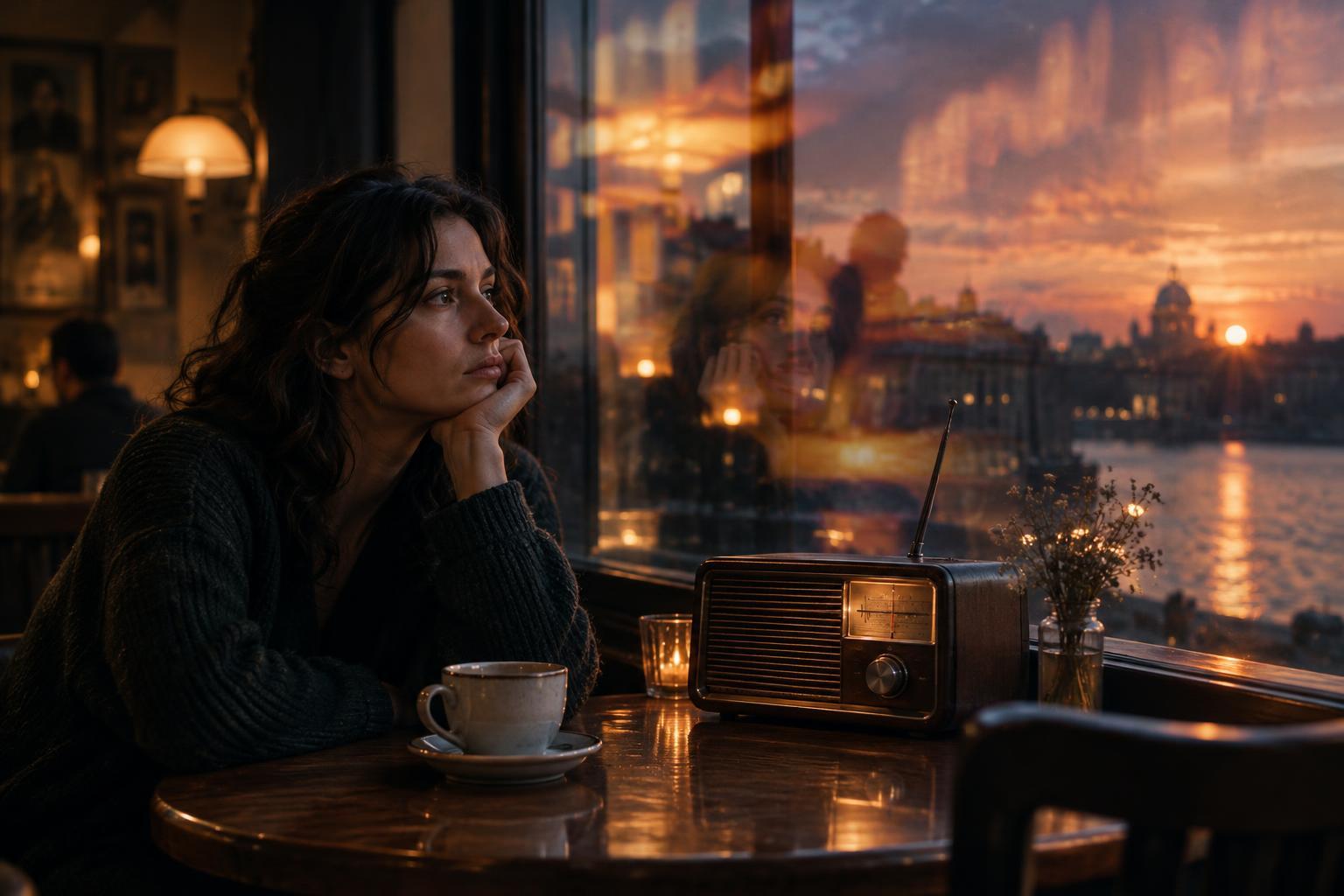
Read article · 4 min↗A song on a café radio and a swelling orchestral score can shape the same scene in very different ways. Understanding who can hear a sound helps reveal how films guide attention, emotion and point of view.
Read article · 4 min↗A film can cut between close-ups and wide shots without losing the audience, provided each shot preserves a clear sense of where people and objects are. Screen direction and the 180-degree rule help filmmakers build that continuity—and give them a way to disrupt it deliberately.
Read article · 4 min↗A scene can direct our attention without telling us where to look. Explore how actor blocking and camera movement work together—and sometimes pull against each other—to shape what we notice and when.
Read article · 4 min↗A wide shot can show where a character belongs, while a close-up can draw attention to the smallest change in expression. Learn how to read shot sizes as part of a scene’s visual storytelling, without assuming any one framing has a fixed meaning.
Read article · 4 min↗