Shot size is a choice about attention
Shot size describes how much of a subject appears within the frame. A person might be a small figure in a landscape, visible from the waist up, or shown so closely that their face fills the screen. These choices affect what viewers can observe: surroundings, body language, facial expression or a particular object. They can also influence how near or distant a moment feels.
No shot size carries one guaranteed meaning. A close-up may invite sympathy, but it can also make a character seem trapped or difficult to read. A wide shot may establish freedom, loneliness or simply the layout of a room. To understand a choice, look at what the frame includes, what it leaves out and what the scene has led you to expect.
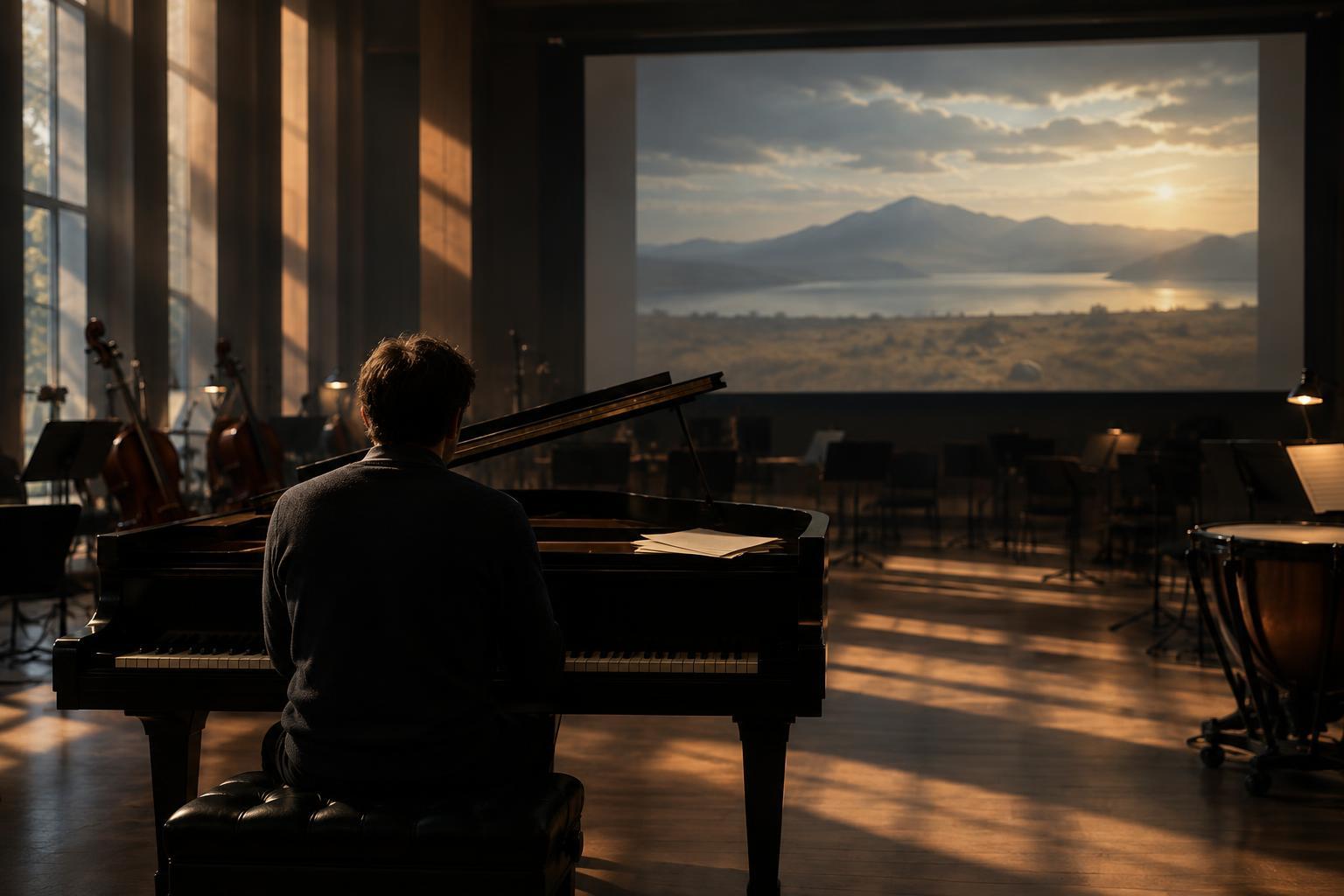
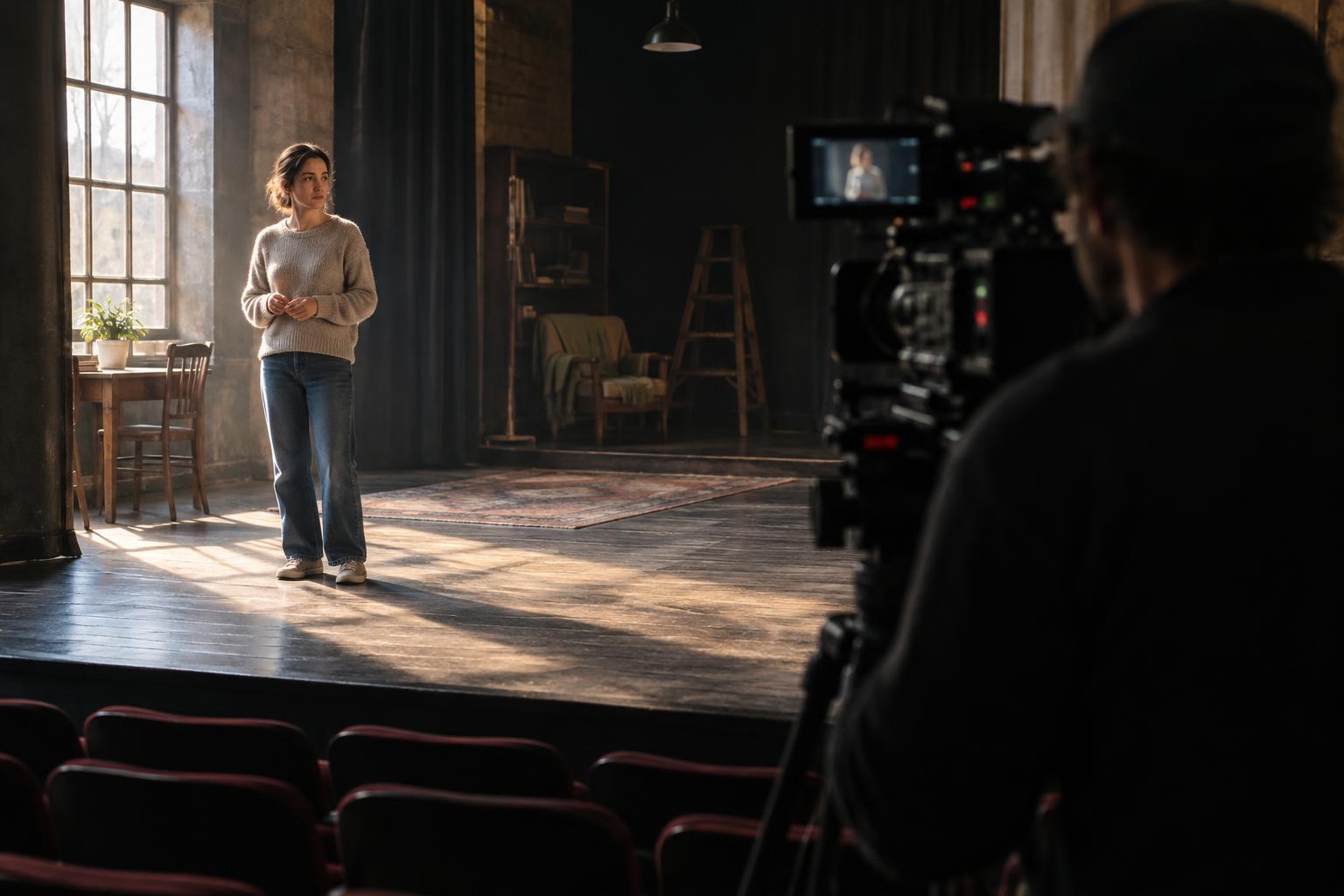
Wide shots show people in a world
An extreme wide shot places a subject within a large environment, sometimes making the person difficult to pick out. A wide shot still gives the surroundings considerable space while making actions easier to follow. Both can help a viewer understand where a scene takes place and how characters relate to that space. An empty stretch between two people, a crowded doorway or an imposing building can become part of the drama.
Wide framing is especially useful when movement matters. If a character crosses a room to avoid someone, seeing both people and the distance between them lets the audience notice the decision. But a wide shot does not have to be an opening view that merely supplies information. Returning to the same broad view after an argument, for example, may make a once-comfortable room feel newly divided.
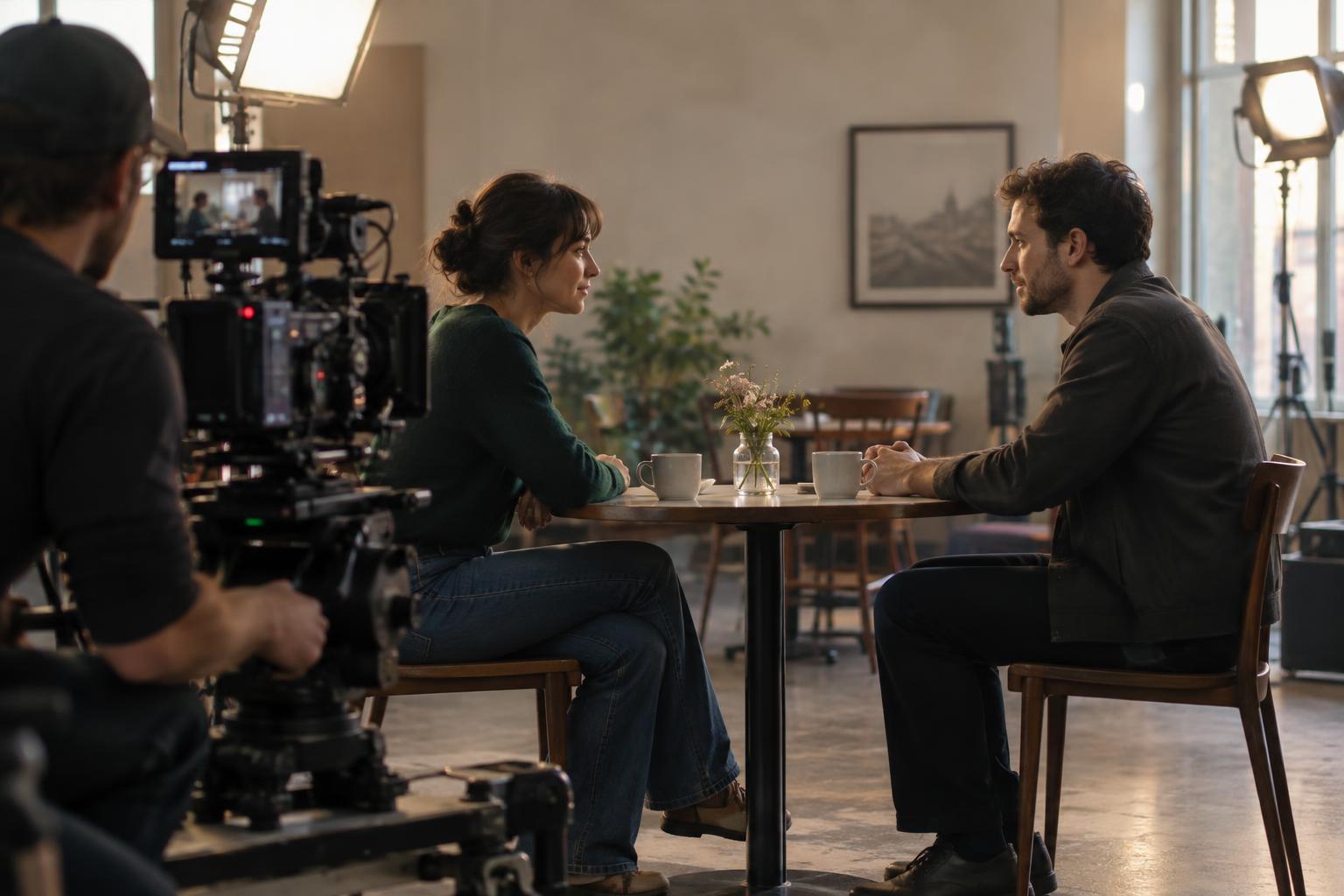
Medium shots balance action and expression
A medium shot often shows a person from around the waist up, though the boundary is flexible. It leaves room for gestures while keeping faces legible. That balance makes it useful for conversations, shared tasks and moments when what someone does with their hands matters as much as what they say. A medium shot of two people can also show how they occupy the same space: whether they face each other, turn away or hesitate before moving closer.
Because medium shots feel familiar, they can be easy to overlook. Pay attention to changes within them. A character who begins at the edge of a frame and moves toward its center may seem to take charge; another who is partly blocked by a doorway may appear separated from the conversation. These are possibilities, not rules. The actors’ movement, the setting and the surrounding shots all shape how the framing reads.
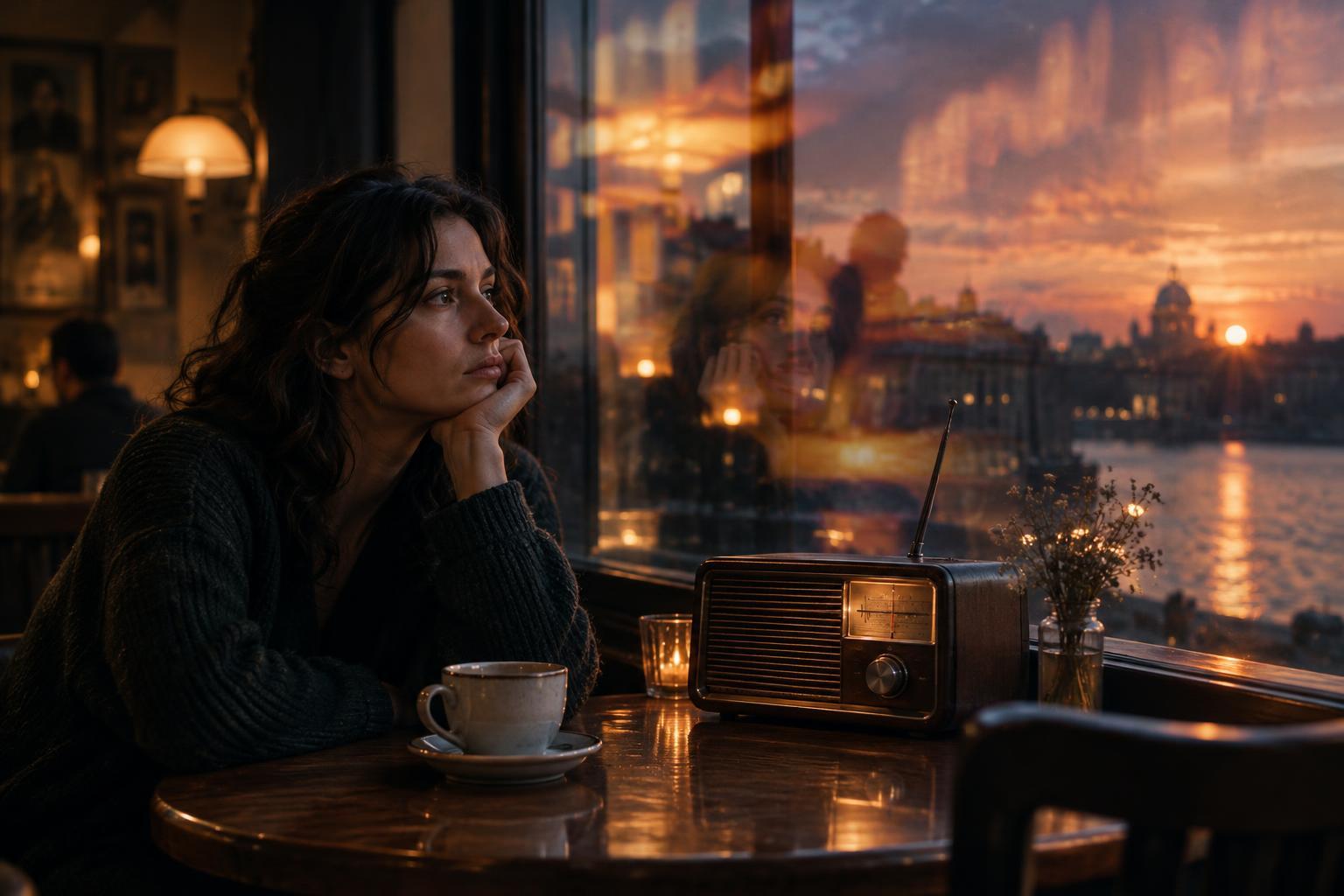
Close-ups make small details consequential
A close-up gives a face or object much of the frame. It can make a slight reaction visible: a glance held too long, a smile that fades, or a hand tightening around a letter. An extreme close-up narrows attention further, perhaps to eyes, fingers or one detail of a prop. When there is less surrounding information to inspect, viewers may search that detail for significance.
What a close-up reveals depends on when it appears. A face shown immediately after difficult news may let the audience study a response. Cutting instead to an object the character is looking at can shift attention from feeling to evidence or memory. Close framing can also withhold information: if we see only one person’s reaction, we may not yet know what the other person has done. Proximity to a face is not the same as access to a character’s thoughts.
Read the change, not just the frame
A useful way to watch a scene is to notice its sequence of shot sizes. Does it begin wide and move closer as a conversation becomes personal? Does it cut from close-ups to a wide view that shows how far apart the characters remain? A sudden change can redirect attention, while a long stretch at one distance may allow a performance or movement to unfold without interruption.
Shot size works alongside camera position, lighting, sound, editing and performance. A close-up from below may feel different from one at eye level; a wide shot held in silence may land differently from the same view under lively music. On a second viewing, choose one scene and track what each frame lets you see and what it keeps outside the image. That simple habit turns labels such as “wide” and “close” into questions about how a film guides your attention.