A familiar sound gives the audience something to remember
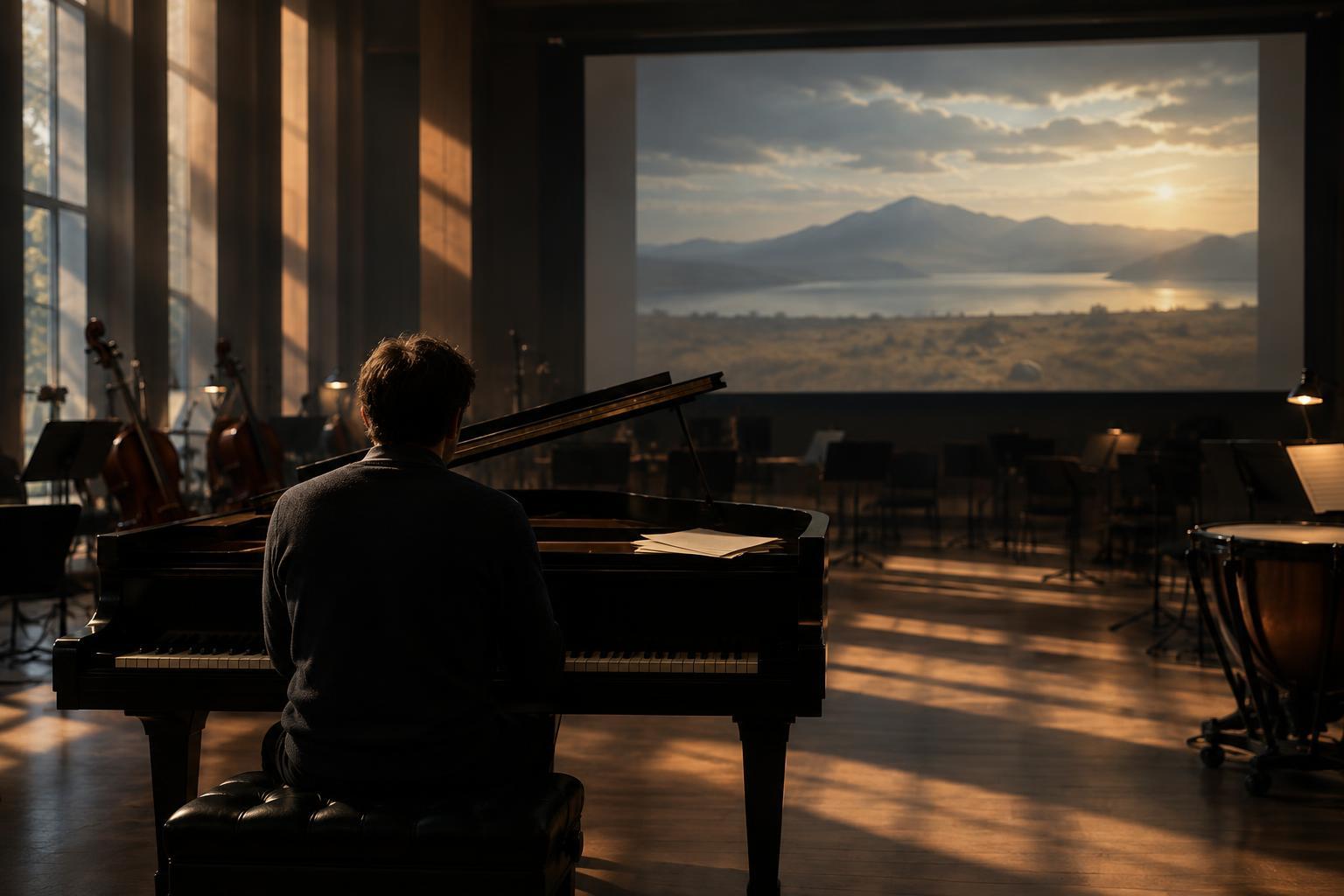
Film stories ask viewers to keep track of people, places and ideas while images and dialogue move quickly. A recurring musical theme can provide an audible point of recognition. It might be a short melody associated with a character, a rhythm that accompanies a particular choice, or a phrase first heard in a place the story will later revisit. When it returns, the audience may recognize a connection before anyone on screen names it.
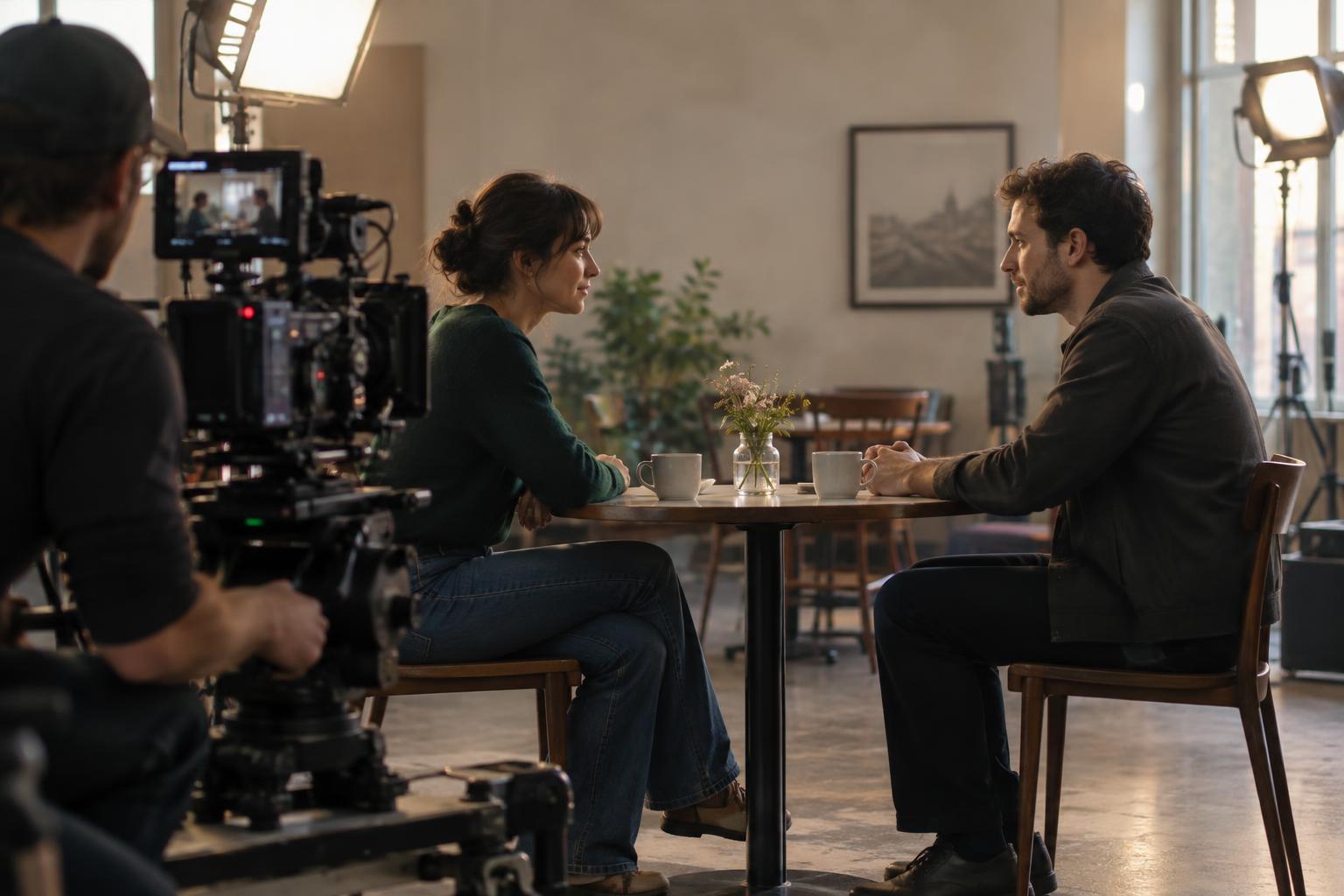
That recognition is useful because music can link scenes that look very different. A theme introduced during a quiet family meal might reappear beneath a crowded train-station farewell. The setting has changed, but the sound invites viewers to carry something from the earlier scene into the later one. The link does not dictate a single interpretation; it gives the audience a memory to work with.
The change matters as much as the repetition
A recurring theme rarely needs to sound identical each time. Tempo, instrumentation, harmony and volume can alter its character while leaving enough of its shape intact to be recognized. A bright phrase played on a solo instrument may feel exposed when it returns slowly beneath tense dialogue. The melody supplies continuity, while the new arrangement suggests that the situation—or the character’s relationship to it—has changed.
Consider a hypothetical story in which a young performer hears a gentle tune before going on stage. Early in the film, it accompanies a reassuring exchange backstage. Later, the same notes arrive in a spare, uneasy arrangement as the performer waits alone in the wings. The film has not had to announce that reassurance has given way to uncertainty. The musical change lets the audience compare two moments and notice what is missing.
Context can transform a theme even when the notes barely change. A melody heard under a joyful reunion may take on a different weight if it returns after a difficult decision. Viewers bring their memory of its first appearance to the new scene. In that sense, a theme develops alongside the story rather than serving as a fixed label for an emotion.
Themes can follow ideas, not just characters
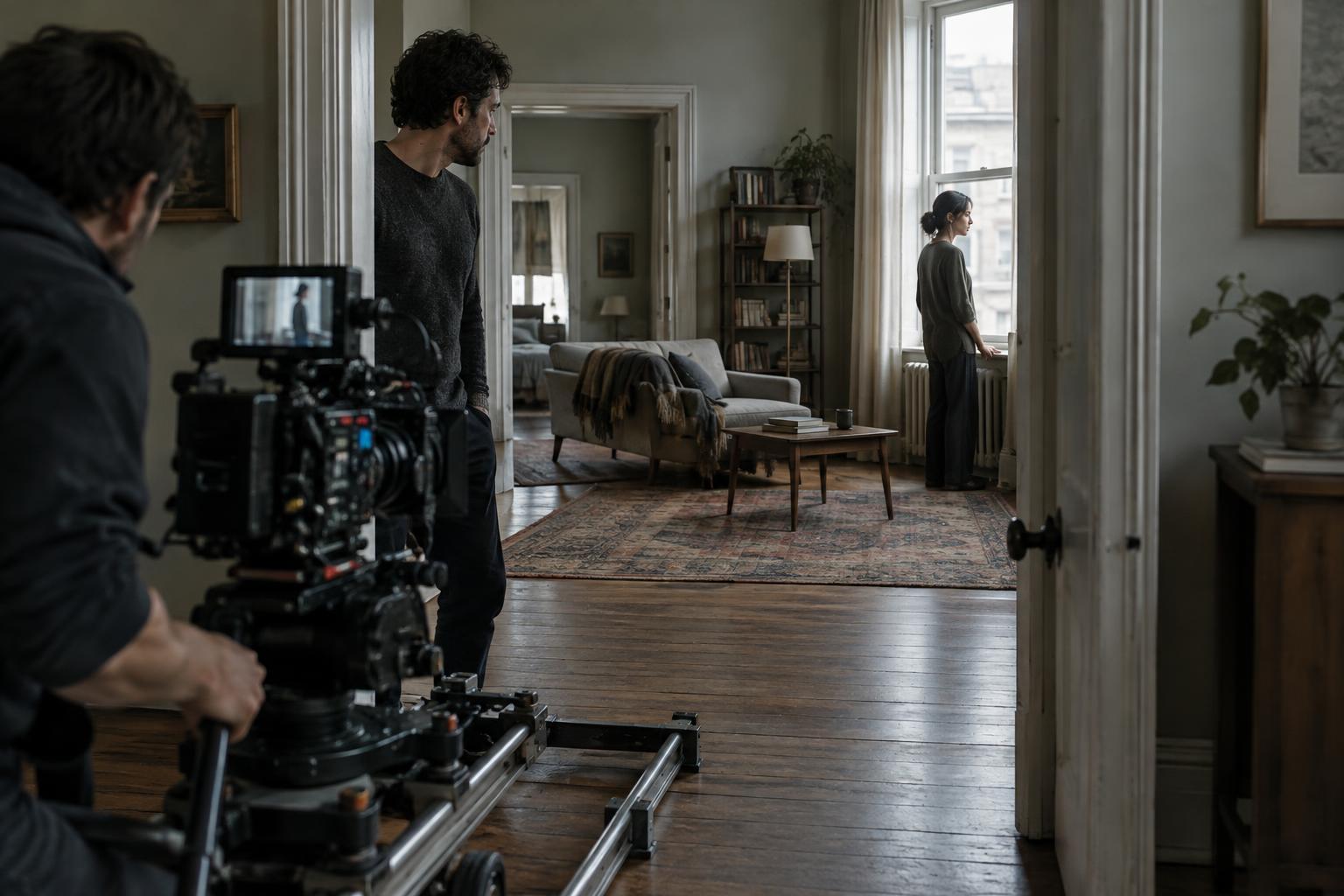
It is tempting to think of every recurring melody as a character’s signature. Some themes do work that way, but others trace a relationship, a place, a promise or a conflict. A tune might surface whenever two characters try to understand each other, even if only one appears on screen. Another might accompany departures from home, gradually making the idea of leaving more complicated with each return.
This flexibility allows music to add a layer that dialogue may leave open. If a theme tied to a shared memory appears during a scene between apparent strangers, viewers may wonder whether the encounter has an unseen connection. If that connection is confirmed later, the earlier cue can feel newly legible. If it is not, the music may still express a character’s private association rather than offer a plot clue.
Not every repeated sound is meant to be decoded as a secret message. A motif can simply create coherence across a film, and a score can also choose to abandon an established pattern. Silence where a familiar theme might have appeared can be striking precisely because the audience has learned to expect it.
Listen for when a theme returns—and when it does not
One way to notice a theme’s storytelling role is to pay attention to its first appearance. What is happening on screen? Who can hear the music within the story, if anyone, and who is hearing it only as part of the score? Those questions help distinguish a song playing in a room from music used to shape the viewer’s experience, though a film can move between the two.
On a later viewing, compare each return rather than merely counting repetitions. Listen for a fragment played instead of the whole melody, a new instrument taking the lead, or an entrance that arrives earlier or later than expected. Then consider what has changed in the scene. The most revealing detail may be that the music now accompanies a different person or that it ends before a character can finish speaking.
Recurring themes do not replace acting, editing or sound design; they work alongside them. Their strength lies in giving a film a memory of its own. By the final return, a few familiar notes can hold the weight of several earlier scenes while still leaving room for the audience to decide what they mean.