
Fan CommunitiesA good fan recommendation exchange helps people discover something they might enjoy without making them sort through spoilers, vague praise or pressure to participate. Here’s how to set one up with useful prompts, clear descriptions and room for different tastes.
Read article · 4 min↗

Fan CommunitiesFan communities can turn shared enthusiasm into meaningful support, but good intentions are not enough to make a fundraiser clear. Learn how to set a specific goal, explain who handles the money, report changes, protect donors’ privacy, and close the loop when the project ends.
Read article · 4 min↗

Fan CommunitiesFan campaigns can celebrate a story, support an artist or ask for a creative project to continue. The difference between advocacy and harassment often lies in how fans treat the people receiving the message. Here are practical ways to make a case without crossing boundaries.
Read article · 4 min↗

Fan CommunitiesA fan project can bring together artists, writers, editors, translators and organizers. A clear brief, a simple contribution log and thoughtful credit practices help everyone see how their work fits into the finished project.
Read article · 4 min↗
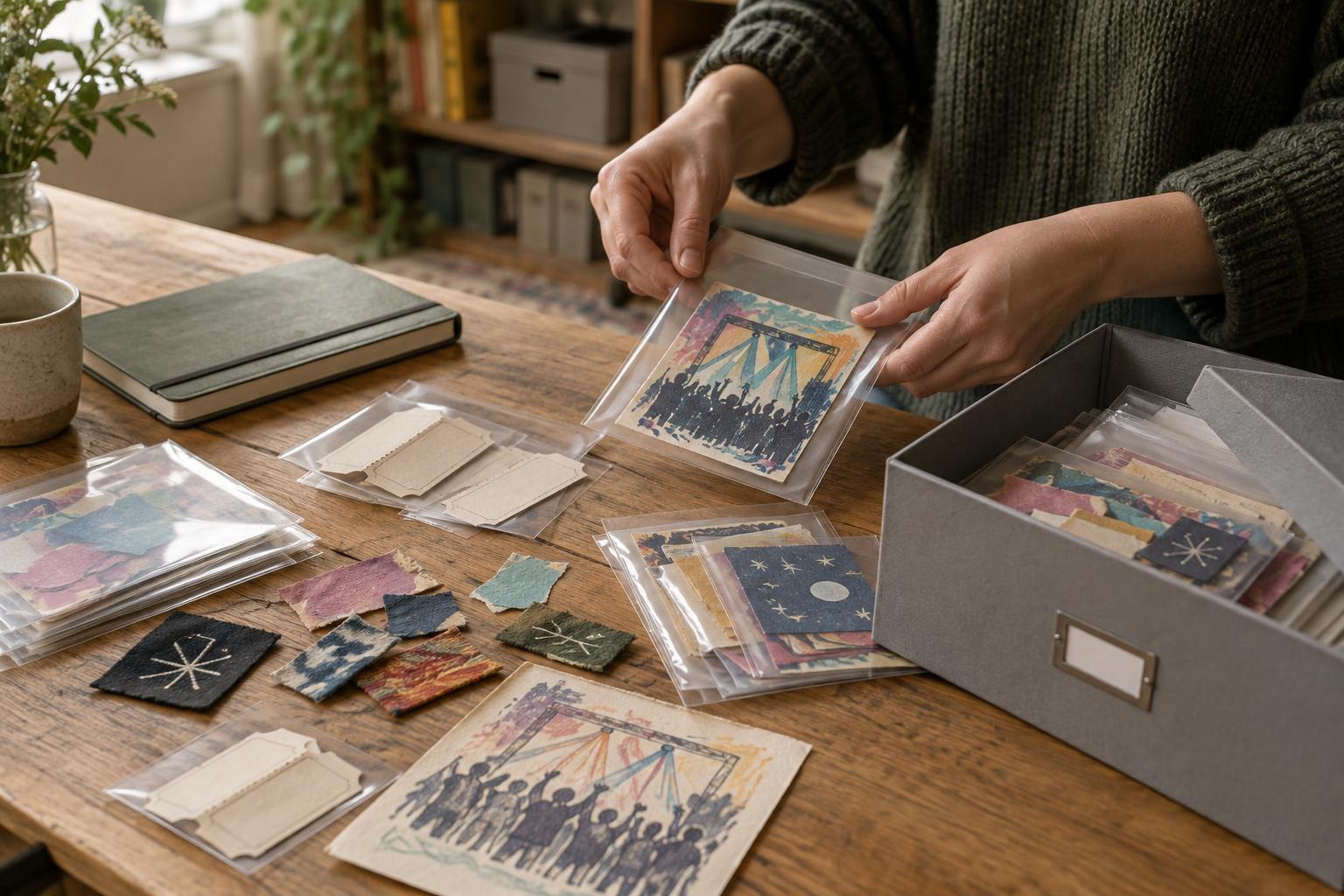
Fan CommunitiesFan communities leave behind a rich record of shared creativity, organizing and connection. Preserving that history takes more than saving posts: it calls for thoughtful choices about consent, context, access and the right to step back.
Read article · 4 min↗
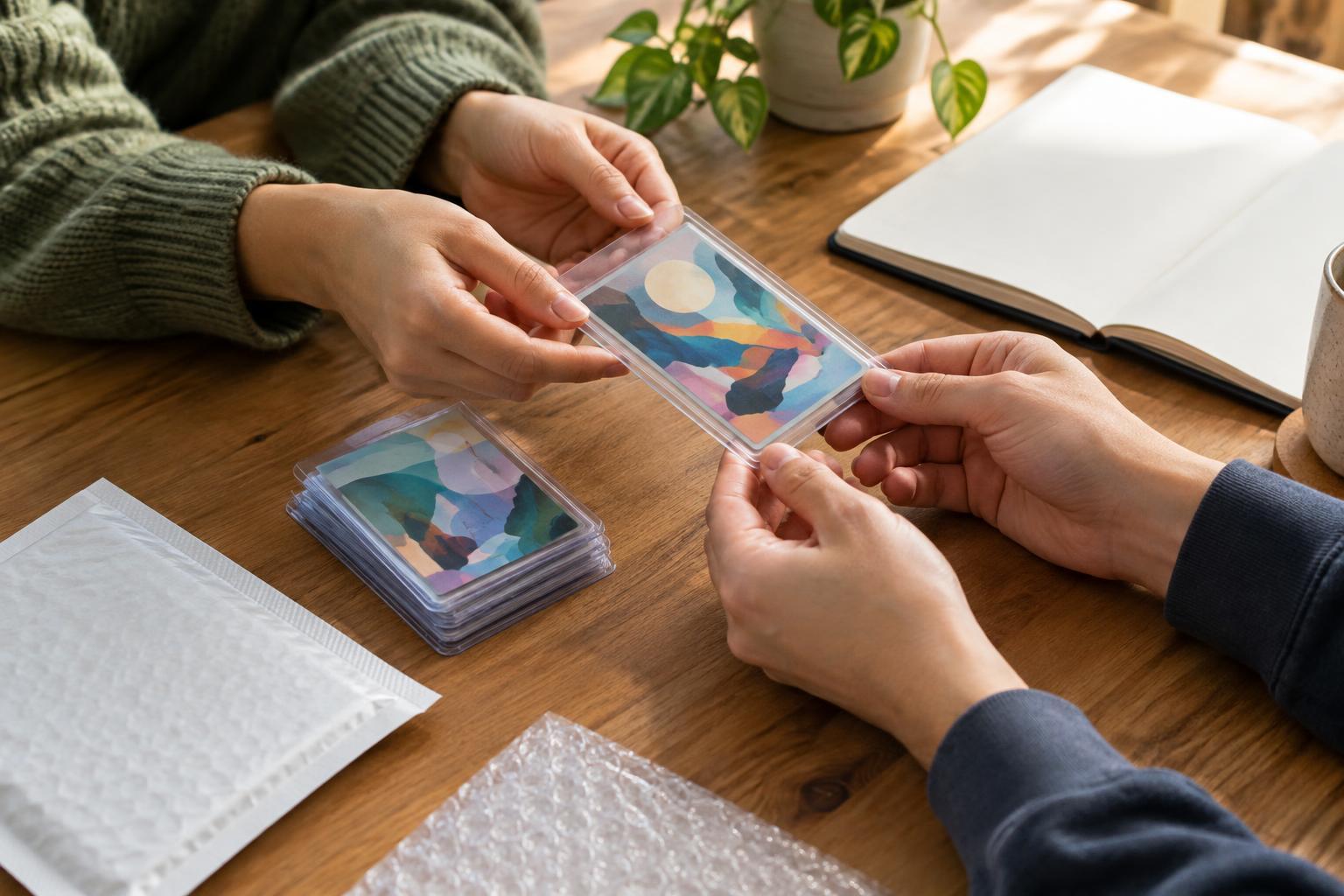
Fan CommunitiesTrading collectibles can help fans complete a set, discover unfamiliar releases, and connect with people who share their interests. A good trade starts with clear descriptions, fair expectations, and a plan for getting items safely from one fan to another.
Read article · 4 min↗

Fan CommunitiesFeeling connected to a performer can make art more meaningful. The key is enjoying that connection without mistaking familiarity for a personal relationship or letting fandom crowd out the rest of your life.
Read article · 4 min↗

Fan CommunitiesA welcoming fan community does not need to abandon deep knowledge or spirited debate. Small choices—explaining context, making room for different levels of engagement, and disagreeing without putting people on trial—can help newcomers join the conversation.
Read article · 4 min↗

Fan CommunitiesFan communities bring people together through shared enthusiasm, but they also leave room for sharp differences in taste and interpretation. A calmer disagreement starts with knowing what kind of conversation you are having, making room for nuance, and recognizing when it is time to step away.
Read article · 4 min↗

Fan CommunitiesGood community guidelines do more than ask people to be kind. They help fans understand what belongs in a space and give moderators a consistent way to handle spoilers, personal attacks, speculation and repeat problems.
Read article · 4 min↗

Fan CommunitiesA good fan meetup makes room for shared enthusiasm without assuming everyone wants the same level of attention or interaction. Choose an accessible setting, explain the plan clearly, make photos and activities opt-in, and prepare a simple way to handle problems.
Read article · 4 min↗

Fan CommunitiesA first fan convention can be exciting and overwhelming in equal measure. Plan a day that leaves room for discovery, accounts for the full cost of attending and supports the way you move through a busy venue.
Read article · 4 min↗

Fan CommunitiesA good watch party makes room for both the screen and the people gathered around it. Set expectations for timing, conversation, spoilers and access before pressing play, then give guests an easy way to participate at their own pace.
Read article · 4 min↗

Fan CommunitiesFan art, edits, zines and performances can bring a community together, but sharing them may raise questions about someone else’s creative work. This guide explains what to consider before you make, post or distribute a fan project.
Read article · 4 min↗
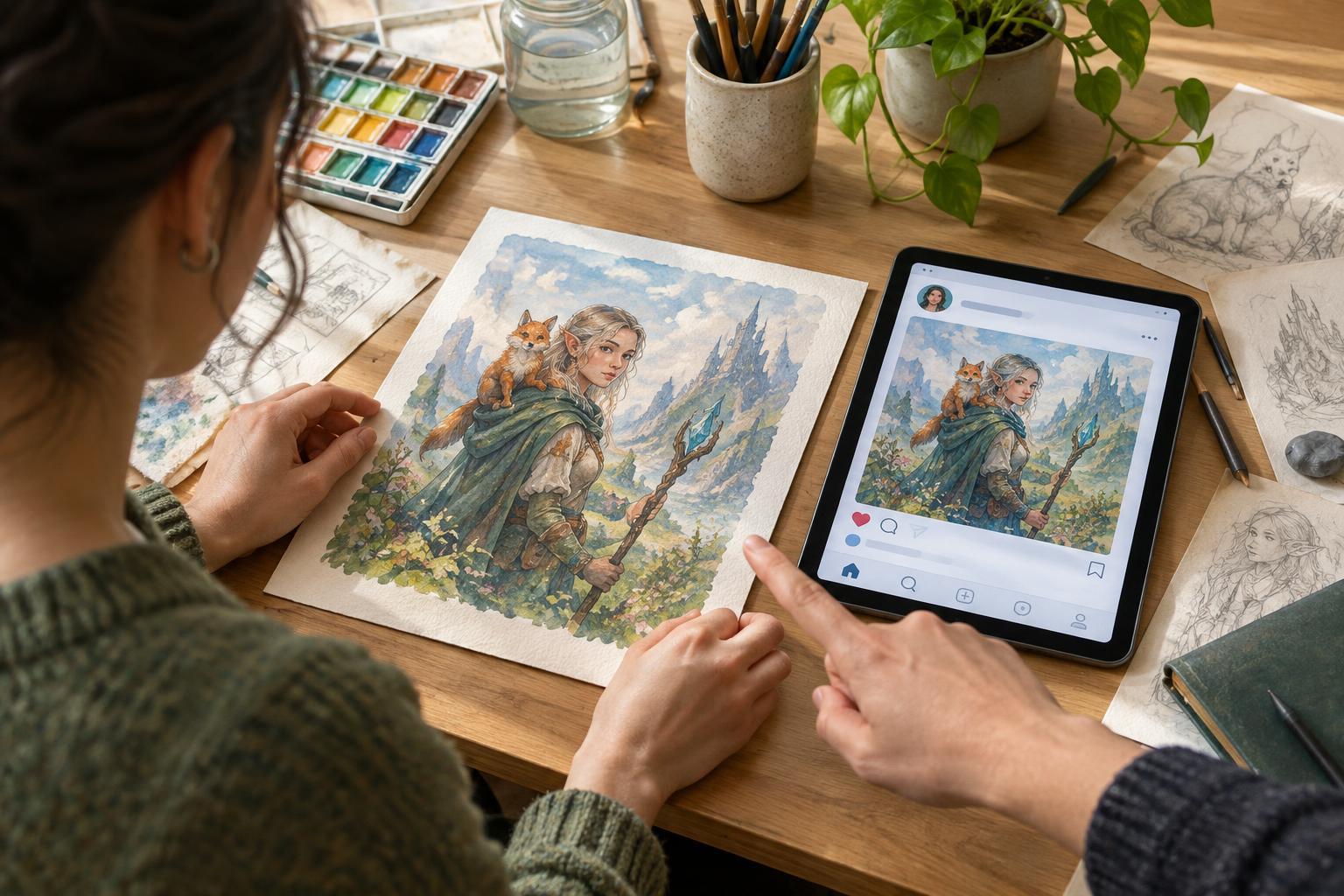
Fan CommunitiesFan art helps people see familiar stories in new ways. Sharing it thoughtfully means more than adding a name beneath an image: it means checking the artist’s preferences, preserving a path back to their work, and knowing when not to repost.
Read article · 4 min↗

Fan CommunitiesIn fan fiction, the information around a story can be as useful as the summary itself. Tags and content warnings help readers find the experiences they want, avoid material they would rather skip, and approach unfamiliar stories with clearer expectations.
Read article · 4 min↗

Fan CommunitiesFans use canon, headcanon and fan theory to talk about different relationships to a story. Here is how the terms work, where they overlap and how to use them in conversations about the entertainment you love.
Read article · 4 min↗

Fan CommunitiesA surprise ending, a long-awaited song, or a revealing stage entrance can spark an immediate conversation. Good spoiler etiquette makes room for that excitement while letting other fans decide when they are ready to join in.
Read article · 4 min↗

Fan CommunitiesThe best place to share your enthusiasm for a film, performer, musical, or series depends on what you want to do there. Use this guide to compare conversation styles, moderation, creative tools, privacy, and the everyday feel of a fan space before joining in.
Read article · 4 min↗

Fan CommunitiesAn official fan club and an independent fan space can both make following an artist or production more enjoyable, but they serve different purposes. Here is what members can expect from each, from access and moderation to privacy and belonging.
Read article · 4 min↗
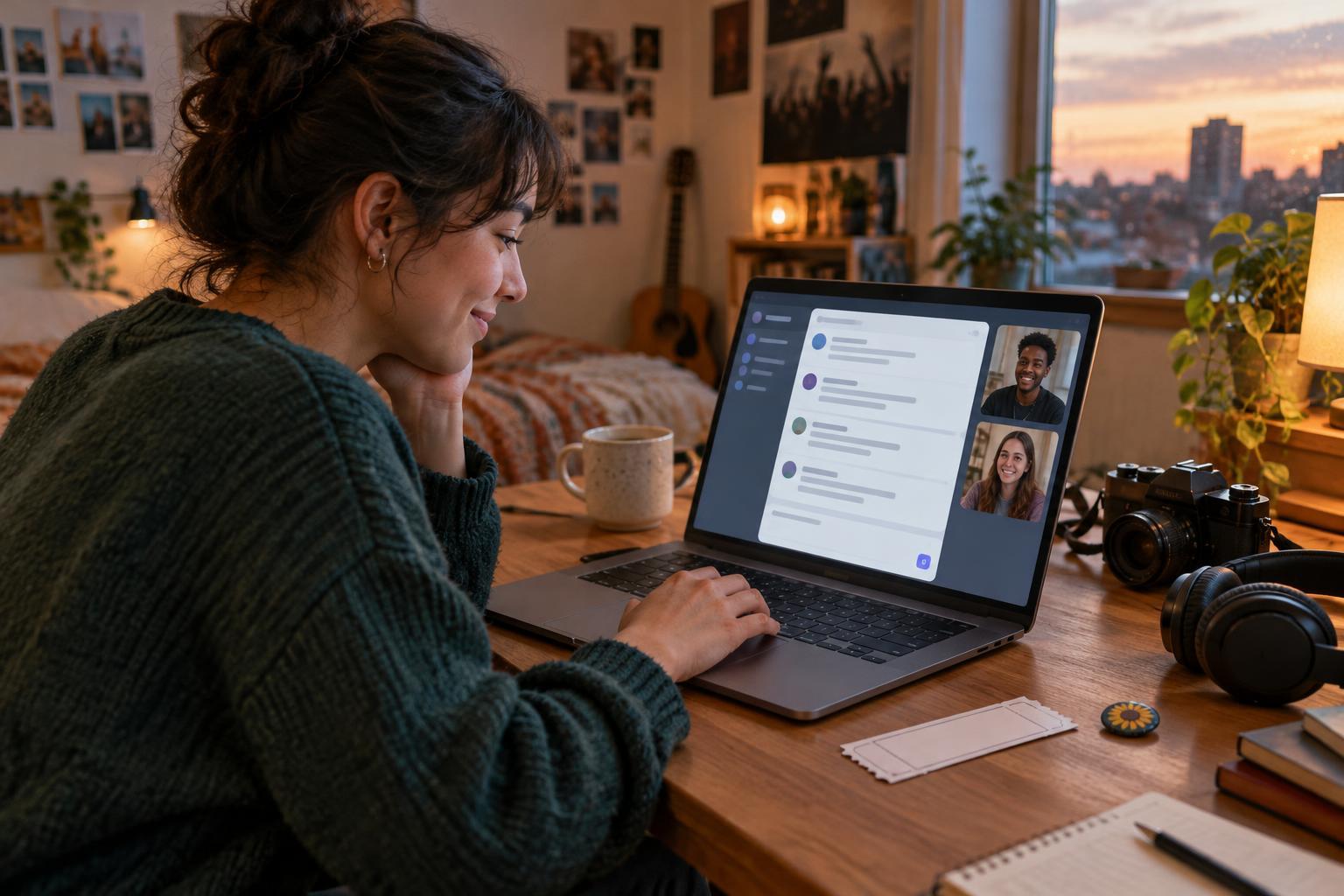
Fan CommunitiesOnline fan communities can make a favorite film, artist, show or performance feel richer. Here’s how to find a welcoming space, learn its customs and take part without feeling you have to know everything.
Read article · 4 min↗