Decide what matters most
A fan convention can bring panels, screenings, performances, artist tables, vendors and fellow fans into one place. Before you try to fit everything in, decide what would make the visit worthwhile for you. Perhaps you want to hear creators discuss their work, find independent art or simply enjoy being around people who share an interest. Choosing two or three priorities makes it easier to plan without treating every missed event as a failure.
Start with the convention’s official information: its programme, venue map, admission terms and policies for bags, costumes, photography and food. Check whether particular activities need separate tickets or reservations. If the schedule has not been published yet, make a provisional plan rather than building your whole trip around an event that may move or fill up.
Build a schedule with breathing room
Mark your must-see events first, then note their locations and any stated entry procedures. Two sessions that appear back-to-back may be difficult to attend if they are on opposite sides of the venue or if you need to join a queue. Give yourself time to find rooms, use the restroom, eat and sit down. A loose plan is usually more useful than a minute-by-minute itinerary.
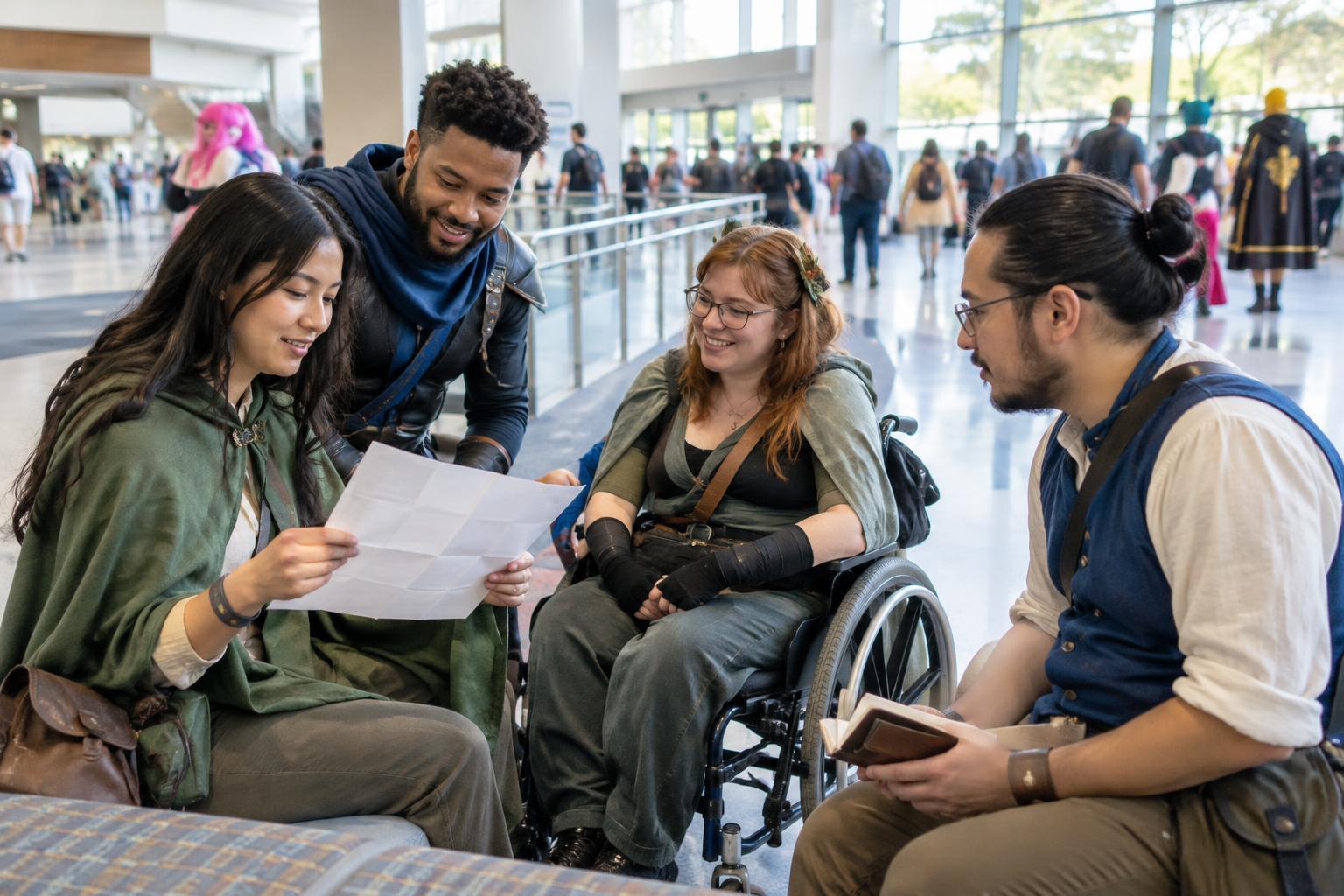
It helps to keep a short list of alternatives for each part of the day. If a panel reaches capacity, you might visit an exhibit, browse artist tables or take a quiet break. Check the event’s official updates during your visit for any changes, but avoid spending the day refreshing a screen. If you are attending with friends, agree on a meeting point and a way to contact one another when interests diverge.
Set a budget for the whole trip
The admission price is only one part of a convention budget. Add likely costs for travel, lodging if needed, meals, local transport and any ticketed activities. Then set a separate amount for purchases such as prints, books or merchandise. Looking at the full trip before you go can help you decide whether a single day, a longer visit or a nearby event is the best fit.
Leave some room for small unexpected expenses without relying on that cushion for essentials. At vendor tables, check prices before committing and keep track of purchases as you go. If an item is tempting but outside your plan, a lap around the hall may give you time to decide whether you still want it. Spending less does not mean participating less: conversations, panels and shared enthusiasm can be the most memorable parts of the day.
Check accessibility before you arrive
Accessibility needs vary, so look for specific details rather than assuming a venue will work for you. Useful questions may include step-free routes, lift access, seating, accessible restrooms, captioning or interpretation, quiet spaces, assistance policies and procedures for mobility devices. The event and venue may publish different information; consult both, and contact organizers in advance if a detail is unclear. Ask how any accommodation works in practice, including where to go on arrival.
Think about sensory and physical demands as well as routes. Crowds, music, lighting and long periods of standing can affect how much of the day feels manageable. Pack what helps you participate comfortably, within the event’s rules, and plan breaks before you are exhausted. If you attend with someone else, discuss support without assuming you will want to do every activity together. An accessible plan should preserve choice, not turn the day into an obstacle course.
Leave room for the community
Fan conventions work best when enthusiasm comes with consideration. Ask before photographing a cosplayer or another attendee, respect a no, and follow rules around performers, guests and artwork. At tables and meetups, a friendly question about someone’s work can open a conversation, but nobody owes you their time. If you feel shy, attending a discussion or browsing a small exhibit can be a gentler starting point than entering a crowded social event.
At the end of the day, you do not need to have seen everything to have had a successful first convention. Notice what you enjoyed, what took more energy than expected and what you would change next time. That reflection can guide future plans far better than an attempt to complete the entire programme.