Start with a project brief people can use
A collaborative fan project might be a digital zine, a tribute video, a playlist with liner notes or a display for a fan gathering. The excitement of inviting people in can make planning feel like a delay. In practice, a short written brief gives contributors a shared starting point and reduces the number of decisions that have to be untangled later.
State the project’s purpose, intended audience, format and approximate scope. Add the important milestones: when people should express interest, submit work, review drafts and expect publication. Explain what kinds of contributions are welcome and who will make final editing decisions. If the project uses imagery, music or other material that contributors did not create, set expectations for checking whether it can be included before anyone builds a piece around it.
Give every contribution a place to live
Use one shared contribution log rather than relying on scattered messages. A spreadsheet or simple project board can record the contributor’s chosen credit name, contact method, role, item submitted, current status and any agreed changes. Give each item a distinct title or identifier so that “the poster design” does not become a confusing reference after several versions arrive. Limit access to contact details to the people who need them.
Keep the status labels few and clear, such as proposed, in progress, submitted, in review, approved and published. Link each entry to the relevant file when possible, and choose a consistent file-naming pattern that includes a version number. The log should answer two ordinary questions without detective work: what still needs attention, and who should be credited for the work? It does not need to document every casual suggestion in a group chat.
Make handoffs and changes visible
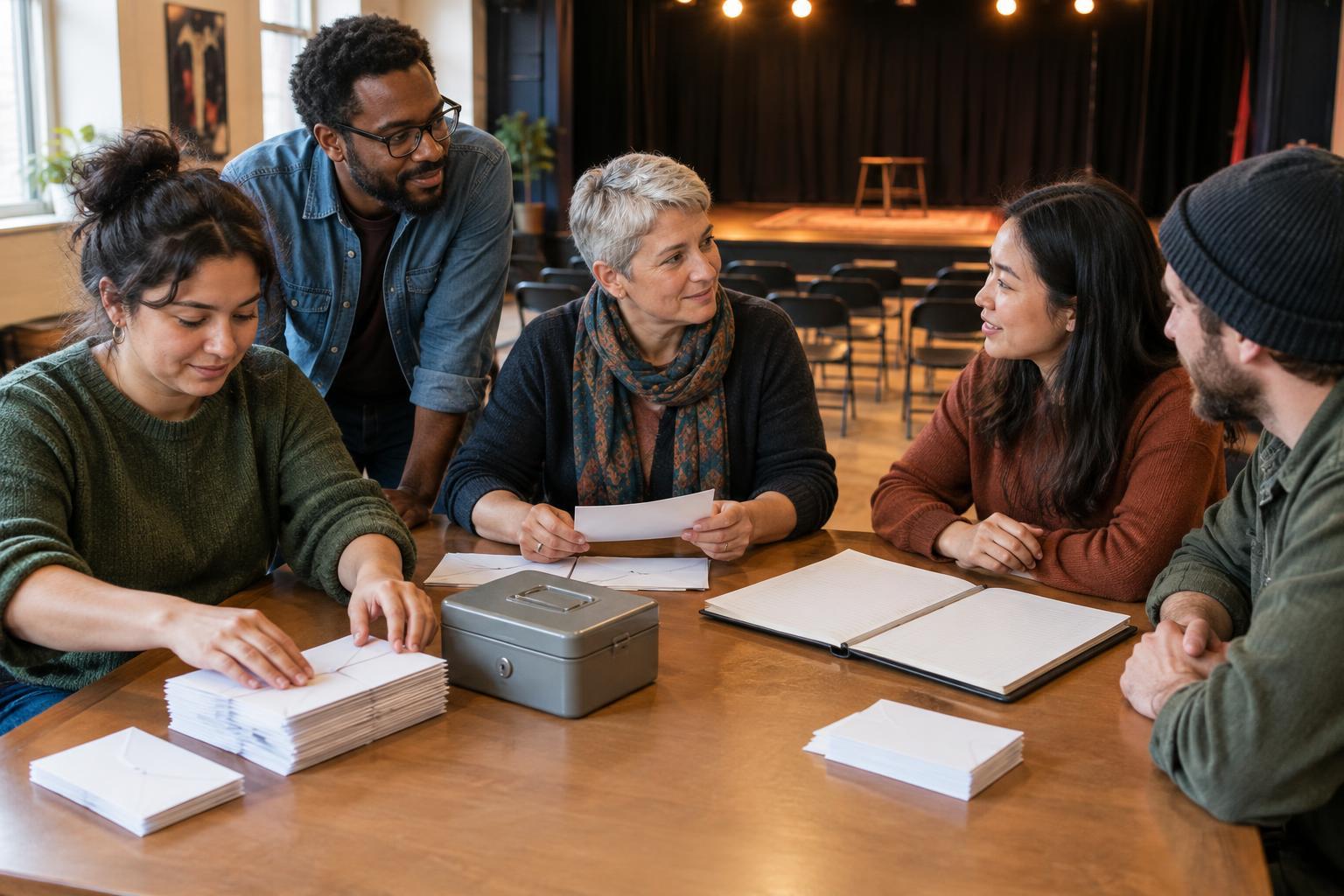
Fan projects often combine work from several people in a single finished piece. An illustration may be laid out by a designer, captioned by a writer and checked by an editor. Before that work begins, identify who owns each handoff and where feedback should go. A designated project lead can gather comments into one response, helping contributors avoid conflicting requests from multiple organizers.
When plans change, update the brief or log and tell the people affected. If a planned page is cut, a video segment is shortened or a submission needs substantial revision, explain what happened directly rather than letting silence stand in for a decision. Keep earlier versions long enough to resolve questions, but mark one file as the current version. That small habit helps prevent an outdated draft from appearing in the final release.
Treat credit as part of the work
Ask contributors how they want to be named when they join, then confirm again before publication. Some may prefer a screen name, a real name, a link to a public portfolio or no public credit at all. Do not assume that a name visible in a private planning space is one they want attached to the finished project. Record their preference beside their contribution so credits do not have to be reconstructed at the last minute.
Plan space for different kinds of labor, including coordination, accessibility work, proofreading, translation and technical assembly. Decide whether credits will appear beside individual pieces, in a collective list or both. Before release, share the proposed credits with contributors and give them a clear way to request corrections. If someone withdraws a contribution, confirm what should happen to any credit or draft material associated with it.
Close the project with a useful record
A project is not quite finished when the file goes live or the display opens. Check that the published version matches the approved contributions and credits, and keep a short list of corrections to make if an error is found. Thank contributors through the channel they used to work with you; a public thank-you should respect anyone who chose not to be named publicly.
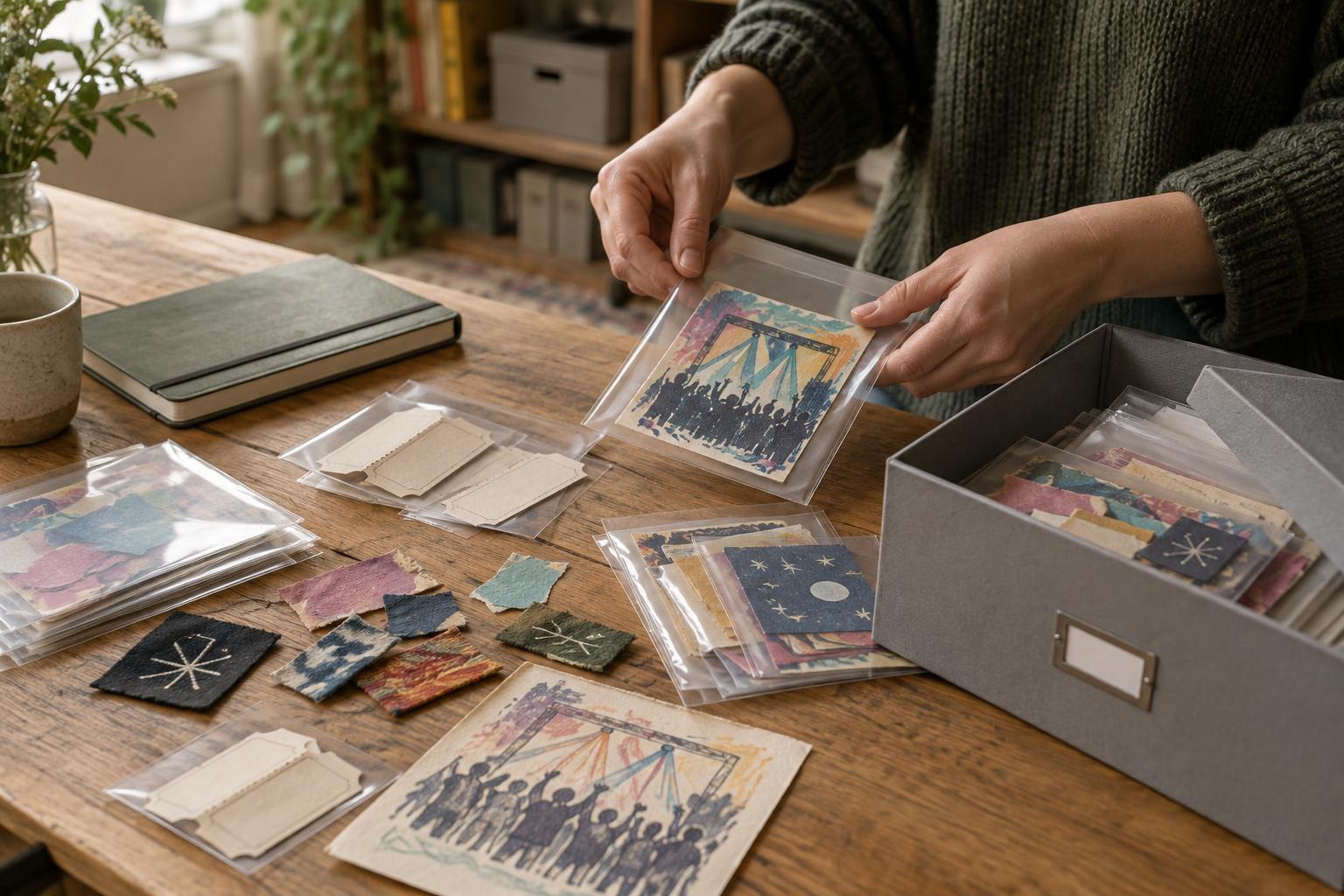
Afterward, archive the final brief, approved files and contribution log somewhere the organizers can find them. Remove access that is no longer needed, especially to private contact information. A brief retrospective can capture what worked and what caused confusion. The goal is not a perfect paper trail. It is a project in which people know where their work stands, how it will be used and how their contribution will be acknowledged.