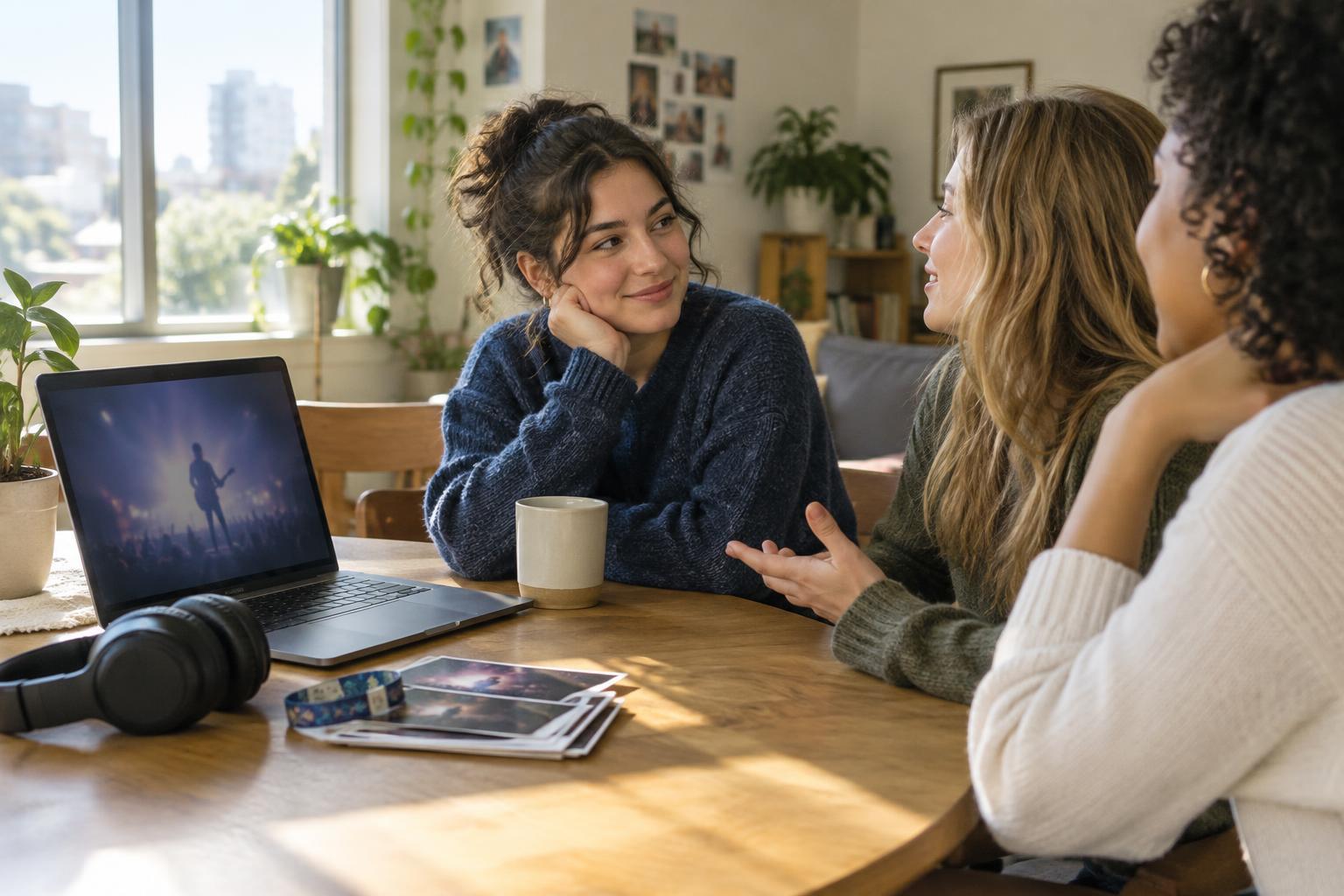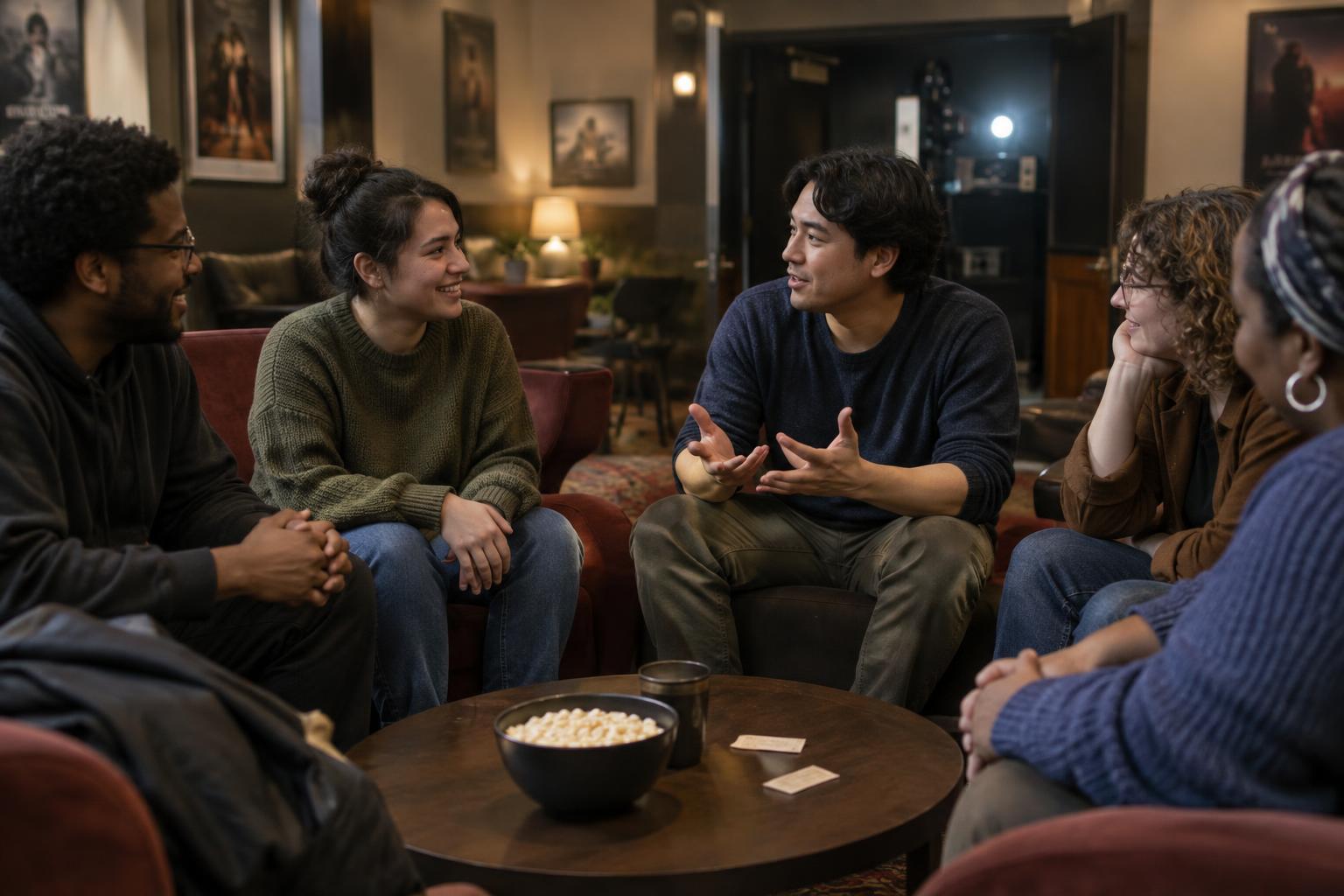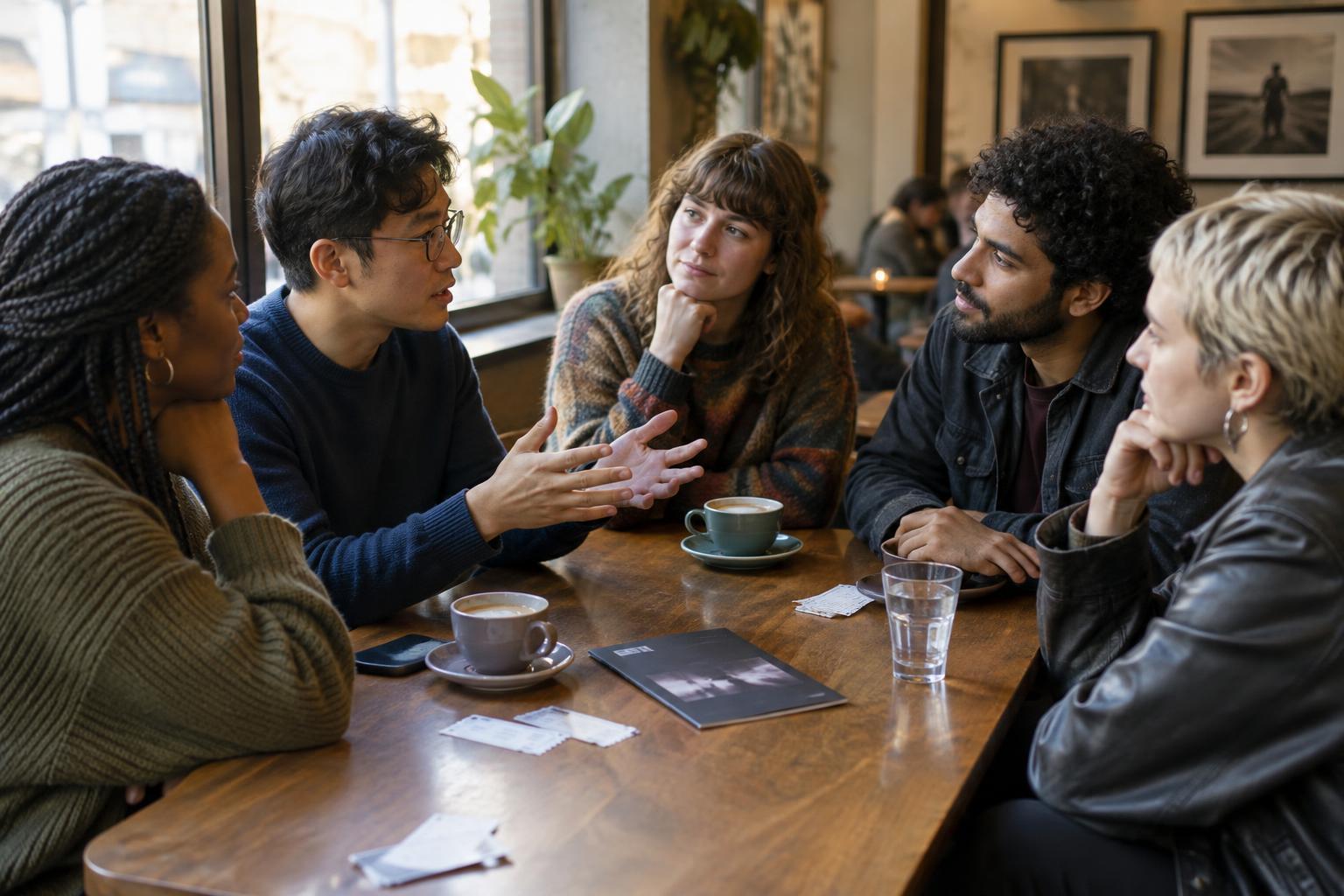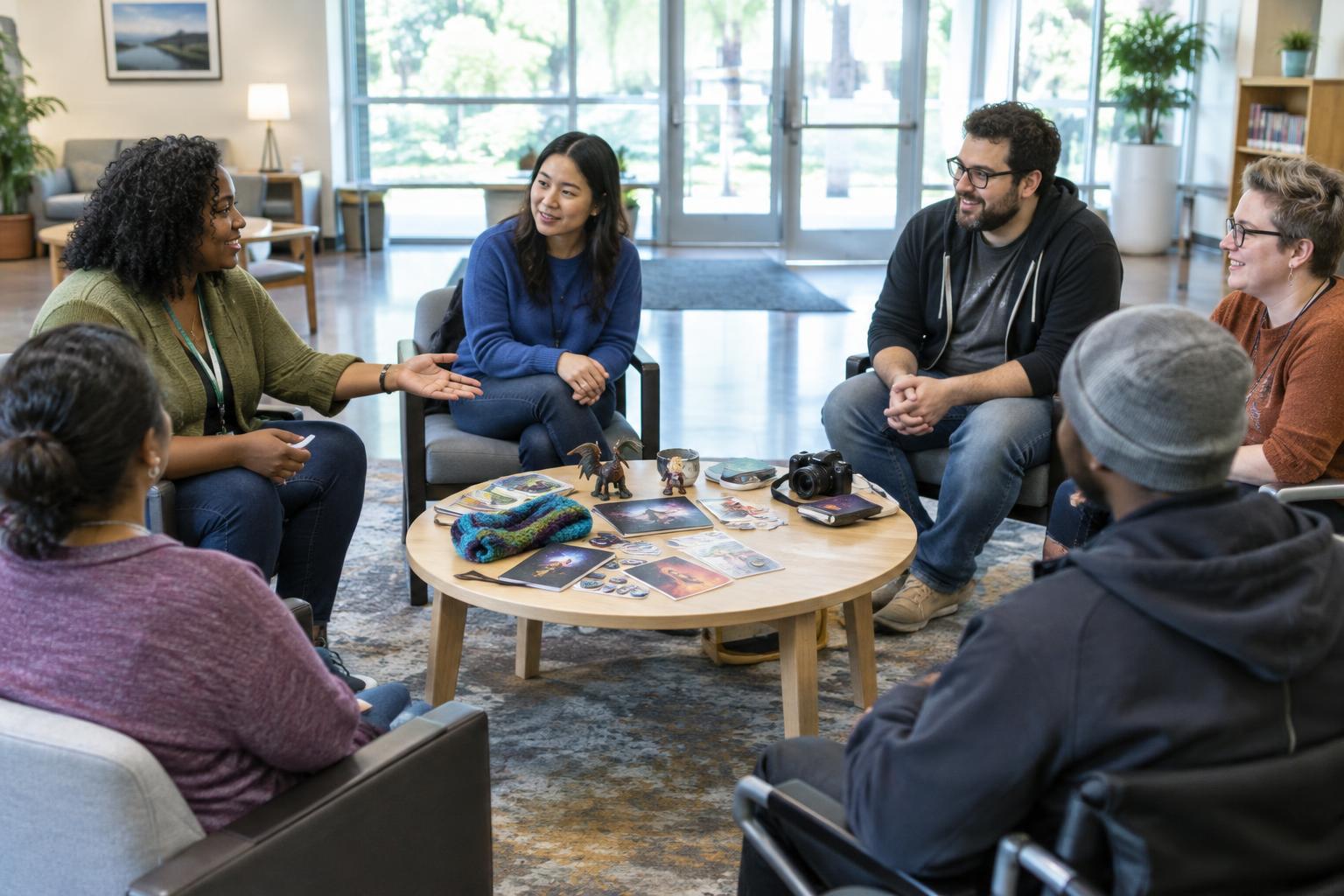
Start with a clear invitation
A fan meetup can be as simple as a conversation after a screening or as structured as a group activity. Before inviting anyone, decide what the gathering is for, who is hosting it and what participants can expect. State the time, place, approximate length, any cost and whether people need to sign up. If you plan to discuss a particular film, artist or performance, mention whether spoilers are likely. Clear details help people decide whether the event suits them.
Make the invitation welcoming without creating pressure to attend or participate in every activity. Say whether guests may arrive late, bring a friend or simply listen. If the meetup is independent, describe it that way rather than implying an artist, cast member or official fan organization is involved. An honest invitation sets the tone: people are coming together around a shared interest, not being asked to prove how devoted they are.
Choose a space people can navigate comfortably
For a first gathering, a public venue with staff nearby is generally easier to manage than a private home. Look for enough seating, a way to hear one another without shouting and a location participants can reach and leave independently. Check practical details before announcing the venue, such as step-free access, seating options, nearby toilets and whether food or drink purchases are expected. Share what you know, and avoid promising accessibility features you have not confirmed.
Think about the atmosphere as well as the address. A quiet café corner may support conversation better than a crowded lobby; a designated meeting point can help newcomers find the group without having to approach strangers at random. If the event includes costumes, props or trading items, check the venue’s rules first. Give attendees an easy way to tell the organizer about a practical access need without having to explain personal circumstances to the whole group.
Make consent part of the plan, not an afterthought
Fan events often involve photos, introductions, costumes and animated discussion. None of those activities should require automatic participation. Tell guests in advance if you hope to take group photos, then ask again before taking or posting them. Offer a straightforward way to opt out, such as a photo-free seating area or a group picture taken only after everyone in the frame agrees. Do not tag someone, share their handle or post their location without permission.
The same principle applies in person. Ask before touching a costume, borrowing an item, recording a performance or drawing someone into a game. A guest who declines should not have to defend the choice. If you are facilitating discussion, make space for different levels of knowledge and enthusiasm; nobody needs a trivia test to belong. You can also set a simple expectation that disagreements about an artist’s work stay focused on the work, not on fellow attendees.
Protect privacy and prepare for problems
Collect only the contact information you need to organize the meetup. If you use a group chat or sign-up list, explain who can see it and avoid adding people without asking. Share event updates through a channel participants have chosen, rather than posting their names or plans publicly. If someone brings merchandise to trade, encourage them to settle details openly and avoid pressuring others into an exchange. State any shared costs before people commit to attending.
Choose one or two organizers who can answer questions during the event, and let guests know how to find them. Agree in advance on a calm response if someone feels uncomfortable: listen, give the person space, and, where appropriate, involve venue staff. Organizers do not need to resolve every dispute on the spot. They do need to be willing to pause an activity, separate people or end the gathering if the setting no longer feels workable.
Leave room for a good ending
A meetup feels more relaxed when people know how it will finish. Announce a closing time, give a short reminder before it arrives and avoid assuming that everyone wants to continue somewhere else. If a smaller group makes further plans, let others depart without comment. For gatherings that include younger fans, be especially clear about the venue, supervision expectations and who is responsible for arranging transport; do not treat an informal meetup as a substitute for those arrangements.
Afterward, you might invite private feedback about what worked and what could be easier next time. Ask before sharing a recap that identifies attendees or includes images. The strongest fan communities are not built by perfect schedules or elaborate activities. They grow when people can enjoy a shared interest, set their own boundaries and trust that those boundaries will be respected.