Why a familiar face can feel close
A performer’s voice might accompany your commute for years. You may watch an actor grow through different roles, or hear a musician describe the feelings behind a song. Over time, that familiarity can feel warm and personal. A parasocial relationship is a connection that largely travels in one direction: an audience member comes to know a public-facing version of someone who does not know them in the same way.
That does not make the feeling foolish or false. Art can offer comfort, inspiration and a sense of company. The useful distinction is between the genuine effect someone’s work has on you and a mutual friendship with that person. Interviews, posts, concerts and meet-and-greets may create moments of contact, but they reveal only parts of a performer’s life. Enjoying those moments becomes easier when they are not asked to carry the weight of a personal relationship.
Notice when enjoyment turns into obligation
Fandom often invites participation: listening on release day, discussing a performance, collecting merchandise or helping a project find an audience. None of those activities is inherently a problem. It is worth pausing, though, if you feel that missing an update means you have failed someone, or that a performer’s success depends on your individual spending and attention. Appreciation can be generous without becoming a duty.
A simple check is to ask what happens when you step away. Can you skip a livestream, disagree with an artistic choice or leave a fan conversation without feeling consumed by guilt? Do you still have room for friends, interests, rest and everyday responsibilities? These questions are not a test you have to pass. They are a way to notice whether a hobby is adding to your life or taking up more space than you want it to.
Set boundaries around attention and money
Platforms can make access feel continuous. A short check for news can become an evening spent refreshing comments and interpreting every small signal. Consider choosing a few times to catch up rather than trying to follow everything as it happens. Muting a discussion, leaving a group chat for a while or keeping a phone away during another activity does not diminish your appreciation of the work.
Money deserves the same deliberate approach. Tickets, subscriptions, collectibles and paid interactions can be enjoyable when they fit comfortably within your own limits. Before buying, ask whether you want the experience or feel pressured to prove loyalty, gain recognition or keep up with other fans. A purchase cannot guarantee closeness, and declining one does not make you less of a fan.
Respect the person beyond the performance
A performer may choose to share stories about their process, their style or their daily life. That choice does not make every part of their life public property. Avoid searching for private details, treating an unanswered message as a personal rejection or expecting access outside the setting someone has agreed to. Boundaries protect the artist’s ability to have a private life and help fans keep a realistic sense of the relationship.
They also matter in conversations with other fans. People can read the same lyric, scene or public appearance differently without being enemies. Speculation about someone’s relationships or inner life can quickly harden into a claim that no outsider can verify. Keeping discussion grounded in the art and in what a person has chosen to share leaves more room for curiosity, disagreement and enjoyment.
Let fandom connect you to your own life
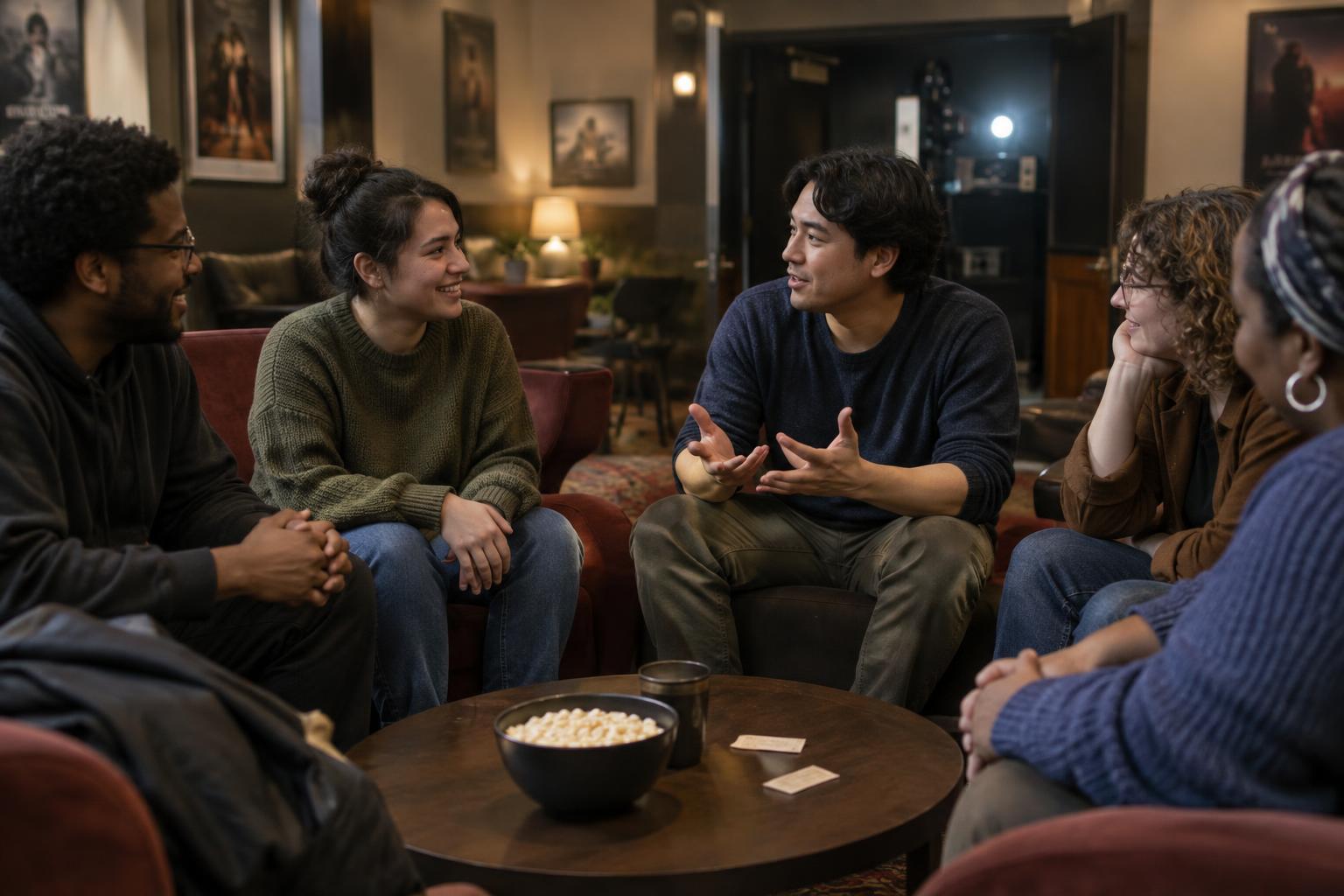
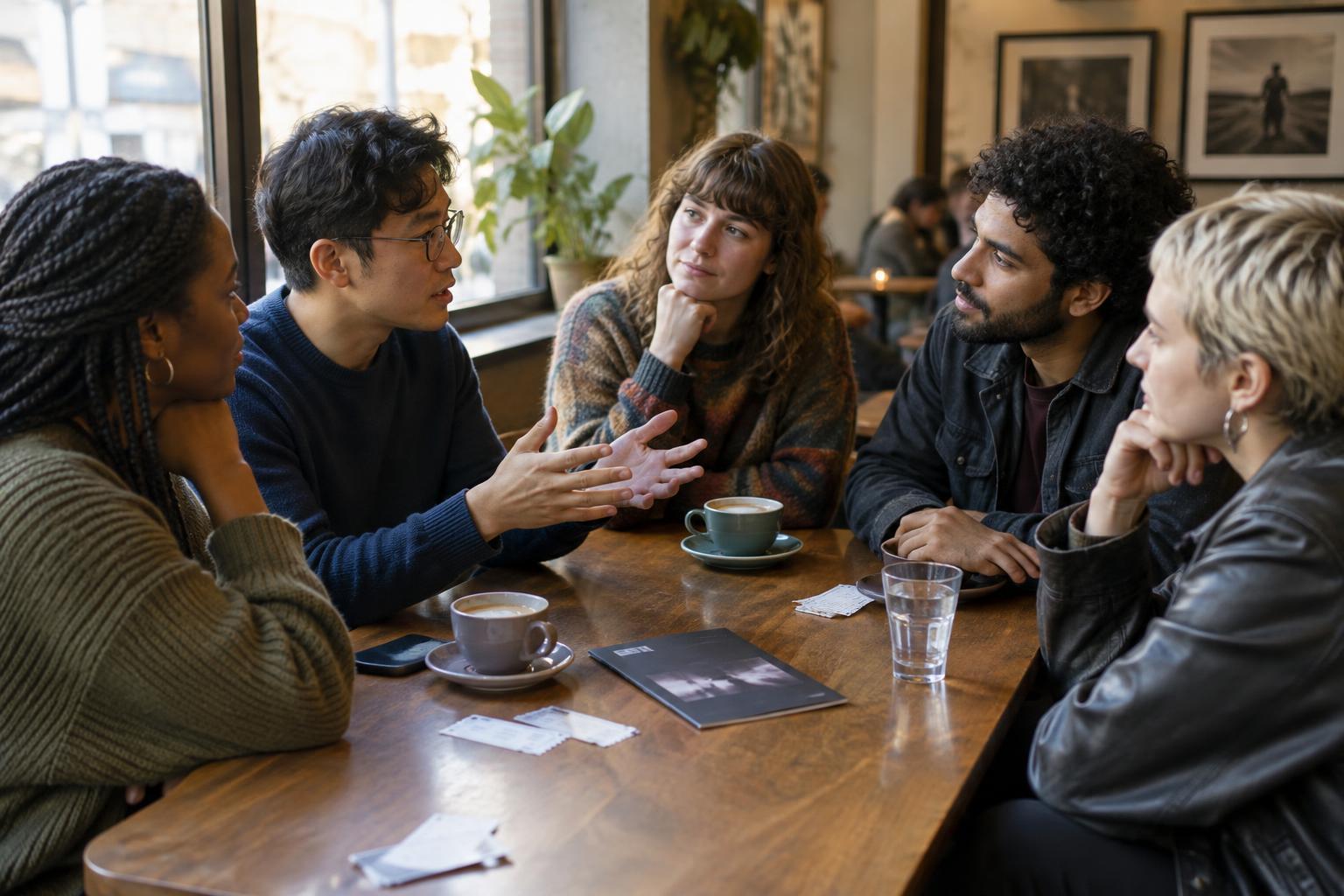
The richest part of being a fan is often what the work opens up: a new genre to explore, a skill to try, a conversation with someone who loves the same film. Fan communities can offer belonging when they make room for people to create, exchange ideas and show up as themselves. They become less welcoming when everyone is expected to spend alike, agree on everything or compete for the performer’s attention.
If a connection starts to feel overwhelming, try returning to what first drew you in. Listen to the music without checking reactions, watch a performance without tracking its reception, or make something inspired by the craft. You can care deeply about an artist’s work while accepting that their life is separate from yours. That boundary does not weaken fandom; it gives it space to remain a pleasure.