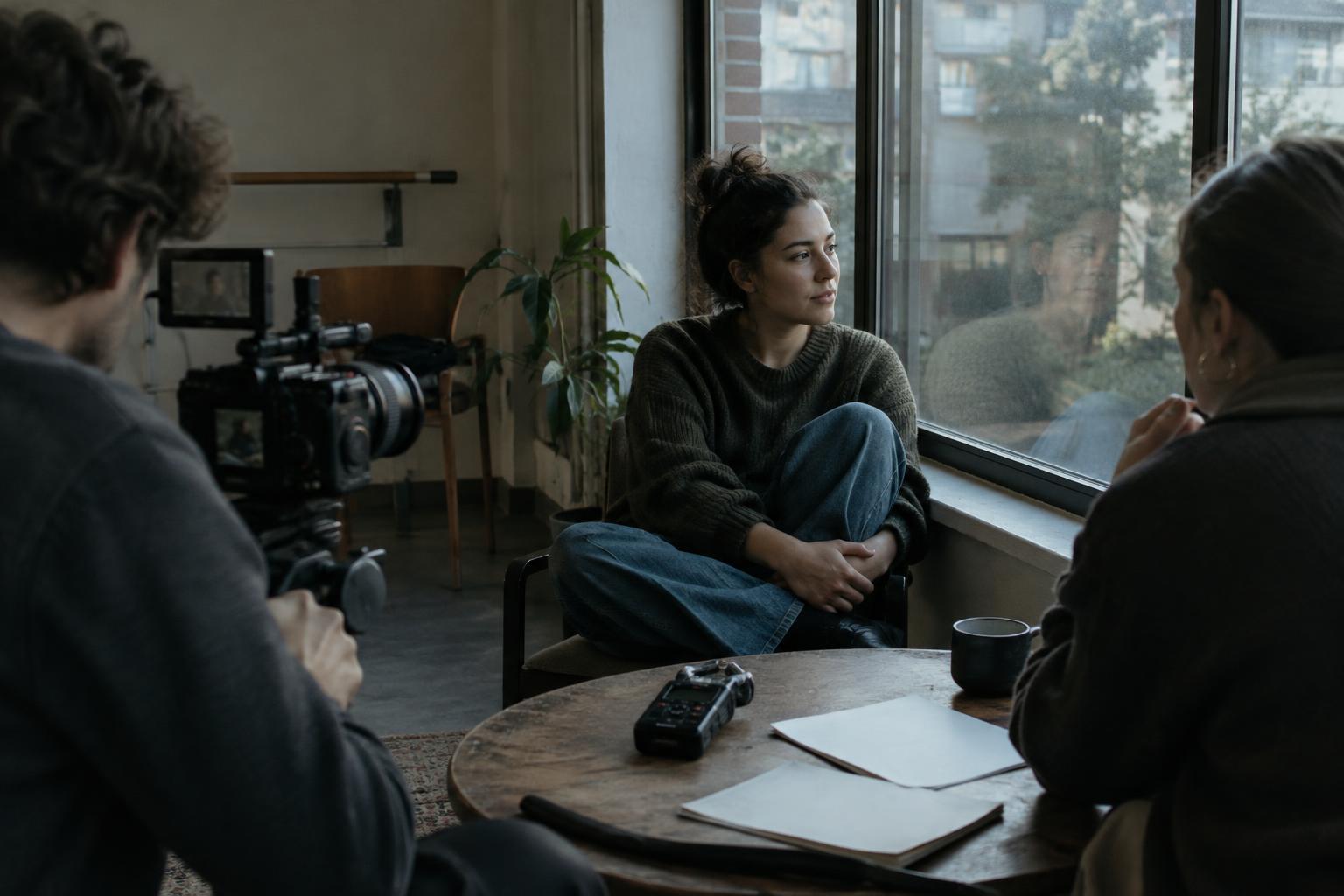
The shape of the picture is a creative choice
A film’s aspect ratio describes the relationship between the width and height of its image. A 1.33:1 frame is only a little wider than it is tall; a 1.85:1 frame is noticeably wider; a 2.39:1 frame is wider still. Those numbers do not tell you whether a film will look good. They describe the space available to the filmmaker, much as the dimensions of a canvas describe where a painter can place a subject.
Aspect ratio does not work alone. Camera position, lens choice, lighting, editing, and the movement of actors all shape what we see. Still, the outline of the frame sets boundaries for those decisions. It determines how much room there is beside a face, above a doorway, or between two characters before the camera moves or cuts. Once you notice those boundaries, seemingly simple shots become easier to read.
Width changes relationships within a shot
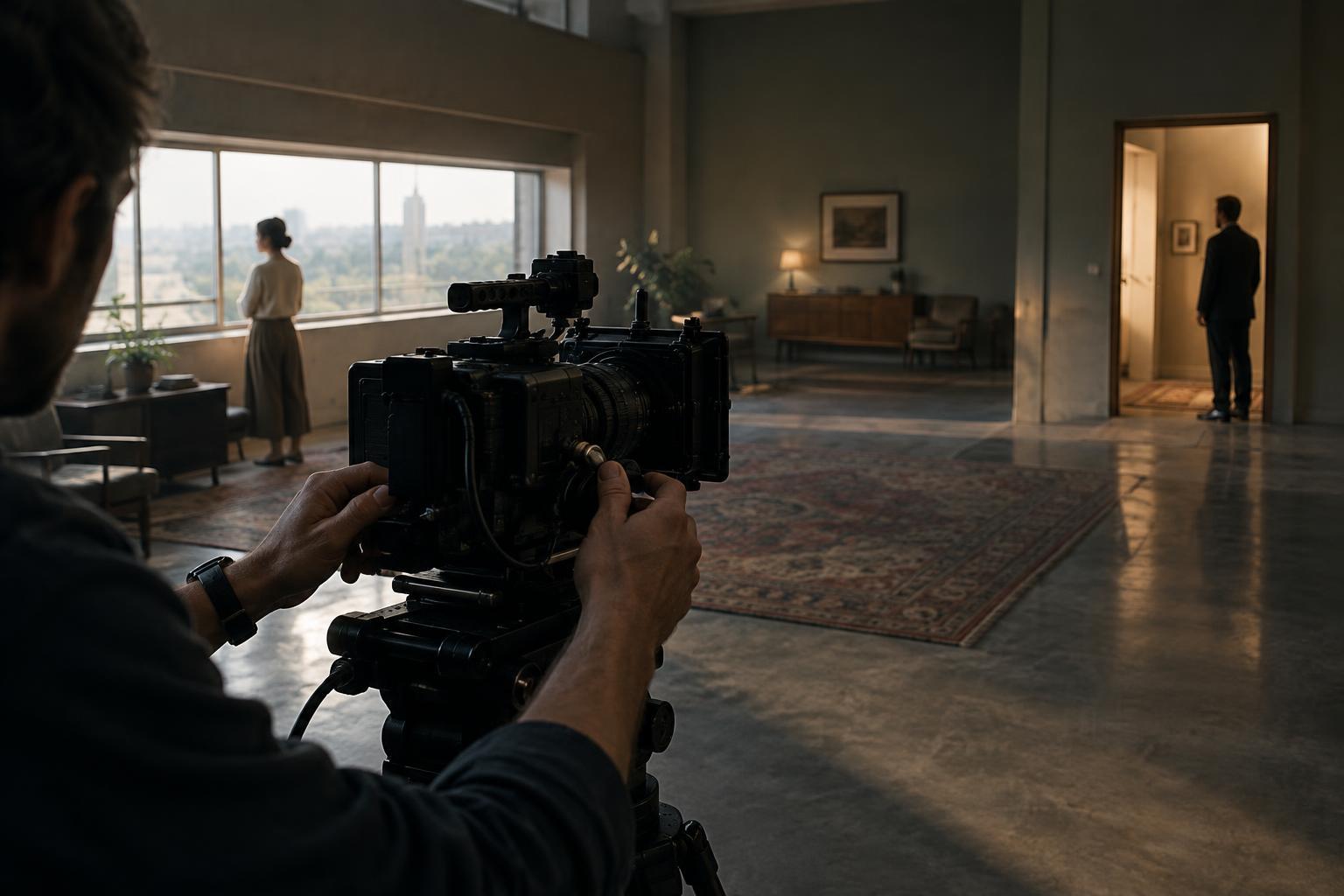
A wide frame can hold several people with visible space between them. In a conversation, that may let us watch one character react while another speaks, rather than cutting to a separate close-up. A filmmaker can also place a person at one edge and leave the rest open, making the surrounding landscape or an empty room part of the scene’s meaning. The width offers possibilities; it does not automatically make every image feel grand.
A less wide frame can give a standing figure more presence from head to toe without leaving as much unused space at the sides. It may suit a doorway, a staircase, or a character standing alone in a room. But a narrower frame need not feel cramped. By placing a person farther from the camera or arranging action in depth, filmmakers can suggest a large world beyond the edges of a relatively compact image.
Neither shape dictates the emotional result. An expansive frame can make two people feel close if they occupy it together, while a taller frame can isolate someone against a high ceiling. What matters is how the chosen shape interacts with the distance between subjects and the space around them.
Movement and close-ups work differently
Frame shape influences where action can travel before it disappears from view. A wide composition may allow a character to cross from one side to the other while other activity continues in the background. A taller composition may make an ascent, a fall, or the act of looking upward especially prominent. Filmmakers can use either shape for any kind of action, but they may need to stage the movement differently to keep its important details visible.
Close-ups reveal another difference. In a very wide frame, a face can sit alongside another face or a significant piece of the setting. It can also be surrounded by empty space. In a less wide frame, a face may fill more of the available area without the camera coming quite as close. These are compositional tendencies, not fixed rules: filmmakers can adjust camera distance, crop, and placement to create many kinds of close-up in any ratio.
Watch the edges during a scene. Does someone enter a shot before they are noticed by the other characters? Is an object kept in view beside a speaker? Is a reaction visible without an edit? These choices show how a film puts its frame to work.
The viewing screen changes the experience
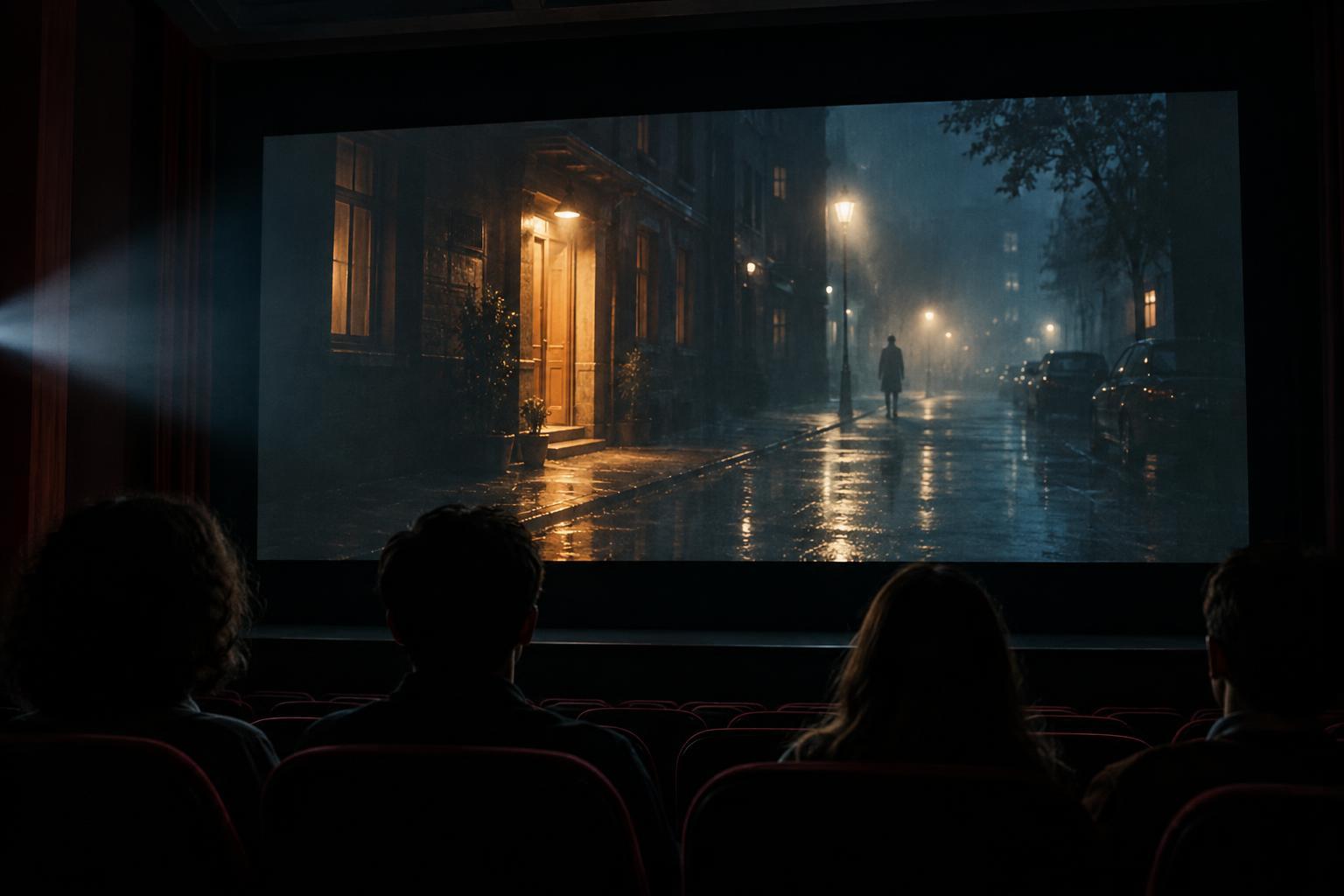
A film’s image and the screen displaying it do not always have the same shape. To show the full composition, a display may leave unused space above and below the picture, often called letterboxing, or at the sides, often called pillarboxing. Those areas are not missing parts of the film. They allow the intended frame to remain intact.
Filling every inch of a television or phone screen can require cropping or stretching when the shapes differ. Cropping may remove someone at the edge of a group shot or change the balance of a landscape; stretching changes the proportions of what remains. If a viewing app offers a choice between a fitted image and a zoomed one, the fitted option generally gives a clearer sense of the original composition.
Scale matters, too. On a large screen, a small figure within a broad image may still be easy to follow. On a phone, that same figure can be harder to see. This does not make the composition ineffective; it means the size and setting of the display influence how readily its details come across.
How to look without turning ratios into rankings
The next time you watch a film, pick one quiet scene and consider what the frame includes at the same time. Notice the space above and beside the characters, where the lines of the room lead your eye, and whether the shot holds on a relationship instead of cutting between its participants. Then ask what might change if the image were taller or wider. You do not need to know the exact ratio to see the choice.
Aspect ratio is most useful as a question, not a verdict. A wide image is not inherently more cinematic, and a compact one is not inherently more intimate. Each gives filmmakers a different area to organize. The pleasure of noticing the difference lies in seeing how that area helps a particular moment unfold.