A documentary is a point of view, not a window
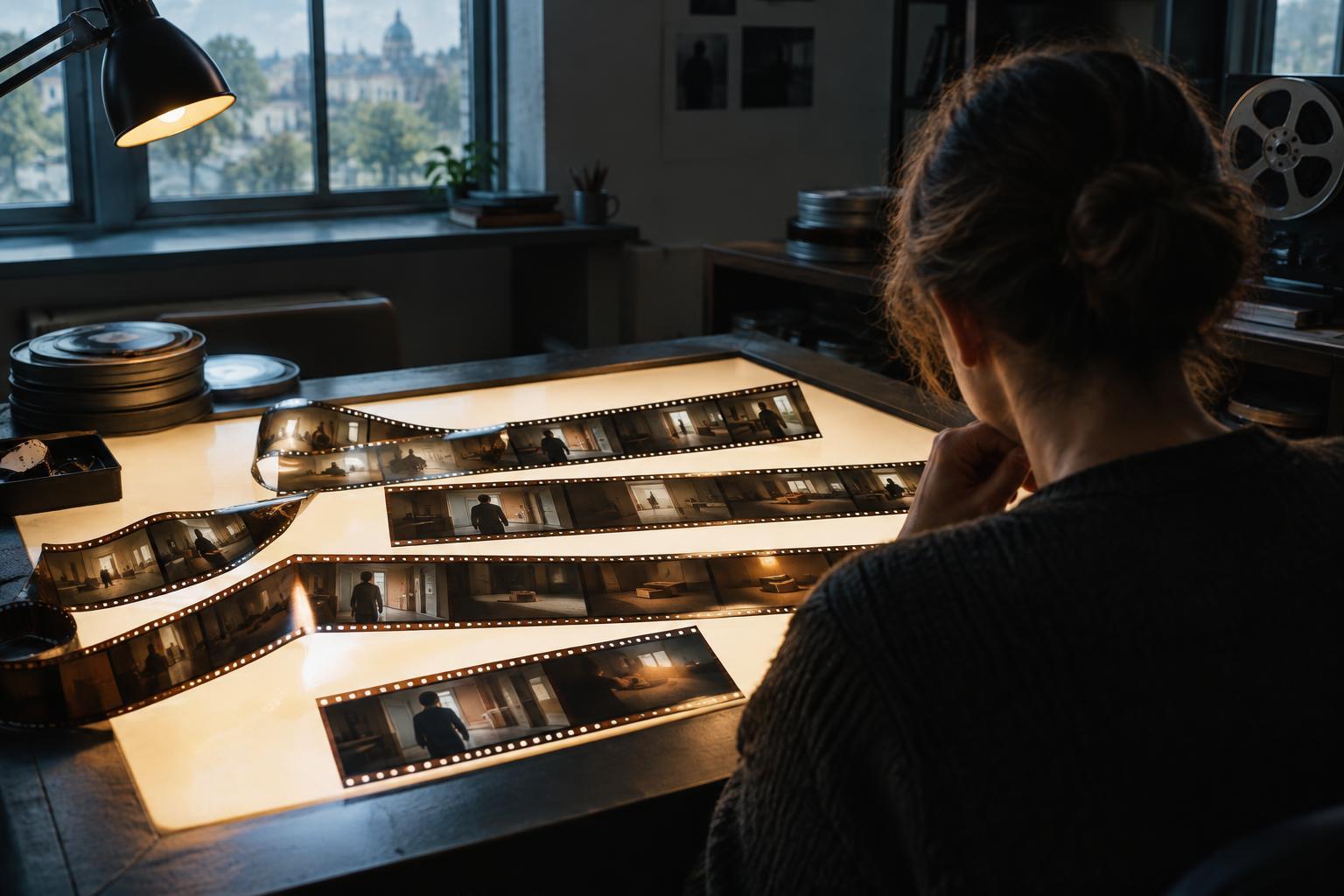
A documentary may draw on real people, places and events, but it is still built through choices. Someone decides where to place the camera, when to record, what to ask and which moments to leave in the edit. Even a long, apparently uninterrupted scene has a beginning and an end selected by the filmmaker. Recognizing those decisions does not make a film less valuable; it gives viewers a more useful way to engage with it.
Observational, participatory and essay films are three ways to describe how a documentary relates to its subject. They are approaches rather than rigid genres. A film might spend time quietly watching a rehearsal, then include an interview with the director, then turn toward a reflective voiceover. The labels help identify what each passage is asking us to notice, not sort every film into a single box.
Observational films: staying with the moment
An observational approach gives space to actions and interactions as they unfold. Instead of relying on frequent explanations or direct questions, a filmmaker might follow a performer through a sound check, hold on a conversation backstage or let a pause continue after the action seems finished. The appeal lies partly in duration: viewers can notice routines, relationships and small changes that a compressed summary might miss.
Observational does not mean invisible or neutral. People may respond to a camera even when nobody addresses it, and access to a space has to be arranged. Editing also shapes what counts as a revealing moment. When watching, pay attention to where the camera can and cannot go. Who receives time on screen? Does the film give a scene room to develop, or arrange brief moments so that they suggest a particular conclusion?
Participatory films: making the encounter visible
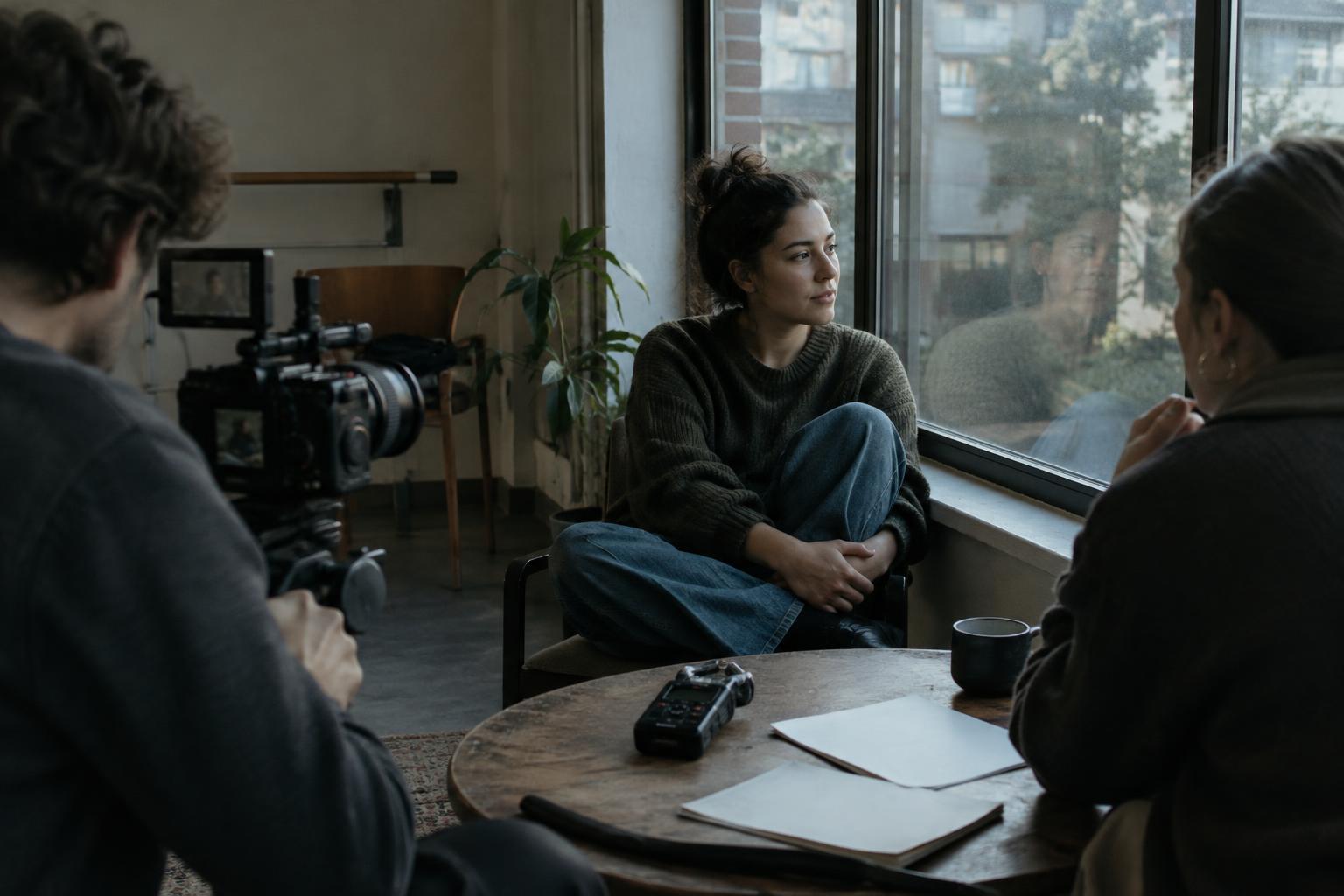
In a participatory documentary, the filmmaker’s contact with the subject becomes part of the film. We might hear an interview question, see a conversation change direction or watch the filmmaker take part in an activity. Rather than presenting the camera as a distant observer, this approach acknowledges that asking, listening and being present can affect what happens.
That relationship can produce moments a detached camera might not capture. A person may explain a decision, challenge a question or invite the filmmaker into a setting they would otherwise have missed. It can also create tension. An interviewee may tell a story differently depending on who is asking, and the filmmaker may have more control over the final account. Useful questions include: whose questions drive the film, how does the subject respond to them, and do we see enough of the exchange to understand its tone?
Essay films: thinking through images and sound
An essay film often makes the filmmaker’s line of thought especially prominent. Images, narration, music, text and archival material may be brought together to explore an idea rather than follow one event from beginning to end. A film about screen performance, for example, might move between rehearsal footage, empty theaters and a spoken reflection on what it means to repeat a gesture for an audience.
This approach can make room for doubt and association. Two images placed together may raise a question without spelling out an answer. Narration may guide viewers through a personal interpretation, but it need not carry the same authority as a neutral-sounding explanation. Notice when an image illustrates a claim and when it complicates one. If the film uses archival material, ask what context accompanies it and how the new sequence changes its meaning.
How to watch when approaches overlap
Many documentaries shift approaches because their subjects call for different kinds of attention. A quiet scene can show how a costume team works together; an interview can clarify a choice that the scene alone cannot explain; an essay-like passage can connect that work to a broader idea about performance. The shift itself can be revealing. Why does the film stop observing at this point? Why introduce the filmmaker’s voice here?
Try watching for the relationship between a film’s method and its claims. If a documentary suggests that a moment is typical, how much have we seen beyond that moment? If it presents a disagreement, do the people involved have room to express their positions? If it offers an interpretation, is that interpretation clearly distinguished from what the footage shows? These questions need not interrupt the pleasure of watching. They can deepen it, drawing attention to documentary craft as well as to the lives and work on screen.