A recording is one version of a song
A familiar song can sound subtly different in concert even when the singer keeps every word and melody intact. One syllable arrives late, another stretches across the beat, or a pause opens up before the chorus. Those choices are part of phrasing: the way a performer groups words, places emphasis and shapes the spaces between notes.
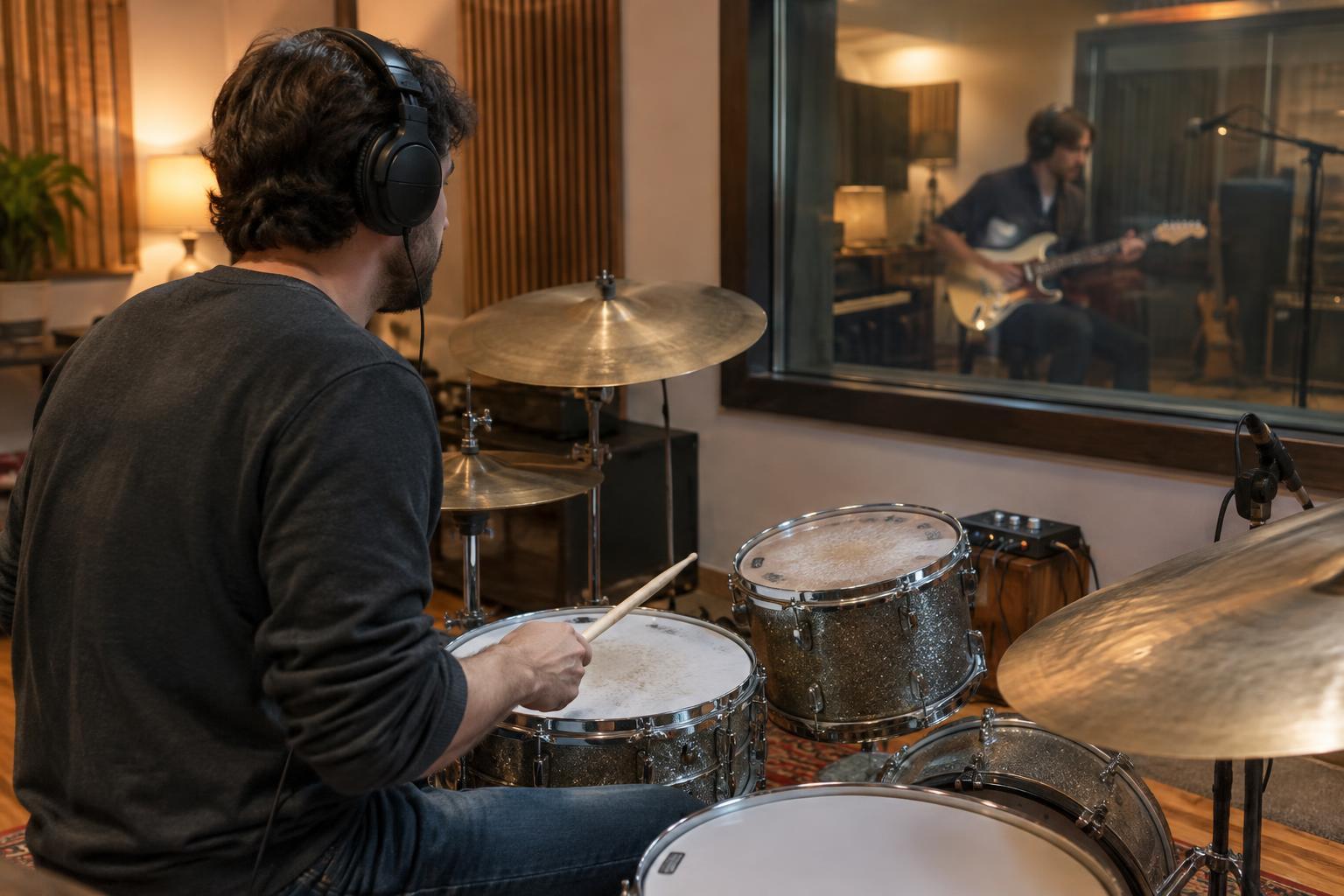
A studio vocal is usually made under conditions that favor close attention to detail. A singer may try several approaches to a line, listen back, and choose the delivery that serves the recording best. The finished track can also combine takes. That does not make it less expressive; it means listeners are hearing a carefully selected version of the performance. Onstage, the singer makes those decisions in real time, with no chance to stop and try the line again.
Breath changes the shape of a line
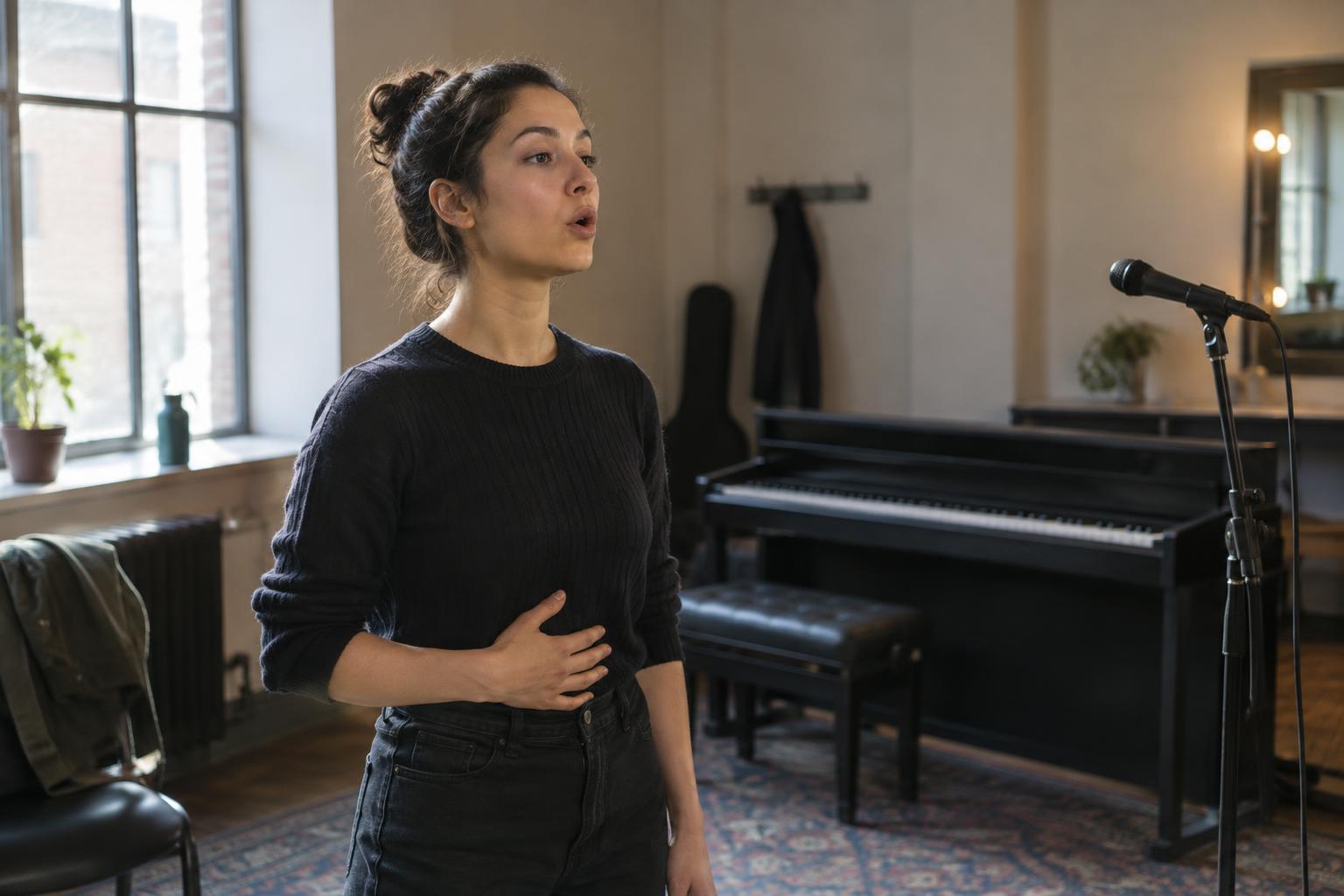
Singing a phrase requires planning where to breathe. In a studio, a vocalist can focus on a short passage, rest between takes or record another pass if a long line does not feel comfortable. During a show, that same line sits inside a continuous set. The singer may have been moving across the stage, dancing or speaking to the audience just before it begins. A quick breath in a new place can shift the emphasis of the words that follow.
The music’s pace matters too. Even when a band aims for the recorded tempo, a live groove can feel more urgent or more spacious. A singer might enter slightly behind the beat to give a lyric weight, then shorten the end of the phrase to meet the next bar. Another night, a sustained note may feel natural because the accompaniment leaves room for it. These adjustments help the vocal fit the music happening now rather than forcing it to match a fixed template.
The room becomes part of the performance
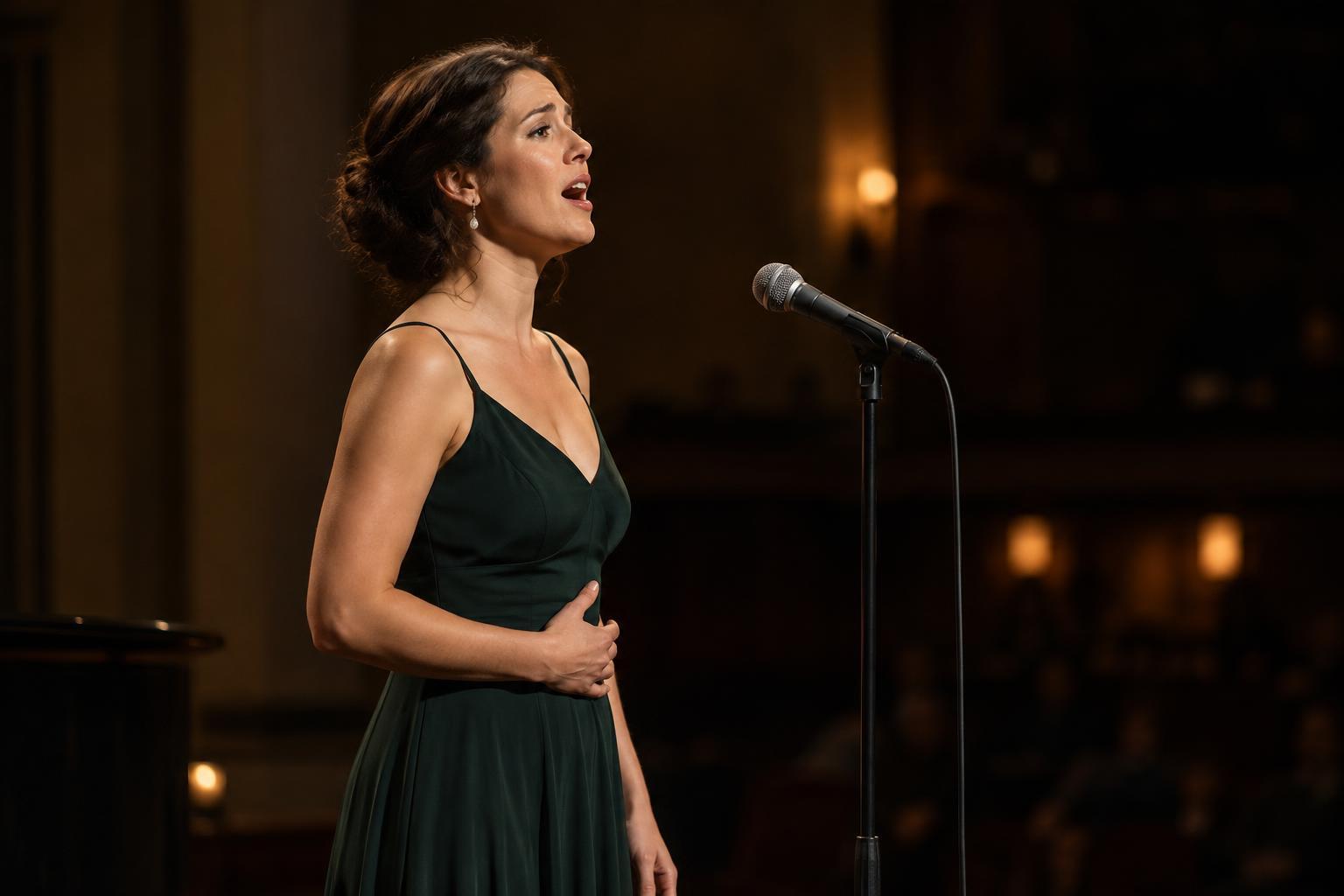
A studio microphone captures a voice in a relatively controlled setting. A concert room adds its own conditions: instruments blend in the air, sound reflects from surfaces, and the singer hears a mix through monitors or earpieces. What feels clear in one space may feel crowded in another. Leaving a little more space around a lyric, or using a shorter note, can help a phrase cut through.
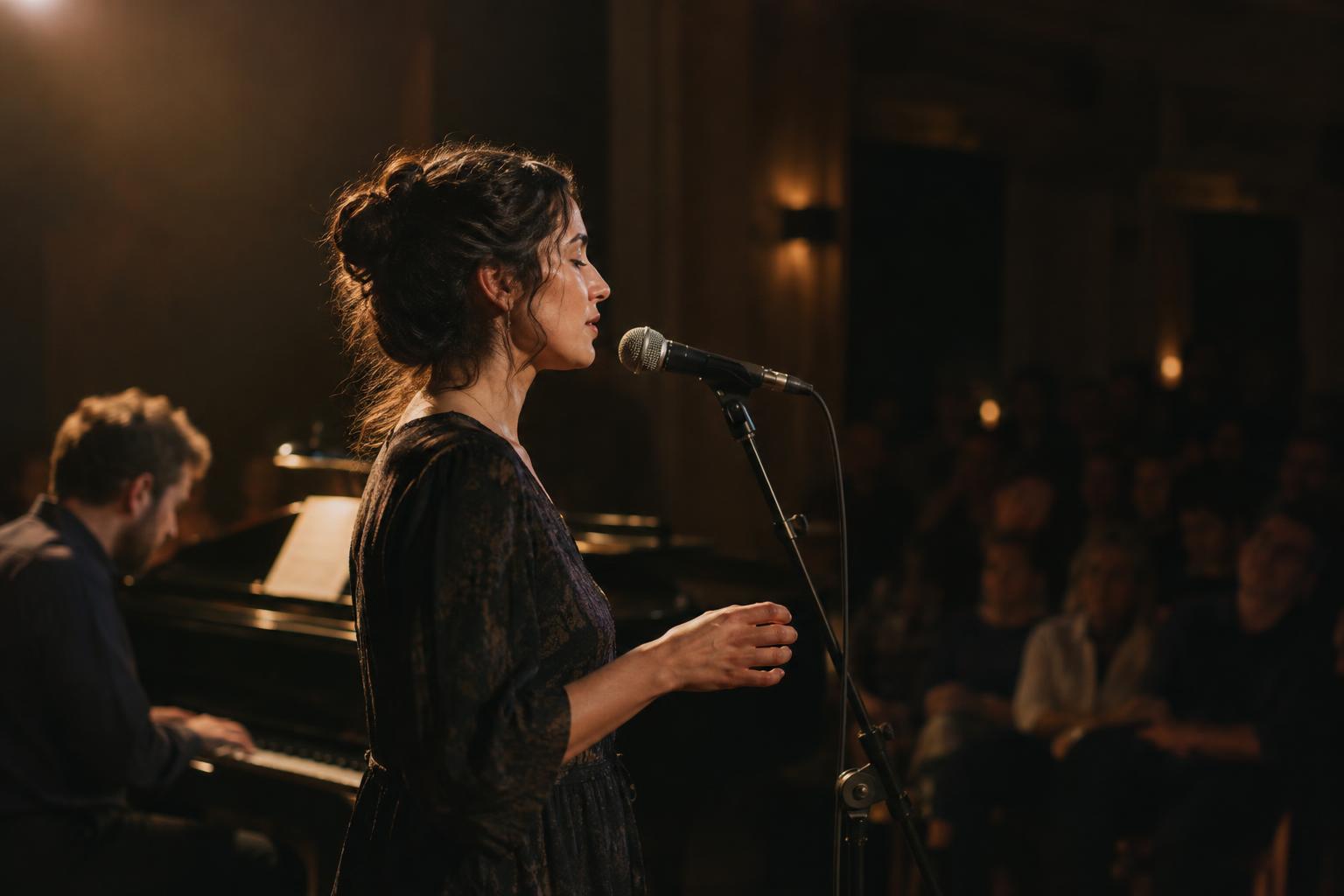
Audiences affect timing as well. A crowd might sing a chorus back, cheer after a recognizable opening line or grow quiet during a softer passage. The vocalist can respond by waiting before the next word, letting listeners carry part of a refrain, or drawing out a final syllable. Such moments are not necessarily planned, and they need not be dramatic to matter. A brief pause can change how a lyric lands.
The arrangement also determines how much space a singer has. A stripped-back performance may expose small shifts in pronunciation and timing; a fuller arrangement may invite firmer rhythms and clearer consonants. Backing vocalists, instrumental fills and solos can create openings for a lead singer to hold back or push forward.
Phrasing is a form of interpretation
Lyrics do not carry meaning through words alone. Stressing “you” instead of “I,” softening the end of a sentence or delaying a key word can change the feeling of a line without changing its text. Singers may also grow into a song through repeated performances. A phrase that was sung boldly on the record might work better as a quiet aside in a particular show. Neither delivery has to be the definitive one.
Variation has limits: the melody, the band and the structure of the song still give the singer something to work with. The most compelling changes often feel connected to those elements. A held note can heighten a transition; a clipped phrase can create momentum; a breath before a vulnerable lyric can make the thought sound less settled. These choices are part of the craft of communicating a song to people in the room.
To hear that craft, listen beyond whether a live singer reproduces the record. Notice where the breaths fall, which words receive extra time and how the band responds. A different phrase may reflect the demands of the stage, a spontaneous exchange or a deliberate new reading. The recording preserves one performance; live singing lets the song take shape again.