The arrangement gives a song its shape
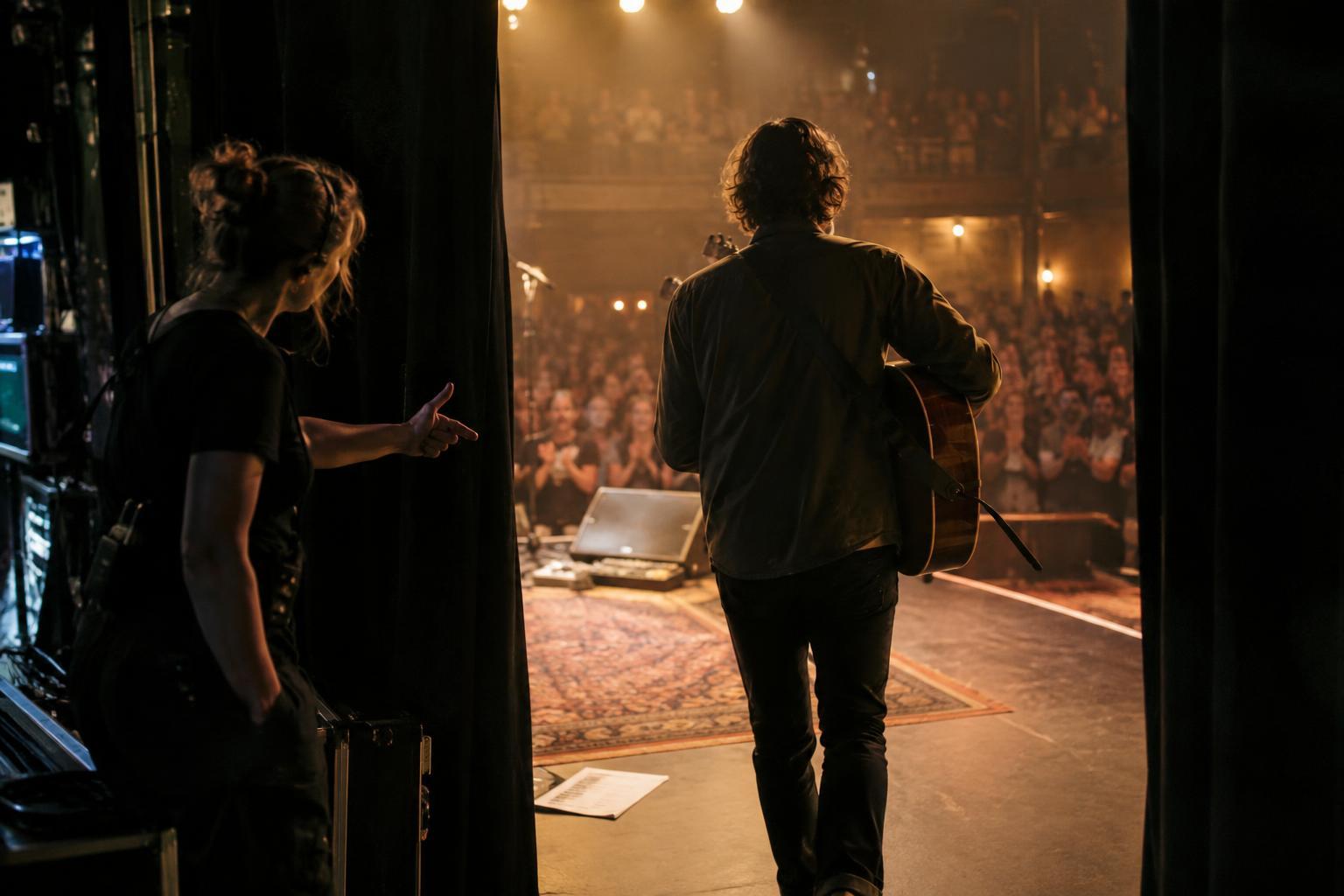
When a band plays a familiar song, some decisions have usually been made before anyone steps onstage. The arrangement establishes a working shape: where the introduction begins, which instrument carries the melody, when the chorus arrives, and how the song ends. It might specify a quiet first verse, a full-band entrance, or a pause before the final refrain. Musicians can learn that shape from a written chart, a recording, rehearsal, or simply by playing together often enough to remember it.
An arrangement does not have to dictate every note. Think of it as a shared route rather than a recording the performers must reproduce. In one show, a keyboard might provide the chords that a guitar played the night before, while the overall structure stays intact. A group may also prepare more than one arrangement of a song: an intimate version for a small room and a louder one for a large stage. Those are deliberate changes to the plan, not necessarily improvisation in the moment.
Improvisation happens inside and around that shape
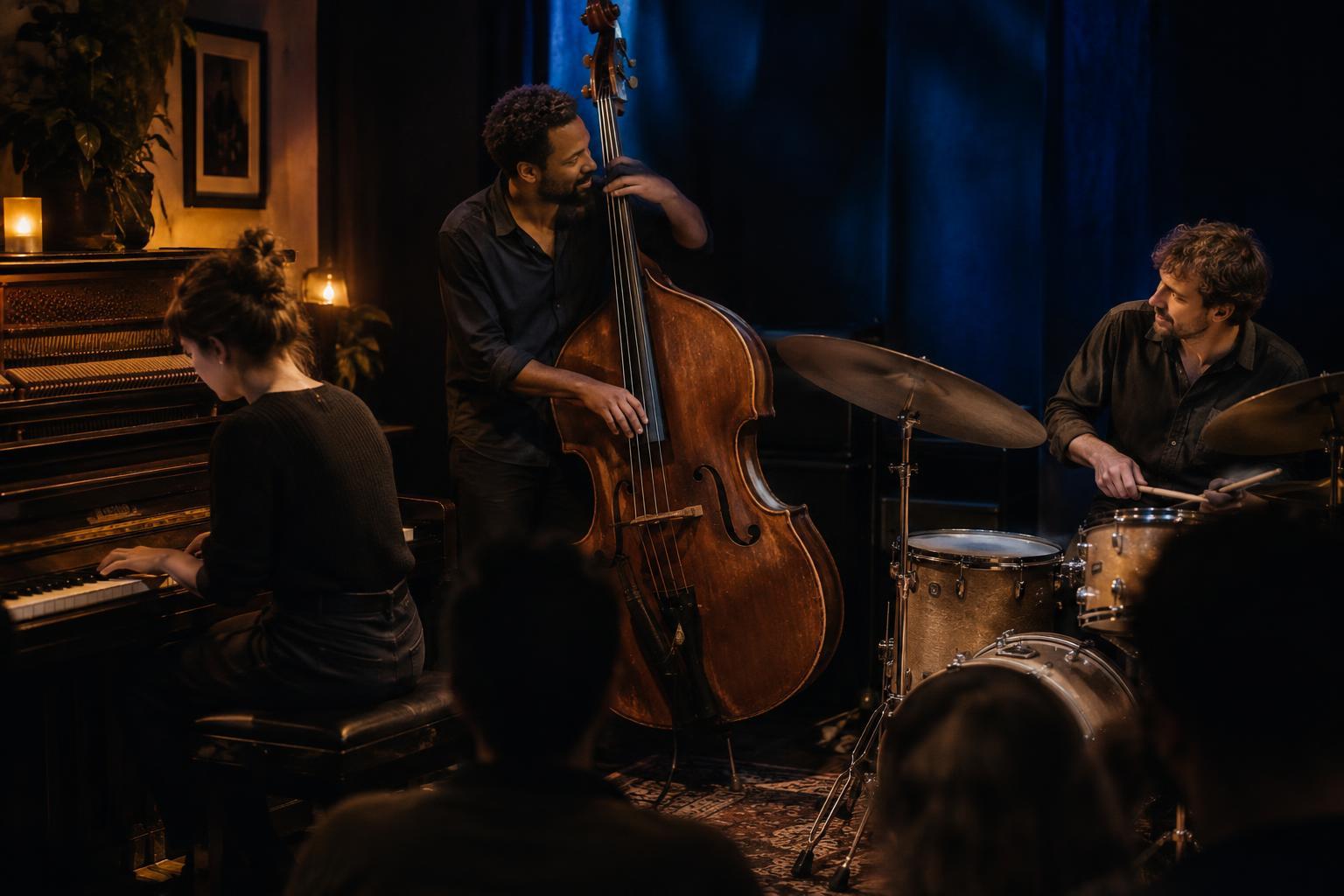
Improvisation is the creation of musical choices during performance. The clearest example is a solo whose exact notes have not been decided beforehand. But it can be smaller: a singer stretching a phrase, a drummer answering a vocal line with a brief fill, or a bassist choosing a different path between two chords. These choices may last only a beat, yet they can change the character of a passage.
Improvisation is not the absence of preparation. A musician can know the harmony, the style, and the agreed cue for returning to the chorus while leaving space to respond to the sounds around them. Nor is it always easy for a listener to identify. A polished solo may sound carefully composed, while a rehearsed flourish may sound spontaneous. The useful distinction is not whether something sounds free, but whether that particular choice was settled in advance.
What changes when the performers listen to one another
A live performance involves constant adjustments. A singer may hold a note longer than usual, prompting the drummer to delay a transition. A guitarist may leave a gap, giving the keyboard room to answer. If a solo gathers momentum, the group might stay on a section for another cycle before moving on. These moments work because the performers recognize both the arrangement and the possibility of departing from its finer details.
Even without an extended solo, a song can feel different from night to night. Tempo may settle slightly faster or slower; accents may land harder; a lyric may be delivered gently rather than forcefully. The room matters too. Musicians can hear one another differently in different spaces, and an audience’s response can affect how long they let an ending ring or how much space they leave between songs. None of this requires abandoning the song’s structure. Often the most noticeable change is how the players inhabit it.
How to listen for the balance
On a return listen, start with the landmarks. Does the song begin with the same instrument? Do the verses and choruses arrive in the same order? Is there a planned stop before the ending? Those features reveal the arrangement. Then listen within the landmarks: the length of a vocal phrase, the contour of a solo, the density of the accompaniment, and the way one player reacts to another. Those details can reveal where a performance has room to move.
The boundary is often flexible. A spontaneous ending that the group likes might become part of the next show’s arrangement. A carefully arranged passage might still depend on each musician’s feel to come alive. That is why the same song can remain recognizable without sounding identical. Arrangement gives performers a common place to meet; improvisation and responsive playing let them make something of the particular moment they share.