A conversation built into the performance
Call-and-response has a simple shape: one person or group offers a sound, phrase or gesture, and another answers. A singer might leave space after a lyric for the crowd to repeat it. A band might play a short figure that a vocalist echoes. Onstage, a performer might raise a hand and hear a cheer rise in reply. The exchange can be brief, but it changes the relationship in the room. For a moment, the audience helps determine what the performance sounds like.
That does not mean every response is spontaneous. A familiar chorus may give people an answer they already know, while a performer may teach a new one in a few seconds. Either way, the exchange creates a clear role for listeners. Rather than asking them only to observe, it gives them a way to contribute within the shape of the song or show.
The importance of a clear invitation
An effective call gives the audience enough information to answer. Performers can use repetition, an unmistakable pause or a gesture timed to the beat. If the response is unfamiliar, demonstrating it once can make participation easier. A short phrase is often more inviting than a complicated line, particularly when people are hearing the music for the first time.
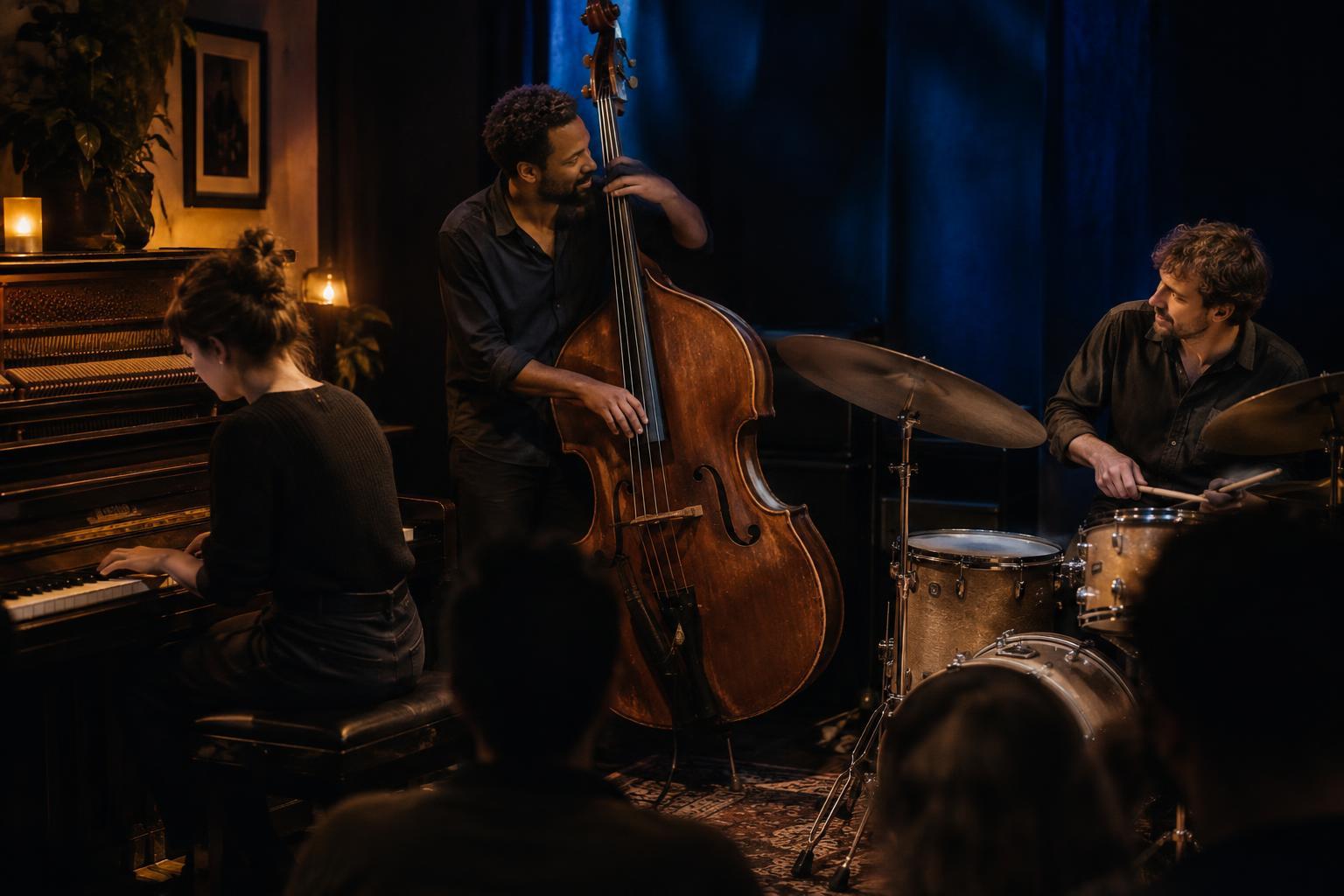
The space after the call matters as much as the call itself. If a performer rushes to fill it, the audience has little chance to respond; if the pause feels intentional, people can recognize that the next sound belongs to them. A drummer might hold a steady pulse underneath, or the band might drop out entirely. Both choices frame the answer. Good timing makes the exchange feel like part of the performance rather than an interruption of it.
What changes when the room answers
A crowd response is rarely as precise as a rehearsed vocal line. It may arrive slightly late, vary in pitch or fade at the edges of the room. Those differences can be part of its appeal. The audience hears not just the performer but its own collective voice, shaped by the size and mood of that particular gathering. A repeated chorus can become a shared event without requiring everyone to sing it in the same way.
The performer can respond in turn. They might repeat a phrase more softly after a loud answer, change the rhythm or let the crowd carry a line alone. This back-and-forth creates a sense of attention: the performer offers something, hears what comes back and makes a choice about what to do next. Even when the song’s structure remains fixed, that moment can feel specific to the room.
Participation works best when it is a choice
Not every audience member wants to sing, shout or clap. Some may prefer to listen closely; others may find a particular form of participation difficult or uncomfortable. A welcoming call-and-response makes room for those differences. Clear cues help people who want to join, while an unforced invitation lets others remain part of the experience without drawing attention to their silence.
Performers have more than one way to invite a response. A quiet hum, a simple clap or a repeated movement can offer an alternative to shouting. In a seated venue, a shared pause may be more fitting than a demand to stand. The choice depends on the music, the room and the relationship the performer has built with the audience. Connection is stronger when it feels offered, not required.
Why the exchange stays memorable
Call-and-response can make a performance memorable because it gives the audience something to do and something to hear back. The first call establishes an expectation; the answer fulfills it; the next call can play with it. That small cycle of anticipation and release can energize a song, support a transition or bring a large room into focus around a single phrase.
Its power is not simply volume. A hushed answer can create as much connection as a loud singalong if it fits the moment. What matters is the feeling that performer and audience are listening to each other. At its best, call-and-response makes that relationship audible: the performance reaches outward, the room answers and both sides help shape what happens next.