What counts as an encore?
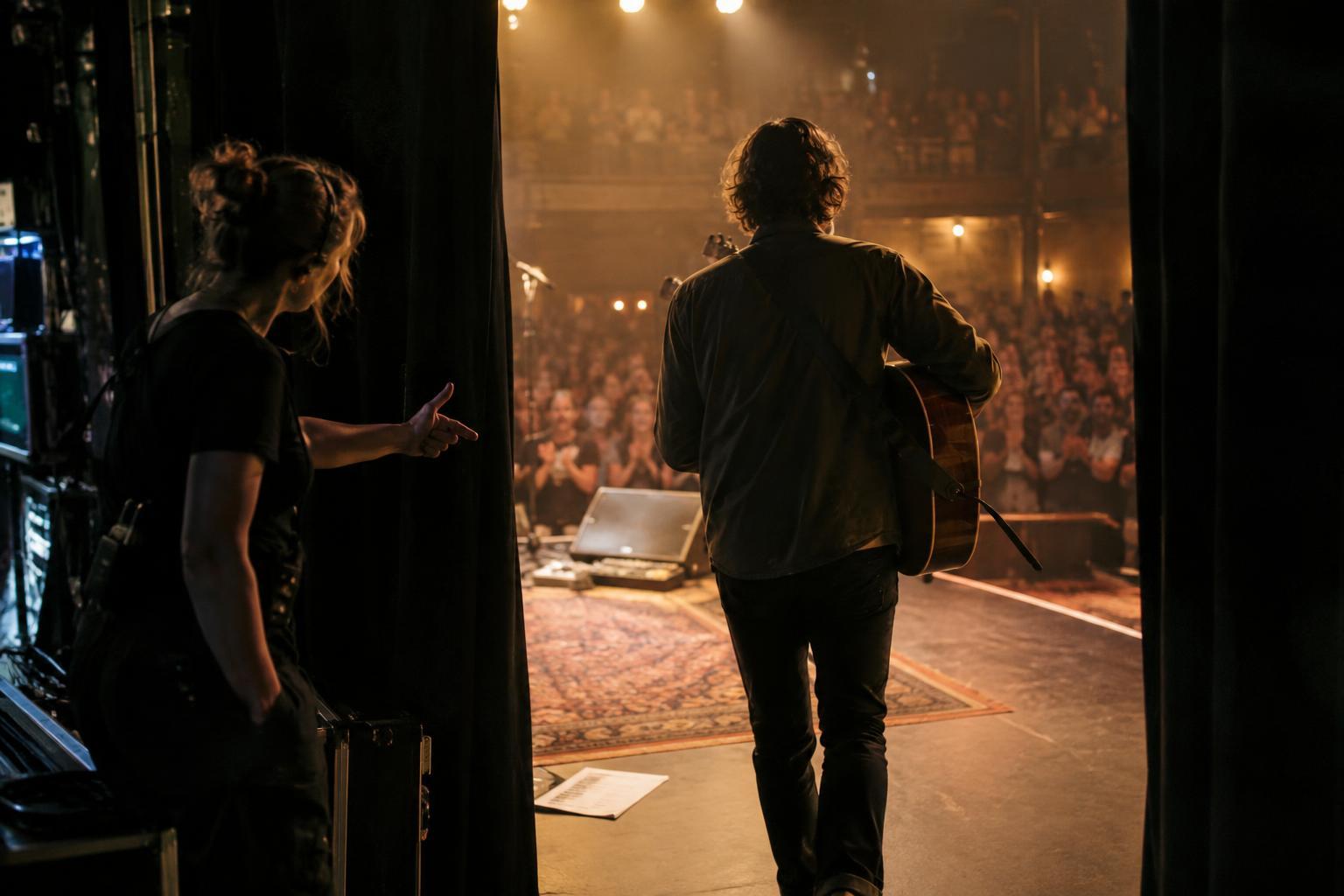
An encore is an additional performance after what appears to be the end of a show. In a concert, the artist may finish a song, thank the crowd and leave the stage while the audience keeps cheering. The artist then returns to play one or more songs. The word can suggest a response to a crowd asking for more, but the way it works varies from show to show.
The key distinction is between the experience of an encore and the decision behind it. For an audience, the pause creates a moment of uncertainty and anticipation. For a performer and crew, the return may already have a place in the setlist. Neither perspective cancels out the other: a planned encore can still be a genuine part of a live performance.
Why plan the return?
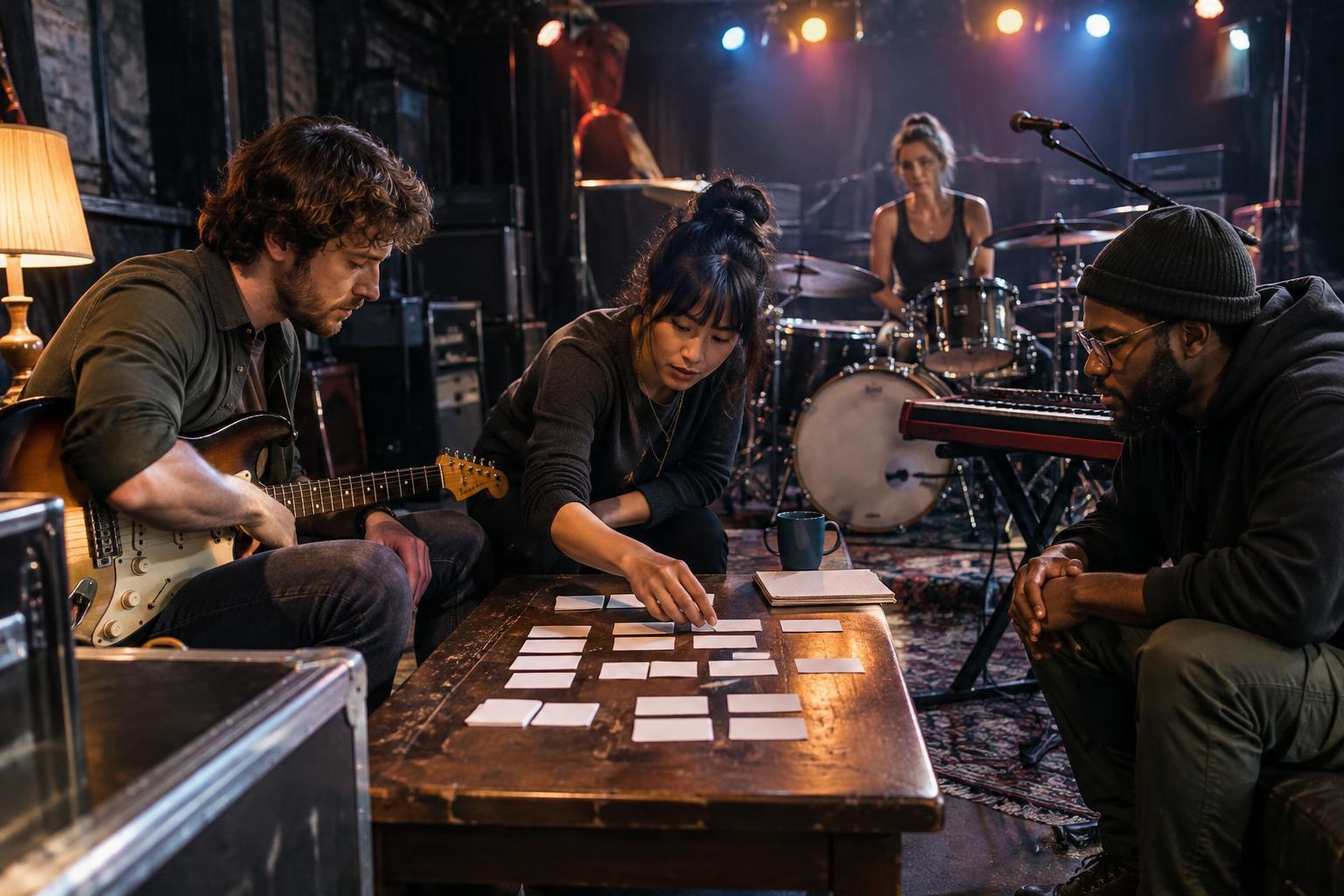
A live show involves more than choosing which song comes next. Musicians may need to change instruments or check a tuning; lighting and sound crews need to know when cues are coming; and performers may want a brief chance to catch their breath. Planning an encore gives everyone a shared ending to work toward, especially when the final songs have specific technical needs.
The order of songs also shapes how a show feels. An artist might save a familiar song for the last stretch, or choose a quieter piece that sends the audience out on a different note. Placing those songs after a short exit makes the return feel like a distinct final chapter. That pause can serve a dramatic purpose even when everyone backstage knows exactly what comes next.
Is the audience still part of it?
Yes. A planned return does not mean the crowd’s response is irrelevant. Singing along, applauding or simply staying engaged can change the energy in the room and affect how performers deliver the last songs. Some artists leave room to decide what to play, how long to speak or whether another number is practical. Others follow a fixed plan closely.
It helps to think of spontaneity as a spectrum rather than a yes-or-no test. The return itself might be scheduled while a spoken introduction is improvised. The songs might be fixed while their pacing changes with the room. On another night, a performer may genuinely decide to add a song. From a seat in the audience, it is not always possible to tell which choices were made in advance, and enjoying the moment does not require knowing.
Why might a show end without one?
Not every performance needs an encore. Some artists prefer an uninterrupted ending that makes the final song unmistakably final. A festival set or a tightly timed event may leave little room for a return. Venue schedules, production requirements and the physical demands of performing can also limit how a show closes. In those circumstances, leaving once is not necessarily a sign that the audience fell short.
Even at a show where an encore seems likely, extra songs are not guaranteed. A performer may have planned a possible return rather than a definite one, or may need to stop earlier than hoped. The safest assumption is simple: the advertised performance is the main event, and anything beyond its apparent finish depends on the people and conditions involved.
The craft of a convincing finale
An encore works because it gives a show two kinds of ending. The first offers a release: the band stops, the lights shift and the crowd has space to respond. The second offers resolution, often with a song chosen to leave a lasting impression. Performers and crews can build that arc deliberately without making the audience’s excitement any less real.
The next time a stage goes dark before the final song, notice what the pause does. Does it invite a loud call for more, or make room for a quieter return? Does the closing song echo something heard earlier, or change the mood entirely? Those choices reveal the encore as part of performance craft: a way to shape how the last few minutes feel, whether they were planned, improvised or a little of both.