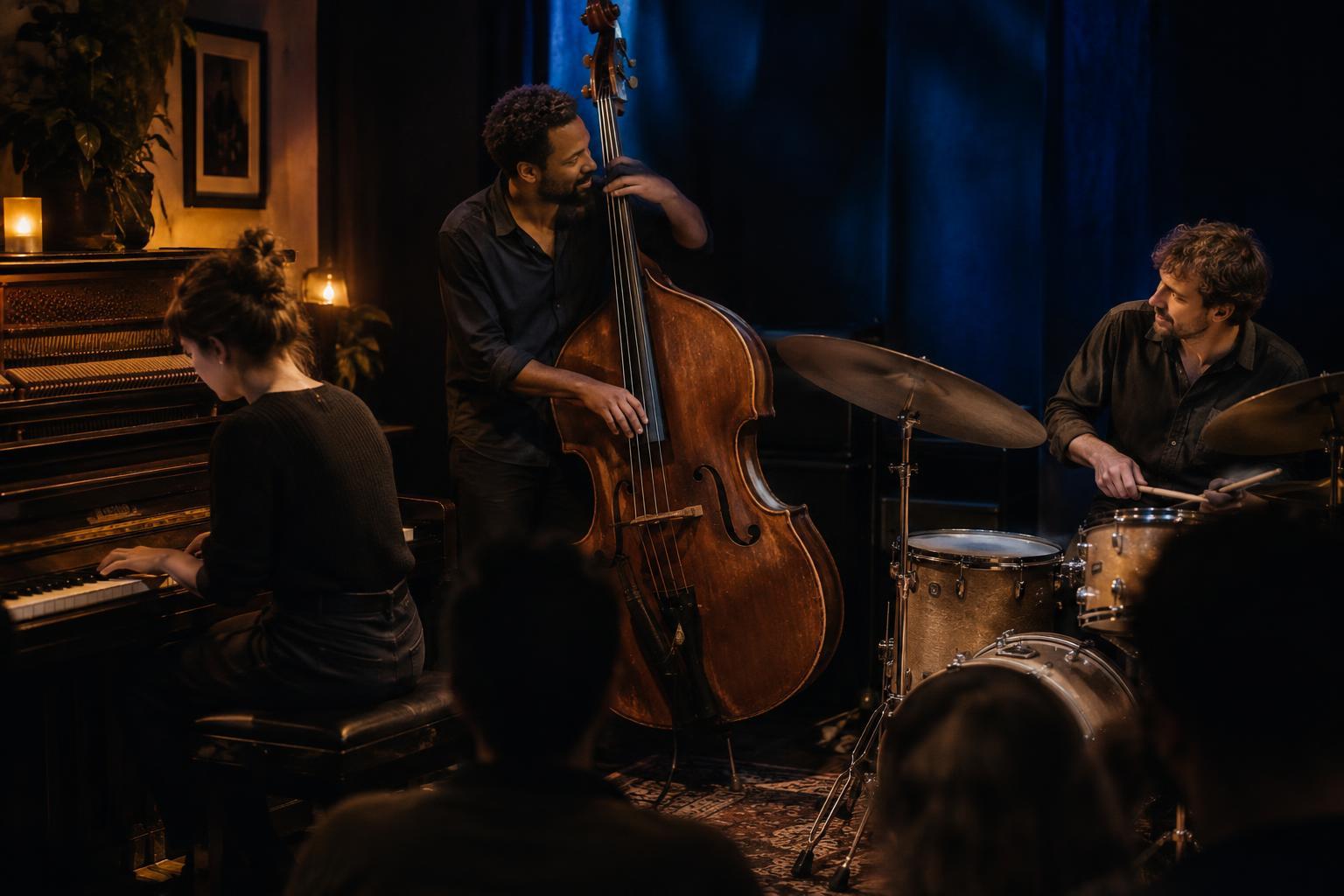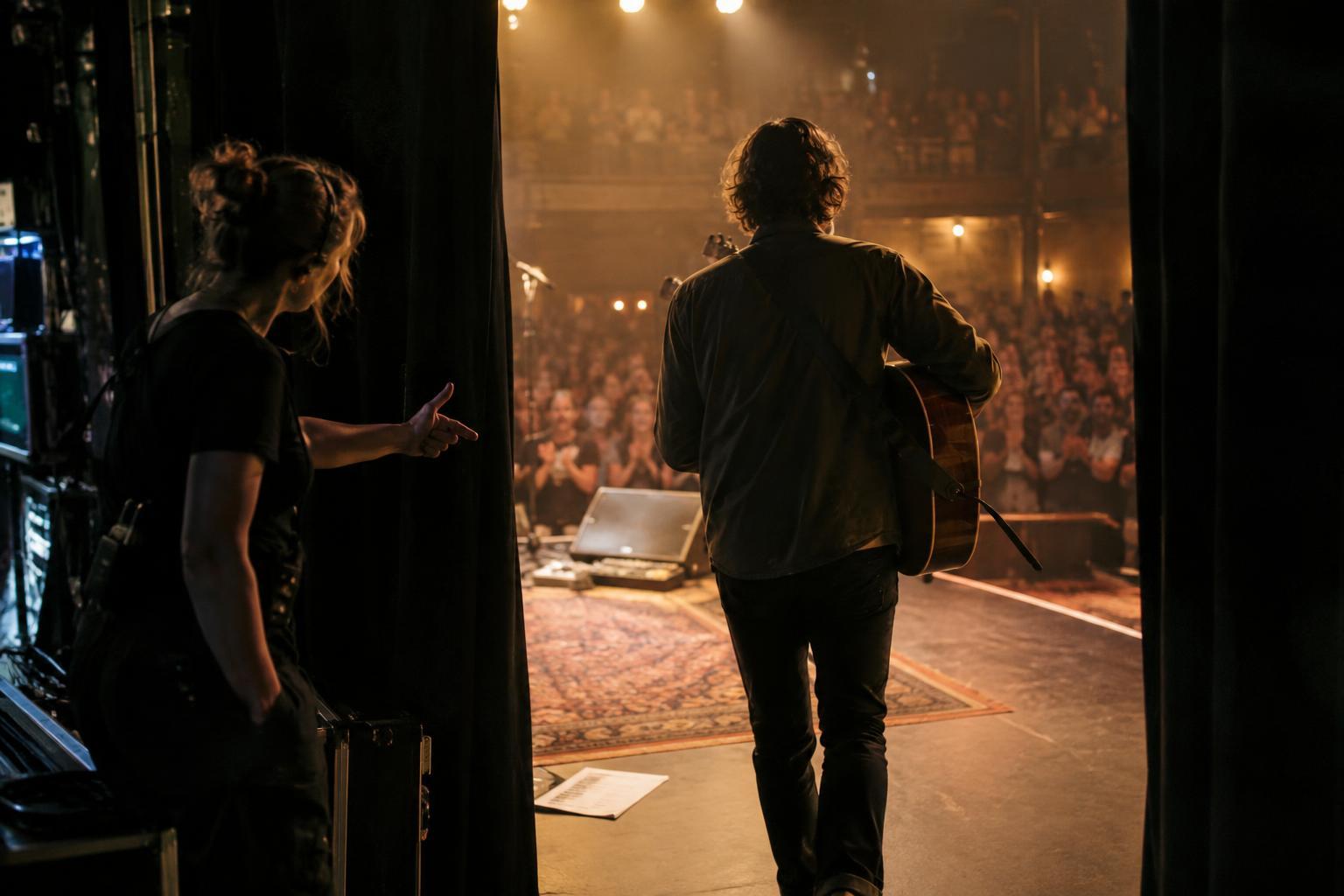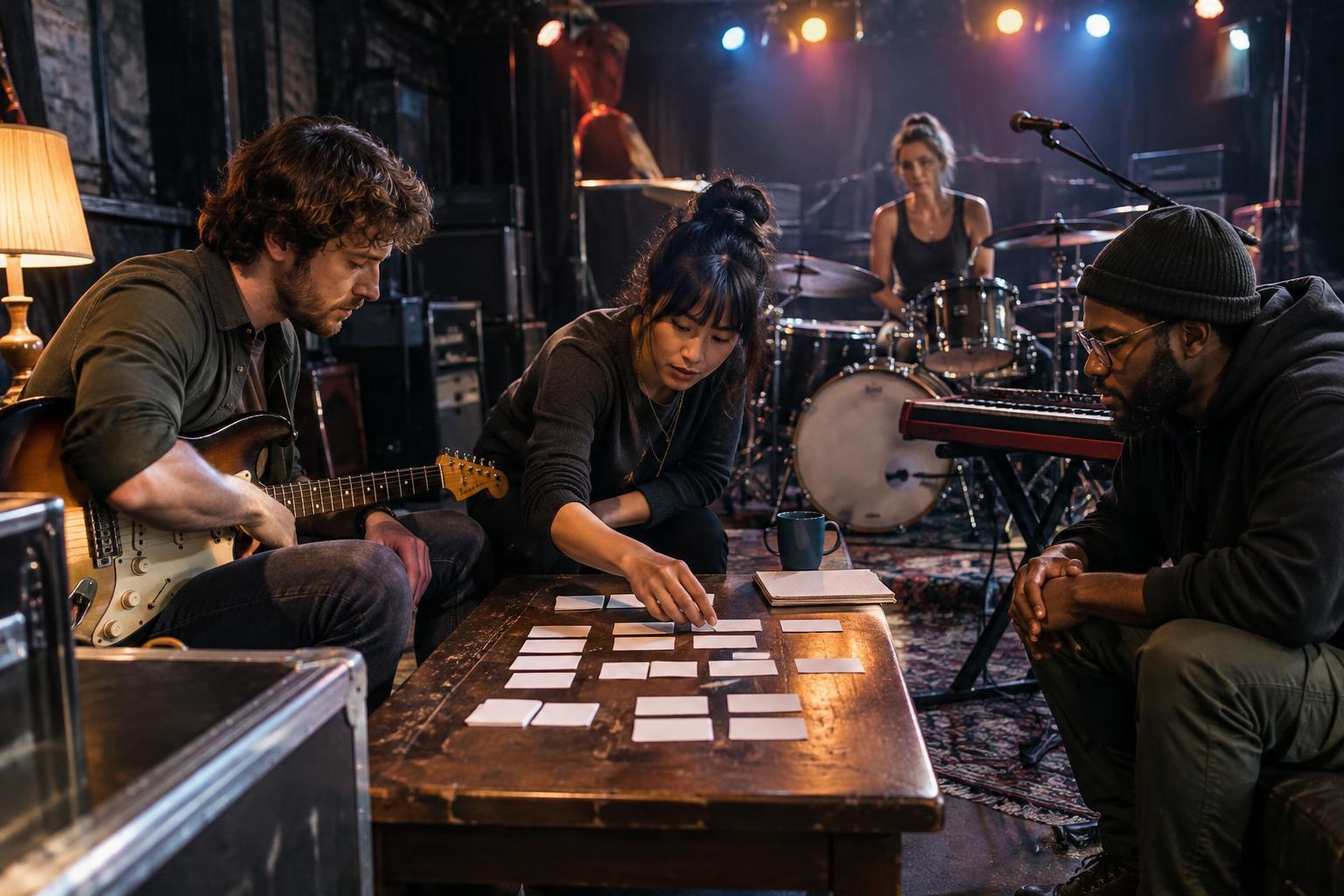
Start with the shape of the show
A setlist begins with a simple question: what should the audience feel as the show unfolds? The answer depends on the room, the length of the set and the kind of music the band plays. A short festival appearance may need to establish its identity quickly, while a longer headline show can make space for slower turns and unexpected choices. Either way, the order of songs gives the performance a beginning, a middle and an ending.
Bands often look for an opener that feels confident and is easy to launch together. It need not be the loudest or best-known song. Its job is to invite attention and let the musicians settle into the room. From there, the set can build momentum, change direction and eventually arrive at a closing song that feels like a destination rather than an arbitrary stopping point.
Balance energy with contrast
Putting every fast song together can make the opening exciting, but it may leave little room to grow. Alternating intensity gives the audience a chance to notice differences in rhythm, texture and mood. A quieter song after a dense arrangement can feel especially vivid; a driving song after a restrained passage can seem bigger without anyone playing louder.
Contrast works best when it feels intentional. Two songs with different tempos may still share a pulse, a lyrical theme or a similar guitar tone. Those connections can make a shift feel natural. Bands can also group songs into small runs: perhaps three that build in urgency, followed by one that clears the air. Thinking in runs is often easier than trying to judge each song in isolation.
Listen to the spaces between songs
The end of one song affects how the next one begins. A ringing final chord might welcome a gradual intro, while a hard stop can make room for a sudden, punchy entrance. Similar keys or rhythmic feels may allow a seamless transition, but a sharp change can be effective too. The important question is whether the gap or connection sounds deliberate.
Transitions include more than notes. A singer may need a breath, a drummer may need to count off a complicated opening, or a guitarist may have to change instruments. Some bands use a short instrumental passage or a spoken introduction to cover that movement. Others choose a clean pause. Rehearsing these moments helps the set feel like one performance rather than a series of separate songs.
Make room for the people onstage
A setlist has to work physically as well as musically. Consecutive songs with demanding vocals might sound thrilling on paper but leave a singer with little chance to recover. Players may need time to retune, switch instruments or move between positions. If a song relies on a particular sound or setup, its place in the order should account for the time needed to get there.
These practical limits can inspire good sequencing. An instrumental feature may give a vocalist a break while offering the audience a new focus. A stripped-back song can create a change in atmosphere and simplify a stage reset. None of these choices needs to be obvious to the crowd; the aim is to let the performance keep its rhythm while the band does what it needs to do.
Rehearse the arc, then stay flexible
A proposed order can look convincing until the band plays it straight through. Rehearsing the whole set reveals where energy drops, where a pause runs too long and where two songs compete for the same effect. A rough recording can help the musicians listen as an audience member might: not just for mistakes, but for pacing and whether each moment earns its place.
The finished list is a plan, not a trap. The room may respond more strongly to one mood than expected, or a practical problem may call for a quick change. Bands that know why each song sits where it does can adapt without losing the show’s overall shape. When a setlist flows, listeners may never think about its construction. They simply feel carried from one song to the next.