The original key is only a starting point
A familiar recording can make a song feel inseparable from its original key. But the key that suited one performer may not suit another. Singers have different vocal ranges, and even voices with similar ranges can feel and sound different on the same notes. Changing the key, or transposing the song, moves every note up or down by the same interval while preserving the melody’s shape.
The aim is not simply to make the highest note possible. A useful key lets the singer tell the story without spending the entire performance bracing for one difficult phrase. It should also preserve what makes the song compelling: perhaps a quiet opening, a bright chorus or a final note that feels like a release.
Range matters, but the middle of the song matters more
A singer’s range describes the notes they can produce, but it does not show which notes they can sing comfortably for a whole song. The area where most of a melody sits is often called its tessitura. A tune with one high note may feel easier than a tune whose verses and choruses stay near the top of the singer’s comfortable range. Repetition, long held notes and quick phrases all affect how demanding that area feels.
To test a key, a singer can mark the lowest and highest notes, then sing the complete song rather than checking those two notes in isolation. Where do the repeated lines sit? Can the singer sustain the chorus without tightening or losing clarity? If lowering the key makes the chorus easier but leaves the verses too low to communicate, that change may not be the answer. A smaller adjustment may work better.
Notice how the voice changes color
Comfort is not only about pitch. As a melody moves through the voice, its tone can change: a phrase may sound warm and conversational in one key, then urgent or delicate in another. Singers also navigate transitions between different ways of producing sound. A key that places an important word directly in an awkward transition can make the line harder to shape, even when every note is technically reachable.
Lyrics provide a practical test. Try singing the most expressive phrases at a natural performance volume, with their intended vowels and consonants. Can the words remain clear? Can a gentle line stay gentle, or does it require a push to be heard? The most dramatic-sounding key in a short trial is not always the one that allows a consistent performance from beginning to end.
Test keys in the context of the arrangement
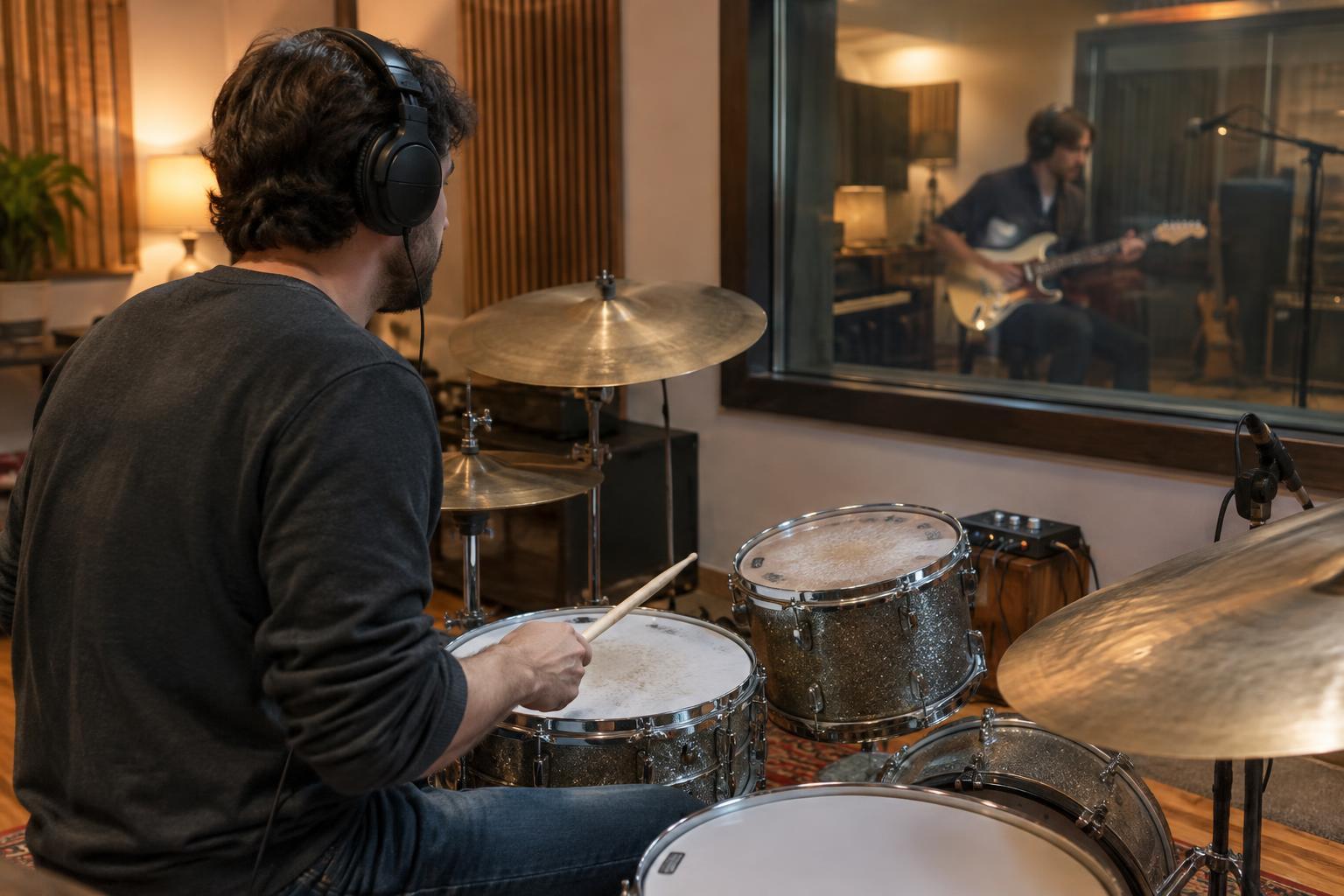
A song does not exist apart from its accompaniment. Moving the key changes the notes an instrumentalist plays and can alter the sound of an arrangement. A guitarist might use different chord shapes or a capo; a keyboard player may find that a passage sits differently under the hands. An ensemble may need to rethink a distinctive instrumental line if a large change puts it in an unsuitable register.
This does not mean the singer must accept an uncomfortable key for the sake of the instruments. It means the group can listen together and weigh the trade-offs. Sometimes a modest transposition is enough. In other cases, changing a chord voicing, shifting an instrumental figure by an octave or adjusting the texture helps everyone support the song in the singer’s chosen key.
Choose for the whole performance, not the best single take
A practical comparison is to record the song in two or three nearby keys. Sing each version through, including every verse and repeated chorus, then listen for more than whether the high note lands. Does the singer have room to phrase freely? Are the quieter moments convincing? Does the final chorus still feel manageable after the earlier sections?
The setting can matter, too. A key that feels effortless during a relaxed rehearsal might be harder to sustain alongside movement, a long set or an arrangement that encourages louder singing. If a phrase consistently feels strained, the singer can try another key, alter the arrangement or explore a different vocal approach. The best choice is usually the one that makes expression repeatable: a key in which the singer can attend to the song rather than constantly negotiating its notes.