Before the performer steps into the costume
A costume fitting begins well before anyone enters a changing room. The costume designer has considered the script, the production’s visual world and what each character needs to do while dressed. A costume team may gather or make garments, then prepare a selection to try. That selection might include complete looks or individual pieces whose color, shape or texture is still being decided.
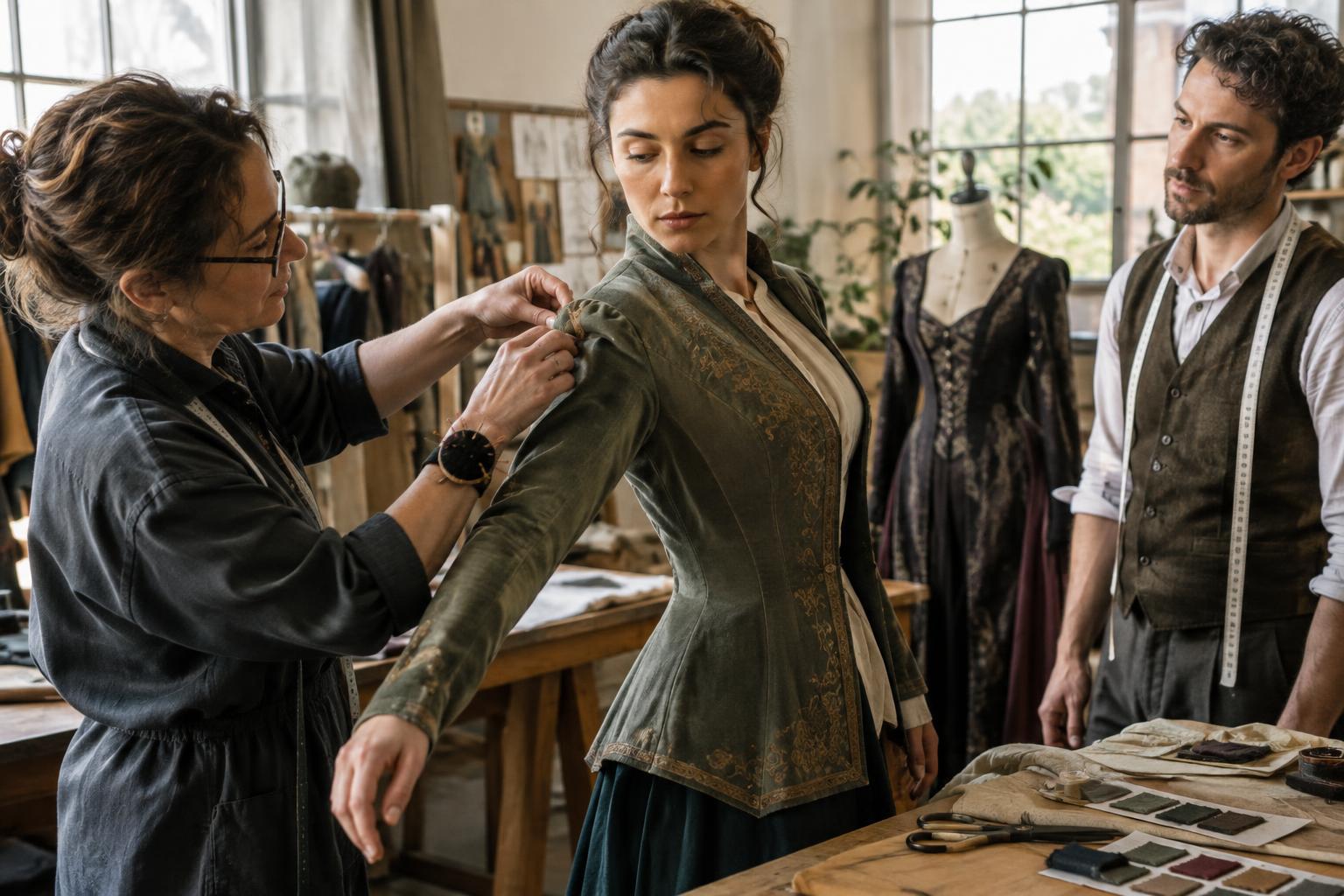
The first meeting is also a chance to learn about the performer’s practical needs. Measurements provide a starting point, but they cannot show how a garment sits on a moving body or how it feels over a long working day. A fitting brings those questions into the same room as the design. Depending on the production, the designer, a costume supervisor, a fitter, a tailor or another wardrobe team member may guide the session.
The first try-on reveals more than size
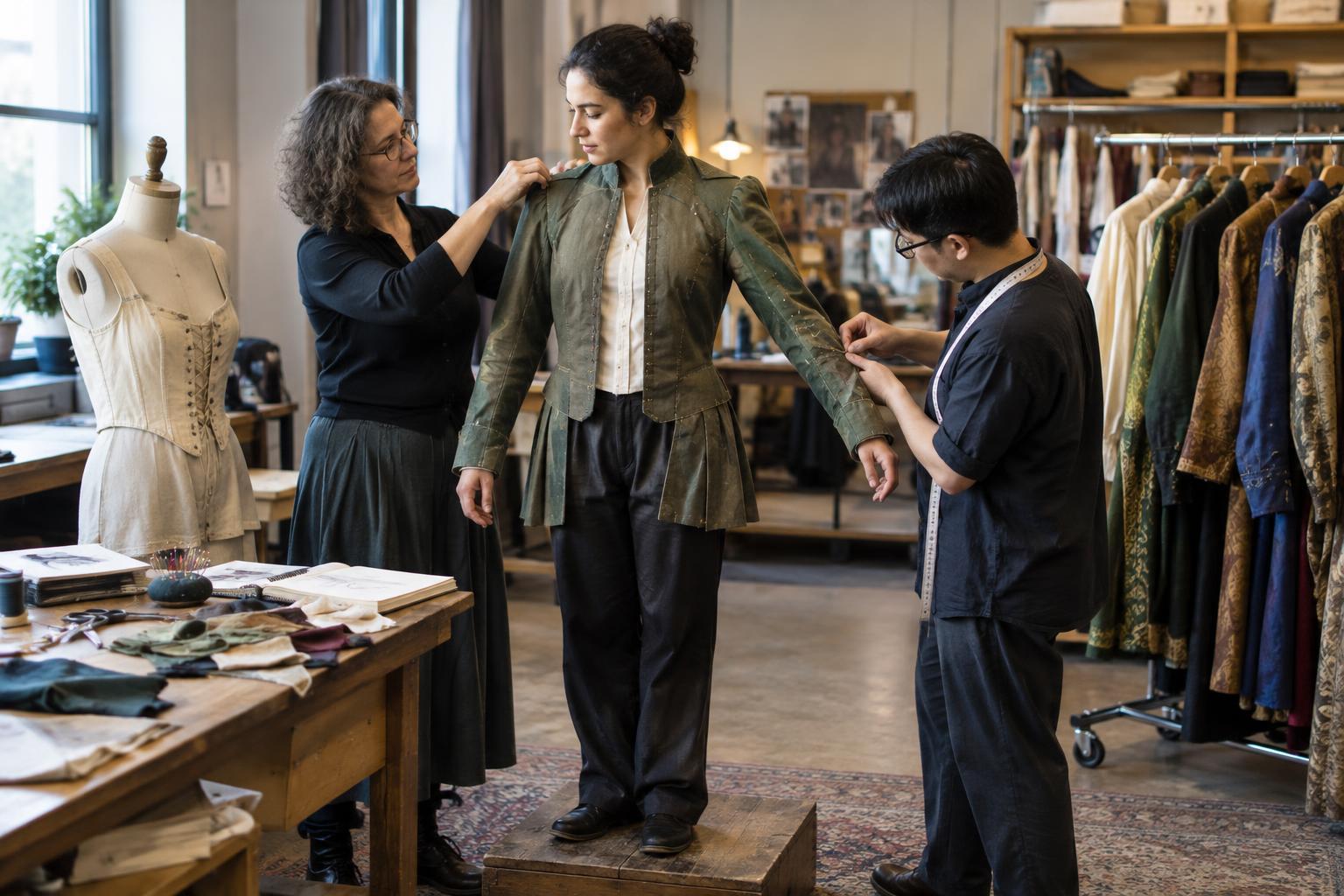
When a performer puts on a costume, the team checks its basic fit: where seams fall, whether a collar sits correctly and whether the performer can move comfortably. They also look at proportion. A jacket that fits at the shoulders may still seem too long for the intended character; a skirt may have the right waist measurement but the wrong shape in motion. Pins or temporary marks help identify changes before anything is permanently altered.
This is often the point where a design becomes easier to judge. Clothing can suggest a character’s habits, status or relationship to their surroundings without calling attention to itself. The performer may notice that a pocket is awkward to reach or that a fastening takes too long to manage. Such observations are useful: a costume has to work as part of a performance, not only as an image on a sketch.
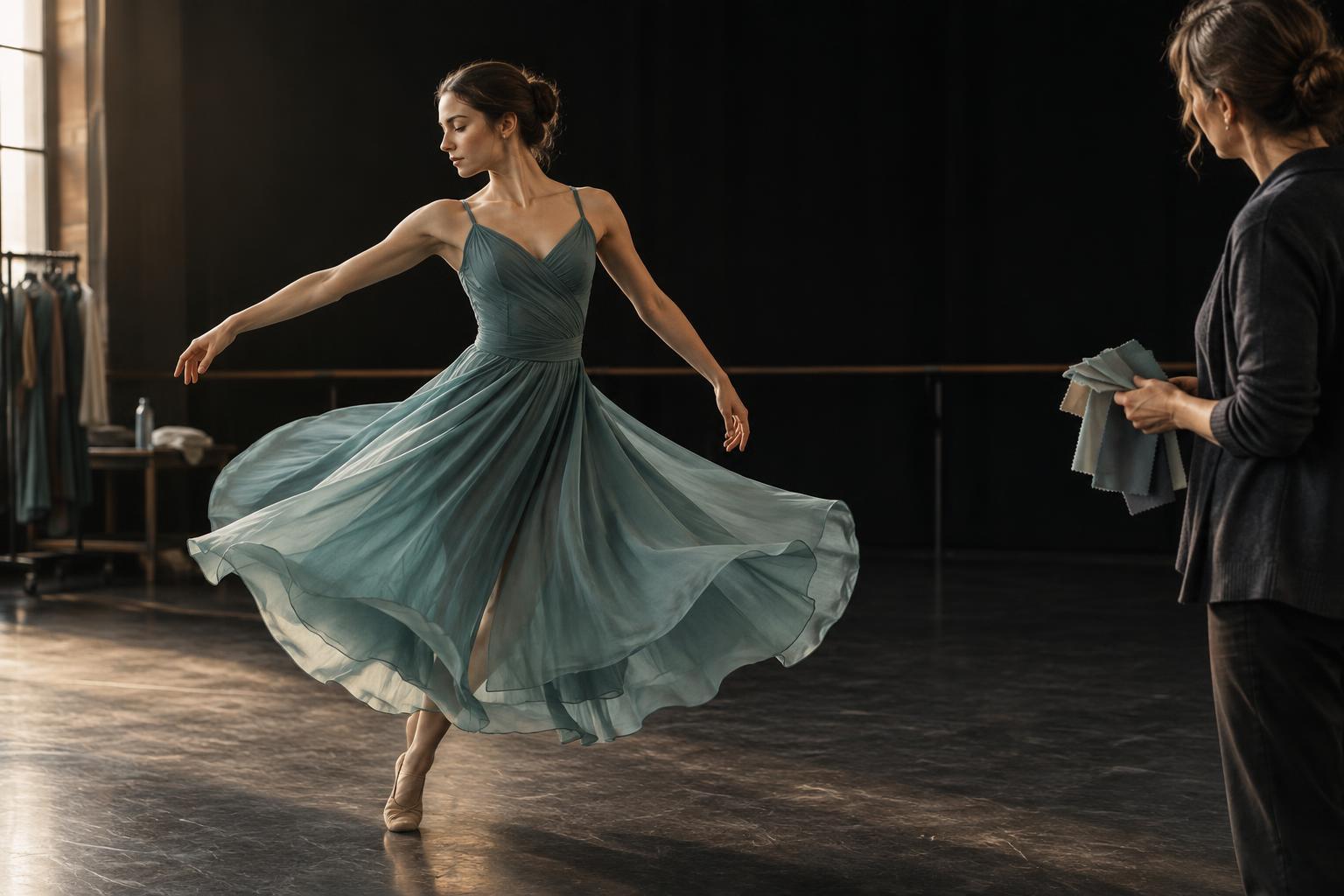
Movement and other costume pieces matter
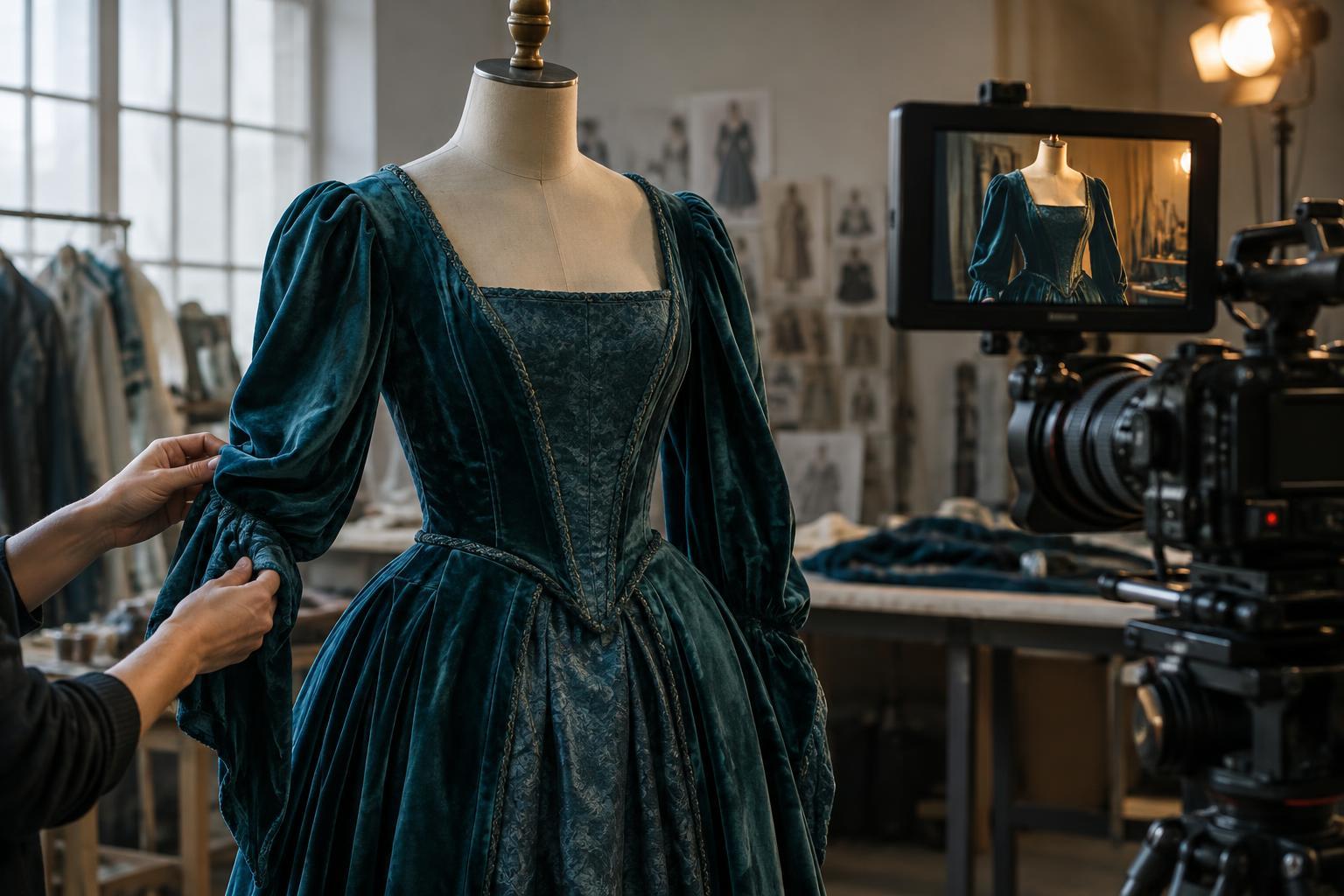
A useful fitting asks the performer to do more than stand still. They might sit, reach, walk, bend or repeat a movement required by the scene. The team can then see whether fabric pulls, hems catch or layers shift unexpectedly. For theater, where a costume may need to withstand repeated performances and quick changes, ease of movement and reliable fastenings can be especially important. Film costumes may also need to accommodate repeated takes and different camera positions.
Shoes, underlayers, hats and accessories can change how an outfit fits and how a performer moves. If those pieces are available, trying them together gives a fuller picture. The team may also consider how a costume works with planned hair, makeup, lighting or sets. A change that seems small on its own can alter a silhouette or affect whether a performer can complete an action comfortably.
The fitting is a conversation
Costume fittings involve both visual decisions and practical feedback. A designer may want a stiff outline, while the performer needs enough freedom to gesture naturally. Rather than treating either concern as an obstacle, the team can explore ways to serve both: adjusting the construction, changing a fabric or shifting where a garment is fastened. Not every suggestion will become part of the final costume, but the fitting creates a place to test ideas against the realities of performance.
It can also help a performer understand the character. The weight of a coat or the way a pair of shoes changes a stride may offer a physical cue. That does not mean a costume dictates a performance. It means the clothes and the performance can inform each other as the production develops.
After the fitting, the work continues
Once the session ends, the costume team records what needs to change. They may alter an existing garment, continue building a new one or arrange another fitting to check the result. Photos and notes can help the team track decisions, particularly when there are multiple looks, performers or versions of a costume. A later fitting may focus on details that could not be settled until the main shape was right.
The final test comes when the costume joins the rest of the production. For film, a look may need to remain consistent across scenes shot at different times, including the position of accessories or the degree of wear on a garment. For theater, it must be manageable through performances, changes and upkeep. A successful fitting helps prepare for those demands while preserving the design’s purpose: clothing that supports the story and lets the performer do their work.