The difference begins with the purpose of the look
Costume design and fashion styling both make visual choices about what someone wears. The distinction lies in the question each role is usually trying to answer. A costume designer asks what clothing communicates about a character or performance within a particular production. A fashion stylist asks how clothing can present a performer, artist or concept to an audience, often through an editorial shoot, appearance or promotional image.
Neither job is simply about choosing attractive clothes. A film costume might need to look awkward, worn or repetitive because that serves the story. A styled outfit might need to make an immediate impression in a photograph while still feeling credible for the person wearing it. In both cases, the strongest choice is not necessarily the most eye-catching one. It is the one that fits the assignment.
Costume design builds a world around its characters
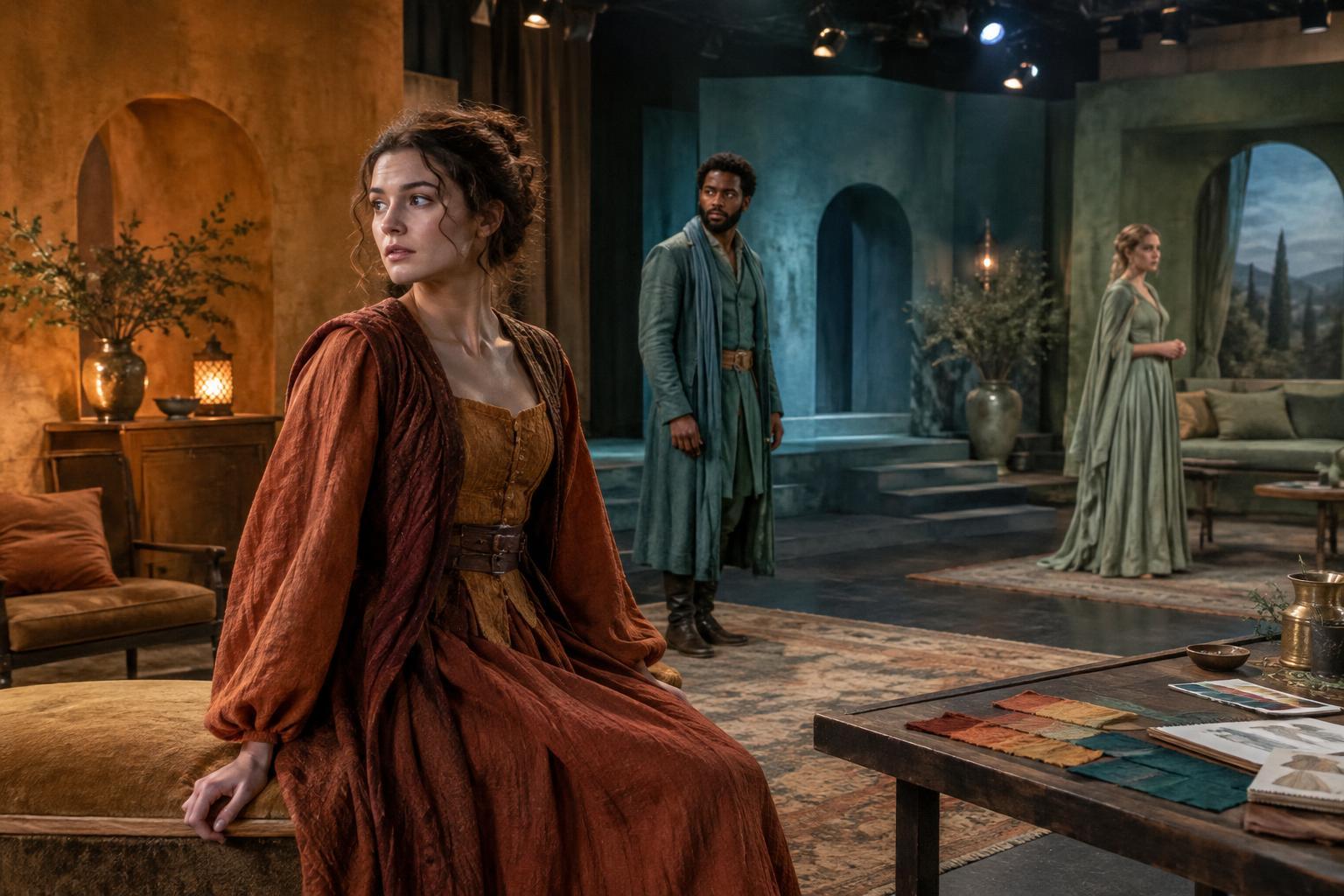
For a film, television show or stage production, a costume designer works within a story. The script, setting, relationships and changes in a character’s circumstances all shape the wardrobe. Clothing can suggest what a character can afford, how they want to be seen or whether they feel at ease in a room. It can also help an audience recognize the passage of time without a line of dialogue explaining it.
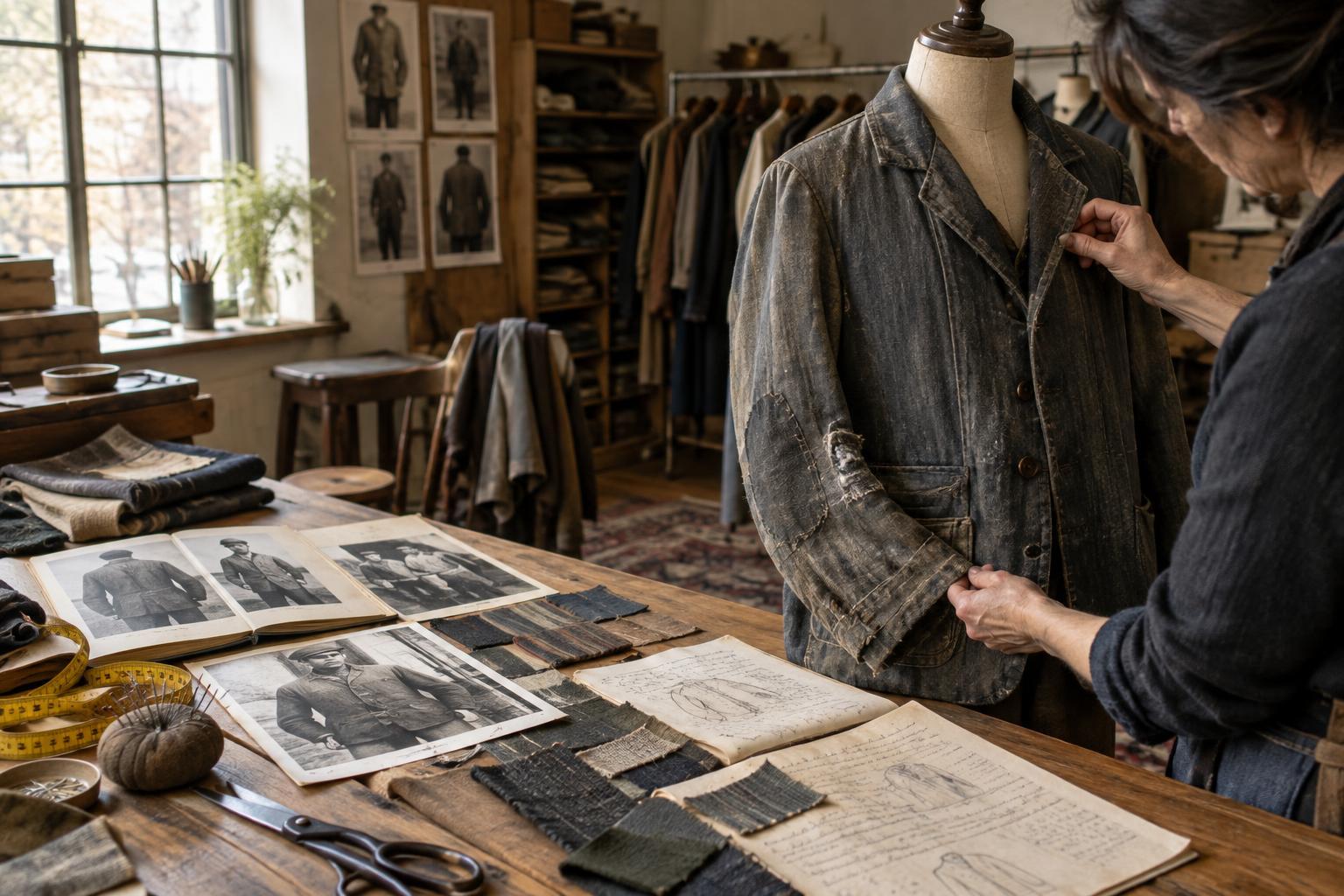
Costumes must work across scenes, not just in a single image. A garment may need to withstand repeated performances, allow movement or appear consistently in shots filmed out of story order. Depending on the production, the costume team may research a setting, source existing pieces, alter garments, build items or keep track of wear and damage. These practical demands are part of the storytelling: an outfit that cannot support the action cannot fully serve the character.
A costume does not have to be historically exact or visually subtle to succeed. The design may be deliberately heightened. What matters is whether its choices make sense within the production’s own world.
Fashion styling shapes an image for a particular moment
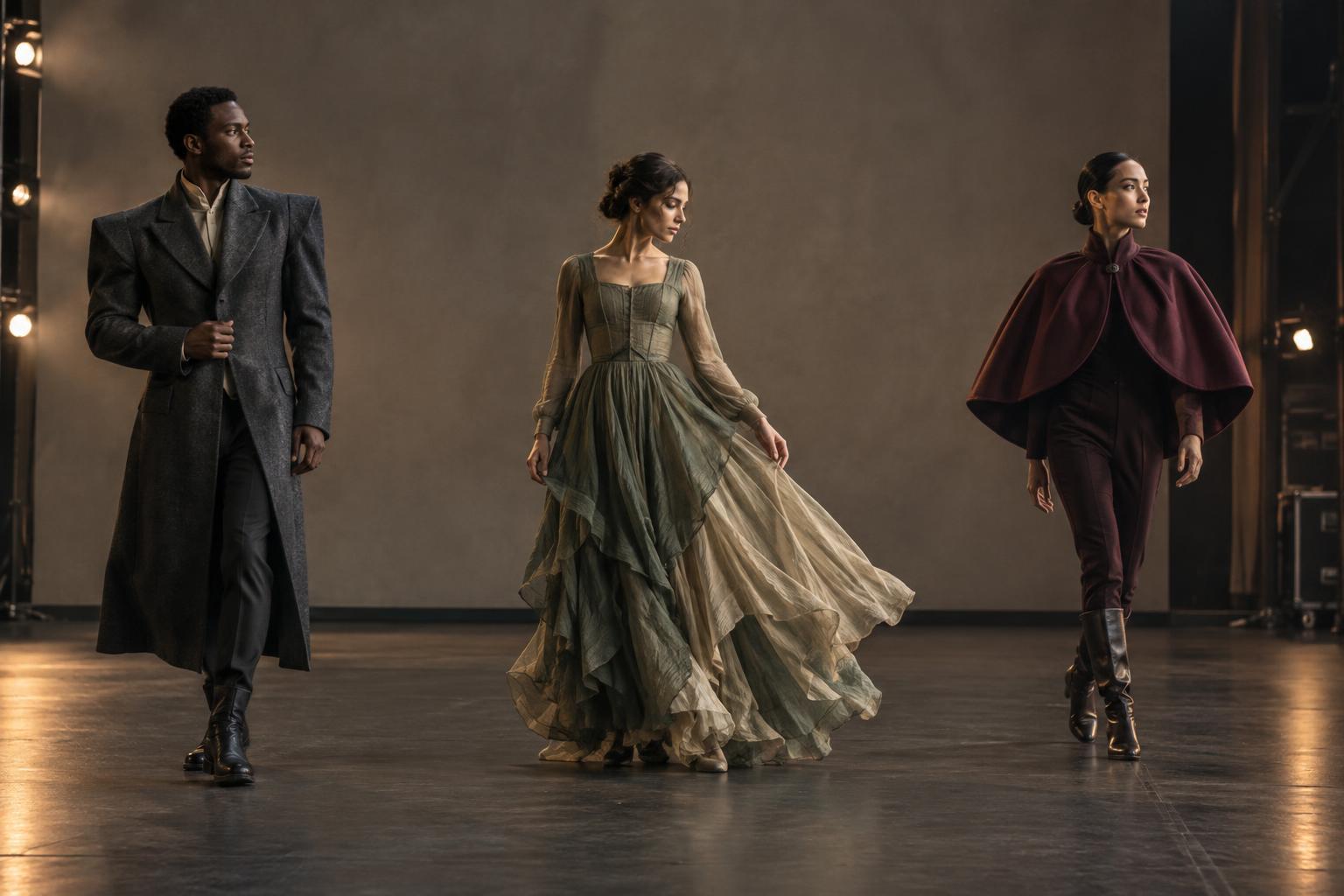
Fashion styling often centers on a specific presentation: a magazine image, a music release, a public appearance or a campaign. The stylist may source garments and accessories, consider how pieces work together, arrange fittings and adjust details so the look reads clearly in its intended setting. An outfit for a close-up photograph faces different demands from one meant to be seen across a venue or while its wearer walks and speaks.
A stylist may work with a performer’s established taste, introduce a new direction or bring an editorial concept to life. The result can reference a genre, support an album’s visual language or create a useful contrast with what audiences expect. Styling is not always about novelty or luxury. Repeating a silhouette, choosing a restrained palette or making a familiar garment feel personal can be just as deliberate.
Unlike a fictional character’s wardrobe, a styled look may be closely tied to a real person’s public image. That makes comfort, consent and collaboration especially important: the wearer has to inhabit the clothes, not merely display them.
The roles overlap, but they are not interchangeable
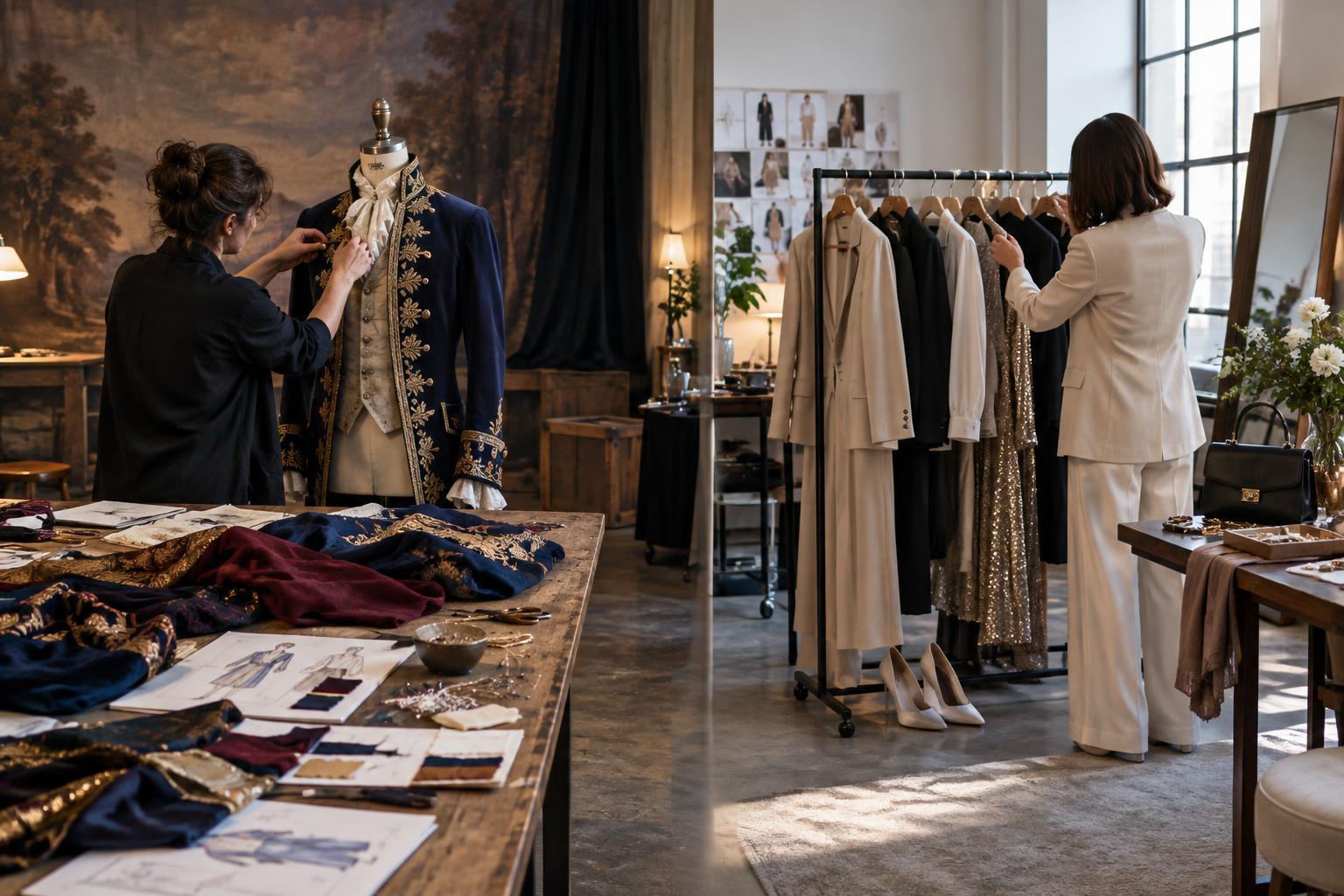
Entertainment projects rarely fit into tidy categories. A music video can contain characters and a narrative, calling for costume-led thinking, while also presenting an artist’s recognizable image. A concert wardrobe may need the visual impact associated with styling and the durability, quick changes and movement considered in costume work. Different specialists may collaborate, or one professional may take on more than one kind of brief.
The distinction is therefore more useful as a way to understand goals than as a rigid rule about job titles. Ask what the clothes must do and for whom. Are they helping an audience believe in a character over the course of a story? Are they communicating an artist’s identity in a particular image or event? Are they doing both? The answers reveal why two looks that appear equally polished might have been developed through very different processes.
How to look more closely at an outfit on screen or stage
To appreciate either craft, start with context rather than a verdict on whether you would wear the outfit yourself. Notice when a character repeats a garment, changes how it is worn or looks out of place beside others. In a performance or publicity image, consider how the clothing works with lighting, movement, framing and the wearer’s presence. A detail that seems minor in isolation may become expressive when the whole presentation comes together.
It is also worth noticing what a look allows someone to do. Can a performer move freely? Does an outfit remain legible from a distance? Does it draw attention at the right moment, or leave room for a face, gesture or song to lead? Costume design and fashion styling can both produce memorable images. Understanding their different starting points makes those images richer than a simple list of clothes.