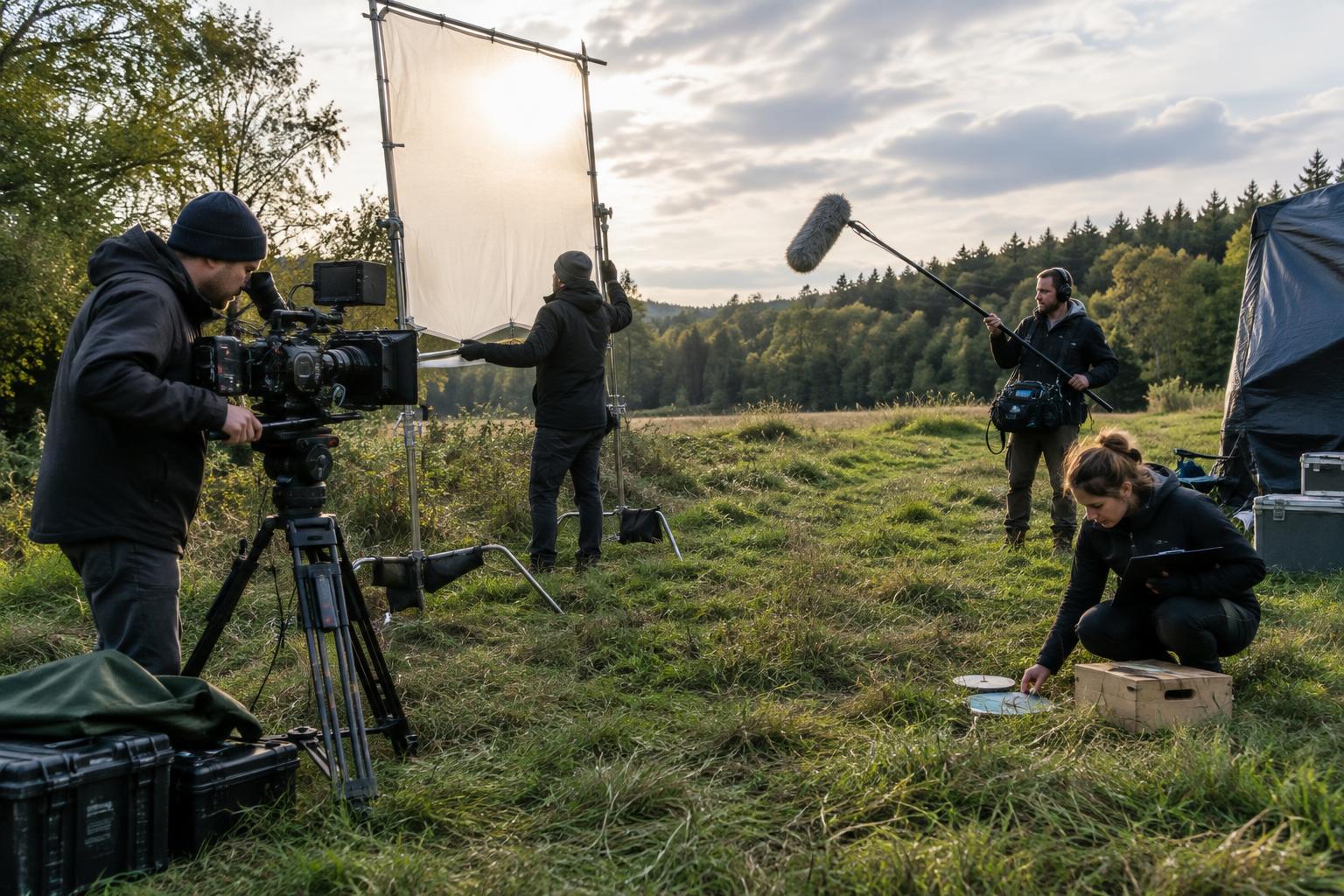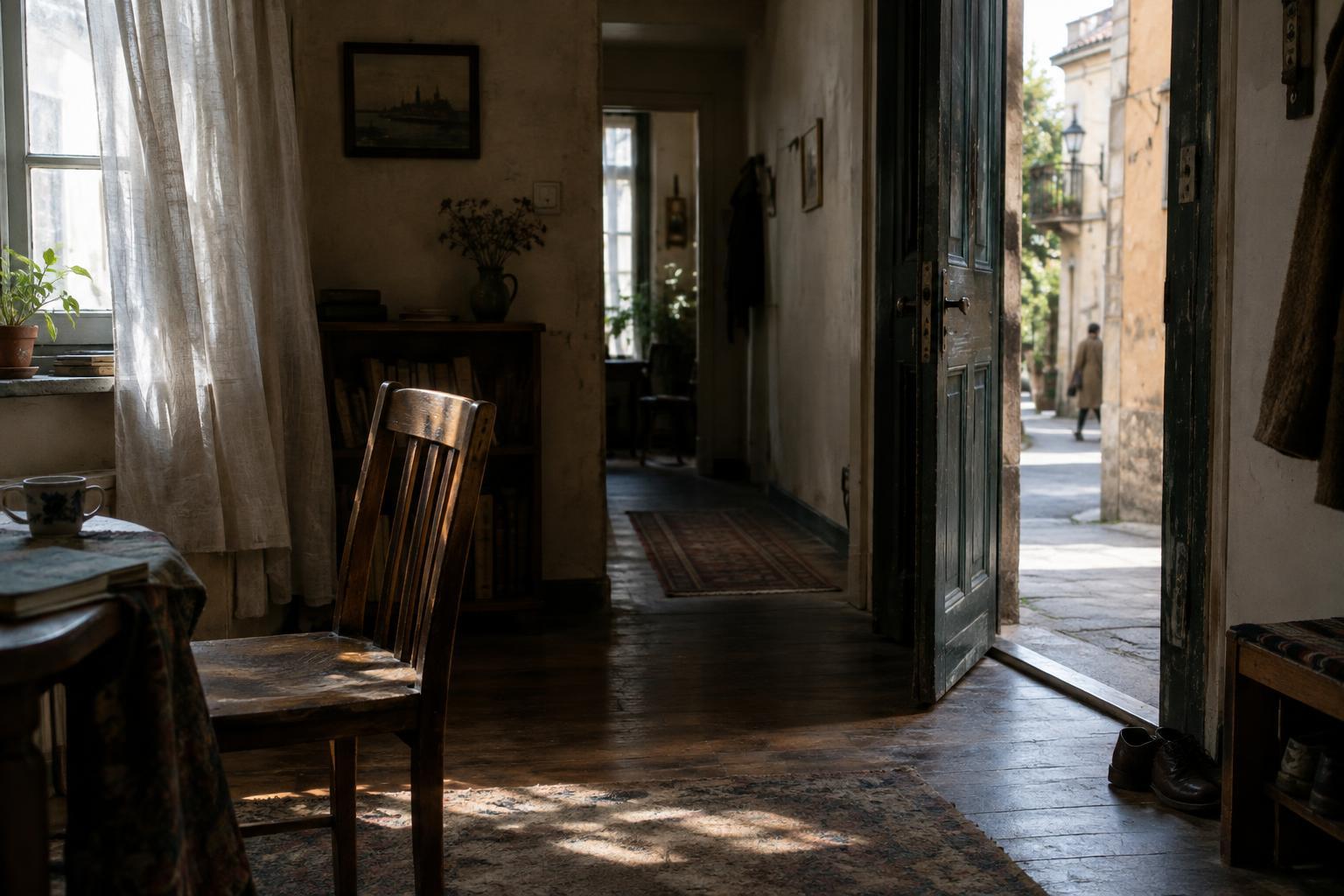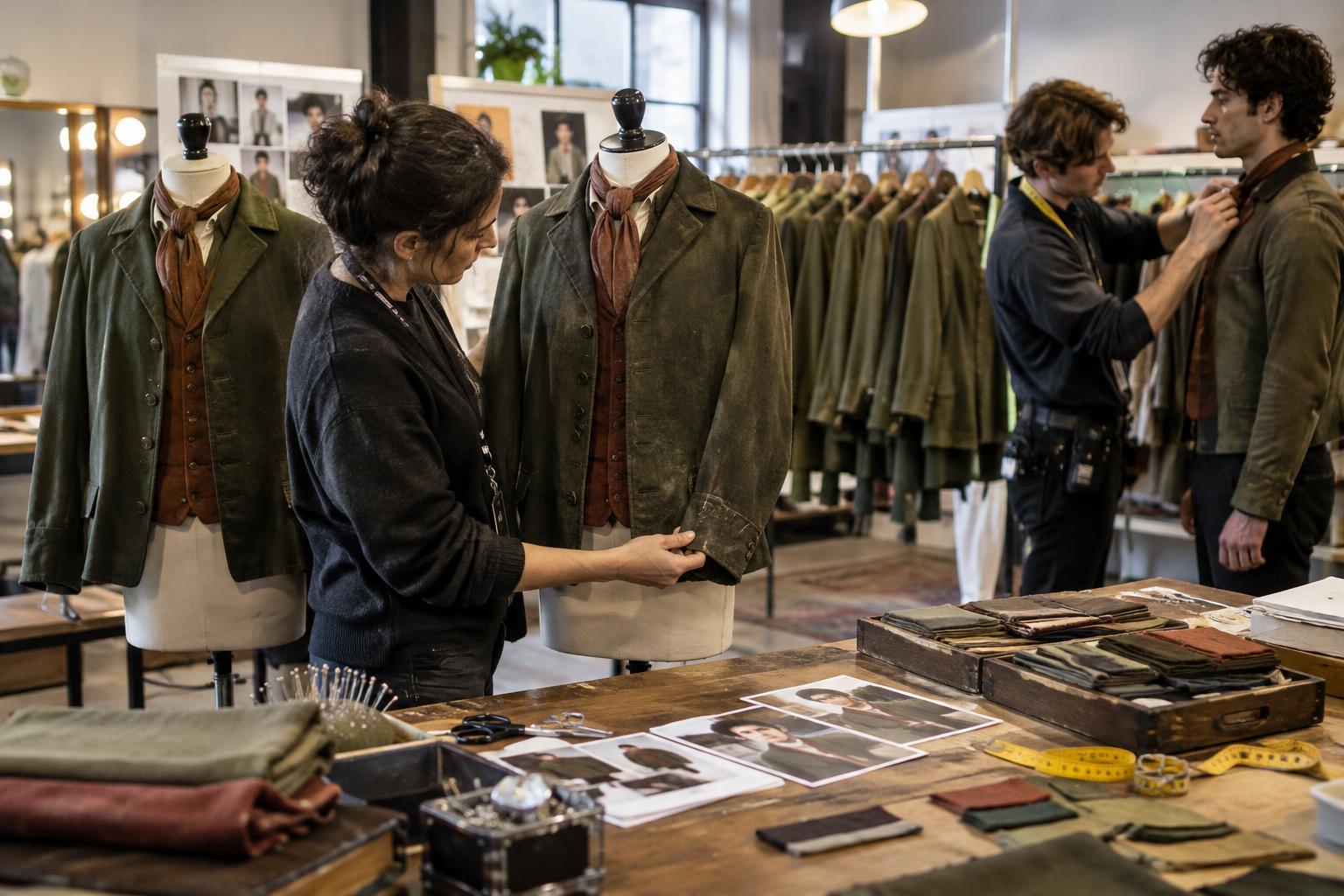
The audience sees a story; the crew sees a schedule
On screen, a character may leave a room, cross a hallway and arrive at a conversation without a break. Those shots may have been filmed at different times, perhaps in different locations. Costume continuity helps make them feel like one uninterrupted stretch of the story. A jacket that is open in one shot and buttoned in the next can draw attention to the edit, even when nothing about the character has changed.
Continuity is not simply about keeping every outfit identical. It is about knowing what the character should be wearing at each point in the story. If someone changes clothes between scenes, removes a scarf or gets caught in the rain, those differences belong on screen. The task is to preserve intentional changes and catch accidental ones.
Build a map of the character’s wardrobe
A useful starting point is a scene-by-scene wardrobe record. For each appearance, the team can note the garments and accessories a character wears, along with relevant details such as whether sleeves are rolled, a collar is turned up or a bag hangs from one shoulder. These notes connect the costume to the story’s sequence rather than the order in which filming happens.
That distinction matters when a production shoots several scenes at the same location together. An actor might wear an outfit for a scene near the end of the story in the morning, then change into an earlier version of it that afternoon. A clear record helps the team reset the look without relying on memory. It also makes it easier to spot a script change that affects what the character should have available to wear.
Track the details that can change between takes
Some continuity questions involve the whole outfit: Is this the right coat for this scene? Others are much smaller. A loose tie, tucked shirt, pushed-up sleeve or missing earring can become noticeable when a close-up is cut against a wider shot. Photos and written notes can help record how an outfit was worn at a particular moment, especially before it is taken off or adjusted.
The team also needs to pay attention to actions. If a character takes off a sweater during a scene, shots filmed before that action need one look and shots filmed after it need another. The position of a fastener or the way a garment is carried may matter if the action is visible. Checking these details between setups helps give the editor shots that can be joined without an unintended jump.
Treat wear and damage as part of the timeline
Clothes can carry the effects of a story forward. A dusty hem, damp shoulder or torn cuff may need to appear in one scene and remain visible in the next, even if that next scene is filmed first. The team may plan stages of wear so the garment reflects what has happened to the character at each point. When a look has to be repeated across multiple takes, matching versions of a garment can be useful, though the approach depends on the production and the costume.
Continuity also involves knowing when a mark should disappear. A character might change shirts, clean a coat or return to a scene set before the damage occurred. Recording the cause and timing of each change prevents a dramatic detail from drifting through unrelated scenes.
Aim for a believable progression, not perfect sameness
A character’s wardrobe should be allowed to evolve. They might dress more carefully for an important meeting, borrow someone else’s coat or gradually favor a different style. Good continuity keeps those choices legible. It helps viewers understand that a change is part of the character’s life, rather than a mistake between shots.
Not every tiny variation will be visible or worth correcting. What matters most is whether it could interrupt the audience’s sense of time, action or character. By combining a story-order wardrobe map with careful on-set observations, costume teams help separate deliberate visual storytelling from distractions. The result is often invisible work: clothes that feel naturally present, even when the scenes around them were made out of order.