A budget sets boundaries, not the visual idea
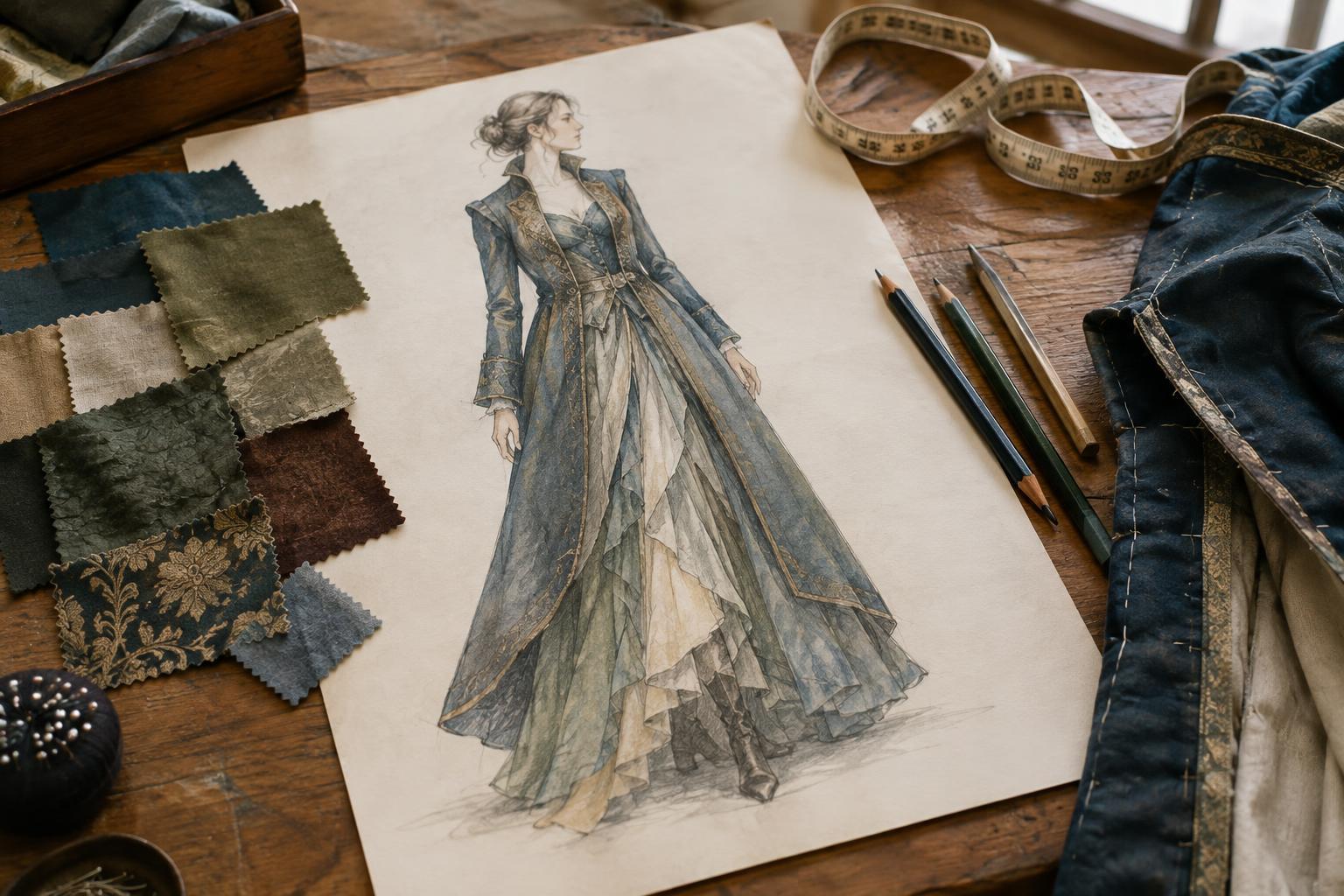
Costumes help an audience read a character before a line is spoken. A worn sleeve might suggest long use; an immaculate collar might reveal how carefully someone presents themselves. The money available to create those details matters, but it does not supply their meaning. That begins with decisions about the story, the character and the world they inhabit.
A larger budget can offer more choices: custom garments, specialist materials, extensive fittings and duplicates for demanding scenes. A smaller one may require a tighter wardrobe plan or a more inventive use of existing clothes. Neither situation automatically produces better design. A lavish outfit can feel disconnected from its character, while a modest one can be precise and memorable.
Where the money actually goes
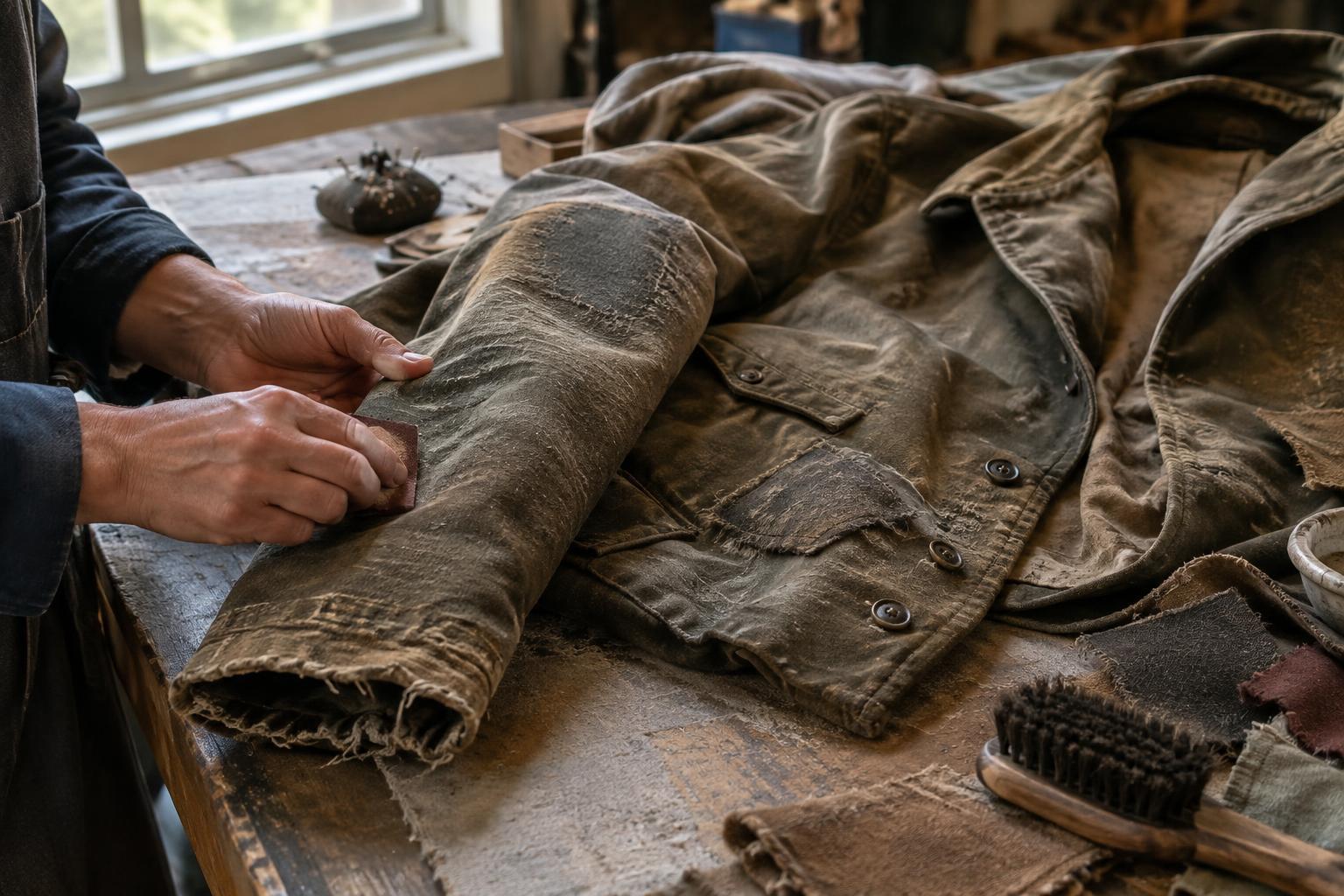
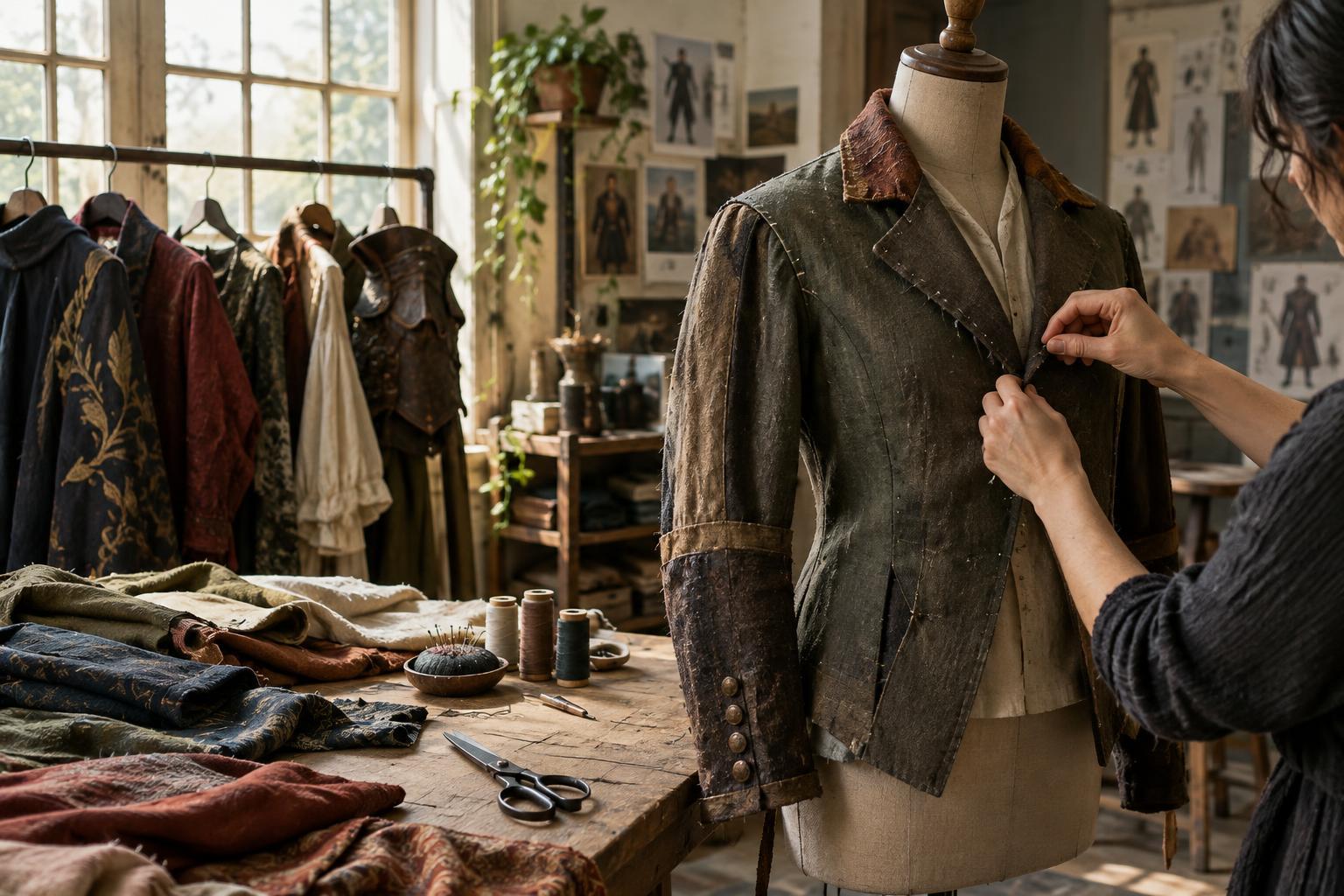
The visible garment is only part of a costume’s cost. A team may need to find suitable pieces, fit them to performers, alter their shape, age or dye them, and keep them clean and ready through rehearsals and performances or filming. Footwear, accessories and underlayers can be essential to the silhouette even when an audience barely notices them.
Scripts and production plans also affect spending. A character who wears one coat throughout a quiet story presents different needs from one whose clothing changes across many scenes. Action, dance, weather effects and continuity can call for duplicate pieces. If a garment is damaged in one scene but must look untouched in another, the team needs a workable way to preserve both versions.
Time belongs in the calculation too. Buying an inexpensive item is not necessarily economical if it needs extensive alteration or cannot withstand repeated use. Conversely, building a garment from scratch may be worthwhile when its fit, movement or distinctive shape is central to a performance. Budgeting is therefore less about finding the cheapest piece than about deciding where resources will do the most work.
Prioritizing what the audience reads
Costume designers can concentrate resources on the garments that carry the most information. A principal character’s first appearance, a major change in status or a costume used for movement may justify particular attention. Background wardrobes can still feel coherent without every piece being custom-made, provided their colors, shapes and condition belong to the same world.
This is where restraint becomes a creative tool rather than a consolation prize. Repeating a jacket can make a character feel grounded in everyday life. Changing how it is worn, pairing it with another item or letting it show gradual wear can communicate a shift without announcing one through an entirely new outfit. A limited wardrobe may even make small changes easier for an audience to notice.
Design choices also depend on how costumes will be seen. A texture that looks rich at arm’s length may disappear in a wide shot; a striking pattern may compete with a performer’s face. For stage work, distance and lighting can change how color and silhouette read. Testing and adjusting for the actual setting can matter more than the price of the fabric.
Collaboration keeps the design connected to performance
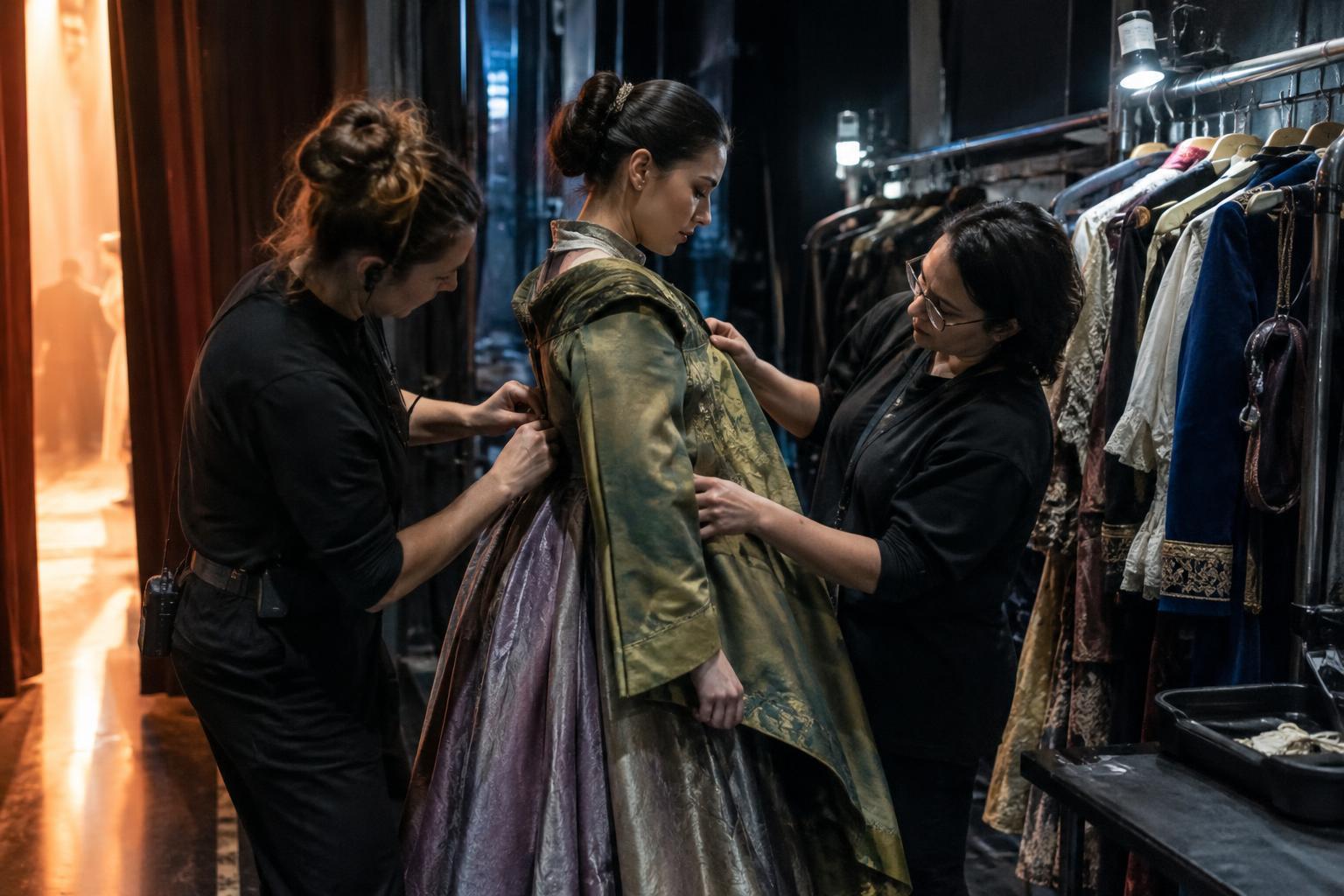
Costumes are worn, not merely displayed. Performers need to move, breathe and repeat their work in them. A visually convincing garment that restricts a gesture or demands constant attention may undermine the scene it was meant to serve. Fittings give costume teams a chance to refine proportions and learn how an outfit behaves on the person who will wear it.
The designer’s choices also meet those of directors, production designers, lighting teams and, in filmed work, camera departments. A palette may need to sit comfortably within a set, while a fastening must survive repeated changes. These conversations can reveal a simpler solution than the original plan or identify a detail worth protecting when other costs must be reduced.
Collaboration is especially valuable under constraints because it clarifies priorities. If everyone understands why a particular silhouette matters, the team can look for less costly ways to achieve it without losing the idea. The aim is not to disguise every limitation. It is to keep practical compromises from weakening the character.
The lasting impression is a coherent one
Audiences rarely know which costume required the most money. They can, however, sense when clothing fits the world and helps a performance make sense. A useful way to assess a design is to ask what each choice communicates: Does it reflect the character’s habits? Does it support the performer’s movement? Does it look right alongside the other costumes and the setting?
A budget influences the answers by setting limits on materials, labor and time. It does not decide whether those answers are thoughtful. Costume design is strongest when its resources, whatever their scale, are directed toward a clear idea of who the characters are and how the audience will encounter them.