Start with the shape, not a perfect replica
Historical clothing can give an audience an immediate sense of place and social world. A sleeve shape, waistline, collar or hat may communicate an era before a character speaks. But a garment made exactly as it might have been worn in the past is not automatically the best choice for a production. A performer may need to climb stairs quickly, dance, sit for hours or repeat a gesture through many takes. The costume has to support those actions while preserving the visual idea that makes the period recognizable.
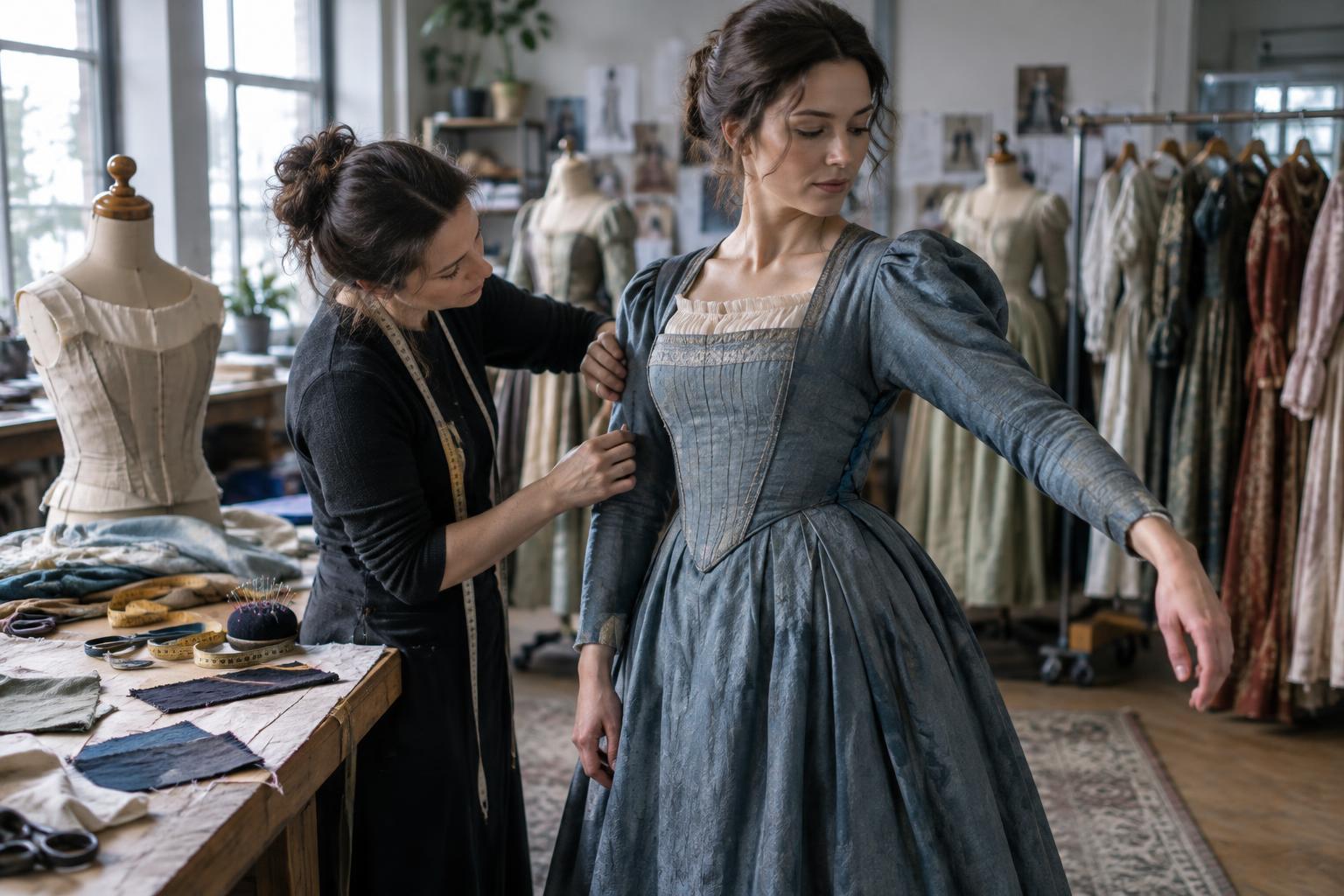
A useful starting point is the silhouette: the overall outline a garment creates. Costume teams can identify which features matter most to that outline, then decide where adaptation will be least visible. A skirt might keep its period shape while using lighter internal structure. A jacket might retain its characteristic shoulder and lapel but allow more room at the back. The aim is not simply to make old clothing feel new; it is to choose which details tell the story and which construction methods can serve the performer.
Make room for movement and breath
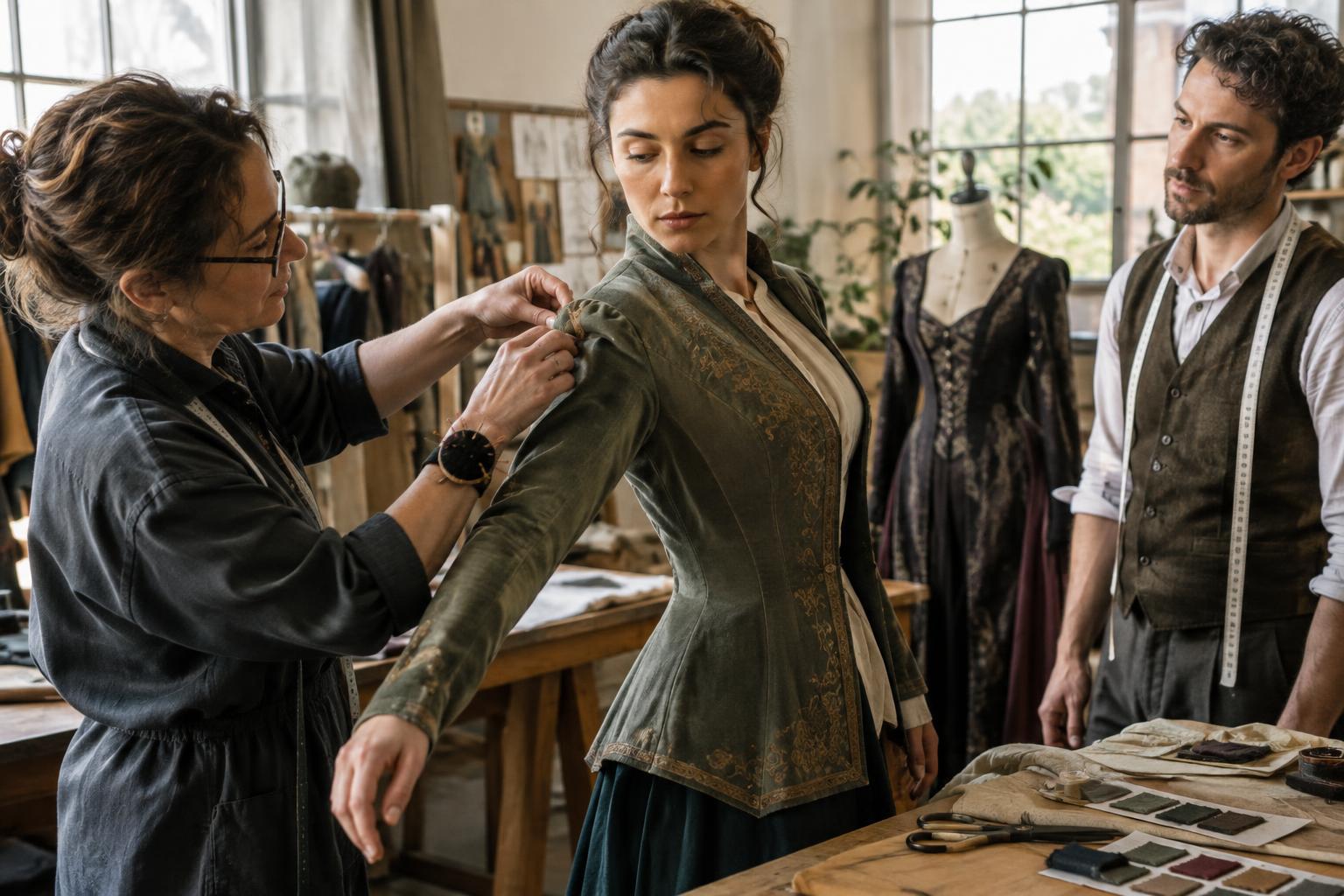
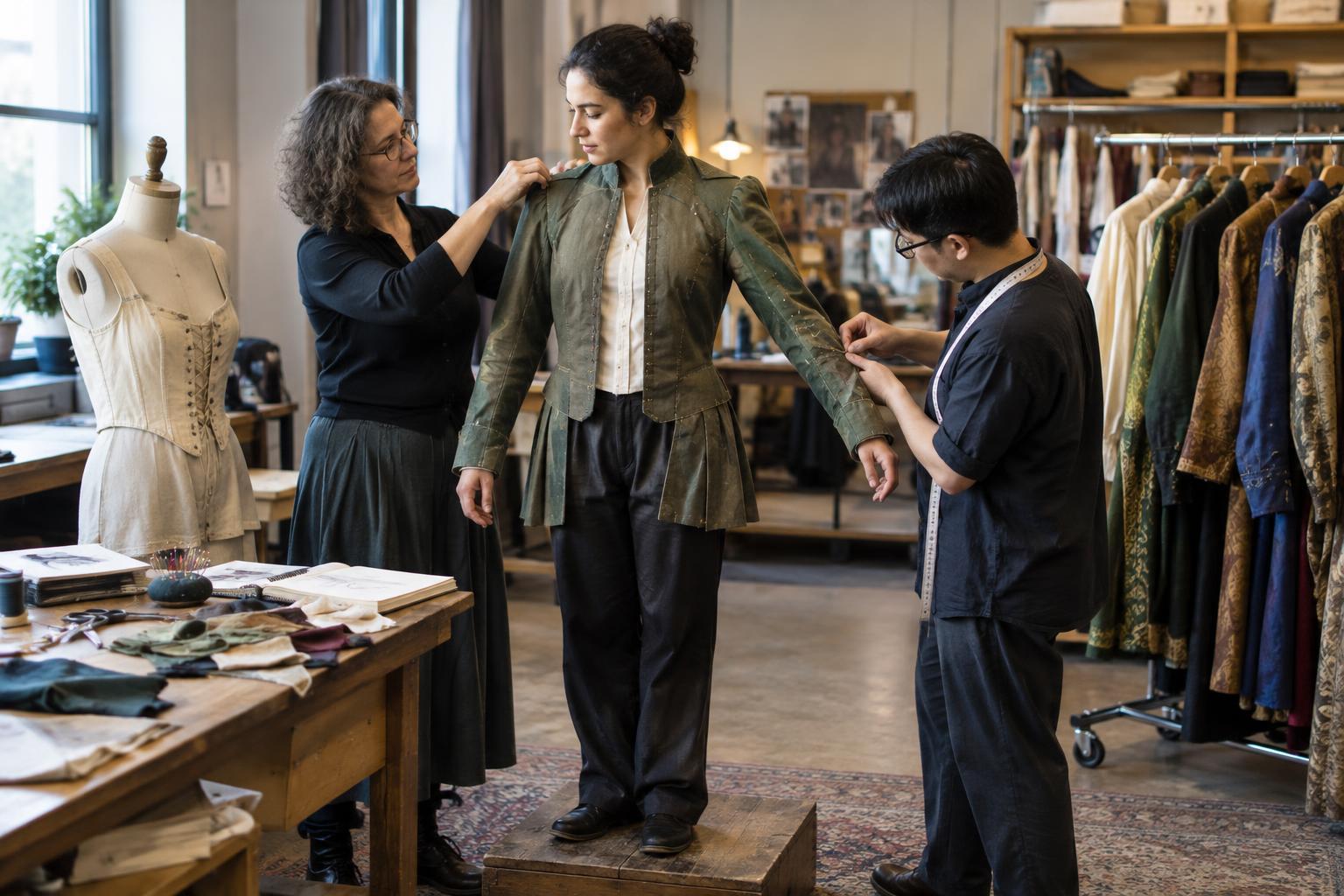
A costume changes when a person wears it. Fabric pulls across the shoulders during an embrace, rises when an arm lifts and gathers when its wearer sits. Fittings help a team see those changes in motion rather than judging a garment only on a standing figure. A performer may be asked to walk, turn, reach or rehearse a specific action so that tight spots appear before the costume is needed on set or onstage.
Small adjustments can make a large difference. A concealed stretch panel, an altered seam or a different lining may give a performer more freedom without changing the garment’s visible shape. Layers can be arranged to achieve the intended volume with less weight. Even closures matter: a fastening must look right when seen by the audience, yet work reliably through repeated changes. Comfort is part of the performance design, because a costume that constantly needs managing can draw attention away from the character.
Choose materials for the conditions
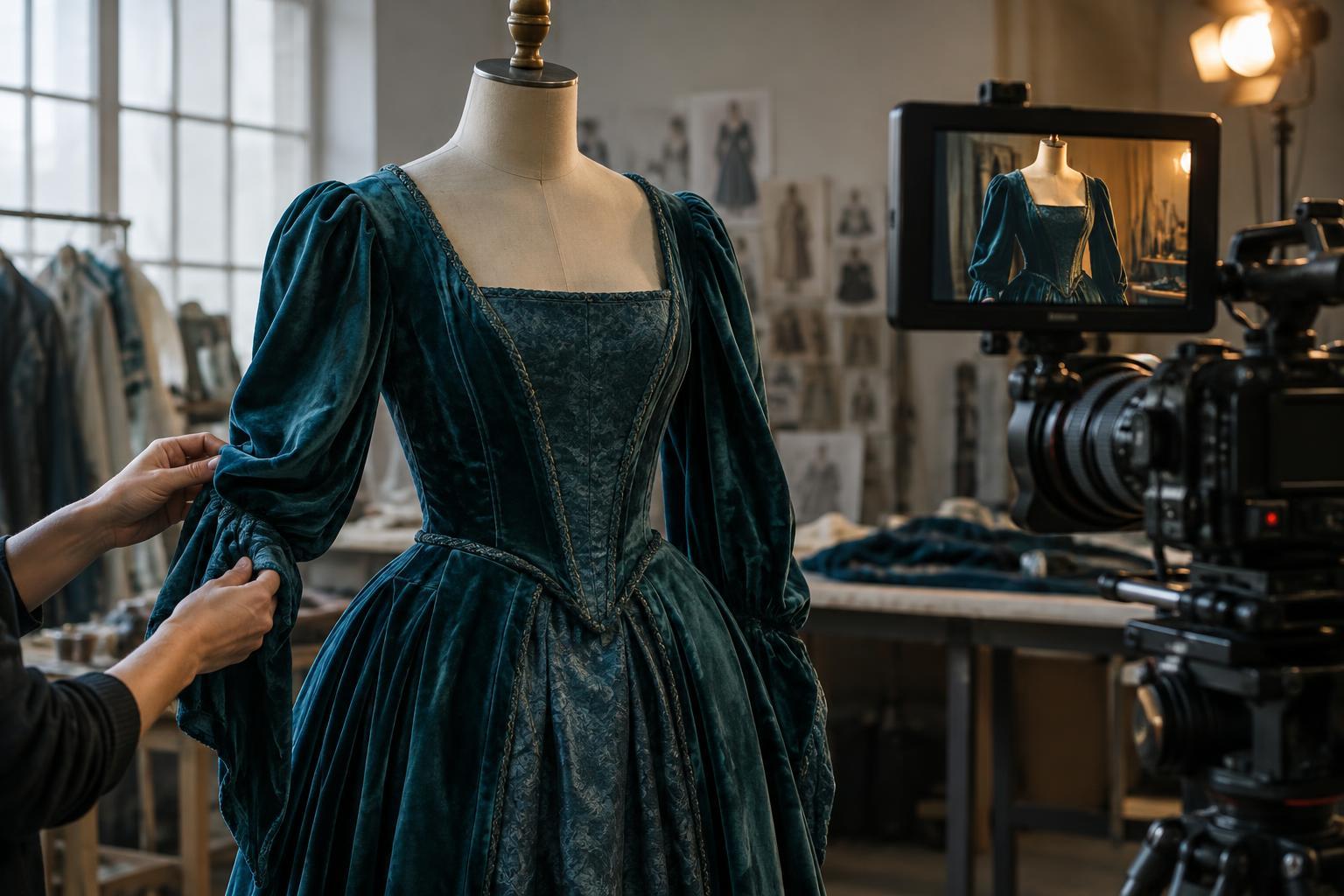
A historical-looking surface does not always require historically identical materials underneath. Costume teams may select fabrics for their drape, texture and appearance under lighting, then consider how they handle heat, laundering and wear. A cloth that looks convincing in a fitting room may appear flat under stage lights or create unwanted shine on camera. Samples and fittings offer a chance to judge the material in conditions closer to those in which the audience will see it.
The production environment also shapes the choice. A stage garment may need to withstand repeated performances and quick changes. A screen costume may need duplicates if the story calls for weathering, damage or a scene shot over multiple days. In either case, durability and maintenance are creative concerns as well as practical ones. If an ornate trim catches on another garment or a heavy layer changes how a performer moves, the team may need an alternative that preserves the intended impression.
Work with the performer and the story
Adaptation is a conversation between visual design and performance. A costume can help an actor discover how a character stands or occupies space, but it should not force every character into the same physical relationship with an era’s clothing. One person might wear formal dress with ease; another might look constrained by it. Those differences can be meaningful when they are chosen for the story rather than caused by an avoidable fit problem.
Costume teams also consider what the audience is meant to notice. An accurate detail that distracts from a scene may be less useful than a restrained interpretation that supports it. Productions differ in how closely they follow surviving garments or visual records: some seek a strong sense of historical specificity, while others openly blend periods or use a stylized palette. The important distinction is between a deliberate design choice and an adjustment made without considering what the clothing communicates.
Keep the illusion consistent
Once a costume works, it must keep working. On screen, a sleeve, collar or accessory may need to sit the same way across separate shots. Onstage, the garment must allow the same movement night after night. Notes, photographs and careful maintenance help teams preserve a costume’s appearance, while repairs and alterations account for the effects of use. Practical features are most successful when they remain dependable without becoming visible distractions.
The result is a quiet form of design. Viewers may remember the sweep of a coat or the shape of a gown without seeing the decisions that made it wearable. By treating historical detail, performer needs and production demands as parts of the same problem, costume teams create clothing that can suggest another time while doing its job in the present.