What consultation adds to the creative process
Costume design gives performers a way to inhabit a character and gives audiences visual clues about the world around them. A fabric, silhouette, hairstyle or accessory may suggest family, work, celebration, faith or personal taste. When those details draw on a culture the design team does not know well, references alone may not explain what an item means, who wears it or how it is used.
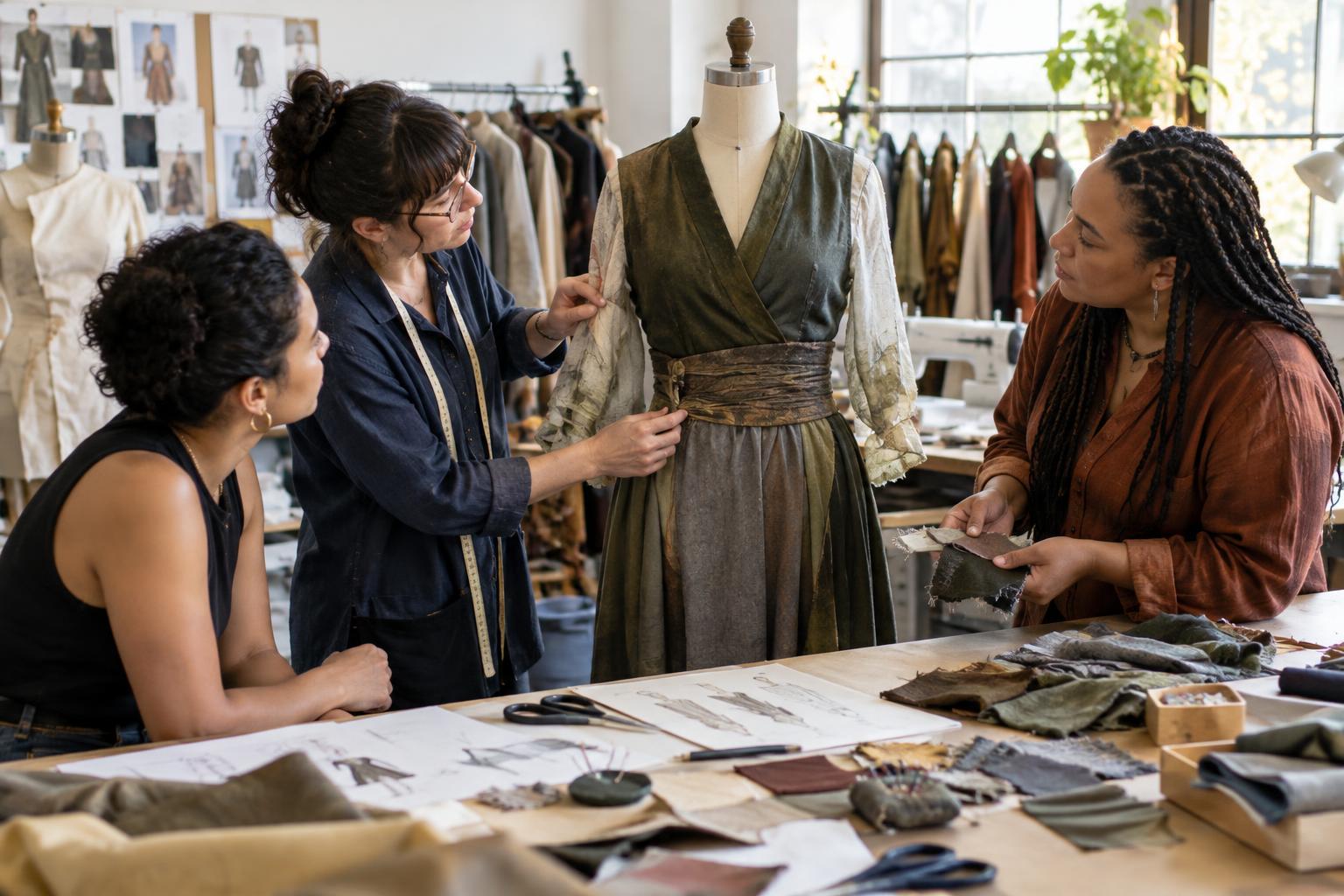
Cultural consultation brings people with relevant lived or specialist knowledge into that creative process. A consultant might help a team ask better questions, identify misleading combinations or understand the difference between everyday dress and clothing reserved for particular occasions. The goal is not to replace design with a set of fixed rules. It is to give designers and performers more accurate possibilities from which to make expressive choices.
That distinction matters because a costume can be visually striking and still tell the wrong story. An accessory chosen for its shape may carry a specific significance; pieces gathered from unrelated places may imply that a community has one uniform look. Consultation helps a production notice those gaps before they become part of the character.
When a production should seek input
Consultation is especially useful when costumes depict a living community, draw on ceremonial or religious dress, or combine recognizable cultural elements into a fictional setting. It can also matter in a contemporary story: the question may not be whether a garment is historically accurate, but whether the character’s choices feel plausible for their background, age, circumstances and personality.
The most useful time to begin is early, while the team can still change its direction. If a consultant sees a costume only after materials have been bought and fittings completed, the discussion may be limited to small corrections. Early conversations can shape research, sketches and sourcing, leaving room for the designer’s interpretation without making a last-minute fix the only option.
Not every character needs the same kind of input. A production might need a textile specialist for construction, a community member for everyday context, or a practitioner to discuss the use of dress connected to a tradition. One person is unlikely to speak for everyone in a culture. The right questions and collaborators depend on the story being told.
Making collaboration more than a sign-off
A useful consultation begins with a clear brief. Designers can explain the character, setting, performance demands and visual ideas already under consideration. They can then ask what those ideas communicate, rather than asking only whether an outfit is “allowed.” Open questions may reveal options the team had not considered, including choices that better express the character.
Consultants should have a defined role, adequate time to respond and a way to see meaningful revisions. When possible, compensation should reflect their work, including preparation and follow-up. Credit can acknowledge a contribution, but it does not substitute for listening or payment. A production should also be clear about who makes final decisions, so that a consultant is not treated as responsible for choices they could not change.
Disagreement is possible, even among knowledgeable people. Instead of searching for a single person to approve a design on behalf of an entire community, a team can document the reasoning behind its choices and seek additional perspectives where a detail is especially sensitive or central to the story. Consultation works best as an ongoing exchange, not a stamp placed on a finished costume.
Respecting meaning without flattening character
Thoughtful design avoids two opposing shortcuts. One is to treat cultural details as decoration that can be moved anywhere for visual effect. The other is to make every character from a community dress alike. People adapt clothing to their work, resources, generation, surroundings and preferences. A costume can reflect those individual choices while still paying attention to the meanings of particular items.
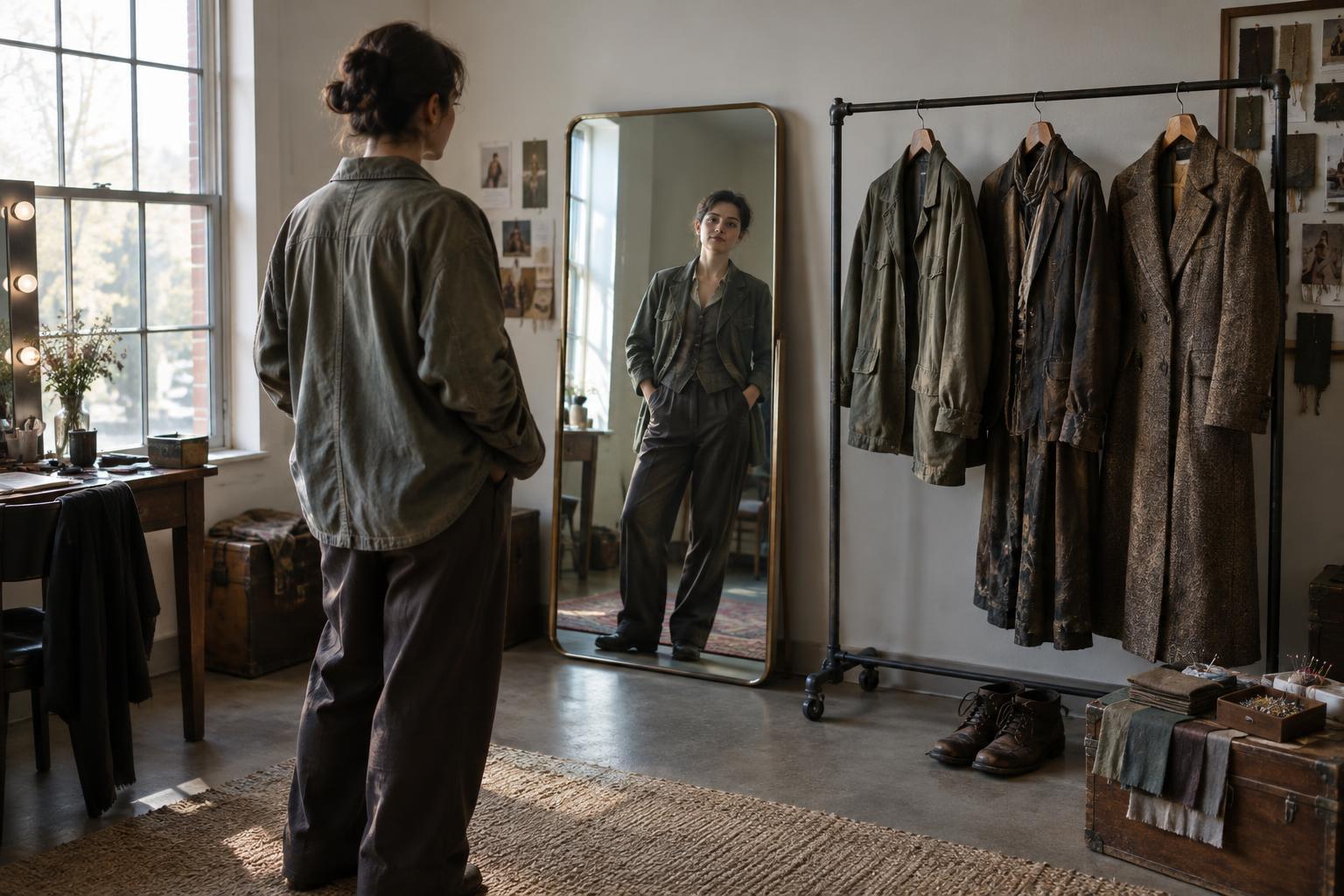
Performers are part of this conversation. A costume may look convincing on a sketch but affect movement, quick changes or the way an actor plays a scene. Discussion among the designer, performer and consultant can reveal whether a proposed choice supports the character in practice. Where a detail needs to change for performance, the team can look for an alternative rather than assuming accuracy and usability are incompatible.
Consultation cannot guarantee that every viewer will read a costume in the same way. It can, however, make the creative decisions more deliberate. The strongest result is not a display of research for its own sake, but a character whose clothing feels specific, usable and connected to the world of the story.