A finished edit is the starting point
When a film reaches picture lock, the order and length of its shots are intended to stay fixed. That stability lets other teams complete work that depends on precise timing: the final sound mix, color grade, visual effects, titles and credits. It does not mean that a single video file is ready for every screen. Preparing a film for delivery means turning the creative team’s approved version into the materials required for its intended destinations.
Those destinations matter. A cinema may need a theatrical package, while a streaming service or broadcaster may request particular file formats, audio layouts and supporting information. Requirements can differ, so a delivery team works from the specifications supplied by the recipient rather than assuming that one export will serve everyone. Keeping a clear record of what was approved also helps prevent an older cut or unfinished element from slipping into the handoff.
Picture and sound become a master
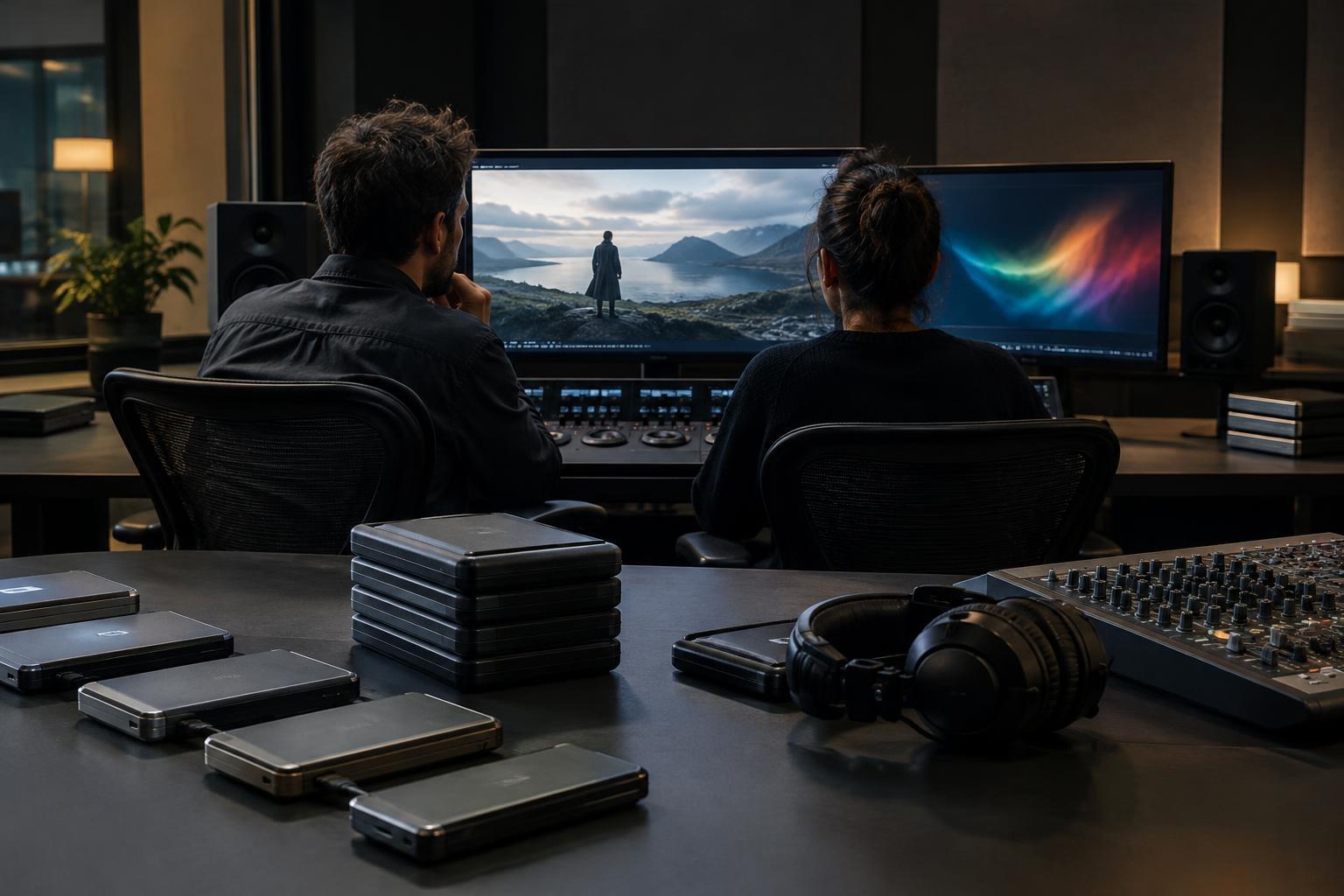
The final picture is assembled from the best available sources, with completed effects, color and graphics in place. Editors and finishing artists check details that are easy to miss during ordinary viewing: a flash frame between shots, a title that appears too briefly, an effect that uses the wrong revision, or credits that do not match the approved list. They also confirm that the running time and frame rate are consistent with the planned delivery.
Sound receives its own finishing pass. Dialogue, music and effects are balanced into an approved mix, then prepared in the channel layouts needed for the release. Depending on the project, separate dialogue, music and effects elements may also be delivered so that other language versions can be made without trying to pull voices out of a complete mix. A master provides a controlled reference for making these versions, rather than asking each recipient to rebuild the film from editing files.
Quality control catches what a creative review may miss
Watching a film to judge its story is different from checking whether every delivered element works. Quality control, often shortened to QC, looks for technical and presentation problems across the full running time. Reviewers may examine sync between picture and sound, unexpected silence, image glitches, unreadable text, abrupt changes in brightness or inconsistent placement of subtitles. Automated checks can help flag file problems, but a human review remains valuable for issues that are visible or audible only in context.
A reported issue is not automatically a mistake. A sudden blackout, unusual sound or grainy image might be an intentional choice. The team needs a way to compare flagged moments against the approved creative version, decide whether a correction is needed, and check the repaired file afterward. That process protects both technical reliability and the filmmaker’s intent.
One film may need several accessible versions
Delivery can include more than the main picture and sound. Captions for viewers who are deaf or hard of hearing may identify speakers and convey meaningful sounds as well as dialogue. Subtitles for another language serve a different purpose, and both need careful timing and review. Audio description, when commissioned, adds narration of relevant visual information in spaces where it does not obscure essential dialogue. These elements are part of the audience’s experience, not merely attachments to a file.
Different venues and territories may also call for alternate language tracks, localized on-screen text or specific theatrical and home-viewing versions. Each variation creates another opportunity for mismatches: a subtitle file might belong to an earlier cut, or a translated title card might be missing from one export. Consistent naming, version tracking and spot checks make it easier to know exactly which picture, sound and text elements belong together.
The handoff includes information as well as images
A recipient needs to know what it has received. Delivery materials commonly include identifying details such as the film’s title, runtime, language, aspect ratio and audio configuration, along with notes about the files and their versions. The precise paperwork depends on the agreement and destination. Clear labels and organized folders may sound unglamorous, but they help the next team ingest, schedule, present or preserve the right version.
Once the package has been transferred, it may be checked again against the recipient’s specifications. If something fails, the team can correct and redeliver the affected material. Approved masters and source elements are also worth organizing for later use, since a future screening or format may have different requirements. The work is largely invisible when it goes well: the audience simply sees and hears the film as intended.