Reading the script for what a scene needs
A screenplay is written to communicate action, character and atmosphere. A production team must also read it as a list of work to be done. A script breakdown is the process of going through the screenplay scene by scene and identifying the elements needed to put its action on camera. It bridges the gap between “a character enters a crowded café” and the practical questions that follow: Where is the café? Who is in it? What must be dressed, carried, heard or changed?
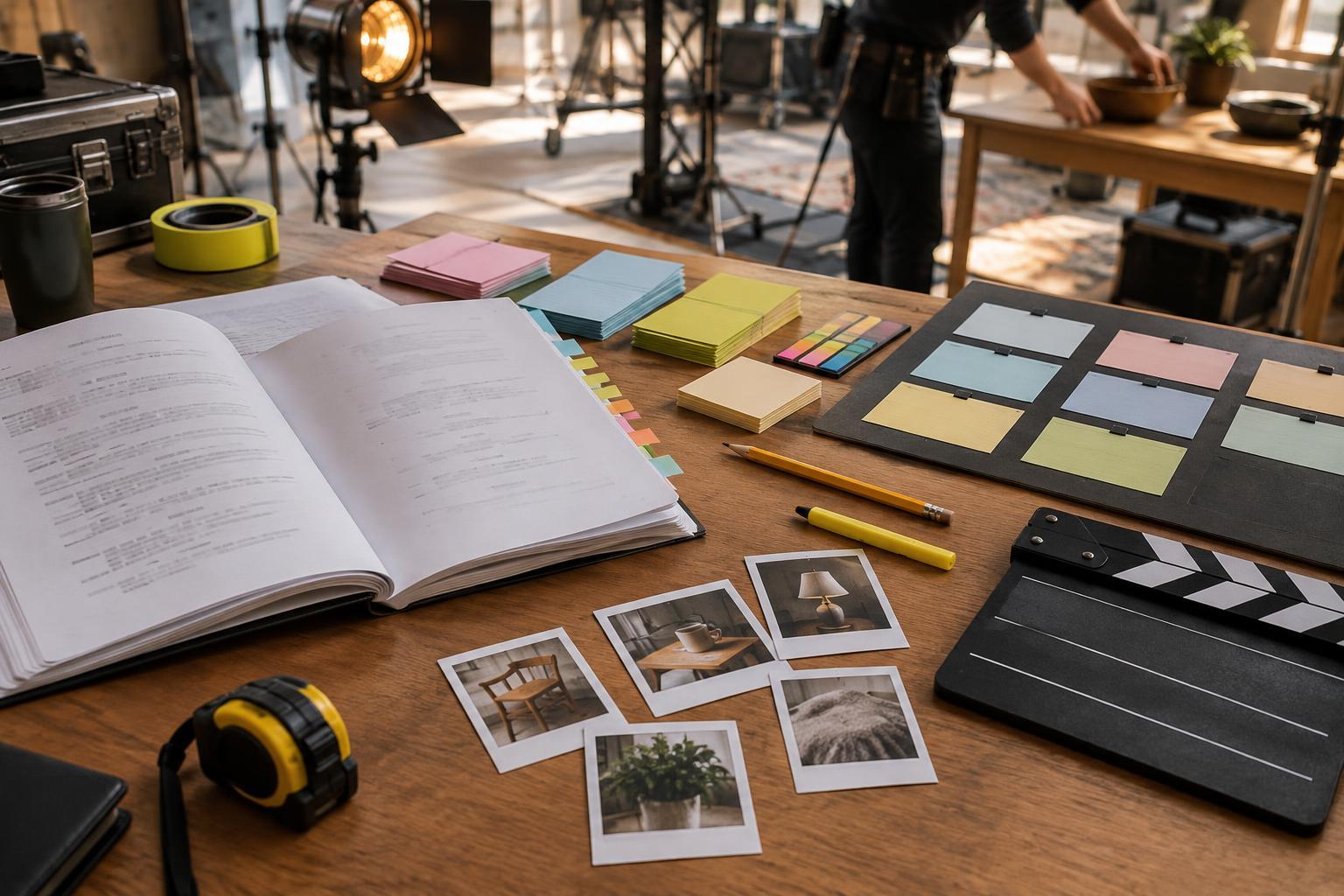
The starting point is usually the scene heading, which identifies a setting and whether the action takes place indoors or outdoors, by day or by night. From there, the person preparing the breakdown marks requirements such as cast, background performers, props, costumes, vehicles, animals, special effects and sound or music needs. Categories vary by production. The goal is not to force every detail into a fixed template, but to make visible anything that someone will need to arrange.
Turning story details into department tasks
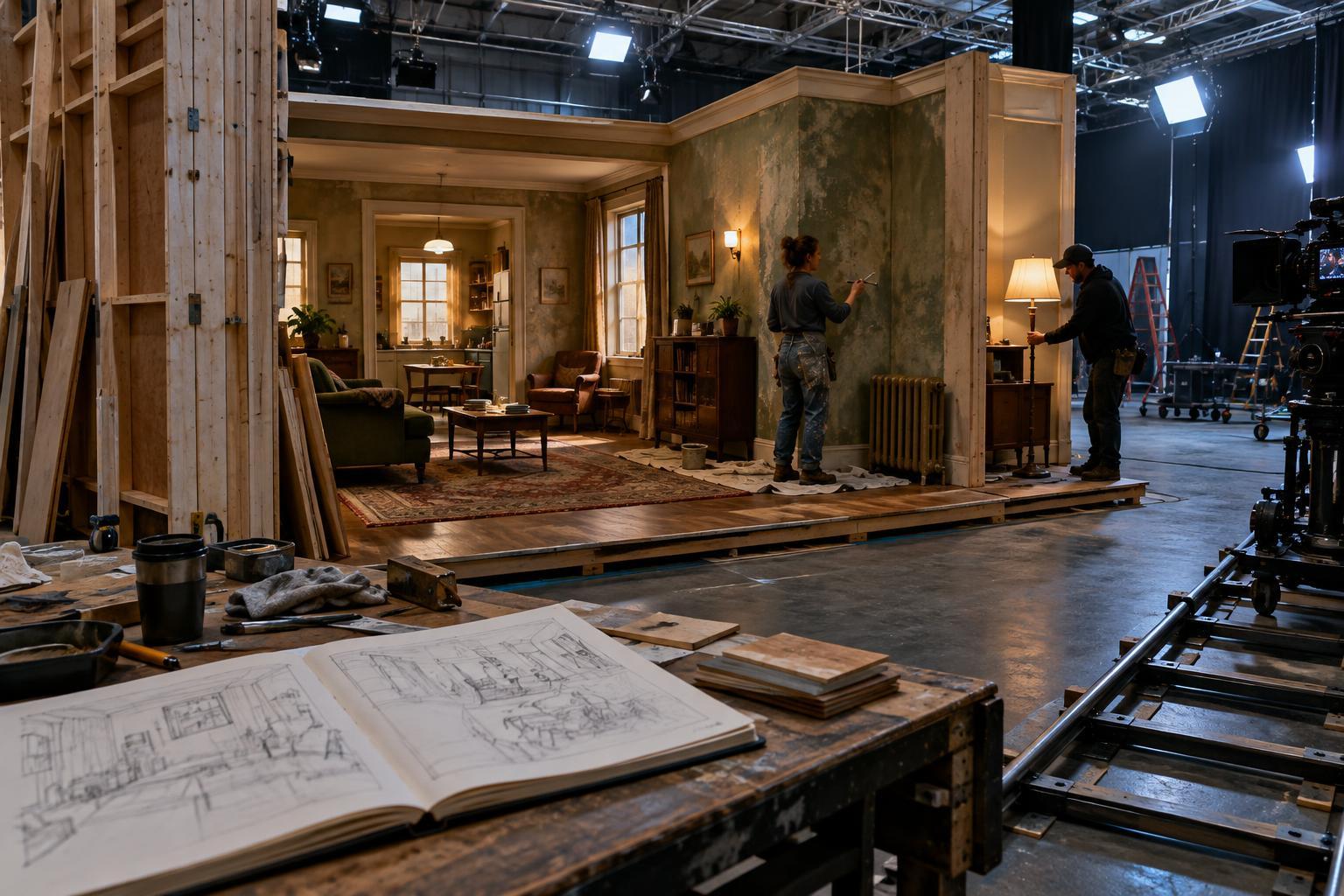
Consider a scene in which a performer runs into a café, drops a rain-soaked coat on a chair and finds a handwritten note beneath a cup. That brief action raises questions for several departments. Locations or production design must provide a suitable café space; costume needs the coat and a plan for keeping its wet appearance consistent; props needs the note and cup. If the note is shown close enough to read, its wording and appearance need approval before filming. The scene may also require rain effects, even if the rain itself is never shown.
Breaking down a script this way helps prevent small story details from becoming last-minute surprises. It also reveals decisions that the page does not settle. Is the café meant to look open and busy, or nearly empty? Does the character wear the same coat in the next scene? A useful breakdown flags such questions rather than guessing. The director, producers and relevant department heads can then decide what the audience needs to see and what the production must supply.
Building a schedule from the breakdown
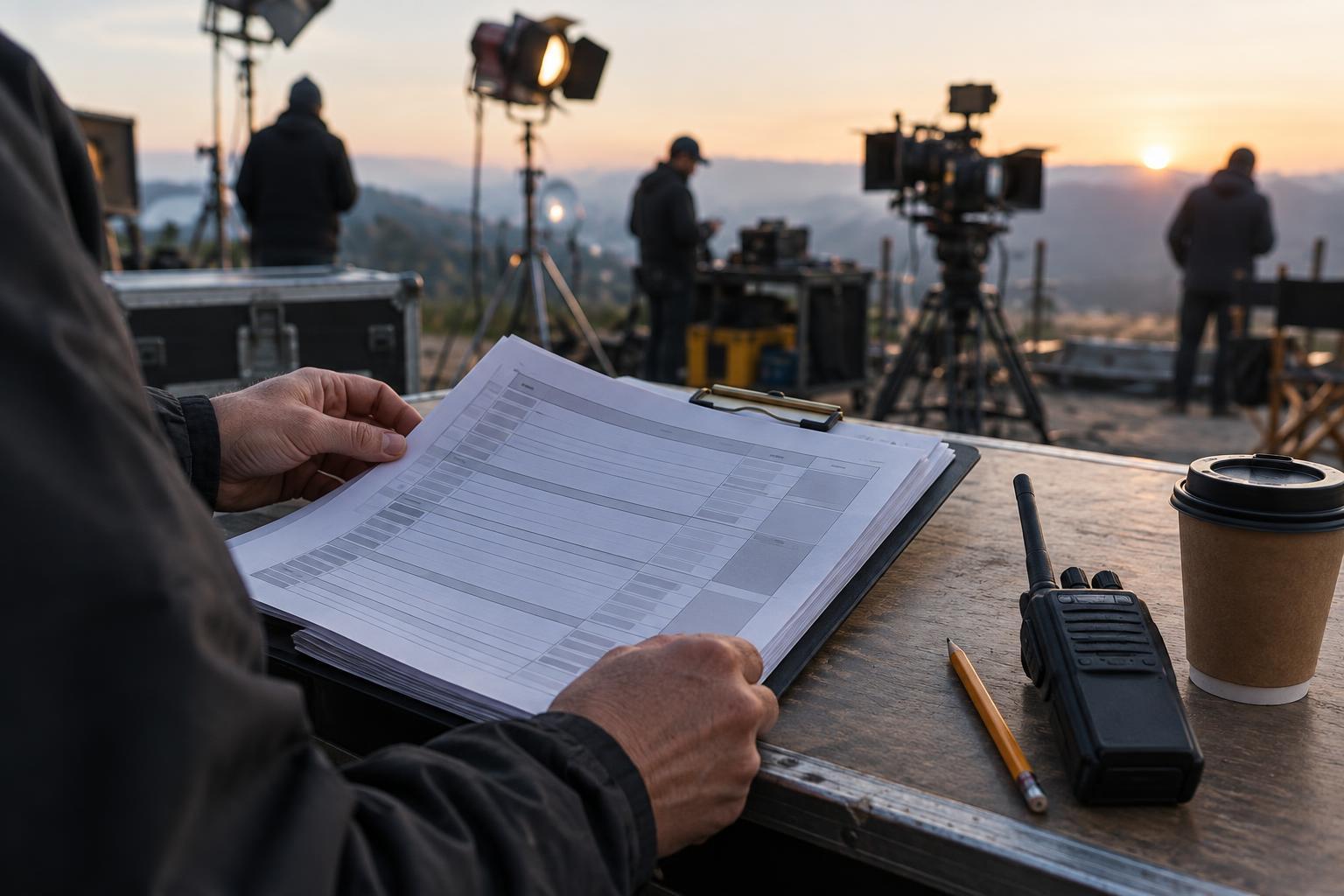
Once every scene has a record of its requirements, the team can look across the whole script. Scenes set in the same location may be grouped to reduce moves, even when they appear far apart in the story. A performer needed for only a few scenes may be scheduled for a concentrated period rather than called throughout the shoot. Scenes involving night work, large groups or complex effects can be identified early because they may require more preparation.
The breakdown informs a schedule; it does not create one automatically. A sensible shooting order also depends on location availability, performer availability, setup time and the practical limits of a working day. A scene with one speaking role might still take considerable time if it involves many camera setups or a difficult effect. The breakdown gives planners a shared inventory so they can weigh those constraints instead of relying on memory.
Tracking continuity and changes
Because filming often happens out of story order, the breakdown is also useful for continuity. A torn sleeve, a half-finished drink or a prop acquired in one scene may need to match across scenes shot days apart. Listing those elements helps costume, props and other teams trace where an item first appears, how it changes and when it disappears. The breakdown does not replace a continuity record on set, but it helps departments prepare for those connections.
Screenplays also change. A revised scene may add a character, move an exterior action indoors or turn a quiet exchange into a crowded event. Each change can affect several departments and the schedule. Comparing revisions against the existing breakdown helps the team spot what must be updated and communicate the difference. A breakdown is most useful when treated as a working document, not a checklist completed once and filed away.
A shared map, not a substitute for creative decisions
A script breakdown cannot decide how a performance should feel or exactly how a scene should be shot. Those choices emerge through direction, design, rehearsal and collaboration. What the breakdown can do is give those choices a practical foundation: the right people know what is coming, which details need answers and where one decision affects another.
For anyone curious about the craft behind a finished scene, this is the quiet value of the process. The audience sees a character discover a note in a café. Behind that moment is a coordinated plan for a place, a costume state, an object, a schedule and the hands needed to bring them together.