A location begins with the story
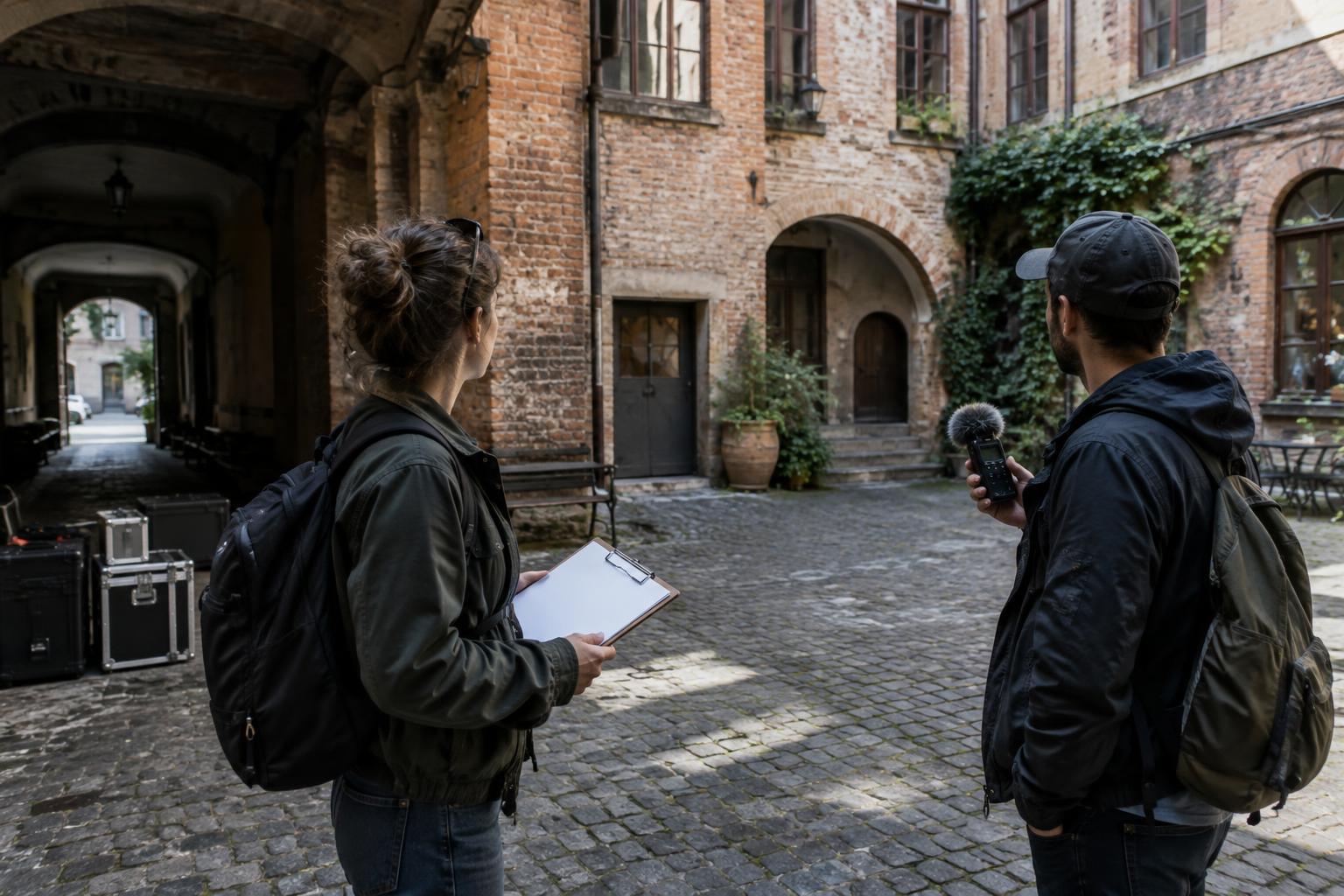
A film set may look like a kitchen, a hotel corridor or a city street, but its first job is not simply to resemble a real place. It must help tell the story. A cramped room can make a conversation feel tense; a wide doorway can give a character a striking entrance. Before anyone builds a wall, the production team considers what happens in the scene, where performers need to move and what the audience should notice.
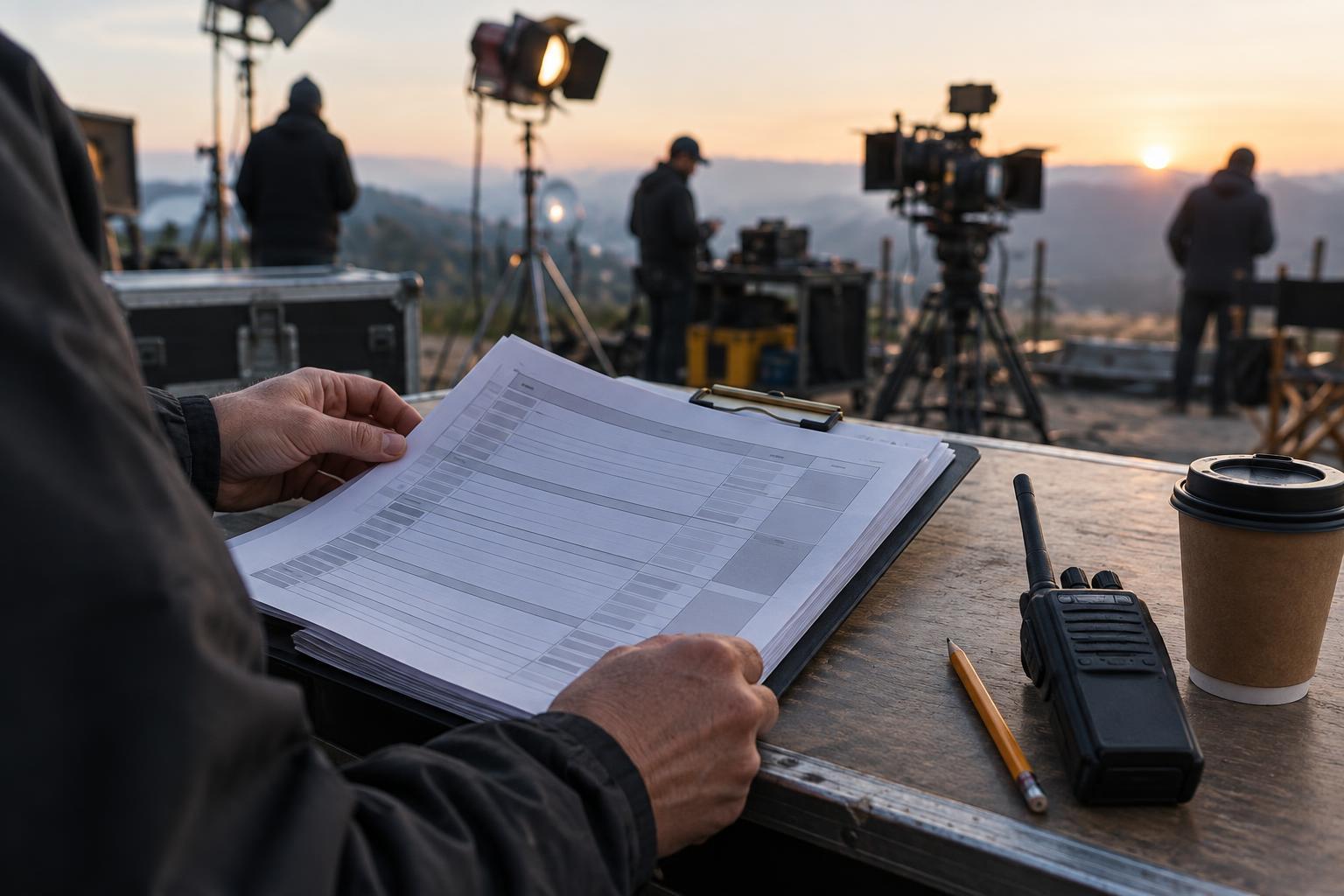
The production designer develops the visual approach in conversation with the director and other department leads. Reference images, sketches and models help turn a broad idea into a specific space. The art department then works out its layout and details. Responsibilities vary by production, but art directors and draftspersons commonly help translate the design into plans that construction crews can use. These drawings are less about making an attractive picture than answering practical questions: How tall are the walls? Where are the doors? What needs to be seen through a window?
Designing for the camera, not just the eye
A soundstage offers control over weather, light and noise, yet the space inside it is limited. Set plans have to account for camera angles, lighting equipment, microphones and crew access. A room that appears complete on screen may have a removable wall, allowing the camera to move farther back than it could in a real apartment. Sections of ceiling might also be left open or made removable so lights and sound equipment can be positioned above the action.
The camera changes what counts as convincing. A hallway need only extend as far as the shot requires, while a staircase must be sturdy enough for its intended use even if the audience sees it for only a moment. If several scenes take place in one set, the team also considers how it will function across different shots. Doors need room to open; furniture needs space to shift; background details must remain consistent when filming moves between angles.
Turning plans into a physical space
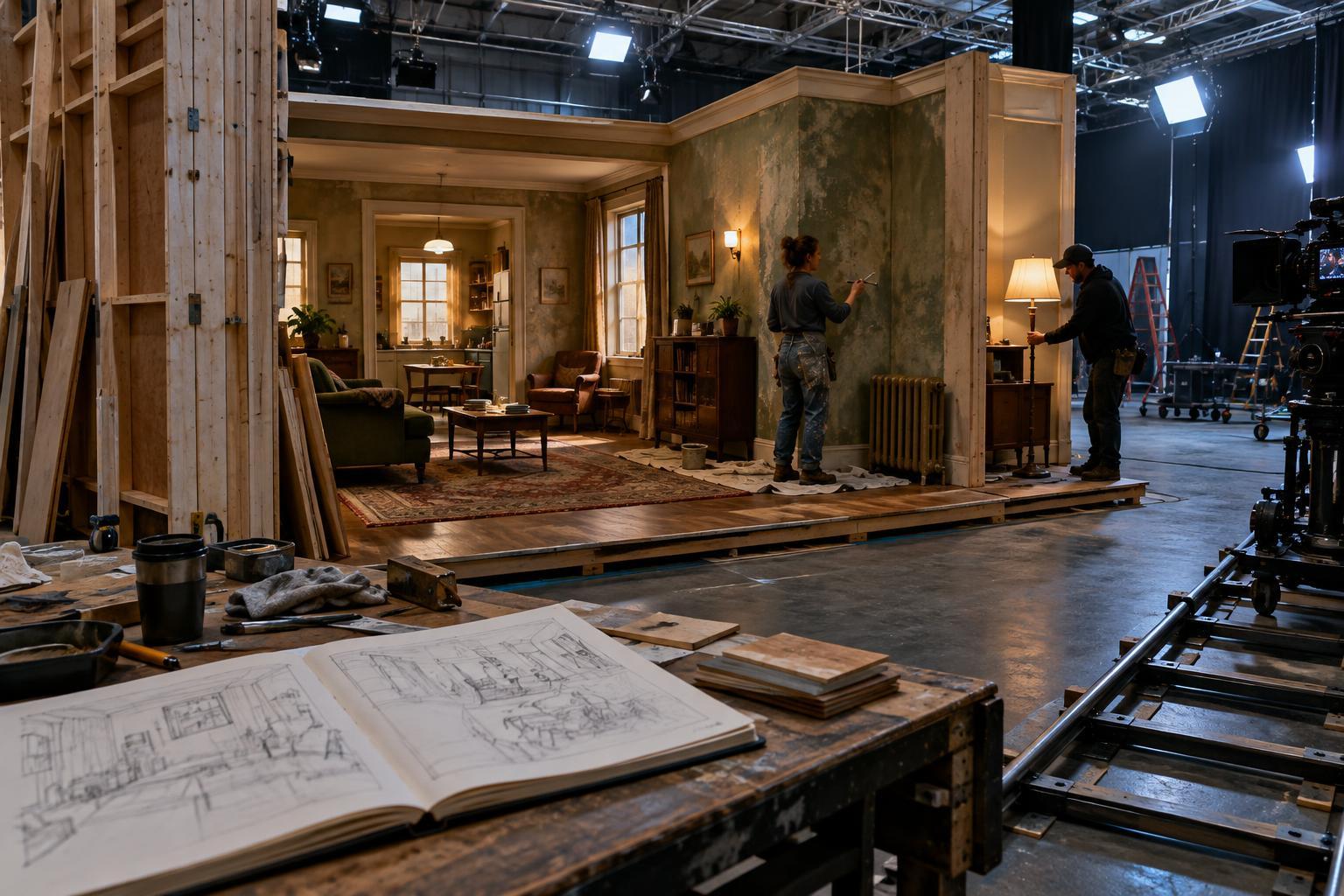
Once the design is approved, construction crews build the set’s framework, walls, platforms and architectural features. Methods depend on the production and on what the set must withstand. A wall intended only as a distant background has different needs from one that performers will lean against or a door they will repeatedly use. The construction coordinator and crew work with the art department to make the design buildable while keeping the intended appearance.
Many sets are assembled in sections, often called flats, which can be moved, joined or altered. This flexibility matters when a camera angle reveals an unexpected gap or a scene needs more room for equipment. Safety and access are part of the build rather than afterthoughts: crews must be able to work around the set, and anything performers interact with needs to suit the planned action. A convincing room is also a working environment.
The finishes that make a new set feel lived in
Fresh construction rarely looks like a place with a history. Scenic artists add color, texture and wear: a painted surface can suggest stone, a floor can appear aged, and a wall may carry subtle marks where people would naturally touch it. The aim is not always realism. A heightened comedy or fantasy might call for cleaner shapes and stronger color, while a grounded drama may benefit from details that barely register until they are missing.
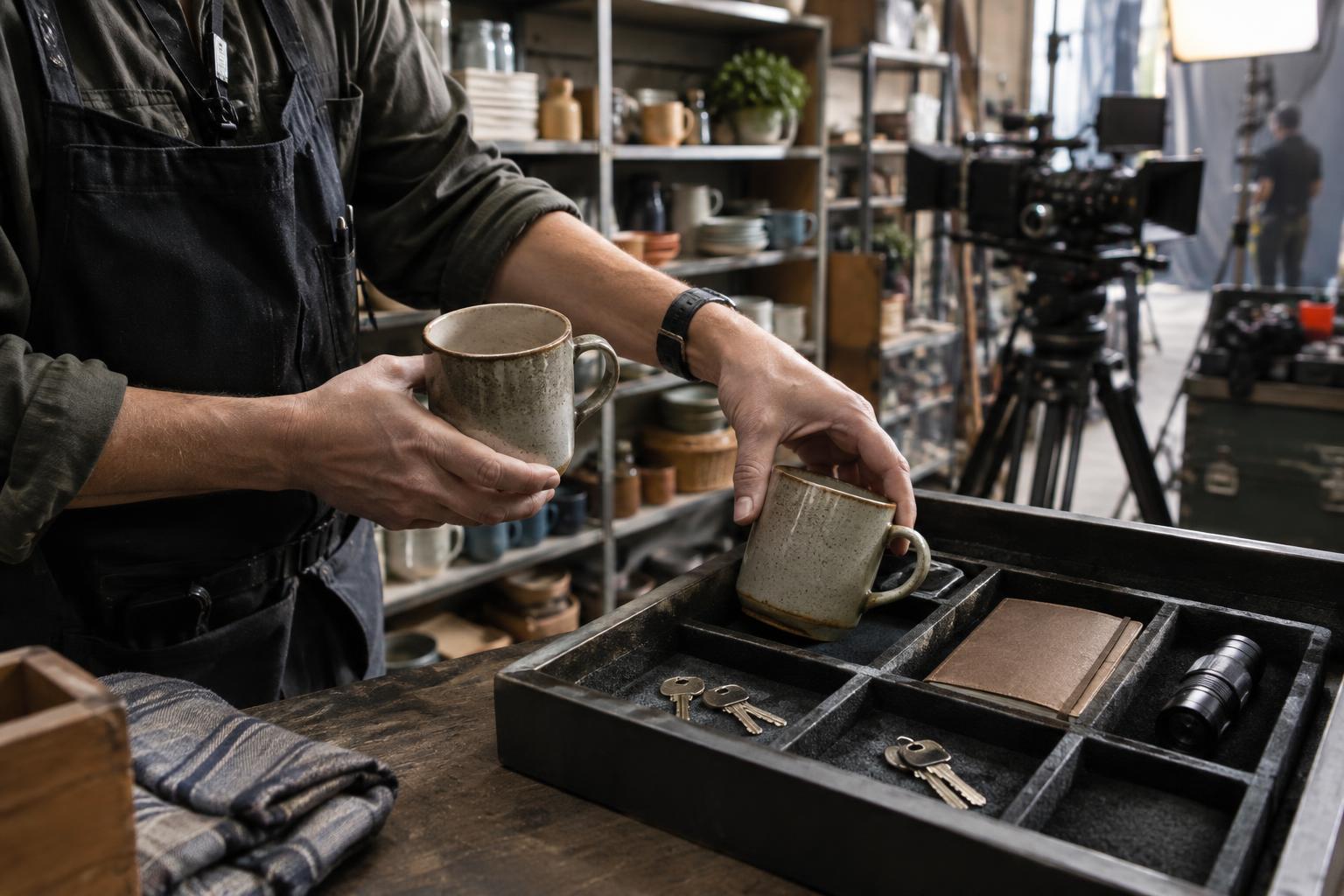
Set decorators furnish the space with objects that suggest who uses it. Books, curtains, lamps and everyday clutter can reveal habits without dialogue. Props used directly in the action require particular coordination: if a character opens a drawer or picks up a cup, its placement and function matter across takes. The art, decoration and props teams may handle different parts of this work, so communication helps the set feel like one coherent place rather than a collection of separate choices.
When the set meets the rest of the film
A set is not finished simply because the paint is dry. The cinematography and lighting teams test how surfaces respond to light; a color that looks subtle in the workshop may dominate on camera. The sound team considers echoes, noisy materials and anything that could interfere with recording dialogue. Costume colors and textures can also affect how performers stand out against their surroundings. Adjustments at this stage are a normal part of making the design work on screen.
Once filming begins, the set becomes an active workspace. Walls may be moved for a shot, objects reset between takes and finishes repaired after heavy use. Eventually the production may alter the space for another scene or take it down. What remains in the film is a place the audience can navigate and believe in, even though it was built to serve very particular views. That is the craft of the soundstage: creating enough of a world for the story to move through it.