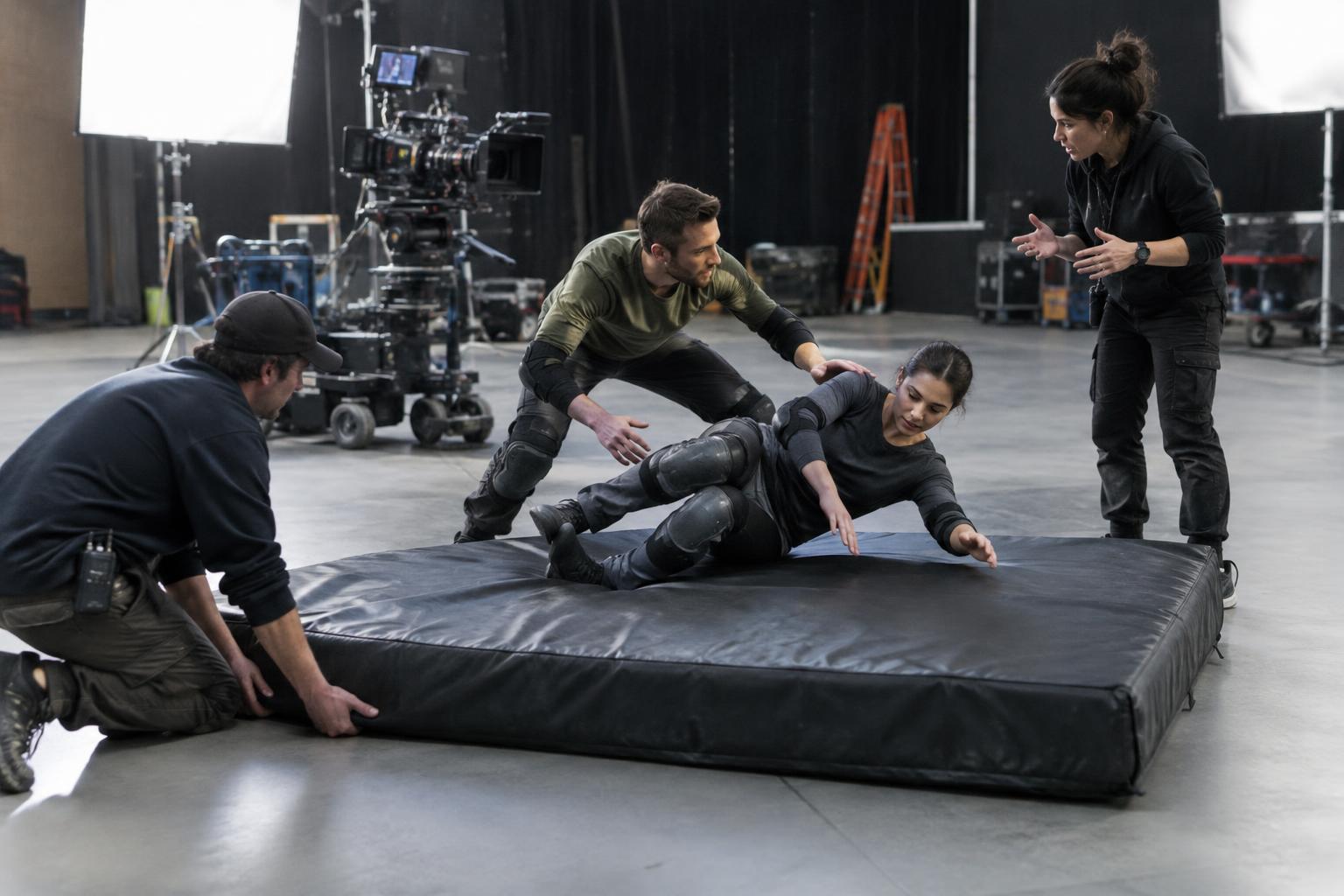
Preparation starts with the scene, not the camera
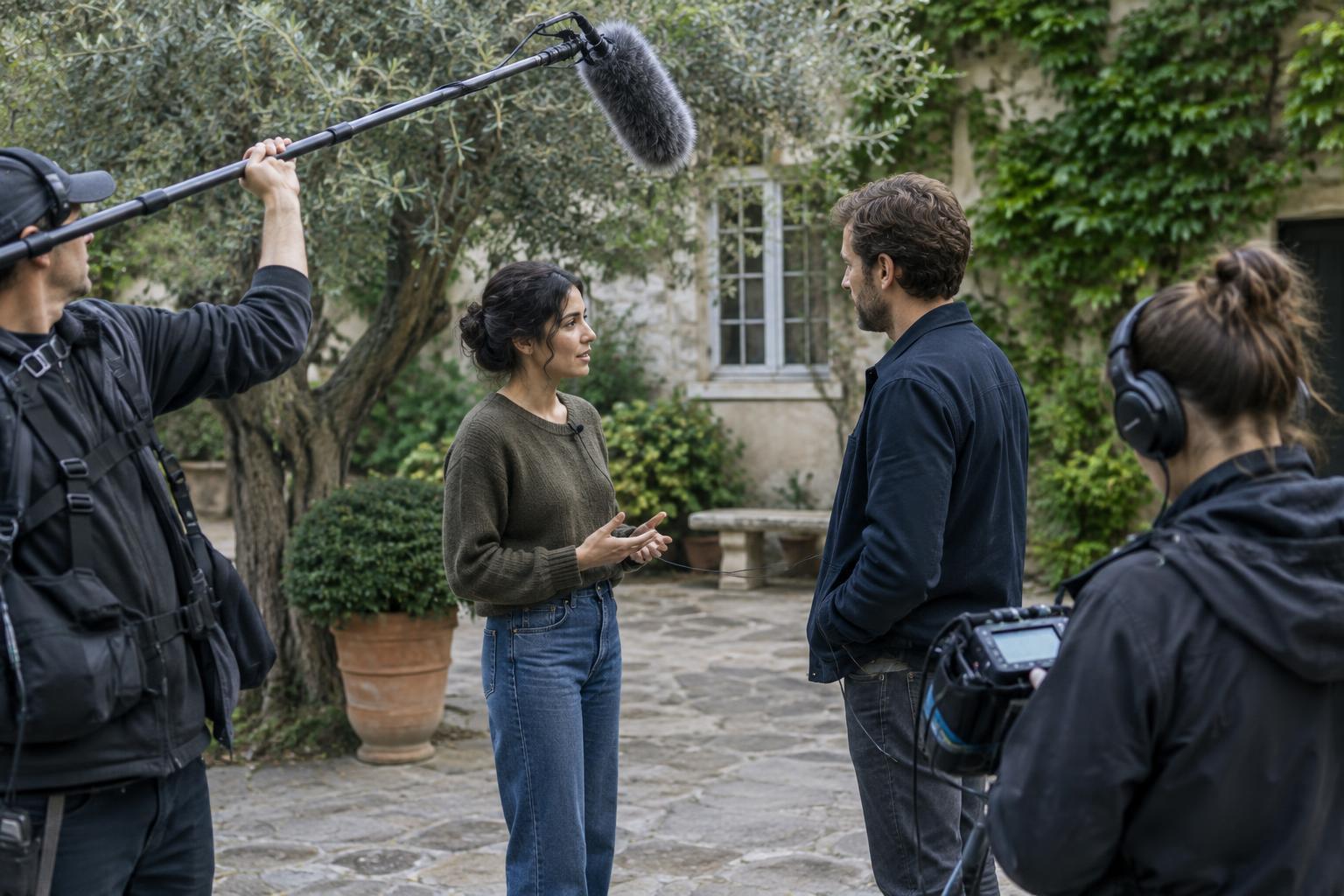
Before filming, the camera department needs to know what the scene asks of it. A quiet conversation at a table calls for a different setup from a handheld walk through a crowded space. The cinematographer and camera crew consider where the camera will be placed, how it may move, what must remain in focus and how the footage should look. Those choices guide which camera body, lenses, supports and accessories need to be ready.
The plan is rarely just a list of gear. It also accounts for the time and space available to build it. A crew may prepare one configuration for the opening shot and keep parts close by for a later change. On a small production, one person may handle several of these tasks; on a larger one, responsibilities are divided. In either case, the aim is to make the first setup practical without losing sight of what comes next.
Camera and lens checks catch problems early
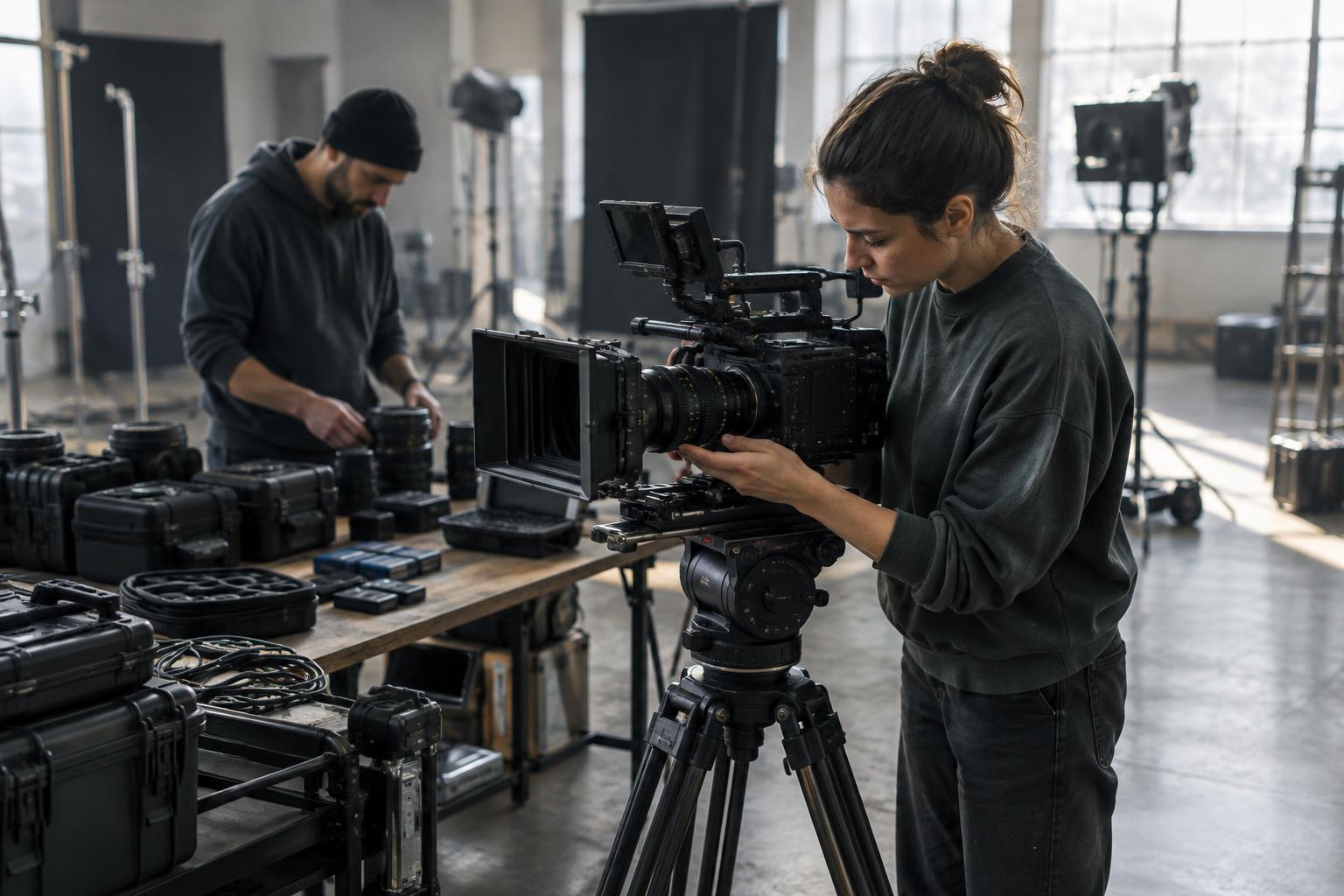
A camera body is checked before it reaches the set. The crew can confirm that it powers on, records in the agreed format and displays the intended settings. They may check the image through a monitor, inspect connections and make a short test recording that can be played back. Menus deserve attention: an unnoticed change to frame rate, resolution or another setting can create work that is difficult to undo after a take.
Lenses receive their own inspection. Crew members look for dirt or damage, confirm that focus and aperture controls move as expected, and check that the lens attaches securely. When a production uses several lenses, a camera test can help reveal differences in their appearance or operation. The point is not to make every lens identical, but to understand what each one will do before a performance depends on it.
The rig is built for the shot and the people using it
The camera body is only one part of a working setup. Depending on the shot, the crew may add a tripod, handheld support or another mounting system, along with a monitor, matte box, filters and focus equipment. Each addition affects the rig’s weight and balance. A setup that looks complete on a workbench may feel awkward when an operator has to hold it through a long take, so the crew checks it in the position where it will actually be used.
Cables and attachments also need a deliberate layout. They should be secure enough not to snag or interrupt a signal, while leaving room for camera movement and access to controls. If the camera will move near performers, props or set pieces, the crew coordinates with other departments to understand the route and its limits. Preparation protects both the shot and the people working around it.
Power, media and monitoring need a routine
Recording stops quickly if a battery runs out or media fills up. Before filming, camera crew members check available power, charge or prepare replacements, and confirm that recording media is suitable for the camera’s settings. They keep used and ready media clearly separated so that no one has to guess which card can be recorded over. Exact procedures vary by production, but clear labeling and a consistent handoff matter at every scale.
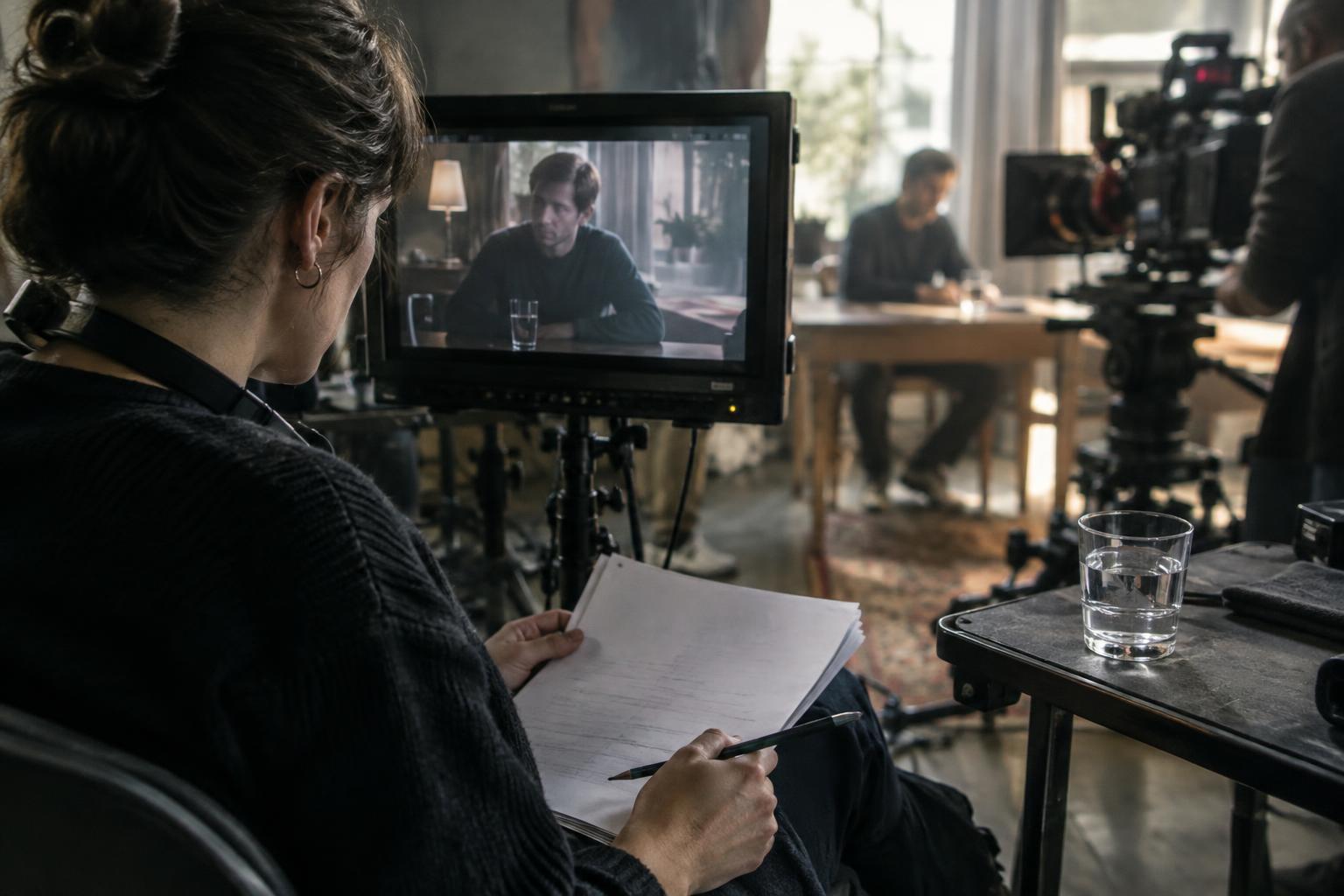
The image must also reach the people who need to see it. Camera monitors may help the operator frame a shot, an assistant check focus, and other crew members judge the result. The department checks that the right signal appears on the right display and that any viewing tools are set up as intended. A misleading monitor can cause confusion even when the camera itself is recording correctly.
A final check makes room for the unexpected
Just before a take, the crew can confirm the essentials again: lens, framing, focus, exposure, power, media and recording status. These checks may sound repetitive, but a camera often changes position or configuration between shots. A filter is swapped, a cable is rerouted or a fresh battery goes on. A brief routine helps catch small omissions after each change.
Good preparation does not mean nothing will change once filming begins. A performer may find a different rhythm, or a location may offer a better angle than expected. By testing equipment, organizing spare parts and agreeing on a workable setup, the camera department gives the production room to respond. The result is not merely a camera that turns on. It is a camera system the crew understands well enough to adapt while the scene unfolds.